We Buy Houses in Hancock Park, CA
- Foreclosure, inherited, tenants, damage — we buy it
- Zero fees, zero commissions, zero closing costs
- No obligation — turn the offer down and owe us nothing


Fast, Fair, and Reliable Offers
Sell your house fast with our cash home buying service. No fees, no hassles, just a straightforward sale. Get your offer now.
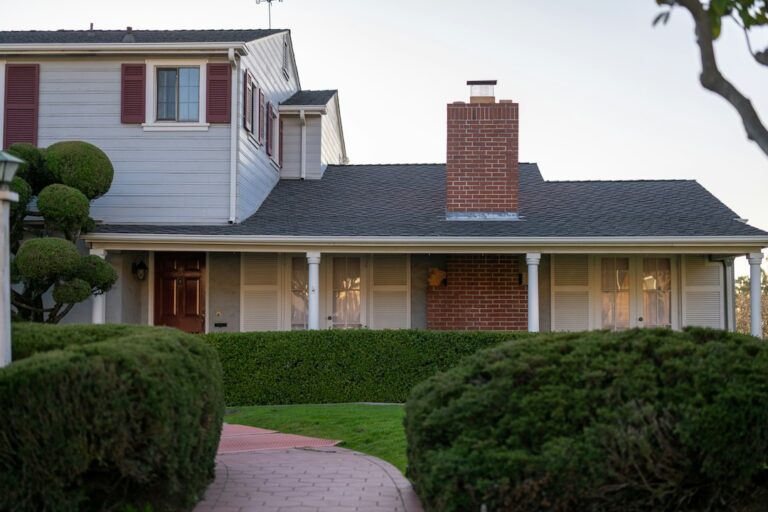
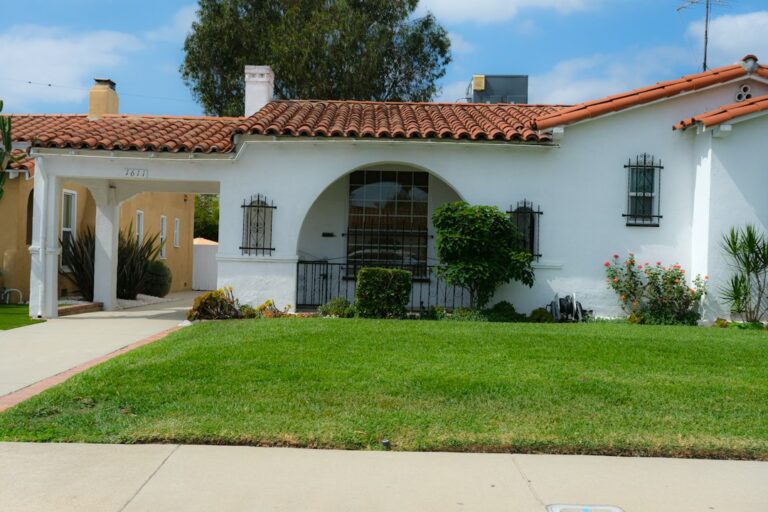
Hancock Park was built out in the 1920s on land the Hancock family had inherited from the old Rancho La Brea oil fields, and it has carried its Period Revival character, Tudor, Spanish Colonial and Mediterranean houses set well back from the street, ever since. The neighborhood’s Historic Preservation Overlay Zone, adopted by the City Council in 2008, now protects that character on roughly 1,200 homes, about 86 percent of which the city considers to have historic value. Selling a house here means understanding both the market for large prewar homes and the added review that comes with the HPOZ.
Cash Home Buyers CA is based in Woodland Hills, about a half hour east on the 101, and we buy houses in Hancock Park in whatever condition they are in. We provide a written cash offer within 24 to 48 hours, purchase as-is with no repairs, commissions or showings, and close on the date you select.
Hancock Park’s market: large, prewar houses with no published median we can verify
Hancock Park’s housing stock, roughly 1,200 homes on generous lots with 50-foot setbacks and porte cochère driveways, does not have a current standalone median sale price or days-on-market figure we could verify from a named source in this research, so we will describe the market qualitatively rather than guess at a number. What is well documented is the neighborhood’s character: large Period Revival houses built mostly in the 1920s, many still with original systems, surrounding the Wilshire Country Club.
A fully restored house that meets HPOZ standards and has updated mechanical systems draws a strong, well-financed buyer pool in this neighborhood. A large prewar house with deferred maintenance, outdated wiring or plumbing, or unpermitted changes that would need HPOZ review to resolve, is a much harder sale to finance, and that is where a cash offer removes the appraisal and repair-negotiation risk entirely.
What a Hancock Park sale has to account for
- HPOZ review: The Hancock Park Historic Preservation Overlay Zone, adopted in 2008, requires Certificate of Appropriateness review for exterior changes to contributing houses, which affects what any buyer, us included, can do with the house after purchase.
- Transfer tax: The combined city and county rate is $5.60 per $1,000 of sale price, customarily paid by the seller in Los Angeles. Given the size of many Hancock Park houses, this can be a meaningful dollar figure, and Measure ULA’s surcharge applies above roughly $5.4 million as of 2026 on the highest-value sales.
- 9A report and retrofits: Sellers must deliver the Department of Building and Safety’s Report of Residential Property Records before close, plus certify a seismic gas shutoff valve, water-conserving fixtures, smoke and carbon monoxide detectors and a strapped water heater. We take these on directly when we buy.
- Original systems in older houses: With most of the stock dating to the 1920s, original wiring, plumbing and roofing are common enough that we build the cost of likely repairs into our offer rather than asking the seller to address them first.
Period Revival mansions around a country club: Hancock Park’s geography
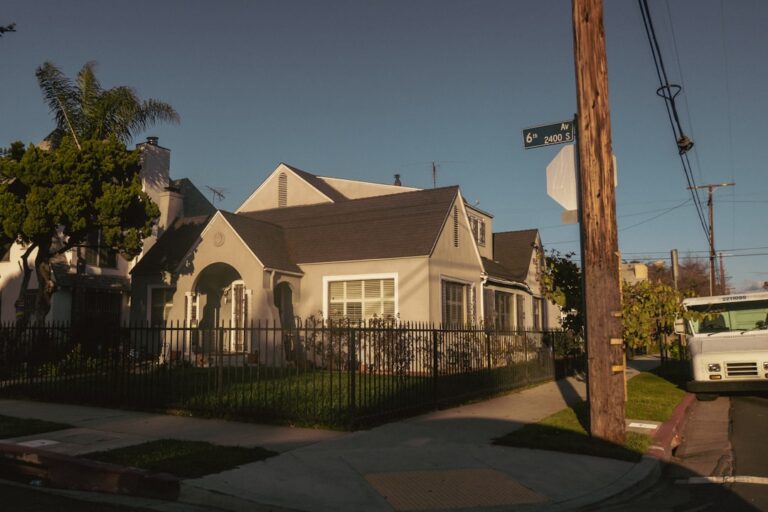
Hancock Park’s traditional boundaries run from Melrose Avenue on the north to Wilshire Boulevard on the south, and from Highland Avenue on the west to Rossmore Avenue on the east, though the Mapping L.A. project extends the western edge to La Brea Avenue, a change the neighborhood’s own homeowners association has disputed. The neighborhood surrounds the Wilshire Country Club and includes multiple Historic-Cultural Monuments such as the Ravenswood and El Royale apartment buildings, along with several countries’ diplomatic residences. Housing is overwhelmingly large single-family Period Revival houses from the 1920s, set back on deep lots with side driveways leading to rear garages.
We buy houses throughout Hancock Park, from fully restored HPOZ-compliant homes to properties that need major systems work. The conditions that suit a cash sale here are original 1920s wiring or plumbing, unpermitted alterations that would need HPOZ correction, and estates where heirs would rather not manage a historic restoration before selling.
Why Hancock Park owners call us
- Estate and family-trust sellers. We buy inherited houses in the Los Angeles area directly from a trust, or through probate downtown if there is no trust in place, without requiring restoration first.
- Owners facing major repairs. A large Period Revival house with original wiring, plumbing or roofing can be sold as an inherited or as-is property in the Los Angeles area without a repair negotiation.
- Pre-foreclosure situations. If a notice of default has been recorded, we can often close on a house in foreclosure in the Los Angeles area before the trustee’s sale.
- Houses with HPOZ or permit complications. A house with an unpermitted change that would need Certificate of Appropriateness review can still be sold as-is in the Los Angeles area with the issue disclosed rather than resolved first.
We also handle divorce sales in the Los Angeles area, relocations on a fixed schedule, and owners who need to sell a Hancock Park house fast.
Escrow, HPOZ review and recording for a Hancock Park sale
Once we agree on a price, we open escrow, order preliminary title, and request the 9A report from Building and Safety right away. For any house with visible HPOZ-relevant work, we confirm its contributing status and prior approval history early in escrow. Probate estates are heard at the Stanley Mosk Courthouse downtown; a trust sale bypasses that step.
Deeds record at the LA County Registrar-Recorder/County Clerk in Norwalk, with funds wired the day recording confirms. A clear-title house typically closes in two to three weeks once the 9A report is back; a larger estate sale often runs three to six weeks, on the date you choose.
Listing versus selling to us in Hancock Park
A fully restored Hancock Park mansion in move-in condition will typically net more through a listing to the neighborhood’s well-financed buyer pool, even after a commission in the roughly 5 to 6 percent range, and we say so plainly when a house is already in that shape.
Our offer competes on houses that need major systems work, estates that would otherwise sit through a lengthy restoration and re-listing process, and any property with HPOZ or permit complications that would slow a financed sale. Subtract commission, transfer tax, the 9A report, retrofit costs and the cost of the repairs a lender would require from a comparable listing, and our net is usually close, on a date you control.
Hancock Park seller questions
Is Hancock Park’s HPOZ the same as the neighboring associations’ boundaries?
Not exactly. The Hancock Park Historic Preservation Overlay Zone, adopted by City Council in 2008, roughly follows Melrose Avenue, Wilshire Boulevard, Highland Avenue and Rossmore Avenue, while the LA Times’ Mapping L.A. project drew a wider neighborhood boundary out to La Brea Avenue, a difference the Hancock Park Homeowners Association has disputed.
Does the historic designation limit what I can do before selling?
It mainly limits exterior changes for whoever owns the house, buyer included, since about 86 percent of the roughly 1,200 homes carry historic character under the HPOZ. We factor that into how we price a house that needs visible repair work.
Will you buy a large Period Revival house that needs major systems work?
Yes. Many Hancock Park houses date to the 1920s, and original wiring, plumbing or a deferred roof are common, exactly the kind of condition issues that suit a cash sale.
What if my house sits in one of the diplomatic-residence blocks?
That doesn’t change the sale process; we handle Hancock Park houses the same way regardless of which block they’re on.
How fast can you close on a Hancock Park property?
Typically two to three weeks for a house with clear title once the 9A report is back, longer for an estate, on the date you choose.
If you own a house, condo or building in Hancock Park and want a firm cash number, call or text 424-493-4424. We will look at the property, check the city’s requirements for your address, and put a written offer in your hands within 24 to 48 hours with no obligation to accept it. The full sequence from that call to a recorded deed is on our how it works page.
Selling a house in Hancock Park: what to know
A few local details that shape timing and net proceeds when you sell in Hancock Park.
County & probate court
Hancock Park is a City of Los Angeles neighborhood in Los Angeles County. Probate and trust matters for Hancock Park properties are heard by the Superior Court for Los Angeles County, and deeds are recorded with the Los Angeles County Recorder.
Transfer tax
Los Angeles County charges a documentary transfer tax of $1.10 per $1,000 of the sale price. The City of Los Angeles adds $4.50 per $1,000, and Measure ULA adds 4% on sales above roughly $5 million (5.5% above roughly $10 million). When you sell to us, we pay the standard closing costs.
Tenant & rent rules
Rental homes in Hancock Park can fall under the Los Angeles Rent Stabilization Ordinance (RSO), which limits rent increases and requires just cause for most evictions, in addition to the statewide Tenant Protection Act (AB 1482). We buy tenant-occupied homes and take over the leases at closing.
Nearby cities we buy in
Seller Guides
Helpful guides for homeowners in Hancock Park
Plain-English answers to the questions sellers ask us most.
 Relocating
Relocating From Del Aire, CA: What to Know First
Relocating from Del Aire? This unincorporated LA County community has no city hall, LAX flight-path noise to weigh, and a tax exclusion worth checking.
Read the guide →- Divorce
Dividing a Los Feliz Hillside Home in a CA Divorce
Splitting a Los Feliz hillside home in a California divorce? See how community property division works and what hillside zoning limits a buyout.
Read the guide → - Inherited homes & probate
What the Hancock Park HPOZ Means for a Probate Sale
Inheriting a Hancock Park house? See how California probate works and what the neighborhood's historic HPOZ requires before any exterior work.
Read the guide → - Foreclosure & liens
The Foreclosure Timeline for a Mid-City, CA Homeowner
Selling a foreclosed home in Mid-City, LA? See California's foreclosure timeline, tenant-occupied sale options, and how to close before auction.
Read the guide → - Inherited homes & probate
Why So Many Arcadia, CA Probate Sales Involve Family Homes
Arcadia's demographic shift since the 1980s made living trusts common, but undeeded trusts still force many inherited Arcadia homes into full probate.
Read the guide → - Selling for cash
What Slows Down a Home Sale in San Fernando, CA
San Fernando is its own independent city inside LA, with its own permits and city hall. Here's what that means for a fast, as-is cash sale today.
Read the guide → - Selling for cash
Sell House Fast Los Angeles: The Real Costs of Each Option
Commissions, iBuyer fees, and holding costs compared to a direct cash sale when selling fast in Los Angeles.
Read the guide → - Selling for cash
We Buy Houses Los Angeles: How to Spot a Legitimate Buyer
Red flags, questions to ask, and what a legitimate we buy houses company in Los Angeles actually looks like.
Read the guide → - Selling for cash
Sell My House Fast Los Angeles: Comparing Your 3 Real Options
List, iBuyer, or direct cash sale - real timelines and tradeoffs for selling a house fast in Los Angeles.
Read the guide →