Sell Your House As-Is in Downtown Los Angeles
- Foreclosure, inherited, tenants, damage — we buy it
- Zero fees, zero commissions, zero closing costs
- No obligation — turn the offer down and owe us nothing


Raw Shells, Dated Units, Deferred HOA Repairs — As-Is
No finishing, no repairs, no repainting. We buy Downtown condos, lofts and buildings in their current condition, whatever that condition is.
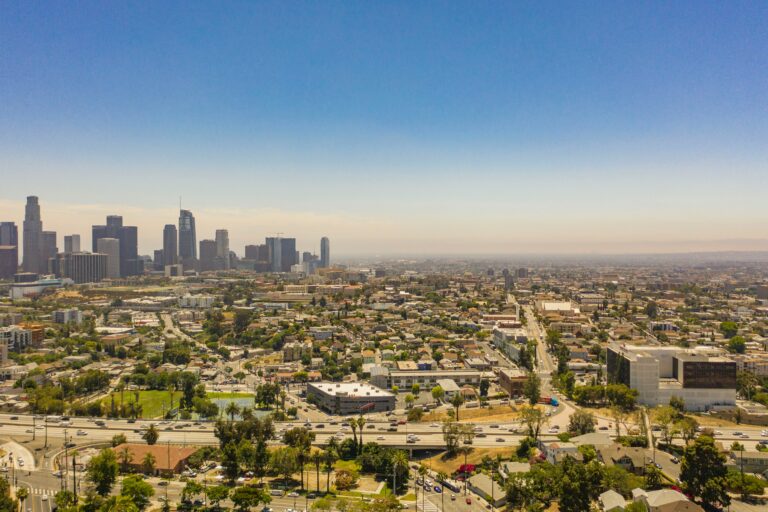
Selling a house or condo as-is in Downtown Los Angeles means something slightly different here than it does in a neighborhood of standalone houses. Most of what changes hands Downtown is a condo or a loft inside a converted building, and “as-is” often means an unfinished shell, deferred HOA maintenance, or a unit that has not been updated since a 1990s or early-2000s conversion, rather than a house with a bad roof. Cash Home Buyers CA buys Downtown property in its current condition, whatever that condition is, without asking you to fix, finish, or clean anything first.
What “As-Is” Actually Means Under California Law
An as-is sale does not remove your disclosure obligations. California still requires a Transfer Disclosure Statement and, in Los Angeles, the Department of Building and Safety’s 9A Report of Residential Property Records, regardless of whether the buyer is financing the purchase or paying cash. What as-is changes is the negotiation: instead of a buyer’s inspector generating a repair-credit list that both sides fight over for a week or two, you and the buyer agree upfront that the price reflects the property’s actual condition, and no repair negotiation follows the inspection period. We still walk the property, or review photos and documents when a walkthrough is not practical, but we do not come back afterward asking you to fix anything as a condition of closing.
The Specific Kinds of “As-Is” We See Downtown
- Raw or partially built-out loft shells. Several Historic Core and Arts District conversions sold units as unfinished shells decades ago, and some were never built out with a full kitchen or bathroom. A retail buyer’s lender cannot appraise an unfinished interior; we buy it as it sits.
- Original systems in pre-1978 conversions. A unit inside a converted early-1900s office or bank building may still carry original plumbing, wiring, or windows behind updated finishes, and a general inspection on one of these often surfaces issues a newer high-rise unit would not have.
- Deferred HOA maintenance. Common-area issues, an aging elevator, a roof or facade in need of work, are the association’s responsibility, not yours individually, but a building with a poor maintenance record can still make your unit harder to sell to a financed buyer even if your own unit is in perfect shape.
- Fire or water damage. Some older Downtown buildings have had localized fire or water incidents over the decades; we buy units that were affected without requiring a full remediation and repair first.
Why As-Is Sales Are More Common Downtown Than Elsewhere
Redfin’s August 2026 figures put the Downtown median sale price at about $469,000, with homes typically taking 166 days to sell and only 37 closing that month, prices down 14.5 percent from a year earlier. A soft, slow, thin market like this one gives owners of unfinished or dated units less leverage to hold out for a retail buyer willing to take on the work themselves, because there are simply fewer buyers shopping at any given time, and fewer of them are willing to gamble on financing a unit a lender’s appraiser cannot easily value. An as-is cash sale sidesteps that entirely: we do not need a lender’s sign-off on the unit’s condition or the building’s finances.
What You Do Not Have to Do Before Selling to Us
You do not need to finish an unbuilt kitchen or bathroom, repaint, replace flooring, clear out belongings, or address deferred items inside the unit. You do not need to resolve an HOA dispute or catch up delinquent dues before we make an offer, though any unpaid assessments will typically be settled out of your proceeds at closing rather than out of pocket beforehand. You do not need to stage the property or accommodate multiple showings; we typically need only one viewing or a thorough set of photos to put a number together. You also do not need to resolve a code violation, an unpermitted alteration inside the unit, or an open building permit before we can put an offer in front of you; we account for those in the number rather than requiring them closed out first, though anything recorded against the property does get addressed through escrow as part of clearing title.
For owners managing a unit from out of state, or who simply do not want to spend time coordinating contractors and inspectors for a property they are trying to exit, an as-is sale also removes the logistics problem entirely. You are not scheduling repair crews, meeting inspectors, or reviewing itemized repair-credit requests from a buyer’s agent. The transaction is priced once, at acceptance, based on the condition you describe and what we see in photos or a single walkthrough, and that number does not move because of anything an inspector finds afterward.
Costs an As-Is Sale Still Involves
An as-is sale does not remove the City of Los Angeles’s transfer tax of $4.50 per $1,000 of sale price, on top of the county’s $1.10 per $1,000, for a combined $5.60 per $1,000 customarily paid by the seller, or roughly $2,630 on a $469,000 sale. It also does not remove the requirement for the 9A Report of Residential Property Records and the retrofit certifications — a seismic gas shutoff valve, low-flow fixtures, smoke and carbon monoxide detectors, and a strapped water heater — before close. We order and manage all of that ourselves once escrow opens, rather than asking you to gather it before we will make an offer.
Where Your Unit Sits Changes What “As-Is” Looks Like
A raw shell in the Historic Core is a different as-is situation than a dated but finished unit in a South Park high-rise, which is different again from a small mixed-use building near Little Tokyo that was never placed into a condominium regime at all. We evaluate each of these on its own terms rather than applying one blanket condition discount, because the actual cost to bring a unit to market-ready varies enormously across Downtown’s building stock. Whether your situation also involves a property you inherited, a tenant in place, or a need to close quickly, the as-is condition of the unit itself is evaluated the same way. The same as-is principles apply across the rest of the city too; see our page on selling a house as-is in Los Angeles for the broader picture.
Why Financed Buyers Struggle With As-Is Downtown Property
A conventional or FHA loan requires an appraisal, and an appraiser working a Downtown condo has to value not just the unit but the building around it. A raw shell has no comparable finished sales inside the same building to draw on. A unit with visible deferred maintenance in common areas can lead an appraiser to flag the whole project, not just your unit, which can stall or kill financing for a buyer who otherwise wanted to purchase exactly as-is. Government-backed loans add another layer: FHA and VA financing require the entire condo project to carry an active approval, and a building with reserve or litigation issues can lose that approval, which removes an entire category of buyer from the table regardless of what your specific unit looks like. None of that applies to us, because we are not borrowing against the property.
This is also why as-is Downtown listings tend to sit longer than the district’s already-slow 166-day median. A seller who lists an unfinished shell or a unit in a financially troubled building is effectively waiting for a buyer willing to pay cash or accept unusual financing terms, and that buyer pool is much smaller than the pool of buyers shopping for a move-in-ready, fully approved unit.
How We Price an As-Is Downtown Property
We start from recent sales of comparable units, when they exist, and adjust for the specific work the unit needs, the building’s HOA financial standing, and how thin the comp set is for that particular building type. For a raw shell, that means pricing against finished units in the same or a similar building and subtracting a realistic build-out cost rather than guessing. For a unit with an HOA-related complication, we look at what a special assessment or litigation resolution is likely to cost the association and, indirectly, every unit owner, and price accordingly. We share how we arrived at a number so you can compare it against what a repaired, fully marketed listing might realistically net once commission, holding costs, and repair spending are subtracted.
Frequently Asked Questions
Do I still have to disclose known problems if I sell as-is?
Yes. California’s Transfer Disclosure Statement requirement applies to an as-is sale the same as any other. As-is changes the repair negotiation, not your disclosure obligation.
Will you buy a loft that was never finished inside?
Yes. Raw and partially built-out shells are common in several Historic Core and Arts District buildings, and we buy them in their current, unfinished state.
What if my HOA has deferred maintenance or a bad reputation?
That does not stop us from buying your specific unit. We evaluate the building’s condition as part of the offer rather than declining outright.
Do I need to clear out my belongings before you make an offer?
No. You can leave items behind; we handle disposal as part of the purchase.
Is an as-is cash offer lower than a repaired, listed price?
Typically, yes, since it reflects current condition rather than a fully repaired, market-ready state. In exchange, there is no repair spending, no staging, and no risk of a financed buyer walking away after an inspection.
To get a firm, no-obligation cash offer on your Downtown Los Angeles property exactly as it sits today, call or text (424) 493-4424, or reach out to Cash Home Buyers CA online.
Seller Guides
Helpful guides for homeowners in Downtown Los Angeles
Plain-English answers to the questions sellers ask us most.
 Selling as-is
As-Is Home Sale Disclosure Rules in North El Monte, CA
North El Monte isn't the City of El Monte. As-is disclosure duties are the same statewide, but its permit records run through LA County, not a city hall.
Read the guide →- Selling as-is
As-Is Doesn’t Skip Disclosure in Valley Glen — And the City Adds One More Step
Valley Glen sellers must meet California's as-is disclosure laws plus one extra City of LA requirement that many nearby unincorporated areas never face.
Read the guide → - Selling as-is
As-Is Disclosure Rules for Westlake Village, CA Home Sellers
Selling as-is in Westlake Village still requires California's TDS and NHD disclosures, plus HOA rules this small LA County lake city adds on top.
Read the guide → - Selling as-is
Selling a House With Code Violations in California
You can sell a California house with code violations without fixing them first, but disclosure is required and unpaid abatement costs can be a lien.
Read the guide → - Selling as-is
California’s Natural Hazard Disclosure Statement: What Sellers Must Provide
California sellers must disclose six hazard zones on a Natural Hazard Disclosure Statement. As-is and cash sales are not exempt from this requirement.
Read the guide → - Selling as-is
Selling a House on the California FAIR Plan: What Changes at Escrow
A bare California FAIR Plan policy often won't satisfy a buyer's mortgage lender. Here's what changes at escrow and how a DIC policy fills the gap.
Read the guide → - Selling as-is
Do You Still Have to Disclose Selling As-Is in CA?
Selling as-is in California doesn't waive your disclosure duty. See exactly which sales are TDS-exempt and which still require full disclosure.
Read the guide → - Selling as-is
Adverse Possession in California: Why These Claims Are So Rare
California adverse possession requires 5 years of possession plus paying the property taxes the whole time. Here's why that requirement kills most claims.
Read the guide → - Selling as-is
Selling a House As-Is in Los Angeles: What the City Still Requires
As-is sales in LA still require the city's Residential Property Report and point-of-sale compliance items. Here's what as-is does and doesn't waive.
Read the guide →