Sell Your House As Is in Atwater Village, CA
- Foreclosure, inherited, tenants, damage — we buy it
- Zero fees, zero commissions, zero closing costs
- No obligation — turn the offer down and owe us nothing


Fast, Fair, and Reliable Offers
Skip the repairs, the cleanout and the contractor bids: get a written cash offer for your Atwater Village house exactly as it stands.
Sell Your House As Is in Atwater Village Without Fixing a Thing
When owners ask whether they can sell a house as is in Atwater Village, they are usually looking at a list of repairs that would cost more time and money than they want to spend. That is common in a neighborhood where a large share of the houses were built before 1939. Original wiring, galvanized supply lines, clay sewer laterals, raised foundations that have settled on the flat soil of the old Los Angeles River floodplain, windows that no longer open, roofs near the end of their life: any one of these can turn a listing into months of bids and negotiations. Selling as is means the buyer takes the property in its current condition, and you do not do the work first.
This page explains what as-is really changes, what it does not change under California law, and how a cash sale handles a fixer upper in this part of the City of Los Angeles, from the streets near the river to the blocks just south of the Ventura Freeway.
A Quick Look at the Local Market
Redfin’s August 2026 data shows the median sale price in Atwater Village at about $1.4 million over the prior three months, up 5.4 percent year over year. Redfin reported 21 homes sold in that window, 14.0 percent fewer than a year earlier, with a median of 47 days on market versus 30 days the prior year. Well-kept, renovated homes are what tend to set those medians. A house that needs repairs competes against those renovated homes for the same financed buyers, and it is often the one that sits, collects inspection requests, or falls out of escrow when an appraisal comes in low.
As-Is Cash Sale vs. Repair and List
| Item | As-is cash sale | Repair, then list |
|---|---|---|
| Timeline | Written offer usually within 24 hours; clear-title closings can often happen in about two to three weeks | Contractor scheduling and permits first, then marketing, then financed buyers usually need 30-45 days |
| Repairs | None; the house is bought in its present condition | You fund the work, and buyers may still request more after inspection |
| Showings | One walkthrough | Staging, photos and repeated showings |
| Commissions | No fees or commissions | Agent commissions often total around 5-6% combined |
| Closing costs | Set out in the written offer | Seller typically pays transfer taxes and a share of escrow and title, and may give credits |
| Certainty | No appraisal or loan contingency | Lenders may require repairs before funding, which can delay or cancel the sale |
What As Is Changes, and What It Does Not
Selling as is removes the obligation to repair. It does not remove the obligation to be honest about what you know. In California, a seller generally still provides the Transfer Disclosure Statement, which lists known conditions of the property, and the Natural Hazard Disclosure, which covers mapped hazards such as flood and seismic zones. Some probate and trust sales are exempt from the Transfer Disclosure Statement, but the hazard disclosure usually still applies. If you inherited the house and have never lived in it, you disclose what you actually know, and it is fine to say you do not know.
For homes near the river, buyers sometimes ask about flood zone status. That depends on the individual parcel and is typically addressed in the Natural Hazard Disclosure report that escrow orders. It does not stop an as-is sale.
City of Los Angeles items that still apply
- 9A report. The city generally expects the seller to provide the Report of Residential Property Records from the Department of Building and Safety. It can surface permit history, including any unpermitted additions, which a cash buyer can take into account rather than asking you to legalize them.
- Retrofit certifications. City sales typically require a seismic gas shutoff valve, water-conserving fixtures, and smoke and carbon monoxide detectors. How these are handled on an as-is sale should be written into the agreement.
- Transfer taxes. The city’s $4.50 per $1,000 transfer tax and the county’s $1.10 per $1,000 generally apply, and higher-priced sales may also fall under Measure ULA. Escrow can estimate the total before you sign.
Our Three-Step As-Is Process
1. Tell us about the house
Call or text 424-493-4424 or use the form at the top of this page. Describe what you know about the condition, even roughly. There is no need to get inspections or bids.
2. One walkthrough, then a written offer
We look at the house as it is, including the parts you would rather nobody saw, and send a written cash offer, usually within 24 hours. We can buy your house directly or bring in a vetted cash buyer from our network; either way you get one written offer, proof of funds, a neutral escrow company, a clear closing date, and no fees or commissions.
3. Close through escrow on your timeline
A neutral escrow company holds the deposit and coordinates title, disclosures and city paperwork. You pick the closing date.
Sell a House As Is in Atwater Village: Fixer Upper Conditions We Buy
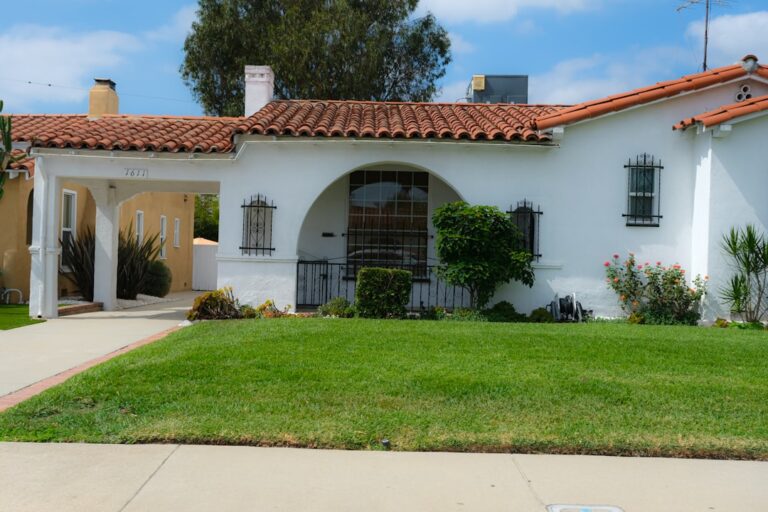
The neighborhood’s housing is mostly early 20th century single-family homes, many from the decades after the 1902 subdivision, plus small rental buildings. We regularly look at properties with:
- Knob and tube or other original wiring, undersized electrical panels
- Galvanized or cast iron plumbing, failing sewer laterals
- Settled or cracked foundations, sloping floors, sticking doors
- Roof leaks, water stains, mold, termite damage
- Unpermitted garage conversions, rear additions or enclosed porches
- Houses full of belongings that need a complete cleanout
- Fire or water damage, or long-vacant homes with deferred maintenance
If the house also has a tenant, an estate or a deadline attached, the pages for selling an inherited house in Atwater Village and our main neighborhood page explain how those situations fit together with an as-is sale.
What Happens at an As-Is Walkthrough
The walkthrough is not an inspection, and you do not need to prepare for it. Expect it to take somewhere around half an hour to an hour, depending on the size of the house and whether there is a garage, a rear unit or a basement to see. We look at the major systems that drive cost: the roof, the foundation and crawlspace, the electrical panel and visible wiring, the plumbing and water heater, and signs of water intrusion. We also note layout, lot size and any additions, because those affect value as much as condition does.
You are welcome to point out what you know, such as a leak that was patched years ago or a room that was added without a permit, but there is no need to explain or apologize for anything. If the house is occupied by a tenant or packed with belongings, the walkthrough can be arranged around that. If you live out of town, a relative, neighbor or property manager can let us in.
How condition shows up in the offer
A cash offer on a house that needs work generally starts from what similar nearby homes have sold for after renovation, then accounts for the cost and time of the work, holding costs during construction, and the resale expenses on the other end. The written offer will show the price and the terms. If you want to understand how a number was reached, ask. A clear explanation is part of a fair process, and it lets you compare the offer against your own estimates or against a listing agent’s opinion of value.
Condition problems that come up after the walkthrough, such as a sewer lateral that turns out to be worse than expected, are the buyer’s concern in an as-is sale. The written agreement should state clearly that the buyer is accepting the property in its present condition, so there is no renegotiation later over items that were visible or reasonably expected in a house of that age.
Should You Repair First? Running the Numbers
Some repairs pay for themselves; many do not, especially when the seller is covering the full cost, the carrying costs during the work, and the risk that an inspection uncovers more. Before deciding, compare three figures: the as-is cash offer, a realistic listing price after repairs, and the total you would spend to get there, including permits, contractor time, property taxes, insurance and utilities while the house sits, plus commissions and concessions. On a pre-1939 house, opening one wall often reveals the next project. If the gap between the cash offer and the repaired net is small, the certainty and time saved often favor selling as is. If the gap is large and you have the time and funds, repairing and listing may be worth it, and a straightforward buyer will tell you so.
You also do not need to clean. Leave furniture, tools, paint cans and boxes in the garage. The written offer spells out what stays and how it is handled, so the final walkthrough is simple.
Frequently Asked Questions
Can I really sell a house as is in Atwater Village with major problems?
Yes. Foundation issues, old wiring, roof leaks, unpermitted work and full cleanouts are all things a cash buyer can price in. You do not need to fix or clean anything before closing.
Do I still have to fill out disclosures if I sell as is?
Generally yes. California sellers usually still provide the Transfer Disclosure Statement and the Natural Hazard Disclosure. Some probate and trust sales are exempt from the Transfer Disclosure Statement. You disclose what you know.
What happens with unpermitted additions or garage conversions?
The city’s 9A report may show permit history. A cash buyer can account for unpermitted work in the offer instead of asking you to legalize or remove it before the sale.
Will a house near the river be a problem?
Flood zone status is checked parcel by parcel, usually through the Natural Hazard Disclosure report. It is disclosed to the buyer but does not prevent an as-is cash sale.
Should I get inspections or contractor bids first?
No. We look at the house during one walkthrough and make a written offer based on its current condition. Existing reports are welcome but not required.
How fast can an as-is sale close?
A written offer usually arrives within 24 hours. With clear title, a cash sale can often close in about two to three weeks, or on a later date you choose.
Are there fees for selling as is to you?
No fees or commissions. Normal seller items like transfer taxes and your share of escrow and title are shown in the written offer so you can see your net before you sign.
Ready to sell without a single repair? Call or text 424-493-4424 or use the form above for a written as-is cash offer on your Atwater Village house, with no fees or commissions and no obligation.
Selling a house in Atwater Village: what to know
A few local details that shape timing and net proceeds when you sell in Atwater Village.
County & probate court
Atwater Village is a City of Los Angeles neighborhood in Los Angeles County. Probate and trust matters for Atwater Village properties are heard by the Superior Court for Los Angeles County, and deeds are recorded with the Los Angeles County Recorder.
Transfer tax
Los Angeles County charges a documentary transfer tax of $1.10 per $1,000 of the sale price. The City of Los Angeles adds $4.50 per $1,000, and Measure ULA adds 4% on sales above roughly $5 million (5.5% above roughly $10 million). When you sell to us, we pay the standard closing costs.
Tenant & rent rules
Rental homes in Atwater Village can fall under the Los Angeles Rent Stabilization Ordinance (RSO), which limits rent increases and requires just cause for most evictions, in addition to the statewide Tenant Protection Act (AB 1482). We buy tenant-occupied homes and take over the leases at closing.
Nearby cities we buy in
Seller Guides
Helpful guides for homeowners in Atwater Village
Plain-English answers to the questions sellers ask us most.
 Selling as-is
As-Is Disclosure Rules for a Tropico, CA Home
Selling a house as-is near Tropico in Glendale? See California's TDS disclosure rules and why Tropico hasn't been its own separate city since 1918.
Read the guide →- Selling as-is
As-Is Home Sale Disclosure Rules in North El Monte, CA
North El Monte isn't the City of El Monte. As-is disclosure duties are the same statewide, but its permit records run through LA County, not a city hall.
Read the guide → - Selling as-is
As-Is Doesn’t Skip Disclosure in Valley Glen — And the City Adds One More Step
Valley Glen sellers must meet California's as-is disclosure laws plus one extra City of LA requirement that many nearby unincorporated areas never face.
Read the guide → - Selling as-is
As-Is Disclosure Rules for Westlake Village, CA Home Sellers
Selling as-is in Westlake Village still requires California's TDS and NHD disclosures, plus HOA rules this small LA County lake city adds on top.
Read the guide → - Selling as-is
Selling a House With Code Violations in California
You can sell a California house with code violations without fixing them first, but disclosure is required and unpaid abatement costs can be a lien.
Read the guide → - Selling as-is
California’s Natural Hazard Disclosure Statement: What Sellers Must Provide
California sellers must disclose six hazard zones on a Natural Hazard Disclosure Statement. As-is and cash sales are not exempt from this requirement.
Read the guide → - Selling as-is
Selling a House on the California FAIR Plan: What Changes at Escrow
A bare California FAIR Plan policy often won't satisfy a buyer's mortgage lender. Here's what changes at escrow and how a DIC policy fills the gap.
Read the guide → - Selling as-is
Do You Still Have to Disclose Selling As-Is in CA?
Selling as-is in California doesn't waive your disclosure duty. See exactly which sales are TDS-exempt and which still require full disclosure.
Read the guide → - Selling as-is
Selling a House As-Is in Los Angeles: What the City Still Requires
As-is sales in LA still require the city's Residential Property Report and point-of-sale compliance items. Here's what as-is does and doesn't waive.
Read the guide →