
The Soft-Story Retrofit Status Every Multifamily Seller in Los Angeles Must Check First
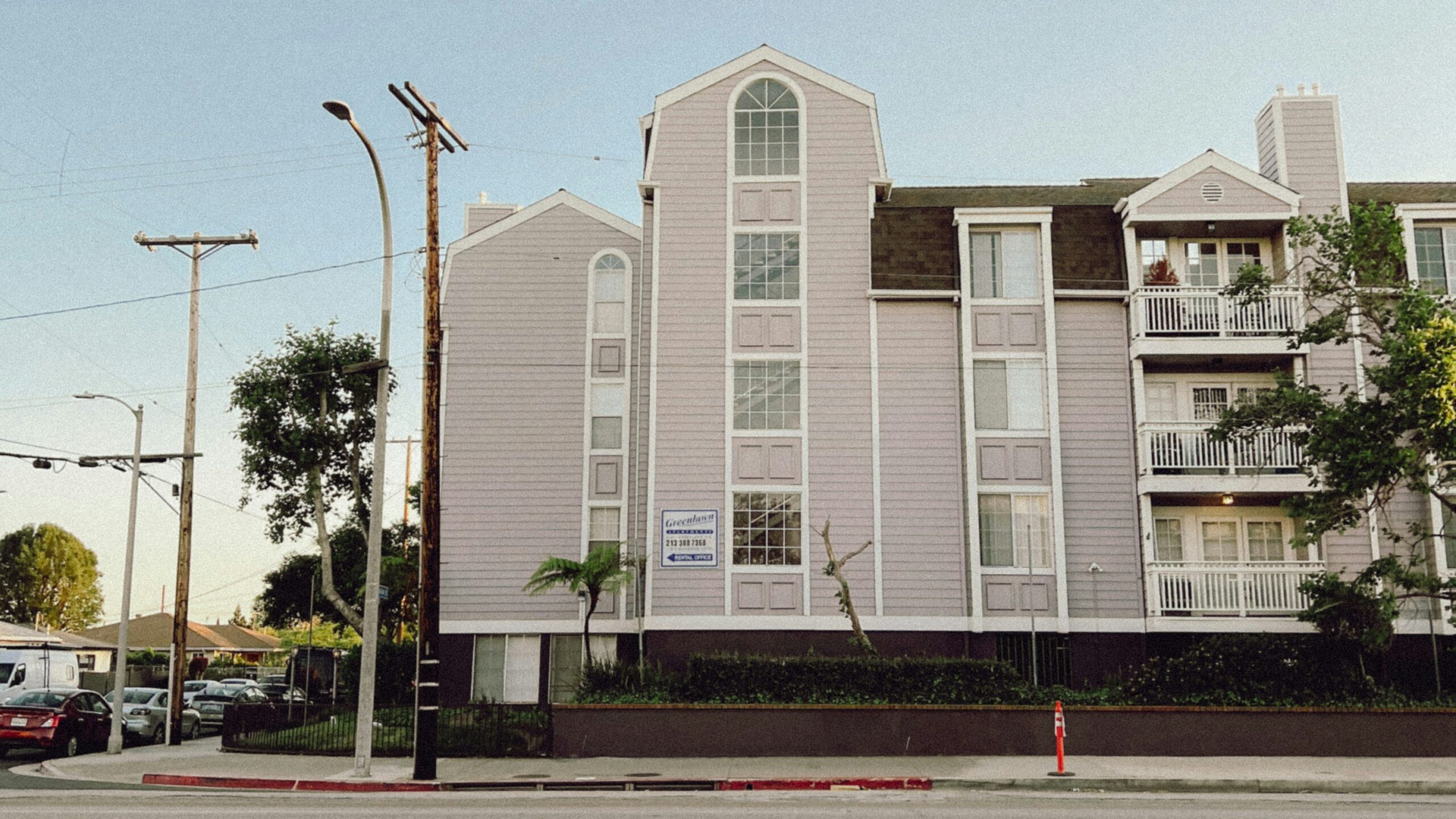
If you own a small apartment building in Los Angeles built before 1978 with parking or open space under the first floor, the city almost certainly mailed you a retrofit order between 2016 and 2017 — and the compliance deadlines attached to that order have, for most buildings, already passed.
Before you list a soft-story building for sale, or buy one, the single most important document isn’t the appraisal. It’s proof of where that building actually stands under Ordinance 183893, the Mandatory Soft-Story Retrofit Program.
A buyer’s lender will ask for it, a buyer’s inspector will ask for it, and if the answer is “we never finished,” that becomes a negotiating point that can cost far more than the retrofit itself would have.
For the city’s rent-registry and buyout obligations that often travel alongside a soft-story building, see why LA RSO registration must be current before you sell.
What Actually Makes a Building “Soft-Story” Under the Ordinance
Ordinance 183893 targets a specific, identifiable type of building: wood-frame construction with two or more stories, built under codes in effect before January 1, 1978, that has ground-floor parking, retail space, or another open area that leaves the front or ground level without the wall bracing the floors above it rely on.
Engineers call this a “weak line,” and it’s exactly the configuration that failed catastrophically in several past California earthquakes — the upper floors essentially pancake down because the ground floor can’t resist lateral movement.
Single-family homes, duplexes, and triplexes are excluded entirely; the ordinance applies to multi-unit residential and mixed-use buildings with four or more units, along with commercial and condo buildings that share the same structural profile.
If your property doesn’t fit that description — most single-family houses and small duplexes don’t — none of this applies to you, and you can stop reading here.
If you’re not sure whether your building qualifies, don’t rely on guesswork about its age or configuration; the city’s own inventory, built from permit and assessor records when the program launched, is the only reliable source, and it’s worth checking even if you’re confident the building was built after 1978, since older additions and conversions sometimes retain pre-1978 structural elements that still trigger the ordinance.
The Three Compliance Priorities and Their Deadlines
The Los Angeles Department of Building and Safety sorted every identified soft-story building into one of three priority groups and mailed each owner an Order to Comply on a staggered schedule based on building size:
- Priority I — 16 or more units: orders mailed starting May 2, 2016 for buildings of 3 or more stories, and July 22, 2016 for 2-story buildings
- Priority II — 3 or more stories with fewer than 16 units: orders mailed starting October 17, 2016
- Priority III — smaller buildings and mixed use: 9–15 units starting July 24, 2017; 7–8 units starting August 21, 2017; 4–6 units starting September 25, 2017; condominiums and commercial buildings starting November 6, 2017
- Request the Soft-Story Compliance Report for the specific address — a document LADBS publishes identifying whether a given parcel was flagged and what its current status is
- Call the Soft-Story Retrofit Unit directly at (213) 482-SOFT (7638) or (213) 202-9924, or email Soft-Storyretrofit@lacity.org, to ask about a specific address or an existing Order to Comply
- For a formal records request — useful for a pending sale where a title company or lender wants documentation in writing — contact the LADBS Custodian of Records at (213) 482-6770 or LADBS.custodianofrecords@lacity.org
From the date an owner received their specific Order to Comply, the ordinance set three hard deadlines: two years to submit proof of a prior retrofit or submit retrofit (or demolition) plans, three and a half years to obtain a building permit and begin construction, and seven years to complete construction entirely.
Run those numbers forward from the mailing dates above and the math is sobering for anyone searching this topic in 2026: even a Priority III building that received its order in late 2017 had a seven-year construction deadline that landed around late 2024.
If a building hasn’t completed its retrofit by now, it isn’t behind schedule — it’s already past every deadline the city set.
Why Los Angeles Created This Program
Soft-story collapse isn’t a theoretical risk engineers invented for this ordinance.
Earlier Southern California earthquakes, including the 1994 Northridge earthquake, repeatedly demonstrated that exactly this building type — open ground-floor parking under multiple stories of wood-frame apartments — is disproportionately likely to collapse or be rendered uninhabitable in a strong quake, even when the upper floors themselves are otherwise sound.
Los Angeles identified roughly 13,500 buildings citywide that fit the soft-story profile when it passed Ordinance 183893 in 2015, making it one of the largest mandatory seismic retrofit programs any American city has run, well ahead of the kind of major earthquake the program is explicitly designed to get ahead of rather than respond to after the fact.
What the Retrofit Itself Typically Involves
A soft-story retrofit is a structural engineering project, not a cosmetic fix.
A qualified structural engineer evaluates the building and designs a strengthening system for the weak ground-floor line — typically steel moment frames, new or reinforced shear walls, or a combination, installed around the parking or open area without eliminating the parking itself where that’s feasible.
The owner then submits plans through LADBS plan check, pulls a permit, and a qualified contractor performs the construction under inspection, culminating in a final inspection that closes out the permit.
Only a completed, finaled permit — not just a signed engineering report, and not just a contract with a contractor — satisfies the ordinance.
An owner who hired an engineer and got plans approved but never pulled a permit or started construction is still out of compliance, regardless of how much money and time went into the planning stage — a half-finished paper trail like that still leaves a buyer’s lender looking at an open order, not a closed one.
What Happens If the Building Was Never Brought Into Compliance
The program’s public materials describe the risk in structural terms — an unretrofitted soft-story building “may be subjected to structural failure during and/or after an earthquake” — rather than spelling out a specific fine schedule on the consumer-facing pages.
In practice, a building that misses its deadlines moves into LADBS code enforcement, which can mean recorded code violations against the property, escalating penalties, and, in a worst case, orders affecting occupancy. For a seller, the more immediate and certain consequence isn’t a fine at all — it’s disclosure.
California’s general duty to disclose known material facts about a property’s condition applies to known code violations and known structural risk, and a soft-story building with an open compliance order is both.
Buyers, their lenders, and their inspectors are increasingly likely to ask about it directly, and a seller who doesn’t volunteer the information can face real exposure after closing if it surfaces later.
How to Actually Check a Building’s Status Before You List
Don’t guess, and don’t rely on a prior owner’s word that “it’s handled.” LADBS maintains the authoritative record, and there are three practical paths to get a definitive answer:
Pull permit history for the property as well. If a retrofit permit was issued and finaled, that’s the strongest evidence of completion, and it should be verifiable through the city’s own permit records in addition to anything LADBS tells you directly over the phone.
Do this before you sign a listing agreement, not after you’re already in escrow.
A buyer’s lender will almost always require a soft-story status letter for a multi-unit building in Los Angeles as part of underwriting, and if that letter comes back showing an open order, it can delay or derail financing at exactly the point in the transaction where delays are most expensive.
Getting ahead of it — knowing the answer and having the documentation ready before a buyer asks — keeps you in control of how that conversation goes instead of reacting to a lender’s conditions mid-escrow.
Disclosure Duties When You Sell a Non-Compliant Building
If your building received an Order to Comply and the retrofit isn’t finished, that status belongs on your Transfer Disclosure Statement and in anything you tell a buyer directly, not left for them to discover during their own due diligence.
An open soft-story order is exactly the kind of fact that materially affects value and desirability — it can affect insurability, financing, and the buyer’s own future capital expenditure — which is the legal test for what has to be disclosed under California’s real estate disclosure law.
Sellers sometimes assume that because the deadline has passed without enforcement showing up yet, the issue has somehow resolved itself. It hasn’t. The order stays open until the retrofit is actually completed and finaled, however many years go by.
What This Means If You’re a Small Owner, Not an Institutional One
Soft-story retrofits on a fourplex or a 12-unit building are not small projects.
Depending on the building’s configuration, a seismic engineer typically needs to design steel moment frames or shear walls at the ground floor, and construction costs for even a modest building can run into six figures once design, permitting, and actual construction are included — money many small landlords simply don’t have sitting in reserve, especially after several years of capped rent increases under state and local rent control.
That financial reality is a big part of why so many Priority III buildings — the smaller ones, owned disproportionately by individuals rather than institutions — are the ones most likely to still be out of compliance years after their deadlines passed.
Citywide compliance tracking several years into the program showed a meaningful share of identified buildings still hadn’t completed construction, and smaller buildings consistently lagged behind the larger Priority I buildings that institutional owners controlled.
If that’s your situation, you are not alone, and it doesn’t mean you have no options for selling — it means you need accurate information about where the building stands before you decide how to sell it.
Financing the retrofit itself is also harder than it sounds for an individual owner.
Some buildings qualify for pass-through provisions that let an owner recover a portion of retrofit costs from tenants over time within rent-control limits, but that process has its own notice requirements and caps, and it doesn’t solve the upfront cash-flow problem of paying a contractor before any cost recovery begins.
An owner weighing a loan against the building to fund the work should factor in that the building’s seismic status itself can affect the terms a lender offers, creating a circular problem: the retrofit is hard to finance precisely because the building isn’t retrofitted yet.
How This Interacts With Rent Control and Tenant Protections
A soft-story retrofit on an occupied building usually means temporary tenant relocation or at least significant disruption during construction, which runs headfirst into the city’s rent stabilization and tenant protection rules.
An owner planning or completing a retrofit on a rent-stabilized building should understand what REAP exposure and relocation obligations look like before starting construction — see what REAP actually means for a Los Angeles landlord trying to sell — because a retrofit that triggers tenant relocation without following the correct notice and payment process can create its own separate liability on top of the structural compliance issue.
If tenants have already been bought out or relocated as part of addressing the building, the paperwork trail for that process matters just as much to a buyer as the engineering report; see the LAHD filing deadline landlords miss on a tenant buyout for what that trail needs to include.
Even temporary relocation during construction — tenants moved out for a few weeks while shoring and framing work happens around their units — can trigger relocation payment obligations under the city’s rent stabilization rules if it goes on long enough or displaces someone from their unit for any length of time.
An owner who assumed a quick retrofit wouldn’t count as a “temporary relocation” under the ordinance has sometimes found out otherwise only after a tenant files a complaint, which is one more reason to involve a landlord-tenant attorney before scheduling construction on an occupied building rather than after work has started.
When a Cash Sale Is the Wrong Move for a Soft-Story Building
If your building has already completed and finaled its retrofit, that compliance is an asset — it should be marketed as such, and a conventional sale through an agent, with the compliance documentation ready for buyer due diligence, will likely get you a stronger price than a quick cash sale would.
A cash sale makes more sense when the retrofit is incomplete, the cost to finish it is more than you want to carry, tenants are in place and complicate construction timing, or you simply want out of a structural and regulatory problem that an institutional buyer or a family purchaser would need months of inspection and negotiation to get comfortable with.
We buy buildings in exactly that condition — retrofit incomplete, title complicated, tenants in place — and we factor the retrofit cost into our offer rather than asking you to finish it first.
We can’t walk through our internal offer formula, but we will tell you plainly what an unfinished retrofit does to typical market value so you can compare that against any other offer honestly.
Soft-story compliance is one of the few property issues in Los Angeles with a real, dated paper trail behind it, which means it’s also one of the few issues a seller can get a definitive answer on before listing rather than guessing.
If you own a multi-unit building anywhere in Los Angeles and aren’t sure where it stands, Cash Home Buyers CA can make you a no-obligation cash offer whether the retrofit is finished, in progress, or hasn’t started, and when you sell to us, we pay the standard closing costs, including the county and city transfer taxes, escrow and title.
See how we work with owners specifically in selling a rental property in Los Angeles, or find Cash Home Buyers CA directly on our Google Business Profile. Call (424) 435-2326 and tell us where your building stands — we’ve worked with buildings at every stage of this process.