
LA Rent Caps in 2026: Should Small Landlords Hold or Sell?
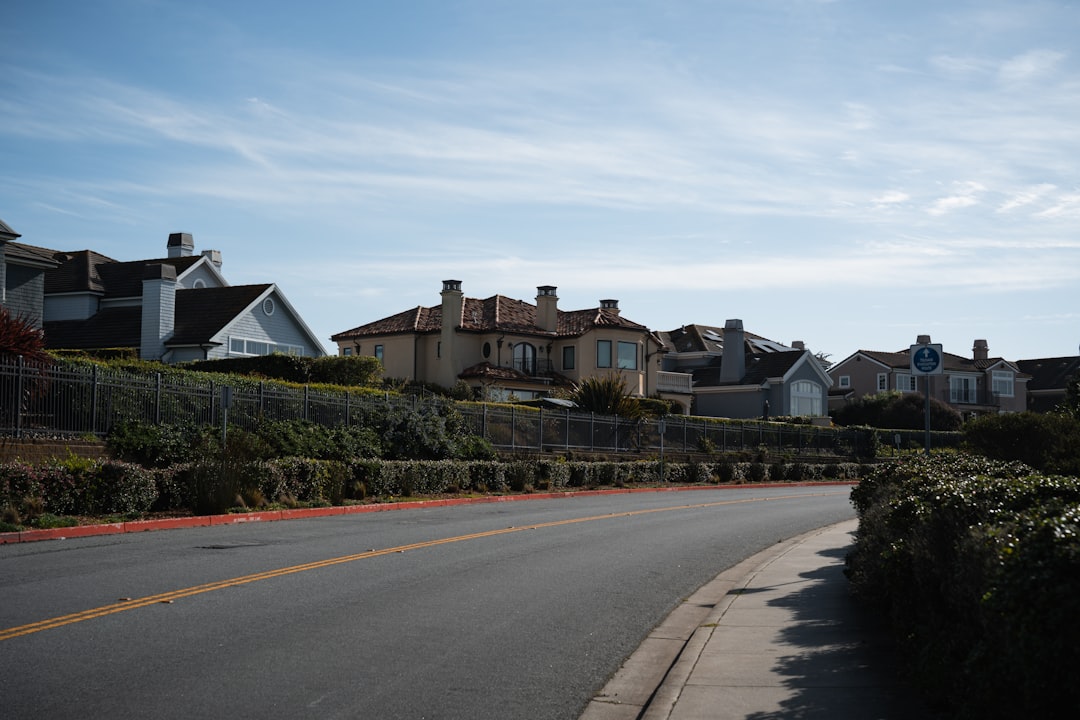
If you own a few rental units in Los Angeles, the last several years have probably felt like a slow squeeze. Rent increases are capped in the low single digits while insurance, taxes, repairs, and compliance costs climb at their own pace. A lot of small landlords are quietly asking the same question: is it still worth holding?
Where the Caps Sit Right Now
- City of LA RSO: 3% annual increase. The RSO formula changed in February 2026 to 90% of CPI within a 1-4% band, and LAHD has set the allowable increase at 3%.
- LA County RSTPO: most units capped at 1.93%, up to 3.93% for qualifying luxury units.
- AB 1482 (most non-RSO units): 5% plus regional CPI, capped at 10% — currently 8.7% for the LA metro area.
Note also that the City of LA eliminated the 1% utility adder and the 10% dependent adder in February 2026, removing two mechanisms owners previously used to close the gap.
The Math Problem
A 3% increase on a unit renting at $1,400 is $42 a month. If your insurance premium rose several hundred dollars annually, a plumbing repair ran four figures, and your property tax assessment went up, that $42 does not close the gap. Owners who bought decades ago with substantial equity can absorb this. Owners who bought more recently, or who are carrying deferred maintenance, often cannot.
Reasons to Hold
- You have a low fixed-rate mortgage that would be expensive to replace
- Long-term LA land appreciation has historically outpaced the operating drag
- Selling triggers capital gains and depreciation recapture — the tax bill on a long-held property can be substantial
- A 1031 exchange can defer that if you want to stay invested in real estate elsewhere
Reasons to Sell
- The property is cash-flow negative and the gap is widening rather than closing
- Major capital expenses are due — roof, plumbing, electrical, seismic retrofit — that you would rather not fund
- You are approaching retirement and want the equity working differently
- Self-managing has become a burden and professional management would erase what margin remains
- The regulatory direction concerns you and you would rather exit than keep adapting
Run the Numbers Before You Decide
This decision deserves actual arithmetic, not a gut call. Sit down with a CPA and calculate your true annual net after every expense, your tax exposure on a sale, and what the after-tax proceeds could reasonably earn elsewhere. For some owners the honest answer is hold. For others the property has been quietly losing money for years.
If you do sell, factor in Measure ULA transfer tax if your sale price crosses the current thresholds — it applies to the full price, not just the excess, and it is a meaningful line item.
This article is general information and not tax, legal, or investment advice; your situation depends on facts only your own advisors can assess. If part of your analysis is knowing what a fast, as-is, tenant-occupied sale would look like, Cash Home Buyers CA can give you that number with no obligation so you have something concrete to compare against.