
Mello-Roos Taxes and Your San Diego County Home Sale: What the Disclosure Law Requires
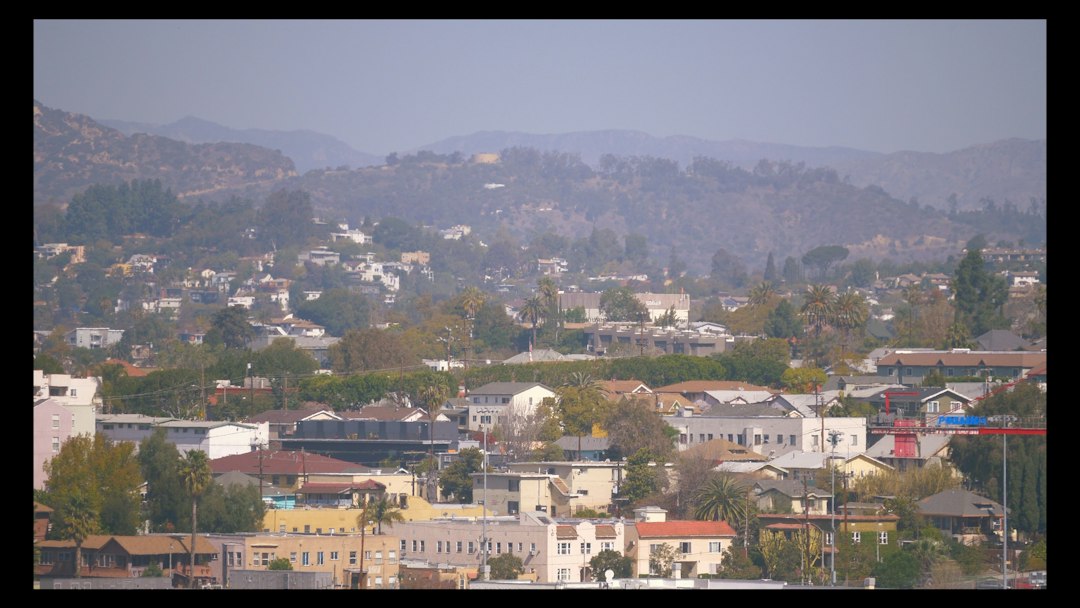
A Mello-Roos tax does not get paid off when you sell a San Diego County home. It transfers with the property to whoever buys it, and California Civil Code section 1102.6b requires you to tell the buyer that, in writing, before the sale closes.
If the house sits inside a Community Facilities District (CFD) — which is common across the county’s master-planned neighborhoods — skipping that disclosure is not a paperwork shortcut, it is a real liability that can follow the seller after escrow closes.
San Diego County has an unusually dense concentration of these districts because so much of its newer housing stock was built the same way: a developer forms a CFD, the district issues bonds to pay for roads, schools, fire stations and parks before a single house is occupied, and the homeowners who move in repay those bonds through an annual special tax on their property tax bill.
Communities like Otay Ranch in Chula Vista, 4S Ranch and Black Mountain Ranch in the City of San Diego, and San Elijo Hills in San Marcos were all built substantially on this financing model.
If you own in one of these areas, or anywhere built in the county since the 1990s, there is a real chance a CFD special tax is sitting on your bill right now, and an even better chance that whoever buys your house will want to know about it before they sign anything.
Why San Diego County Has So Many of These Districts
Proposition 13 capped how fast a property’s assessed value, and the general tax built on it, could grow each year.
That left cities, counties and school districts with a problem: a wave of new master-planned communities needed roads, sewer lines, schools and fire protection built before anyone moved in, and the capped general property tax could not fund it fast enough.
The state’s answer was the Mello-Roos Community Facilities Act of 1982, codified at Government Code section 53311 and following, which lets a public agency form a Community Facilities District, issue bonds against future tax revenue, and levy an annual special tax on every parcel inside the district to repay those bonds or fund ongoing services.
San Diego County’s growth pattern made it a heavy user of this tool. Large swaths of the South Bay, North County and the City of San Diego’s northern communities were built out from raw land in the 1990s and 2000s, almost entirely under this financing structure.
The City of San Diego’s own debt management records confirm, for example, that Community Facilities District No. 4 covers the Black Mountain Ranch Villages, financed through bonds first issued in 2008 and still administered today.
Otay Ranch in Chula Vista, 4S Ranch, and San Elijo Hills in San Marcos followed a similar pattern under their own separate districts.
It is difficult to find a newer planned community in the county that was not financed, at least in part, this way — which is exactly why the disclosure law matters more here than in older, built-out parts of the state.
Part of why the Act spread so quickly through San Diego County’s growth corridors is that a Community Facilities District can do more than fund the original construction.
The same mechanism can pay for ongoing services — open space and park maintenance, fire protection staffing, flood control upkeep — not just the one-time cost of building the infrastructure, which is a meaningful difference from an older-style special assessment that ends once a defined improvement is paid off.
A services-funding CFD can keep levying its tax indefinitely, which is one more reason it does not simply disappear after a few years the way some sellers assume.
What a Mello-Roos Tax Actually Is — And Isn’t
The most common misunderstanding sellers bring to this is treating Mello-Roos like a one-time assessment that gets settled and closed out, similar to a special assessment lien that escrow pays off at closing. It isn’t.
A Mello-Roos levy is a recurring special tax, re-imposed every year the district remains active, and it is set under a formula called the Rate and Method of Apportionment that the district adopted when it was created.
That formula is usually based on the type and size of the structure or the parcel, not on the home’s assessed value, which is why two neighboring houses of different ages and different Proposition 13 assessed values can owe very similar Mello-Roos amounts.
Because it is a special tax tied to the land rather than a one-time charge tied to a transaction, a sale does not retire it. The lien that secures a CFD special tax survives a change of ownership.
What changes is who owes next year’s installment — the buyer does, from the date they take title forward, with the current year’s installment typically prorated between buyer and seller at closing the same way the general property tax is prorated.
The special tax itself keeps running against the parcel until the bonds it secures are repaid or the district’s governing body otherwise terminates it, which is often a matter of decades rather than years.
Some older San Diego County CFDs have reached that point and been retired; many formed in the 1990s and 2000s have not, and will not for years to come.
It is also common for a single San Diego County parcel to carry more than one of these special taxes at once.
A home can sit inside a city or county infrastructure CFD and, separately, inside a school district’s own CFD formed to fund new classrooms for the same growth that built the neighborhood around it.
Each district levies and reports its tax independently, so a buyer has to check every line on the bill, not just the most familiar one. Mentioning “the Mello-Roos” in conversation does not satisfy a written disclosure — if more than one district applies, each belongs in it.
How a San Diego County Seller Actually Finds Out
Plenty of owners genuinely do not know their home sits inside a CFD, especially if they bought as a resale rather than from the original builder, or if the line item on their tax bill was never explained to them. A few concrete ways to check before you list:
- Pull your current secured property tax bill and look past the general 1% levy. Mello-Roos and other CFD special taxes appear as separate line items, usually under a heading for direct levies or special assessments, often labeled with the district’s name or number.
- Use the San Diego County Treasurer-Tax Collector’s special assessments lookup, which lets you enter your ten-digit secured tax parcel number — found in the middle of your tax bill — and returns a full breakdown of every special assessment on the parcel, including any Mello-Roos or CFD charge.
- Check the County Assessor’s dedicated Mello-Roos information page, which explains how these districts are recorded against a parcel and who to contact with questions about a specific one.
- Ask your title or escrow company to pull a preliminary title report early. A recorded CFD lien or notice of special tax will show up there regardless of what your tax bill says.
- If you bought from the original builder, check your closing file for the CFD disclosure package you should have received at that purchase — it will name the specific district and give its original bond term.
Do this before you accept an offer, not after. Finding out mid-escrow that the house carries a CFD special tax you hadn’t mentioned is a common way deals get renegotiated or delayed.
What Civil Code §1102.6b Actually Requires
Civil Code section 1102.6b applies to transfers of residential real property that carry a continuing lien securing either a Mello-Roos Community Facilities District special tax under the 1982 Act, or a lien under the Improvement Bond Act of 1915.
Where it applies, the seller — not just the agent, and not the buyer — must give the buyer a statutory Notice of Special Tax before the transfer of title.
In practice, it travels on the same timeline as the standard Real Estate Transfer Disclosure Statement that most California residential sales already require: as soon as practicable, and in any case before the buyer is bound to close.
The notice itself is meant to put a buyer on plain notice of three things: that the property lies within a district that levies a special tax under Mello-Roos or carries a 1915 Act bond lien, which public agency levies or administers it, and the amount of the current or most recent year’s installment, or clear instructions for getting that current figure before closing.
It should also make clear that the amount can change from year to year under the district’s own formula, and that it is a separate obligation from whatever price the buyer and seller agreed to in their contract.
In most San Diego County transactions, the mechanics of getting this notice into the buyer’s hands run through the natural hazard disclosure report the seller orders as part of the standard disclosure package — those reports pull public records specifically to flag CFD and 1915 Act liens.
That is a useful tool, but it does not shift the legal duty. The obligation under §1102.6b rests on the seller.
If the notice is never given, or the figures in it turn out to be materially wrong, a seller can face the same kind of exposure that comes with getting any other required transfer disclosure wrong — and it is a separate requirement from the general TDS, not a substitute for it.
The reason the legislature singled this out for its own disclosure statute, rather than leaving it to the general TDS, is straightforward: a Mello-Roos special tax is not something a buyer can discover just by walking through the house, and it does not always show up clearly on a listing sheet or appraisal.
A buyer comparing two similarly priced homes, one inside a CFD and one outside it, is making a materially different financial decision even if the sale prices match, because one of them carries an extra annual cost the other does not.
Section 1102.6b exists so that comparison happens with real numbers in hand before the buyer is contractually committed, not after.
How It Shows Up on Your Actual Tax Bill
On a San Diego County secured property tax bill, a Mello-Roos special tax does not get folded into the familiar 1% general levy that Proposition 13 limits. It sits below that, in the section for direct levies and special assessments, usually identified by the CFD’s name or number.
That placement matters: Proposition 13’s cap on how fast assessed value can grow has nothing to do with how fast a CFD special tax can grow, because the special tax is not based on assessed value in the first place.
Most districts’ Rate and Method of Apportionment builds in its own annual escalator — commonly around 2% a year, though the exact figure and cap vary district by district — so the Mello-Roos line can climb steadily even in a year when the general tax barely moves.
This is also a different animal from the one-time supplemental tax bill that follows a change in ownership or a Proposition 19 reassessment, which we’ve covered in detail in our breakdown of Prop 19 and inherited property tax bills.
A supplemental bill is a one-time catch-up charge tied to a specific transfer.
A Mello-Roos special tax is a recurring annual charge tied to the district’s bond schedule, and it keeps appearing on the bill year after year regardless of who owns the house or what they paid for it.
What This Means If You’re Selling for Cash
Civil Code §1102.6b does not have an exception for cash buyers, quick closings, or any particular kind of purchaser.
The disclosure duty sits on the seller regardless of who is on the other side of the table, and a faster closing timeline is not a reason to skip it — if anything, a short escrow period is a reason to get the Notice of Special Tax figured out early rather than scrambling for it in the final days before closing.
It belongs on the same closing checklist as other state-mandated paperwork, like the withholding certification escrow collects on FTB Form 593, none of which disappears just because the sale is fast.
It is worth being clear about what a sale does to the tax itself. A cash sale does not pay off or extinguish the CFD special tax the way a sale pays off a mortgage.
Escrow will typically prorate the current year’s installment between buyer and seller based on how many days each side owned the property that tax year, the same way the general property tax is prorated — but that proration only settles the current year.
The underlying multi-year obligation simply continues against the property, now owed by whoever buys it.
Any buyer, cash or otherwise, who reviews title or the hazard disclosure package will see the CFD tax and typically factors the ongoing cost into their price, the same way they weigh any other recurring carrying cost.
A seller with the accurate current-year figure ready, rather than a vague sense of “some extra tax,” tends to avoid the renegotiation that follows a buyer discovering it mid-escrow.
If you sell directly, we buy directly or bring a vetted cash buyer, and we pay the standard closing costs, including the county and city transfer taxes, escrow and title.
That does not include buying out a CFD special tax — it is not a cost that gets paid off at closing by either side, and it simply continues to run against the property under the new owner’s name, exactly as it would in any other sale.
When a Cash Sale Is the Wrong Move Here
A Mello-Roos special tax, on its own, is rarely a good reason to take a discounted, fast sale over a normal listing.
Buyers in communities like Otay Ranch, 4S Ranch, San Elijo Hills and Black Mountain Ranch are generally used to seeing a CFD line on the tax bill — it is close to the default in these neighborhoods rather than a red flag — and the resale markets in those areas have absorbed that cost for years.
If your house is otherwise in sellable condition, you are not under real time pressure, and the only wrinkle is a properly disclosed special tax, listing on the open market will usually net more than a direct cash sale, because the CFD tax alone is unlikely to meaningfully depress what a traditional buyer will pay once it is explained clearly.
A direct sale earns its place when something else benefits from speed and certainty — an estate or trust sale on a deadline, a property needing real repair before it could pass inspection, out-of-state heirs who cannot manage showings from a distance, or a seller who cannot carry the house, taxes included, for the months a listing might take.
In those situations, getting the Mello-Roos disclosure right is still mandatory — it does not go away because the buyer is a cash buyer — but it stops being the reason to rush and becomes just one more item handled correctly along the way.
If you’re weighing a sale on a San Diego County home inside a Mello-Roos district, or anywhere else in the county, and want a straight answer rather than guesswork, a no-obligation cash offer from Cash Home Buyers CA can help you compare that option against listing.
If your property is elsewhere in the county, our page on selling a house fast in San Diego County walks through how a direct sale works here specifically. You can also find Cash Home Buyers CA on Google for our contact details.