
Sell a House With Tenants in San Bernardino County: Keep the Lease, Get a Cash Offer
- Foreclosure, inherited, tenants, damage — we buy it
- Zero fees, zero commissions, zero closing costs
- No obligation — turn the offer down and owe us nothing


You Don’t Need an Empty House to Sell
Notice periods, statewide just-cause protections, and how a sale with tenants in place actually works in San Bernardino County.
Landlords who want to sell a house with tenants in San Bernardino County usually have two worries: whether the tenants have to leave first, and whether anyone will buy a house they can’t move into. The short answers are no and yes.
A lease survives a sale, and buyers who plan to keep the home as a rental are glad to take it with a paying tenant in place. Cash Home Buyers CA buys tenant-occupied houses, condos and small multifamily properties across the county, from Rialto and Colton to Victorville and Yucaipa.
We take over as landlord at closing, you skip evictions and vacancy, and we pay the standard closing costs, including the county transfer tax, escrow and title.
This page covers how leases carry over in a sale, the state rules that apply in the county’s cities, notice periods, estoppel certificates, security deposits, relocation payments and cash-for-keys agreements. Call or text (424) 435-2326 if you’d like an offer on a rental.
Leases Survive a Sale
Selling the property does not end a lease. A fixed-term lease continues until its end date, and a month-to-month tenancy continues until it is lawfully ended. The new owner steps into your shoes as landlord, takes over the same lease terms, and becomes responsible for the security deposit.
Nothing about the tenant’s rights changes just because the deed changes hands, and nothing about your obligations changes before closing either: keep collecting rent and handling repairs as usual until escrow closes.
That’s good news for sellers. You don’t need a vacant house to sell, and you don’t need to serve notices or negotiate a move-out first. If you sell to an investor who wants the rental income, the tenant simply starts paying rent to the new owner after closing.
The Rules That Apply in San Bernardino County
California’s Tenant Protection Act, often called AB 1482, applies statewide.
For covered units, it limits annual rent increases to 5 percent plus the local change in the cost of living, with a cap of 10 percent, and it requires a legally recognized just cause to end a tenancy once a tenant has lived there for 12 months.
Just causes are either at-fault, such as nonpayment or a serious lease violation, or no-fault, such as an owner moving in or the unit being taken off the rental market.
For no-fault terminations, the landlord generally has to provide relocation assistance equal to one month’s rent, either as a payment or by waiving the final month’s rent.
Some properties are exempt. A common exemption covers single-family homes and condos owned by individuals rather than by corporations or certain trusts, but only if the tenant received the specific written exemption notice the law requires.
Newer housing built within the last 15 years and certain owner-occupied duplexes can also be exempt. Whether your rental is covered depends on how it is owned and what notices were given, so check your lease paperwork.
Local rules matter too. The city of San Bernardino does not have its own rent control or just-cause ordinance, according to a June 2026 review of the city’s rules, so the state law is what governs there. If your rental is in another city in the county, confirm whether that city has adopted any local tenant ordinance before you serve any notice.
Why San Bernardino County Landlords Sell a Rental With Tenants in Place
Landlords sell for many reasons: retirement, a tired relationship with a long-term tenant, rising insurance and repair costs, a property that has become hard to manage from a distance, or simply wanting the equity for something else. In the city of San Bernardino, roughly half of occupied homes are rented, according to American Community Survey estimates for 2019 to 2023, so tenant-occupied sales are routine here.
The trouble is that a traditional listing works best with a vacant, staged home. When a tenant lives there, showings need advance notice, the house may not look its best, and most owner-occupant buyers can’t move in until the lease ends. That shrinks the buyer pool to investors, which is exactly who we are.
Selling to an Investor vs. a Buyer Who Wants to Move In
If a buyer wants to live in the house, the tenancy has to end lawfully first.
Under AB 1482, an owner move-in can be a no-fault just cause for covered units, but the timing, notice and relocation payment still apply, and the new owner, not the seller, generally has to be the one who intends to move in.
That can push a retail closing out by months and adds risk if the tenant disputes the notice.
An investor buyer avoids all of that. The lease continues, the rent continues, and nobody has to move. For most landlords selling a rental property with tenants, San Bernardino County investors are the most direct path, because they are buying the property for exactly what it already is: a rental.
How Rent and Lease Terms Affect Your Offer
An investor values a rental partly on the house and partly on the income. A few factors move the number:
- Current rent compared with market rent. A long-term tenant paying well below market is common. Because AB 1482 limits how fast rent on covered units can rise, a below-market rent may stay below market for years, which a buyer will factor in.
- Payment history. A steady ledger is a plus. Recent late payments or a balance owed are worth disclosing up front.
- Lease length. A long fixed term locks in the current rent; a month-to-month tenancy gives more flexibility.
- Condition. Deferred repairs that the new landlord will have to handle right away reduce the price.
We’ll show you how the lease and the condition fed into our number, so you can compare it with what a vacant sale might bring after the tenancy ends.
Notice Periods if You Do Want the Unit Vacant
If you decide the house must be empty before closing, the timeline depends on the type of tenancy and the reason for ending it:
- Month-to-month tenancies. Under California law, a landlord generally gives 30 days’ written notice if the tenant has lived there less than a year, and 60 days’ notice if a year or more.
- Fixed-term leases. The lease usually runs to its end date. Ending it early requires the tenant’s agreement or a legal ground.
- Covered by AB 1482. You also need a just cause, and a no-fault termination triggers the relocation payment.
- Subsidized tenancies. Tenants with housing assistance may have additional notice requirements under their program rules.
Selling the house is not itself a just cause under AB 1482. A notice that doesn’t match a recognized reason can be challenged and can delay the sale. That’s one of the main reasons many landlords choose to sell with the tenant in place.
Telling Your Tenant About the Sale
A short, calm message usually works best. Something like: we’re planning to sell the property; your lease stays in effect and the new owner will honor it; we’ll give you written notice before anyone visits; and we’ll let you know where to send rent after closing.
Put it in writing, keep a copy, and answer questions honestly. Avoid predictions about what the new owner will do with rent or renewals beyond what the lease and the law already say.
Tenants who feel informed tend to cooperate with the walkthrough and the estoppel certificate, which keeps the closing on schedule.
Rentals in the High Desert and Mountain Communities
Rental homes in Victorville, Hesperia, Apple Valley, Barstow and the Morongo Basin often have larger lots, outbuildings, wells or septic systems, and tenants who may work at nearby military installations. Mountain rentals can include long-term leases or seasonal arrangements.
The same state rules apply, and we buy with those tenancies in place. For a landlord selling a house in San Bernardino County, locations far from the valley are no obstacle; we handle the walkthrough and escrow the same way.
Showings, Entry and Tenant Cooperation
California generally requires landlords to give reasonable written notice, usually 24 hours, before entering a rental, including to show it to buyers or appraisers. Repeated showings over weeks can strain the relationship and lead to a tenant who stops cooperating. A direct sale typically needs one walkthrough at a time that works for the tenant, which keeps things calm and keeps the rent coming in while escrow runs.
It helps to tell tenants early, in a respectful way, that you plan to sell and that their lease will continue. Most tenants worry first about being forced out, and hearing that the new owner will honor the lease makes cooperation much easier.
Estoppel Certificates and Lease Documents
Buyers of rentals want to know exactly what they are inheriting. An estoppel certificate is a short statement, signed by the tenant, confirming the rent amount, the deposit held, the lease dates, and whether there are any disputes or side agreements. It protects both sides by putting the key terms on record before closing.
Gather these documents for escrow:
- The current lease and any renewals or addenda.
- A rent ledger showing payments for the past year or more.
- The security deposit amount and when it was collected.
- Any notices you’ve served, such as rent increases or AB 1482 exemption notices.
- Utility arrangements, pet agreements and parking or storage terms.
What Happens to the Security Deposit
When a rental is sold, California law requires the selling landlord to either transfer the tenant’s security deposit to the new owner or return it to the tenant, and to notify the tenant in writing of what happened.
In a sale to us, the deposit is normally credited to us through escrow, and we hold it under the lease going forward. Since mid-2024, California law has also generally limited new security deposits to one month’s rent for most landlords, which may matter if your lease is recent.
Rent for the month of closing is prorated, so you keep the rent for the days you owned the property and we receive the rest.
Cash for Keys: A Voluntary Option
Sometimes a landlord or buyer wants the unit vacant and the tenant is open to moving. A cash-for-keys agreement is a voluntary, written deal: the tenant agrees to move out by a set date and leave the unit in agreed condition, and receives a payment in return.
It must be truly voluntary. The tenant can say no, and nothing in the offer should pressure, threaten or mislead. Good agreements spell out the move-out date, the condition expected, how and when the payment is made, and what happens to the deposit.
When it works, cash for keys is often faster and less expensive than a contested process for everyone involved. When the tenant would rather stay, selling with the lease in place is usually the better route.
Problem Tenancies
Not every rental is running smoothly. We regularly buy properties where the tenant has fallen behind on rent, where an eviction case is already filed, where a former tenant left damage behind, or where someone is living there without a written lease. Tell us the situation honestly.
We can often buy with the issue unresolved and handle it ourselves after closing, which lets you exit without managing the dispute to the end.
If the property also needs repairs, our guide to how to sell house as-is San Bernardino County owners use explains how condition is priced and what disclosures still apply.
Mistakes Landlords Make Before Selling
- Serving a notice to vacate because of the sale. A sale is not a just cause under AB 1482, and a defective notice can delay everything.
- Raising the rent sharply right before listing. Increases on covered units are capped, and a large increase can sour the relationship you need for a smooth walkthrough.
- Entering without proper notice. Give written notice before showings or inspections.
- Losing track of the deposit. Know exactly what you collected and when, so escrow can credit it correctly.
- Promising the tenant something you can’t deliver. Don’t promise that the new owner will never raise rent or renew forever. Tell them the lease will be honored.
Tax Questions for Landlords
Selling a rental is taxed differently from selling a home you live in. Depreciation you’ve claimed over the years can be recaptured, and the home-sale exclusion usually doesn’t apply unless you also lived there for the required time.
Some landlords use a 1031 exchange to roll the proceeds into another investment property, which has strict deadlines for identifying and buying the replacement. Talk to your tax preparer before you sign, so the closing date and the structure of the sale fit your plan.
Duplexes, Triplexes and Fourplexes
Small multifamily buildings are part of the older housing stock in many of the county’s valley cities. Selling one usually means several leases, several deposits and tenants on different schedules. We buy these properties with all tenants in place, collect estoppel certificates from each unit through escrow, and take over every lease at closing. If one unit is vacant or needs work, that’s fine too.
Inherited Rentals and Multiple Owners
Heirs often inherit a house with a tenant already in it. The lease continues after the owner’s death, and the estate or trust becomes the landlord. The executor or successor trustee can sell with the tenant in place once they have authority to sign. Our page on how to sell inherited house San Bernardino County families use covers probate, trusts and small-estate options in more detail.
How a Tenant-Occupied Sale Works With Us
- Tell us about the property and the lease. Rent, lease dates, deposit and any issues.
- One walkthrough. Scheduled with proper notice to the tenant.
- Written offer. Usually within 24 to 48 hours, based on the property and the lease.
- Escrow. A neutral title and escrow company opens the file. We collect the estoppel certificate and lease documents.
- Closing. Rent is prorated, the deposit is credited, and we notify the tenant where to pay rent going forward.
With clear title, closing can happen in as little as 7 to 14 days. Our page on the cash offer for my house San Bernardino County process walks through escrow and recording, and our main we buy houses San Bernardino County page covers every situation we help with.
Collecting Rent Until the Sale Closes
Until the deed records, you are still the landlord, and the tenant still pays you. Keep accepting rent the usual way and keep giving receipts. Do not ask the tenant to start paying a buyer early, and do not let rent lapse because a sale is pending. Escrow will prorate the rent for the month of closing, and a clean payment history is something an investor buyer wants to see.
On closing day, give the tenant a written notice that ownership has changed, with the new owner’s name and where to send rent. That notice is usually prepared with escrow, and the tenant should not have to guess whom to pay in the middle of the month.
Repairs While a Tenant Lives There
A pending sale does not suspend your duty to keep the home habitable. If the heater breaks, the roof leaks or the plumbing backs up, the repair is still yours until closing, and a tenant who is ignored may stop cooperating with the walkthrough. Handle urgent items quickly, keep the receipts, and tell us about them so the facts match the disclosure paperwork.
Non-urgent repairs can often wait for the new owner. Tell your tenant what is planned, when, and what to do in the meantime. Because we buy as-is, you do not need to finish a repair list to make the sale work, but you should not let a serious problem go untouched.
Keeping the Tenant on Your Side
Tenants worry about a sale for good reasons: rent increases, a new landlord, a lease that might not be honored. Answer the questions you can. Say plainly that the lease continues, that the deposit is handled in escrow, and that the new owner will take over repairs and rent collection.
Give them a point of contact for scheduling the walkthrough, and ask for a few days of notice before any visit, as the law requires.
A tenant who feels respected is much more likely to leave the home tidy, answer the estoppel questions and be available when the buyer comes by.
Landlord Insurance and Utilities Through Closing
Keep your landlord policy active until the sale closes and the deed is recorded. If you pay any utilities, such as water or trash for a duplex, leave them on and in your name until the handover date. Ask your insurance agent how to cancel only after escrow confirms the sale is complete, so there is never a gap in coverage on a house with someone living in it.
Frequently Asked Questions
Do I have to evict my tenant before selling?
No. The lease continues after the sale, and we take over as landlord at closing.
Does the city of San Bernardino have rent control?
The city does not have its own rent control or just-cause ordinance, so the statewide Tenant Protection Act governs covered units. Other cities in the county should be checked individually.
Is selling the house a just cause to end a tenancy?
No. Under AB 1482, a sale alone is not a recognized just cause. That’s why selling with the tenant in place is often the simplest route.
What happens to the security deposit?
It’s transferred to the new owner through escrow, or returned to the tenant, and the tenant is notified in writing. In a sale to us, it is normally credited to us at closing.
Can I offer my tenant money to move out?
Yes, if it’s voluntary and in writing. A cash-for-keys agreement sets a move-out date and a payment, and the tenant is free to decline.
Who pays closing costs?
When you sell to us, we pay the standard closing costs, including the county transfer tax, escrow and title. There are no commissions.
When is the right time to sell a rental property?
Most landlords here sell when the numbers or the logistics turn: a major repair is due, the rent has fallen well behind market under the rent cap, insurance has jumped, or managing the property from a distance has stopped making sense. If you need to sell a rental property fast in San Bernardino County because of a job move, read our guide to selling a house due to relocation.
Get a free, no-obligation cash offer from Cash Home Buyers CA today, or call or text (424) 435-2326.
Seller Guides
Helpful guides for homeowners in San Bernardino
Plain-English answers to the questions sellers ask us most.
 Selling for cash
Stanislaus County’s Tax-Defaulted Property Auction and the Excess Proceeds Claim Deadline
Stanislaus County auctions tax-defaulted homes online each May, and former owners get only one year under Civil Code 4675 to claim excess sale proceeds.
Read the guide → Rentals & tenants
Emeryville’s Just Cause Eviction Ordinance: Relocation Pay Under Municipal Code 5-40
Emeryville's Municipal Code 5-40 requires just cause from day one and relocation pay scaled by landlord size, stricter than statewide AB 1482.
Read the guide →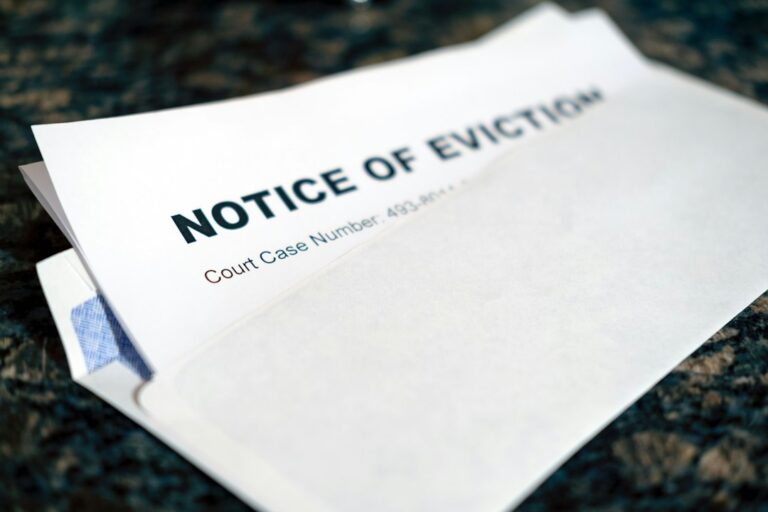 Rentals & tenants
California’s Just Cause Eviction Notice: What Civil Code 1946.2 Requires
Civil Code 1946.2 requires a stated reason to end most tenancies after 12 months, and one month's rent in relocation pay within 15 calendar days.
Read the guide → Rentals & tenants
California Condo Conversion: Tenant’s Right to Buy First
Gov. Code 66427.1 gives tenants a 90-day right to buy first and five required notices before a condo conversion in California. Here's how it works.
Read the guide → Rentals & tenants
The 90-Day Notice California Tenants Get After a Foreclosure Sale
A foreclosed rental does not mean an instant eviction. California and federal law require a 90-day notice, and sometimes a full lease, to be honored first.
Read the guide → Rentals & tenants
California’s Owner Move-In Eviction Rules Explained
An owner move-in eviction in California only holds up if a qualifying relative moves in within 90 days and stays a year, per Civil Code 1946.2.
Read the guide → Rentals & tenants
Can a Tenant Refuse Landlord Entry in California?
California tenants can refuse improper entry, but Civil Code 1954 gives sellers a real right of access. Here's the notice rule and what counts as valid.
Read the guide → Rentals & tenants
What Happens When a Tenant Dies in a California Rental?
A tenant's death does not end the lease automatically in California. Here's what happens to rent, the deposit, and belongings before you can sell.
Read the guide → Rentals & tenants
When Does a Guest Become a Tenant in California?
No California statute sets a day count - conduct does. What makes a guest a tenant, the notice you owe, and how to sell an occupied house in California.
Read the guide →