
Sell a Tenant-Occupied House in Menifee
- Foreclosure, inherited, tenants, damage — we buy it
- Zero fees, zero commissions, zero closing costs
- No obligation — turn the offer down and owe us nothing


A Tenant Doesn’t Have to Stop a Sale
See how AB 1482 just-cause rules affect selling a Menifee rental, and how a sale with the lease intact actually works.
Owning a rental property in Menifee while wanting out of the landlord business is a common situation, and it comes with real legal constraints on how and when you can sell. Cash Home Buyers CA regularly buys tenant-occupied properties throughout Riverside County, often without requiring the tenant to move out first.
You Can’t Simply Evict to Sell
Under California’s Tenant Protection Act (AB 1482), most rental housing in the state — including a large share of Menifee’s single-family rentals that fall outside the narrower owner-occupied and newer-construction exemptions — is subject to just-cause eviction protections once a tenant has occupied the unit for twelve months or more.
Wanting to sell the property is not, by itself, just cause to terminate a tenancy.
A landlord generally needs a legally recognized reason: a bona fide intent by a new owner to occupy the property themselves, substantial remodel or demolition undertaken by the new owner, or another statutory basis, along with the correct notice period and, where required, relocation assistance to the tenant.
Selling With the Lease Intact
The far more common and lower-risk path is selling the property subject to the existing lease. The buyer steps into the landlord role and the tenant simply continues paying rent under the same terms.
This works well for buyers purchasing the home as a rental investment, but it narrows the buyer pool for a traditional retail sale, since most owner-occupant buyers in Menifee want a vacant house they can move into.
That narrower pool is a big part of why tenant-occupied homes often sit longer or sell for less on the open market than comparable vacant homes.
How We Handle a Tenant-Occupied Purchase
Because we buy as an investor, not an owner-occupant, a tenant in place is not a problem for us the way it is for most retail buyers.
We can purchase the property with the lease intact, review the current rental agreement and security deposit accounting during escrow, and step into the landlord role at closing.
This avoids putting you in the position of trying to terminate a tenancy under AB 1482 just to make the house marketable, and it avoids the lost rental income and vacancy risk that comes with clearing a tenant out before selling.
Security Deposits and Rent Proration
Any security deposit currently held for the tenant gets transferred to the buyer through escrow, along with an accounting of its condition, and rent already collected for the current period is typically prorated between seller and buyer as of the closing date. This is handled through the escrow settlement statement so both parties see exactly how the numbers were calculated.
What If the Tenant Isn’t Paying, or the Lease Has Problems?
Landlords sometimes want out specifically because a tenant relationship has become difficult — late or missing rent, property damage, or an expired lease that has slid into month-to-month. We evaluate these situations individually. In some cases we can still purchase with the tenancy in place; in others, a different approach makes more sense depending on the specific facts and any notices already served.
Why Landlords Sell Rather Than Keep Managing
Owning a single rental in Menifee from a distance, or juggling it alongside a full-time job, wears on a lot of landlords over time.
Rent increases are capped under AB 1482 for covered units, maintenance calls don’t stop coming, and a tenant turnover between leases means vacancy, cleaning, and re-marketing costs that eat into the return the property was supposed to generate.
Selling directly, with the current tenant in place, lets you exit the landlord role in one transaction rather than waiting for a lease to end, marketing the unit vacant, and hoping a retail buyer wants a rental instead of a home to move into themselves.
Frequently Asked Questions
Can I just evict my tenant so I can sell the house vacant?
Not simply because you want to sell. AB 1482 requires a legally recognized just-cause reason and proper notice for most Menifee rentals once a tenant has lived there 12 months or more.
Will you buy my Menifee rental with a tenant still living there?
Yes. As an investor buyer, we can purchase with the existing lease intact and step into the landlord role at closing.
What happens to the security deposit?
It transfers to the buyer through escrow along with an accounting of its current status.
What if my tenant isn’t paying rent?
We evaluate these situations case by case and can discuss the specific facts of your lease and any notices already served.
Get a free, no-obligation cash offer from Cash Home Buyers CA today.
Seller Guides
Helpful guides for homeowners in Menifee
Plain-English answers to the questions sellers ask us most.
 Selling for cash
Stanislaus County’s Tax-Defaulted Property Auction and the Excess Proceeds Claim Deadline
Stanislaus County auctions tax-defaulted homes online each May, and former owners get only one year under Civil Code 4675 to claim excess sale proceeds.
Read the guide → Rentals & tenants
Emeryville’s Just Cause Eviction Ordinance: Relocation Pay Under Municipal Code 5-40
Emeryville's Municipal Code 5-40 requires just cause from day one and relocation pay scaled by landlord size, stricter than statewide AB 1482.
Read the guide → Selling for cash
Menifee’s Mello-Roos Tax Districts: What a Seller Needs to Know Before Listing
Menifee's growth means many homes sit inside a Mello-Roos CFD. Here's what the special tax is, how it appears on the bill, and what sellers must disclose.
Read the guide →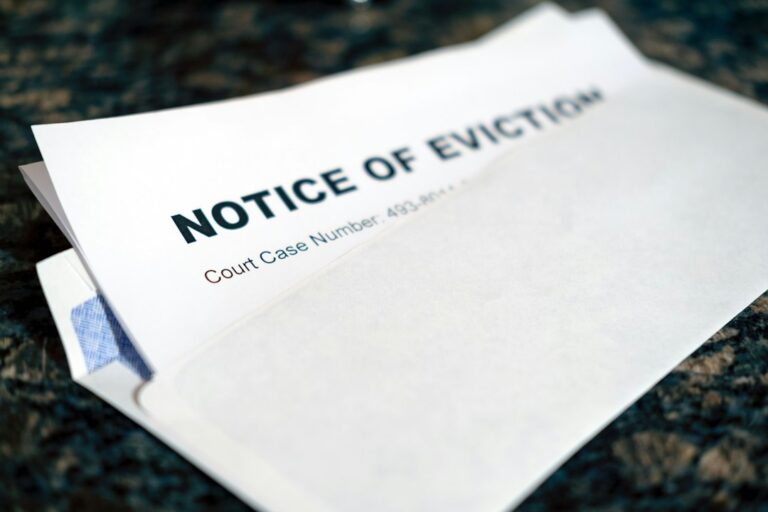 Rentals & tenants
California’s Just Cause Eviction Notice: What Civil Code 1946.2 Requires
Civil Code 1946.2 requires a stated reason to end most tenancies after 12 months, and one month's rent in relocation pay within 15 calendar days.
Read the guide → Rentals & tenants
California Condo Conversion: Tenant’s Right to Buy First
Gov. Code 66427.1 gives tenants a 90-day right to buy first and five required notices before a condo conversion in California. Here's how it works.
Read the guide → Rentals & tenants
The 90-Day Notice California Tenants Get After a Foreclosure Sale
A foreclosed rental does not mean an instant eviction. California and federal law require a 90-day notice, and sometimes a full lease, to be honored first.
Read the guide → Rentals & tenants
California’s Owner Move-In Eviction Rules Explained
An owner move-in eviction in California only holds up if a qualifying relative moves in within 90 days and stays a year, per Civil Code 1946.2.
Read the guide → Rentals & tenants
Can a Tenant Refuse Landlord Entry in California?
California tenants can refuse improper entry, but Civil Code 1954 gives sellers a real right of access. Here's the notice rule and what counts as valid.
Read the guide → Rentals & tenants
What Happens When a Tenant Dies in a California Rental?
A tenant's death does not end the lease automatically in California. Here's what happens to rent, the deposit, and belongings before you can sell.
Read the guide →