
Sell a House During Divorce in National City, CA
- Foreclosure, inherited, tenants, damage — we buy it
- Zero fees, zero commissions, zero closing costs
- No obligation — turn the offer down and owe us nothing


One Less Thing to Fight Over
Community property rules, ATROs, and how a direct sale can let both parties move forward without waiting for the case to close in National City.
A house is often the largest shared asset in a California divorce, and disagreeing over what to do with it can stall the entire case. Cash Home Buyers CA works with divorcing couples to buy National City properties directly, converting a contested asset into cash proceeds that can be divided.
Community Property and Your National City House
California is a community property state, meaning a house purchased during the marriage is generally considered jointly owned regardless of whose name is on the title, and is typically split evenly between the parties in a divorce.
Even a home owned before the marriage can have a community property component if marital funds were used for the mortgage or improvements. This is often the source of disagreement — both parties may have a legitimate claim to proceeds, but only one house to divide.
Automatic Temporary Restraining Orders (ATROs)
Once a California divorce petition is filed, Automatic Temporary Restraining Orders go into effect for both spouses, and they restrict actions like selling, transferring, or encumbering real property without either the other spouse’s written consent or a court order.
This means a sale generally needs to be agreed to by both parties, or specifically authorized by the court, before it can move forward — something worth confirming with your family law attorney before listing or accepting an offer.
Why Selling Before the Case Closes Often Makes Sense
- Removes a recurring point of conflict. Mortgage payments, upkeep, and disagreements over who stays in the house can extend a case for months. Selling removes that ongoing friction.
- Avoids carrying costs on two households. If one spouse has already moved out, maintaining a second address while the National City house sits empty or under-maintained adds real cost for both parties.
- A faster, more predictable sale timeline. A cash sale that closes in 7 to 14 days, once both parties agree, is generally simpler to coordinate around a case timeline than a 45-60 day financed sale with inspections and showings.
How Proceeds Are Handled
Once both parties agree to sell and escrow closes, proceeds are typically split according to the divorce settlement or court order, often with the title or escrow company disbursing funds directly to each party or holding funds pending final court instructions, depending on where the case stands.
How We Work With Both Parties
We can work with both spouses and their attorneys directly, provide a written offer both sides can review, and coordinate the timeline around your case rather than a rigid outside deadline.
Frequently Asked Questions
Do both spouses have to agree to sell?
Generally yes, due to ATROs that restrict transferring property once a divorce is filed, unless a court order says otherwise. Confirm specifics with your attorney.
Is the house automatically split 50/50?
Community property acquired during the marriage is generally divided evenly, though the specifics depend on your case and any separate property claims.
Can you close quickly once we agree to sell?
Yes, typically 7 to 14 days from an accepted offer once both parties are aligned.
Do we need our attorneys involved in the sale?
We’re glad to coordinate with both parties’ attorneys to make sure the sale fits within your settlement terms.
Get a free, no-obligation cash offer on your National City property from Cash Home Buyers CA today.
Seller Guides
Helpful guides for homeowners in National City
Plain-English answers to the questions sellers ask us most.
 Selling for cash
Menifee’s Mello-Roos Tax Districts: What a Seller Needs to Know Before Listing
Menifee's growth means many homes sit inside a Mello-Roos CFD. Here's what the special tax is, how it appears on the bill, and what sellers must disclose.
Read the guide → Inherited homes & probate
Partition Actions Between Heirs: How California Law Forces a House Sale
California heirs can force a house sale through a partition action under CCP 872-874, with court referees, confirmation hearings, and buyout rights.
Read the guide → Divorce
Is a House Buyout in a California Divorce Taxable?
A divorce house buyout isn't taxed upfront in California, but carryover basis can create a real tax bill later. Here's how the math actually works.
Read the guide → Divorce
Who Gets the House in a Divorce in California?
California community property rules, Family Code 2640 reimbursement and the automatic restraining orders that stop a sale. Buyout, sell, or deferred sale.
Read the guide → Divorce
Partition Action in California: The Deadlines That Decide Who Keeps the House
California co-owners get 45 days to elect a buyout under the Partition of Real Property Act. The deadlines, the price formula, the fees.
Read the guide → Selling for cash
California’s AB 1482 Rent Cap: How the 5% Plus CPI Formula Actually Works
AB 1482's rent cap runs on a 5% plus regional CPI formula, capped at 10%, that resets every August 1. Here's how…
Read the guide → Selling for cash
Imperial Beach’s Just Cause Ordinance: What a Landlord Selling a Rental Must Clear First
Imperial Beach's just cause ordinance adds rules a landlord must clear before selling a rental. Here's what it requires and how enforcement works.
Read the guide → Rentals & tenants
San Diego’s Rental Unit Business Tax: What a Landlord Must Clear Before Selling
Selling a San Diego rental? Here's what the Rental Unit Business Tax requires, how it's enforced, and what a landlord must clear before closing.
Read the guide →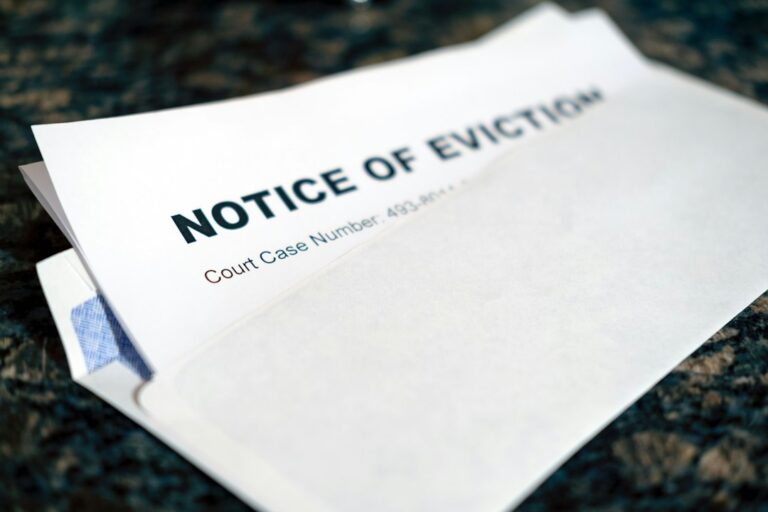 Rentals & tenants
California’s Just Cause Eviction Notice: What Civil Code 1946.2 Requires
Civil Code 1946.2 requires a stated reason to end most tenancies after 12 months, and one month's rent in relocation pay within 15 calendar days.
Read the guide →