
Selling a House As-Is in Los Angeles: What the City Still Requires
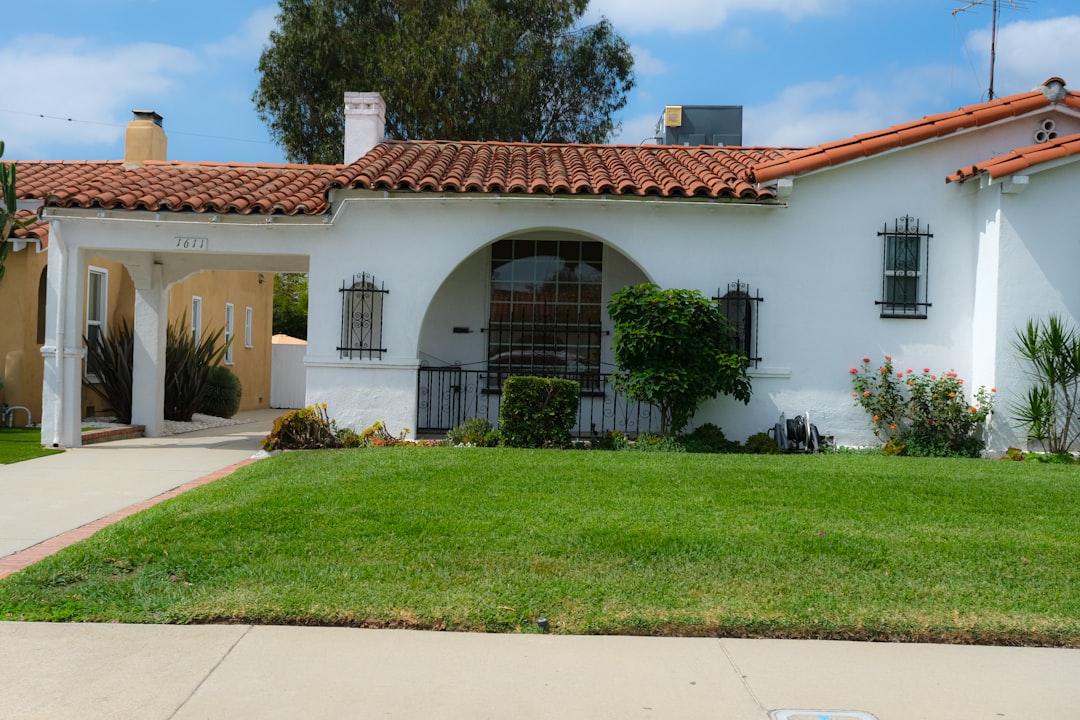
“As-is” in a Los Angeles listing means the seller won’t fix anything or negotiate repair credits — it does not mean the seller can skip the paperwork the city and state require. Most guides to selling as-is stop at the general California disclosure rules. Los Angeles adds its own point-of-sale requirements on top, and skipping them is what turns a clean as-is sale into an escrow delay.
What “As-Is” Waives, and What It Doesn’t
An as-is sale means the buyer takes the property in its current condition and the seller won’t perform repairs or credit for them. It does not waive California’s mandatory disclosure statutes. Sellers still must complete a Transfer Disclosure Statement under Civil Code section 1102 and following, and a Natural Hazard Disclosure Statement covering flood, fire, and seismic zones. “As-is” describes the condition of the house, not an exemption from telling the buyer what you know about it — a seller who knows about a leak or a bad roof and stays silent can still face a fraudulent-concealment claim after closing, as-is clause or not.
The Paperwork That’s Specific to the City of Los Angeles
Under Los Angeles Municipal Code section 96.300, a seller of residential property inside city limits must apply to the Department of Building and Safety for a Report of Residential Property Records — commonly called the RPR or Form 9 — and deliver it to the buyer before the parties enter into a sales agreement, or at the close of escrow if the report isn’t available in time. The report discloses permit history and any pending special assessment liens on the property. This requirement is unique to the city of Los Angeles; it does not apply to unincorporated LA County or to other cities in the county, which is exactly the kind of detail generic “sell your house as-is” articles miss because they’re written for a national audience.
Ordering the RPR early matters more in an as-is sale than in a typical one, because buyers who agree to skip repairs are usually paying closer attention to what the permit history says about unpermitted work. A report that surfaces mid-escrow, after the buyer’s inspection period has already closed, is a common source of last-minute renegotiation.
The Compliance Items an Inspector Will Flag Anyway
Even in an as-is sale, Los Angeles building and safety rules require certain life-safety items to be in place at the property, and a buyer’s inspector or the escrow company will typically check for them regardless of what the purchase contract says about repairs:
- Working smoke and carbon monoxide detectors in the required locations
- Seismic or excess-flow gas shut-off valves on the gas line
- Water conservation devices — low-flow showerheads, faucet aerators, and toilets meeting current standards
- Emergency egress at bedroom windows, meaning no security bars or grilles that block escape without an approved quick-release mechanism
- Impact-resistant glazing on sliding glass doors near walkways
- Security lighting and locks, for buildings of three units or more
None of these are things “as-is” makes disappear, because they’re framed as safety compliance rather than negotiated repairs. The practical move is to know before you list whether the house is missing any of them, so you’re not explaining a surprise deficiency during a buyer’s final walkthrough.
Where Unpermitted Work Changes the Picture
A garage conversion, an added bathroom, or an enclosed patio that was never permitted shows up — or fails to show up correctly — in the RPR’s permit history, and buyers financing through a lender will often ask about square footage that doesn’t match county records. As-is protects you from having to fix the unpermitted work before closing; it does not protect you from disclosing that it exists. We’ve covered what California law requires you to disclose about unpermitted work in more detail, since it’s one of the more common reasons an as-is deal falls apart in escrow rather than before it.
When Listing As-Is Beats a Cash Offer, and When It Doesn’t
Listing as-is on the open market still makes sense when the house is structurally sound, the RPR and disclosures are in order, and you have a few weeks to let buyers’ inspectors do their work — LA’s resale market absorbs cosmetic issues without much price penalty when the paperwork is clean. A cash sale earns its place when the property has issues that would scare off financed buyers entirely — significant unpermitted square footage, deferred structural repairs, or code violations that would need to be resolved before a lender’s appraisal would even clear — or when you need certainty on a closing date and don’t want financing contingencies in play. It’s also worth comparing how a cash offer gets discounted against a listing price before deciding, since the gap is often smaller — or larger — than sellers assume going in.
This is general information, not legal advice, and LAMC requirements and fee schedules change — confirm current requirements with the LA Department of Building and Safety before listing. If you’d rather skip repairs, inspections, and RPR timing altogether, Cash Home Buyers CA can give you a no-obligation cash offer on the property as it sits.