
Selling a House With a Reverse Mortgage in California
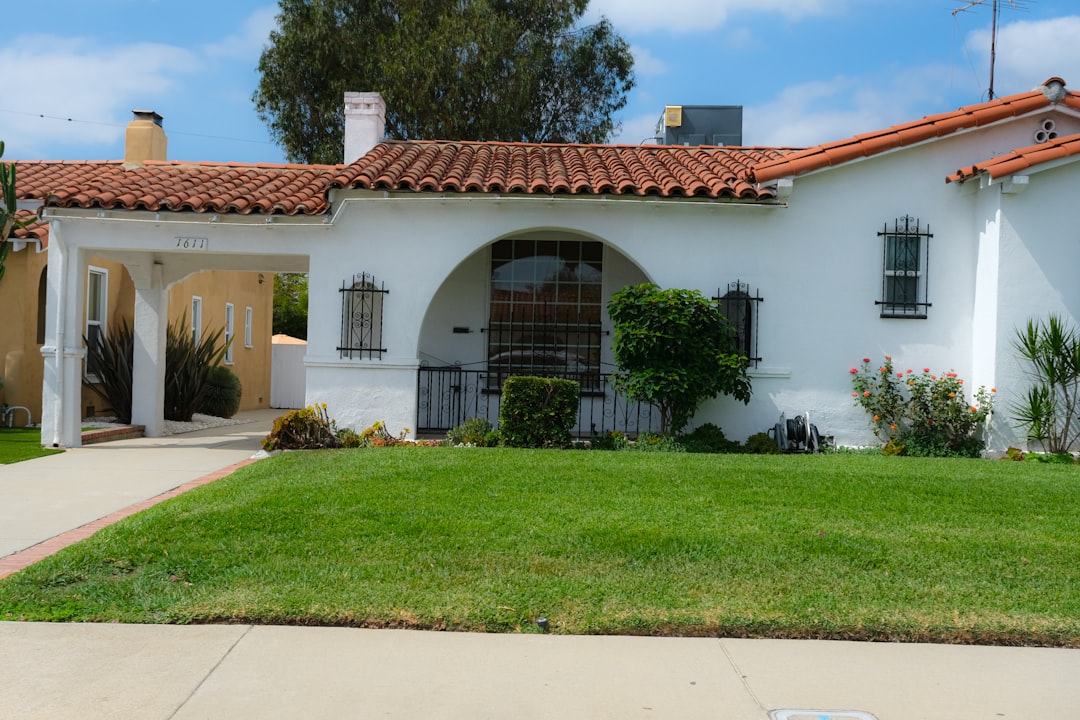
Yes, you can sell a house with a reverse mortgage in California — the loan simply gets paid off from the sale proceeds at closing, the same as any other mortgage. The harder version of this question is usually about timing: how long heirs have to sell after the borrower dies, and what happens if the house is worth less than the loan balance.
Selling While You’re Still the Borrower
A reverse mortgage, almost always a HECM (Home Equity Conversion Mortgage) insured by the FHA, is a lien against the house like any deed of trust. Sell the house, and escrow pays off the outstanding balance — accrued interest, fees and all — before you see a dime. If the house is worth more than what’s owed, you keep the difference. If it’s worth less, FHA mortgage insurance covers the lender’s shortfall as long as the sale closes at 95% or more of the home’s current appraised value, so you generally aren’t personally on the hook for the gap.
Selling After the Borrower Dies
This is where most of the real urgency lives. Once the last borrower (or an eligible non-borrowing spouse) passes away, the loan becomes due and payable, and HUD’s standard rule gives heirs 30 days from that point to tell the servicer what they intend to do. Selling the house is one of the recognized ways to satisfy the loan. The 30-day window is not the real deadline in practice — servicers can grant extensions in increments, commonly bringing the total time available to roughly six months, provided the heirs can show they’re actively trying to sell or refinance. Ask the servicer in writing for the extension; don’t assume it’s automatic.
Here’s the piece most reverse-mortgage explainers leave out entirely: California is a non-judicial foreclosure state. If that HUD clock runs out without a sale, refinance or payoff in motion, the servicer can move to a trustee’s sale under the same Civil Code §2924 process used for an ordinary defaulted mortgage — no court hearing required first. That’s a materially faster foreclosure track than in judicial-foreclosure states, which is exactly why the extension conversation with the servicer matters more here than it does elsewhere.
When the House Is Also Going Through Probate
If the deceased borrower owned the house alone, with no trust and no surviving joint owner, the estate may need to open probate before an heir has authority to sign a sale. California probate commonly runs several months to well over a year, which can collide directly with the reverse mortgage’s much shorter payoff clock. If you’re in that position, tell the servicer probate is pending and get any extension in writing — a servicer that isn’t told why a sale is delayed has no reason to wait.
Equity That’s Still Protected
A reverse mortgage lien only reaches the loan balance, not the house’s full value. Whatever equity sits above that balance is still yours or the estate’s, and California’s homestead exemption can matter if creditors are separately involved — though it doesn’t apply against the reverse mortgage lien itself, since that’s a voluntary loan the borrower signed, not a judgment.
When Selling Fast Isn’t the Right Call
If there’s substantial equity above the loan balance and no clock pressure — the servicer has confirmed an extension, probate is moving normally — rushing into a below-market cash sale just to “be done with it” usually costs heirs real money for no real benefit. A cash sale earns its keep here specifically when the HUD deadline is close, the house needs work you can’t finance through a reverse-mortgage estate, or the family genuinely can’t manage a listing from out of state.
This is general information, not legal or loan-servicing advice — reverse mortgage terms and extension practices vary by servicer, so confirm your specific deadlines directly with them. If timing is tight, Cash Home Buyers CA can make a no-obligation cash offer and close on a schedule that fits a servicer’s payoff deadline.