
Selling an Inherited House in Los Angeles: What’s Different Here
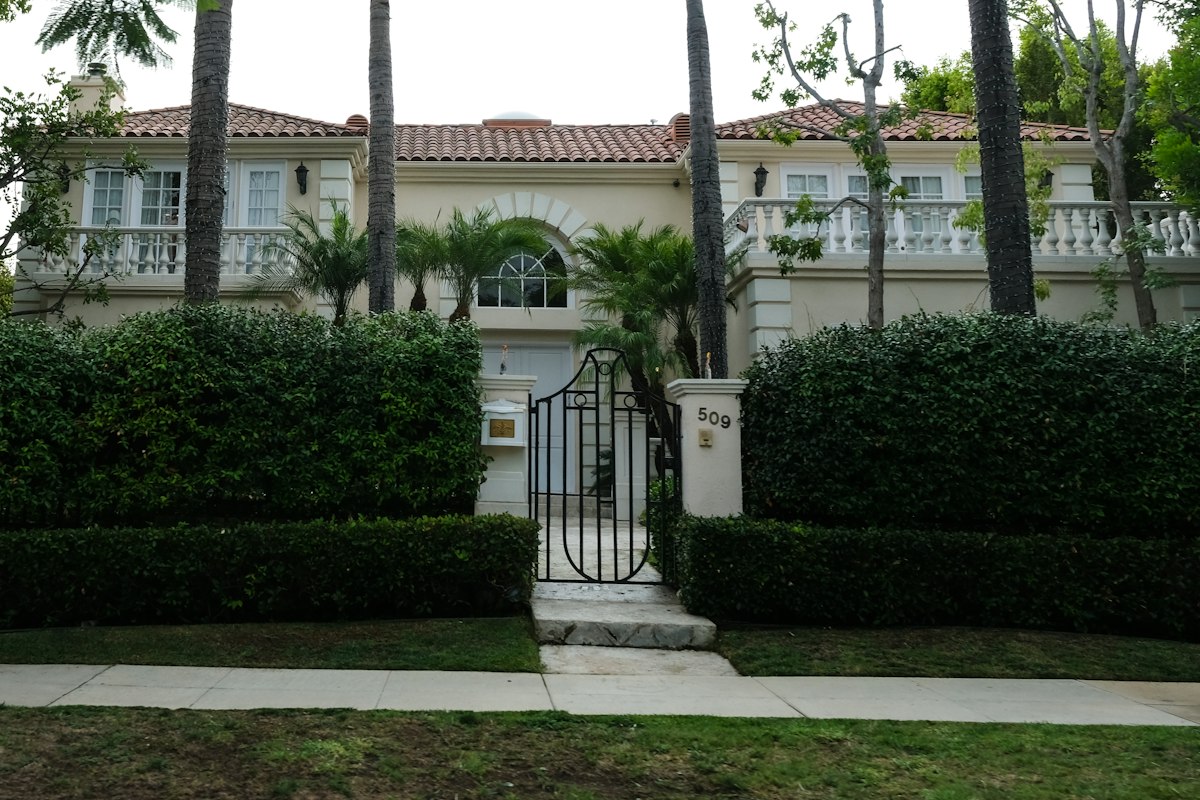
Selling an inherited house in Los Angeles runs on the same California probate and tax rules as anywhere else in the state, but Los Angeles County adds its own wrinkles: the busiest probate court in California, a Prop 19 tax reassessment that catches most heirs off guard, and an as-is housing stock old enough that repairs are rarely optional if you list traditionally.
Confirm How Title Was Held Before You Do Anything Else
Pull the recorded deed from the Los Angeles County Registrar-Recorder/County Clerk before assuming you need probate at all. A house in a living trust, held in joint tenancy, or passing by a recorded transfer-on-death deed can often skip probate entirely — recording an affidavit of death with the county is sometimes all that’s needed. Only property held in the decedent’s name alone typically requires it, and we’ve broken down all four scenarios in detail here.
If Probate Is Required, Expect Los Angeles County’s Calendar
Los Angeles County Superior Court handles more probate filings than any other county in California, and that volume shows up in longer waits for hearing dates than smaller counties see. We’ve covered exactly where LA County probate is filed, current fees, and how a sale gets confirmed in a separate guide, since the mechanics are the same whether you’re selling in Los Angeles, San Diego, or elsewhere in the state.
The Prop 19 Tax Bill That Surprises Most Heirs
Since 2021, Proposition 19 has removed the old blanket ability to keep a parent’s low property-tax base when you inherit their house unless you move in as your primary residence within a year and the home’s value stays under specific limits. Many heirs planning to sell rather than occupy the house discover the reassessed tax bill only after escrow closes and a supplemental tax bill arrives. We’ve laid out exactly how this works and what it means for your numbers — worth reading before you set an asking price, since it can change what selling quickly is actually worth to you compared to holding the property.
What “As-Is” Really Means for LA’s Older Housing Stock
A large share of Los Angeles’s housing dates to well before current building and safety codes — older electrical panels, cast iron plumbing, and unpermitted additions from prior decades show up constantly in inherited properties whose owners hadn’t touched them in years. None of that has to be fixed before selling; California law lets you sell as-is with proper disclosure, but a traditional buyer’s inspection contingency will surface it anyway and often reopens price negotiations after you’re already in escrow.
Weighing Your Three Paths
Listing with an agent typically nets the highest price but means carrying the house through repairs, showings, and a longer close — real costs for an estate paying insurance and utilities on an empty property in the meantime. Selling to an investor or cash buyer trades some of that top-line price for speed and certainty, closing in as little as a couple of weeks with no inspection contingency. Holding the property as a rental is the third option, and can make sense if the estate can absorb landlord responsibilities and the numbers pencil out against LA’s rent control rules.
When Selling Fast Isn’t the Better Move
If the estate isn’t under financial pressure, the property is intact, and the local market is appreciating, waiting and listing traditionally — or renting it out — can outperform a quick sale on pure dollars. A fast cash sale is a tool for solving a timing or condition problem, not automatically the best financial outcome for every heir, and it’s worth running the comparison before committing either way.
This is general information rather than legal or tax advice; county practice and market conditions change, so confirm current numbers before you rely on them. If you’d like a no-obligation cash offer on an inherited Los Angeles property, whether it’s tied up in probate or ready to go, Cash Home Buyers CA can work around your timeline.