
California Form 593 Real Estate Withholding Guide for Home Sellers
- Inherited, rental, out-of-state owner — we buy it
- Zero fees, zero commissions, zero closing costs
- No obligation — turn the offer down and owe us nothing
Selling a California Property? Get a Cash Offer
Know what escrow may withhold before you sell. Tell us about the house and get a written cash offer.
Last updated November 13, 2026. Reviewed by the Cash Home Buyers CA team. Figures come from the California Franchise Tax Board’s 2026 instructions for Form 593; sources are listed at the end. This is general information, not tax advice.
When you sell California real estate, escrow may have to withhold California income tax from your proceeds, unless you certify an exemption on Form 593 before the sale closes. The Franchise Tax Board lists exemptions that include a principal residence, a sales price of $100,000 or less, a loss or zero gain, and property in foreclosure.
This guide explains how Form 593 works and how to sell a house in California without surprises at closing.
Form 593 at a glance
| What it is | Real Estate Withholding Statement filed with the Franchise Tax Board (FTB) |
| General rate | 3 1/3 percent (.0333) of the sales price, or an alternative method based on estimated gain |
| Alternative method | The seller’s tax rate times the estimated gain; the FTB lists 12.3% for individuals, trusts and non-California partnerships, 8.84% for corporations |
| Exemptions | Principal residence, sales price of $100,000 or less, loss or zero gain, property in foreclosure, and others listed by the FTB |
| Exempt seller’s deadline | Send Form 593 to the escrow person before the close of the transaction |
| Remitter’s deadline | By the 20th day of the month after escrow closes |
| Mail to | Withholding Services and Compliance MS F182, Franchise Tax Board, PO Box 942867, Sacramento, CA 94267-0651 |
Who has to withhold on a California home sale?
The FTB says the remitter, meaning the party who withholds, reports the amount withheld on Form 593. The seller or transferor completes the exemption certifications or the gain computation and gives the form to escrow before closing, and escrow sends the withholding and the form to the FTB. For an installment sale, the buyer is responsible for withholding on payments made after escrow closes unless the FTB approves an elect-out method.
If no exemption applies, the withholding is a prepayment of your California tax on the sale, not an extra tax. The FTB notes that sellers still have to file a California return, and penalties can apply if you do not file or the withholding does not cover the tax you owe.
Withholding estimate calculator
Compare the two methods on a sale. Enter your own numbers. Your own Form 593 controls.
Uses 3 1/3% of the sales price and 12.3% of estimated gain for an individual seller. A seller with a loss or an exemption owes no withholding.
Which sellers are exempt from withholding?
The FTB instructions list several exemptions. The most common for homeowners are these.
- Principal residence: you owned and lived in the home as your main home for at least two of the five years before the sale, under IRC section 121. If a decedent’s estate or trust sells, the decedent’s use counts.
- Sales price of $100,000 or less: withholding is not required.
- Loss or zero gain: your sale price is at or below your adjusted basis, and you complete the computation on the form to certify it.
- Property in foreclosure: listed by the FTB among the general exemptions.
See our capital gains guide for how the home sale exclusion works.
How to sell a house in California and handle Form 593
- Check your exemption. Decide whether the principal residence, loss or another exemption applies.
- Get Form 593 from escrow or the FTB. Complete the certifications and sign the perjury statement.
- Give it to escrow before closing. The FTB says an exempt seller sends it to the escrow person before the close of the transaction.
- If withholding applies, compare the 3 1/3 percent and gain methods with your tax adviser.
- File your California return. Withholding is a prepayment, and the sale still goes on your return.
See how we buy houses across California, or call (424) 435-2326.
Form 593 FAQ
What is the California real estate withholding rate?
The general rate is 3 1/3 percent of the sales price, or an alternative calculation of the seller’s tax rate times estimated gain.
Do I need Form 593 if I am selling my main home?
Escrow will ask for it. A principal residence is an exemption you certify on the form.
When is Form 593 due?
An exempt seller sends it to escrow before closing; the remitter sends it to the FTB by the 20th of the month after escrow closes.
Is withholding an extra tax?
No. It is a prepayment toward your California tax on the sale.
Sources
This guide is general information, not tax advice. Confirm your situation with a tax professional or the Franchise Tax Board.
From the Blog
Latest guides for California home sellers
-

California’s Judicial Foreclosure Redemption Right: The One-Year Window Most Owners Never Hear About
California's rarer judicial foreclosure process comes with a statutory right to redeem the property for up to a year after the sale…
Read the guide → -

Santa Clara County’s Tax-Defaulted Property Auction: How to Claim the Excess Proceeds
When a Santa Clara County home isn't redeemed within the state's deadline, the county can sell it at public auction — and…
Read the guide → -

Pomona’s Rent Stabilization Ordinance Just Became Permanent: What Landlords Must Do Before Selling
Pomona's Ordinance No. 4359 became permanent on January 1, 2026, replacing the city's prior urgency ordinances and capping most rent increases at…
Read the guide → -
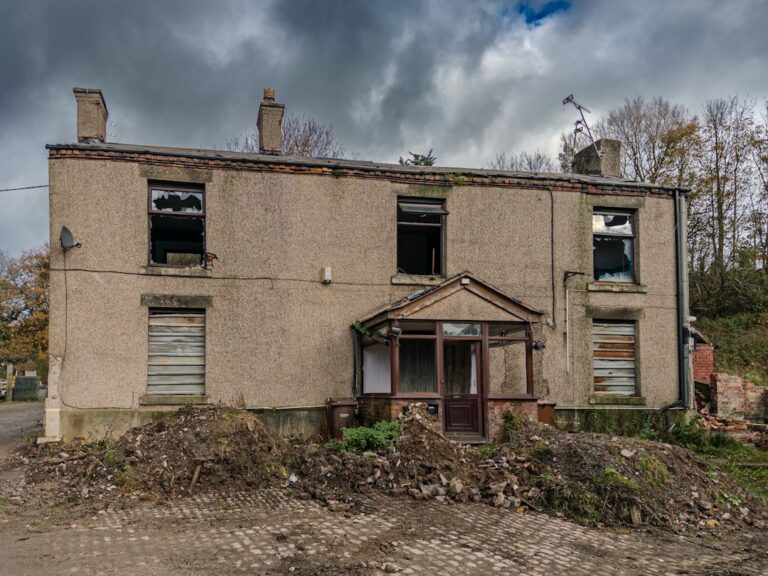
Compton’s Substandard Building Ordinance, Explained
Compton can order a dangerous or substandard house secured, repaired, or demolished under Municipal Code Chapter 14, and if the owner misses…
Read the guide → -

Chico’s RECO Inspection: What Sellers of Older Homes Must Fix Before Closing
Chico requires sellers of homes built before July 1, 1991 to pass a RECO energy and water retrofit inspection — or transfer…
Read the guide → -

Emeryville’s Just Cause Eviction Ordinance: Relocation Pay Under Municipal Code 5-40
Emeryville had its own just-cause eviction and relocation-assistance ordinance years before California’s statewide AB 1482 existed, and the local rule is still…
Read the guide → -

Malibu’s Six-Year Rebuild Deadline After the Palisades Fire: Municipal Code 17.60.020(C)
Malibu homeowners rebuilding after the January 2025 Palisades Fire have a hard deadline most residents outside the city have never heard of:…
Read the guide → -

California’s Security Deposit Cap: How AB 12 Limits What Landlords Can Collect
AB 12 caps most California security deposits at one month's rent, with a narrow exception for small landlords — plus new 2025…
Read the guide → -

California Civil Code §4525: The 11 HOA Documents You Must Hand a Buyer Before Closing
California Civil Code §4525 requires sellers inside an HOA to hand buyers 11 specific documents before closing — a list that just…
Read the guide →