
Cash Home Buyers in the Central Valley: How to Choose a Buyer You Can Trust
- Foreclosure, inherited, tenants, damage — we buy it
- Zero fees, zero commissions, zero closing costs
- No obligation — turn the offer down and owe us nothing


What a Real Cash Offer Looks Like
Learn how legitimate cash buyers work in the Central Valley, and the questions worth asking before you sign anything.
If you are searching for cash home buyers Central Valley homeowners can actually trust, the hard part is not finding someone who says they pay cash. It is figuring out who will still be standing at the closing table with the money.
Between Sacramento and Bakersfield there are dozens of companies, investors and online platforms that advertise fast cash offers, and they work in very different ways.
This guide explains the main kinds of buyers, how to check one out before you sign, how a cash offer is priced, and how the numbers compare with a regular listing once local transfer taxes and other costs are counted.
Cash Home Buyers CA buys houses across the Central Valley as-is. We buy directly or bring a vetted cash buyer, and when you sell to us, we pay the standard closing costs, including the county and city transfer taxes, escrow and title.
What Cash Home Buyers Central Valley Sellers Meet Today
A cash buyer is simply a buyer who does not need a mortgage to close. That one difference removes the loan contingency, the lender’s appraisal and the underwriting delays that cause most failed escrows. It does not mean every cash buyer behaves the same way.
Some are national companies with a website and a call center, some are small investors who buy a handful of rentals a year, and some are local teams who buy and renovate homes in the same few counties every month.
The Central Valley adds its own wrinkles. A single region covers Sacramento suburbs, older neighborhoods in Stockton and Modesto, fast-growing tracts around Fresno and Clovis, and farm parcels with private wells and septic systems outside Bakersfield, Visalia and Merced. A buyer who only knows one of those markets can misprice a house in another. Before you compare offers, it helps to know what kind of company you are talking to.
Real Estate Cash Buyers in the Central Valley: The Main Types
Most real estate cash buyers you will run into fall into one of four groups. None is automatically good or bad. What matters is whether the way they work fits your house and your timeline.
- iBuyers and large online platforms. These companies generate an automated offer from data, then send an inspector and adjust the price for repairs. They tend to prefer newer, mostly standard homes in larger metro areas, and they may pass on rural parcels, older homes with major issues or houses with tenants.
- Individual investors. Landlords and small investors who buy a few properties a year. They can be flexible, but their ability to close depends on their own cash or credit lines at that moment, so proof of funds matters even more.
- Local cash home buyers. Companies that focus on a defined area, walk the property themselves and buy in any condition. They usually understand local quirks such as wells, septic systems, older electrical panels and unpermitted additions, and can price them without asking you to fix anything first.
- Buyers who partner with other investors. Some companies, including ours, either buy directly or bring a vetted cash buyer who is a better fit for a particular property. Either way, you should know who is buying, see the terms in writing and close through a neutral title and escrow company.
Whichever type you talk to, ask them to explain how they will close. Cash buyers real estate agents work with every day are judged by one thing: whether they perform on the date in the contract.
How to Vet Local Cash Home Buyers Before You Sign
A few simple checks separate serious local cash home buyers from people who are just collecting contracts. None of them are awkward to ask, and a buyer who is ready to close will answer all of them without hesitation.
- Proof of funds. Ask for a recent bank or lender statement, or a letter from the source of funds, showing enough cash to close at the offered price. It should be dated within the last few weeks.
- A neutral title and escrow company. The money should move through an independent title and escrow company, not through the buyer’s own account. You can call the escrow office yourself to confirm the file is open.
- Earnest money. A real buyer deposits earnest money into escrow shortly after you both sign. Ask how much and when. A buyer who wants a long inspection period with no deposit is asking you to take the risk.
- A written offer. Get the price, closing date, who pays which costs, and any contingencies in writing on a standard purchase agreement. Verbal numbers change; written ones are enforceable.
- No upfront fees. You should never pay anyone for an offer, an appraisal or an application. Any fee request before closing is a red flag.
- A clear inspection window. Ask how many days the buyer needs to inspect and what happens to the price afterward. A buyer who has already walked the house should not need weeks.
It is also fair to ask how the buyer will take title, how many days they need to close and whether they will let you stay a few days after closing if you need time to move. A straightforward buyer will put those answers in the contract.
How a Cash Offer Is Priced
Most cash offers start from the same simple idea: what would this house sell for once it is fixed up, and what will it cost to get there? Investors call the first number the after-repair value, or ARV. From there the math is straightforward.
- After-repair value. Based on recent sales of comparable, updated homes in the same neighborhood, not a countywide average. A Clovis tract home, a 1950s house in central Stockton and a ranch home on acreage near Bakersfield each have very different comparables.
- Repairs. Roof, foundation, plumbing, electrical, HVAC, kitchens, baths, flooring, paint, landscaping, and any permit work. Rural homes may add well and septic work.
- Holding costs. Property taxes, insurance, utilities and loan costs while the home is being repaired and resold.
- Resale costs. The buyer’s own costs to sell the finished house later, including commissions and closing costs on that future sale.
- Margin. What the buyer needs to earn for taking on the risk and tying up money for months.
A good buyer will walk you through these numbers. If an offer seems low, ask which comparable sales were used and how the repair estimate was built. Sometimes a fact you know about the house, such as a recently replaced roof or a new water heater, changes the math.
Central Valley Market Snapshot for Sellers
Prices across the Central Valley vary widely from county to county. According to the California Association of Realtors’ August 2026 report, the Central Valley region’s median price for existing single-family homes was $500,000, up 1.0% from a year earlier.
County medians in that report ranged from $386,490 in Kings County and $400,000 in Tulare County to $549,000 in Sacramento County and $560,000 in San Joaquin County. Fresno County came in at $430,000, Kern County at $400,500 and Stanislaus County at $475,000. Statewide, the median time on market for a single-family home was 28 days in August 2026.
Those numbers describe homes that sold through the regular market, usually in good condition and with financed buyers. A house that needs major work, has a tenant who will not cooperate with showings, or sits on a rural parcel with well and septic issues may not fit that pattern at all, which is where a direct cash sale tends to make the most sense.
Cash Home Sale vs. Listing: A Central Valley Net Sheet
The fairest way to compare a cash home sale with a listing is to look at what you would actually walk away with, not just the headline price. Here is what usually comes out of a seller’s proceeds in a regular listed sale in the Central Valley:
- Agent commissions. Negotiable, and set by your listing agreement. On a $500,000 sale, every 1% of commission is $5,000.
- County documentary transfer tax. Every county in the region charges $1.10 per $1,000 of value, or $550 on a $500,000 sale. By local custom the seller usually pays it in a regular sale.
- City transfer tax. Most Central Valley cities do not add their own. The City of Sacramento does: its real property transfer tax is $2.75 per $1,000, about $1,375 on a $500,000 sale, and it is commonly split between buyer and seller in a listed sale.
- Escrow and title. Escrow fees and the owner’s title insurance policy, divided according to local custom and the contract.
- Repairs and credits. Repairs a buyer’s lender requires, or credits negotiated after the inspection.
- Carrying costs. Mortgage, taxes, insurance and utilities for every month the house is on the market and in escrow.
When you sell to us, we pay the standard closing costs, including the county and city transfer taxes, escrow and title. There is no commission, no repair bill and no staging.
Your mortgage payoff and any liens are paid from the sale price through escrow, and the rest goes to you.
In most cases a cash price is lower than the best-case listing price for a fully updated home, so the honest comparison is your net after all of the above, not the asking price on a listing.
When House Cash Buyers Are the Better Fit
Selling to a cash buyer is not right for everyone. If your home is updated, in a popular neighborhood and you have time to wait, a listing may net more. House cash buyers tend to be the better fit when one or more of these is true:
- The house needs repairs you cannot afford or do not want to manage, or it would not pass a lender’s appraisal in its current condition.
- You need a firm closing date, for a move, a job, a deadline on a loan or an estate that needs to be settled.
- There are tenants in place, a hoarding situation, fire or water damage, or an unpermitted addition that would scare off financed buyers.
- The property is rural, with a private well, septic system or outbuildings that complicate lending.
- You live out of the area and want one simple transaction instead of months of managing a listing from a distance.
If speed is your main concern, our page on how to sell my house fast central valley walks through a realistic day-by-day timeline. If condition is the issue, see what it really means to sell house as-is central valley, including the disclosures that still apply. Heirs dealing with probate or a trust can read our guide to sell inherited house central valley.
Rural, Farm and Older Homes: What Cash Buyers Look At
A large share of the Central Valley is farmland, and plenty of homes sit outside city water and sewer lines. Those properties are often where a cash buyer adds the most value, because they are the ones financed buyers struggle with. When we look at a rural or older property, we pay attention to a few things that rarely matter on a suburban tract home:
- Water and septic. The age and output of a private well, the condition of the septic tank and leach field, and whether either has had problems in the past.
- Outbuildings and additions. Barns, shops, garage conversions and add-on rooms, and whether they were built with permits. Unpermitted work does not stop a cash sale, but it changes the price because the next owner may need to legalize or remove it.
- Access and boundaries. Shared driveways, easements, and fences that do not match the recorded property lines show up in the title report, and a buyer needs to understand them before closing.
- Older systems. Original wiring, older electrical panels, galvanized or cast-iron plumbing, aging roofs and older heating and cooling equipment, all common in homes built decades ago in the region’s older neighborhoods.
You do not need to fix or document any of this before you call. Tell us what you know, and we will factor it into the offer instead of handing you a repair list.
Questions We Ask on the First Call
Our first conversation usually takes ten to fifteen minutes. We ask for the address, the number of bedrooms and bathrooms, the general condition, anything you know about the roof, plumbing, foundation or permits, whether anyone is living in the home, and roughly what you owe.
We also ask what timeline you have in mind and what matters most to you, whether that is the highest number, the fastest close or a sale with as little disruption as possible.
With that information we can schedule a short walkthrough and put a written offer in your hands, usually within 24 hours of seeing the home.
Common Red Flags With Cash Offers
Most cash buyers are legitimate, but it pays to recognize the warning signs. Be careful with anyone who:
- Asks you to sign a deed, power of attorney or any document outside of escrow.
- Wants you to pay a fee, deposit or processing charge before closing.
- Will not name the title and escrow company or provide proof of funds.
- Offers a high price, then sends a much lower number days before closing without a clear reason tied to something they found.
- Pushes you to sign the same day without time to read the agreement or ask someone you trust.
- If you are behind on payments, promises to stop a foreclosure for a fee or asks you to send mortgage payments to them instead of your lender.
A real offer can be checked: the escrow number is real, the deposit lands in escrow, and the closing statement shows every dollar.
What Happens After You Accept
Once you sign a purchase agreement, escrow opens with a neutral title and escrow company that serves your county. Title is searched, your loan payoff is ordered, and any liens, back taxes or judgments are identified so they can be paid from the proceeds.
You will still receive and sign the normal California disclosure forms, and the deed is recorded with the recorder in the county where the property sits, such as the Sacramento County Clerk/Recorder or the Fresno County Assessor-Recorder.
Our step-by-step page on getting a cash offer for my house central valley covers each of those stages in detail, from the first call to the day funds are released.
Frequently Asked Questions
How do cash buyers real estate deals close so much faster?
There is no lender, so there is no loan approval, no lender appraisal and no underwriting conditions. Once title is clear and documents are signed, escrow can close. Many cash sales close in 7 to 14 days, and you can choose a later date if you need it.
Are cash buyers in the Central Valley legitimate?
Most are. Check for proof of funds, an earnest money deposit, a written purchase agreement and a neutral title and escrow company. Never pay a fee upfront and never sign a deed outside of escrow.
Is it smart to sell homes for cash in the Central Valley right now?
It depends on your house and timeline. When a home needs significant repairs, has tenants, sits on a rural parcel or must close by a firm date, people often sell homes for cash because the net and the certainty compare well with a long listing. If your home is updated and you have time, compare both options side by side.
Who pays the transfer tax and closing costs if I sell to you?
We do. When you sell to us, we pay the standard closing costs, including the county and city transfer taxes, escrow and title. You do not pay a commission either.
How do you decide on the price?
We look at recent sales of comparable homes in your neighborhood, the condition of the house, the cost of repairs and the time it will take to complete them. We explain the number and the comparables we used.
Do you buy in every Central Valley county?
We buy across the region, including Sacramento, San Joaquin, Stanislaus, Merced, Madera, Fresno, Kings, Tulare and Kern counties, in cities and on rural parcels.
What if I owe more than the house is worth or have liens?
Call us anyway. Liens and loan payoffs are handled through escrow. If the payoff is higher than the value, there may still be options, such as working with the lender on a short sale.
Can I stay in the house for a few days after closing?
Often, yes. A short stay after closing can be written into the purchase agreement so you have time to move.
Ready to compare? Call or text (424) 435-2326 or fill out the form above for a free written cash offer, and see our overview of how we buy houses central valley wide, in any condition.
Seller Guides
Helpful guides for homeowners in the Central Valley
Plain-English answers to the questions sellers ask us most.
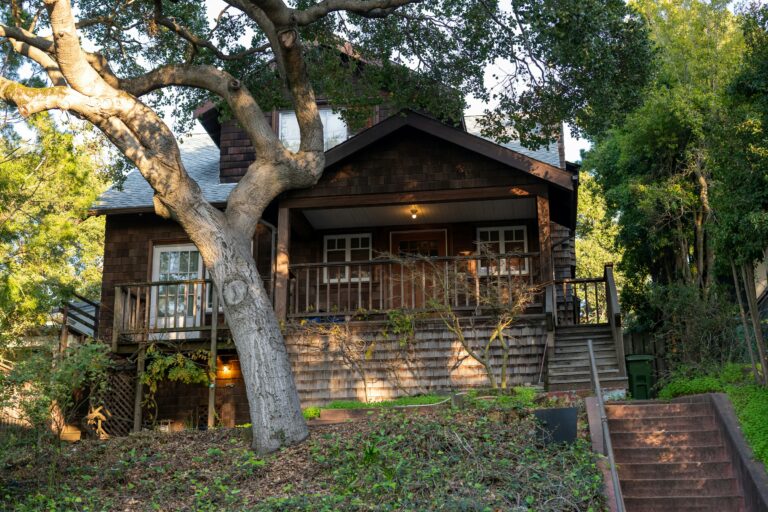 Selling for cash
Berkeley’s 1.5% to 2.5% Transfer Tax, and What Changes When Measure W Takes Effect in 2027
Berkeley charges its own 1.5% to 2.5% transfer tax on top of Alameda County's -- and the rate structure is about to…
Read the guide → Inherited homes & probate
Selling an Inherited House Without a Court Hearing: How the 15-Day Notice Works in California Probate
California executors with full IAEA authority can sell estate property on 15 days notice, no court hearing required. Here is how it works.
Read the guide → Selling for cash
Selling After 55 in California? How Prop 19 Lets You Carry Your Tax Base to the Next Home
California homeowners 55+ can transfer their property tax base to a new home anywhere in the state, up to three times. Here is how the math works.
Read the guide → Inherited homes & probate
What Probate Actually Looks Like for an Inherited House in Fresno County
Probate for an inherited Fresno County house runs through one courthouse, but the timeline depends on how title was held. What to expect, step by step.
Read the guide → Foreclosure & liens
How an FTB or IRS Tax Lien Attaches to a California Home Sale
An IRS or FTB lien attaches to a California home once tax debt is due, often before it shows up in a title search. How to clear one before closing.
Read the guide → Inherited homes & probate
Understanding California’s Probate Overbid Process
A signed probate offer in California isn't final until confirmed. Here's the statutory overbid formula and how it can beat your accepted price.
Read the guide → Foreclosure & liens
How a Judgment Lien Attaches to a California Home (and How Long It Lasts)
A judgment lien attaches to a California home only after the creditor records an abstract of judgment. It lasts 10 years and can be renewed.
Read the guide → Divorce
Central Valley Divorce and the Shared Home: Buyouts, Approvals and Sale Steps
Selling a house during divorce in the Central Valley? Written cash offer in 24 hours, no repairs, no fees, close in 7-14 days or on your court date.
Read the guide →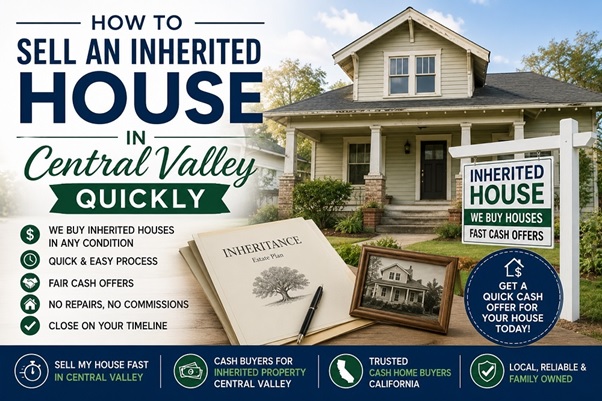 Inherited homes & probate
Inherited a Home in the Central Valley? Probate, Costs and Your Options
The Central Valley probate timeline step by step: court filing, personal representative duties, holding costs, heir agreement and when a sale closes.
Read the guide →