
Downsizing in Orange County: Prop 19, Taxes, and Timing
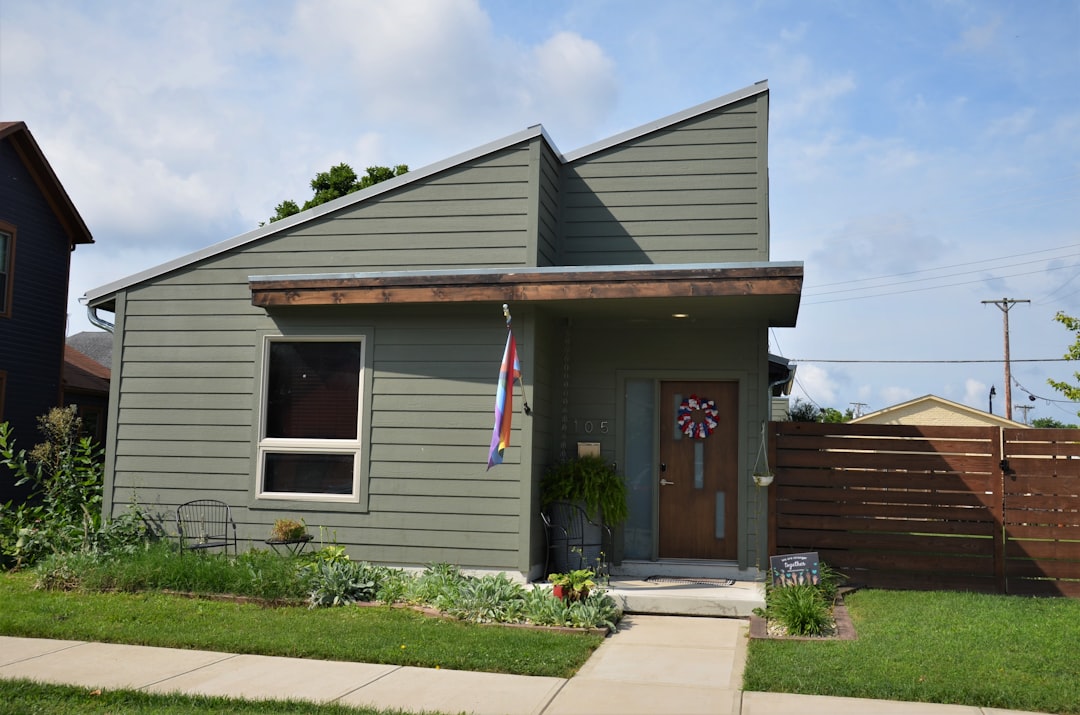
Downsizing is a different decision from cashing out and leaving the state. Many Orange County homeowners want to stay close to family, keep their doctors, and stay in Southern California. They just don’t need four bedrooms, a pool and a big yard anymore.
If you’re 55 or older, California’s Proposition 19 can make that move far cheaper than most people expect, as long as you get the rules and the timing right.
The Problem Prop 19 Solves
Under Prop 13, your property tax is based on your home’s assessed value, which starts at your purchase price and can only rise a small amount each year. If you bought your OC home 20 or 30 years ago, your assessed value is probably a small fraction of what the house is worth today, and your tax bill reflects that.
Buy a new home and, normally, it’s reassessed at the purchase price. That’s why so many long-time owners feel stuck: a smaller condo can come with a bigger tax bill than the family home. Prop 19 lets eligible owners take their old assessed value with them.
Prop 19 Base-Year Value Transfer: The Rules
Since April 1, 2021, homeowners who are 55 or older (and severely disabled homeowners, and victims of wildfire or other disasters) can transfer the taxable value of their primary residence to a replacement home. According to the State Board of Equalization and county assessors, the key rules are:
- Both homes must be your principal residence. This doesn’t apply to rentals or second homes.
- Anywhere in California. You can sell in Irvine and buy in Temecula, San Diego or Sacramento. The old Prop 60/90 limits on which counties participated no longer apply.
- Up to three times in your lifetime for the 55+ transfer, compared with once under the old rules.
- Within two years. The replacement must be bought or newly built within two years of selling the original home, before or after the sale.
- The original home must be sold. Gifting it or transferring it to family doesn’t trigger this benefit.
- You have to file a claim. The form is BOE-19-B, filed with the county assessor, and it must be filed within three years of buying the replacement home (or finishing construction of one).
How the Value Rules Work
Unlike the old rules, the replacement doesn’t have to cost less. But the price comparison decides whether you carry over your full old value or a partly adjusted one. Your replacement is treated as “equal or lesser value” if its price is no more than:
- 100% of your original home’s market value at the time of sale (usually close to the sale price), if you buy the replacement before you sell;
- 105% if you buy within the first year after the sale;
- 110% if you buy within the second year after the sale.
If the replacement costs more than that limit, the difference is added to the value you transfer. You still keep most of the benefit. You just pay tax on the extra.
A Worked Example
Say a couple in their late 60s bought in Fountain Valley in 1995. The home now sells for $1,400,000, and its assessed value is $280,000. These are illustrative numbers; your tax bill also includes local assessments, so treat the tax figures as rough.
| Scenario | Replacement price | New assessed value | Approx. base 1% tax per year |
|---|---|---|---|
| No Prop 19 (normal reassessment) | $1,000,000 | $1,000,000 | $10,000 |
| Prop 19, condo bought within a year of sale | $1,000,000 | $280,000 | $2,800 |
| Prop 19, single-level home bought within a year, priced above the limit | $1,600,000 | $410,000 | $4,100 |
In the third row, the limit is 105% of $1,400,000, or $1,470,000. The replacement costs $130,000 more than that, so $130,000 is added to the $280,000 base: $410,000. In the condo scenario, the savings compared with a normal reassessment are about $7,200 a year, every year they own it. Over a long retirement, that’s real money.
Capital Gains on a Long-Held Home
Prop 19 is about property tax. Income tax on the sale is a separate question. Married couples filing jointly can generally exclude up to $500,000 of gain on a main home they’ve owned and lived in for two of the last five years ($250,000 for single filers). On a house bought decades ago, the gain can be larger than that, and California taxes the rest as ordinary income.
Your gain is reduced by the cost of capital improvements over the years, like a new roof, windows, an addition or a remodel, so gather those records before you sell.
The property-tax side of this move — carrying your old assessed value to the new home — works the same way statewide; see our full walkthrough of how the Prop 19 base-year value transfer actually works at 55.
Our guide to the capital gains exclusion on a California home sale walks through how it’s calculated.
Timing the Sale and the Purchase
The hardest part of downsizing usually isn’t the money. It’s buying and selling at the same time. Each order has trade-offs:
- Sell first, then buy. You know exactly how much you have to spend, and the value limit is more generous (105% or 110%). The catch is that you may need to rent or stay with family in between.
- Buy first, then sell. You move once, but you carry two homes for a while, and the replacement has to cost no more than 100% of what the old home sells for to transfer your full value.
- Sell with a rent-back. You close the sale and stay in the house for a set period while you buy. Not every buyer will agree to it, so ask early.
- Sell to a buyer who closes on your date. When you’ve found the next place, a firm closing date can be worth more than squeezing out the last few percent of price.
Whatever order you choose, keep the two-year window in mind and calendar the BOE-19-B filing so it doesn’t slip.
Staying in OC or Leaving the County
Because Prop 19 works statewide, downsizing doesn’t have to mean staying in Orange County. Some owners move to a 55+ community in the Inland Empire, closer to grandchildren in San Diego County, or to a single-level home somewhere quieter, and keep their old tax base anyway.
If you’re thinking about leaving California entirely, Prop 19 won’t follow you. See cashing out OC equity to retire out of state for that version of the decision.
Listing vs. Selling Direct
If your home is well kept and priced right, listing it will usually bring the highest price.
A direct cash sale fits when the house needs work you don’t want to take on at this stage of life, when you need a guaranteed closing date to line up the purchase, or when showings while sorting through decades of belongings sound like too much.
Prop 19 works the same either way. What matters is that the original home is sold and the replacement is bought within two years.
Common Questions
Do both spouses need to be 55?
No. If you’re married and live in the home together, you both qualify as long as either one of you is at least 55 on the date the original home is sold. The assessor can confirm for your situation.
Can I use Prop 19 if I buy a more expensive home?
Yes. You just pay tax on the amount above the 100%, 105% or 110% limit, which is added to your transferred value.
Does Prop 19 apply to inherited homes too?
Prop 19 also changed the rules for parent-to-child transfers, which is a separate topic. We explain it in Prop 19 and inherited property.
Plan the Move Around a Real Number
Before you shop for the next home, know what the current one will realistically net. A CPA can confirm your numbers, and the county assessor can confirm your Prop 19 eligibility.
If a cash offer with a flexible closing date would help you plan the timing, call us at (424) 435-2326 or request a no-obligation offer online. We either buy directly or bring a vetted cash buyer, and we work with homeowners across Orange County.
Want to see what other California sellers say about working with us? Find Cash Home Buyers CA on Google for reviews, or call us at (424) 435-2326.