
Get a Cash Offer for My House in Downtown Santa Ana, CA
- Foreclosure, inherited, tenants, damage — we buy it
- Zero fees, zero commissions, zero closing costs
- No obligation — turn the offer down and owe us nothing


Fast, Fair, and Reliable Offers
See exactly how a cash offer works, from the first call to recording with Orange County, before you decide anything about your Downtown Santa Ana house.
How to Get a Cash Offer for My House in Downtown Santa Ana
Most owners who search for a cash offer for my house in Downtown Santa Ana want two answers before they share an address: what the process actually looks like, and what they are committing to.
The short version is that you commit to nothing until you sign a purchase agreement, and every dollar moves through a neutral escrow company, not through the buyer. This page walks through each stage in order, so you know what happens and when.
Downtown Santa Ana is where the city began. Santa Ana was founded in 1869 and became the Orange County seat twenty years later, and the 1901 Old Orange County Courthouse, the Santora Building and the Fourth Street shops still define the core.
The houses on the surrounding streets are mostly bungalows and Craftsman cottages from the 1900s through the 1920s, often divided into rental units, along with small 1950s and 1960s houses farther out. Those details shape an offer, so we explain how.
We focus on single-family houses and duplexes, not the downtown condos, lofts or apartment buildings. We can buy your house directly or bring in a vetted cash buyer from our network; either way you get one written offer, proof of funds, a neutral escrow company, a clear closing date, and no fees or commissions.
Downtown Santa Ana Sales Snapshot
For context, Redfin’s Downtown Santa Ana report for the three months ending August 2026 lists a median sale price of $499,759, up 19.0% from a year earlier, across 13 sales. The median home spent 66 days on market, homes sold at about 97.9% of list price on average, and about 23% sold above asking.
Because the sample is small and mixes lofts and condos with houses, we do not price a bungalow or duplex off that median. The offer is built from the specific property: recent sales of comparable houses nearby, the condition we see on the walkthrough, and any tenants, permits or title items involved.
Cash Offer vs. Listing at a Glance
| Factor | Cash offer | Traditional listing |
|---|---|---|
| Timeline | Written offer usually within 24 hours; a clear-title sale can often close in about two to three weeks, or on your date | Prep and marketing, then financed buyers usually need 30-45 days in escrow |
| Repairs | None; priced as is | Inspection and lender requests are common |
| Showings | One walkthrough | Multiple showings and open houses |
| Commissions | No fees or commissions | Agent commissions often total around 5-6% combined |
| Closing costs | Listed line by line in the written agreement | Customary seller costs |
| Certainty | No financing contingency or appraisal | Loan and appraisal contingencies can delay or cancel |
The Process in Three Steps
- Call, text or fill out the form. Reach us at 424-435-2326 or through the form at the top of this page. We ask a few questions about the property, its condition, any tenants and your timing.
- Walkthrough and a written cash offer. We schedule one visit, then send a written offer, usually within 24 hours, showing the price, the proposed closing date and who pays which costs.
- Close on your date through escrow. If you accept, a neutral escrow company opens the file, holds the deposit, orders title, pays off loans and liens and records the deed with the Orange County Recorder.
What Happens at Each Stage
The first conversation
Expect questions about the number of bedrooms and baths, the age of the roof and systems, any additions or back units, whether anyone is living there, and whether the house is held in a trust or an estate. There is no pressure to decide anything. It simply helps us plan the walkthrough.
The walkthrough
One visit, usually under an hour. We look at the foundation, roof, wiring, plumbing, kitchen and baths, and any unpermitted work. In downtown’s older houses, we pay particular attention to knob-and-tube or cloth wiring, foundation settling and split units. If there are tenants, the visit is scheduled with proper notice.
How cash home buyers work out the number
A cash offer generally starts from what similar houses nearby have sold for in good condition, then subtracts the estimated cost of repairs, the time and cost of holding and reselling, and a margin. The written offer reflects those factors. You are free to compare it with a listing agent’s estimate and decline.
The written offer and purchase agreement
Before you sign, check that the agreement includes the price, a deposit held by a neutral escrow company, proof of funds, a named closing date, a clear list of who pays which costs and the name of whoever takes title. Ask any questions you have, and have an attorney review it if you like.
Escrow and title
Escrow orders a preliminary title report, which shows the loans, liens and any recorded issues. It requests payoff statements and prepares the settlement statement. Santa Ana has no city transfer tax; Orange County’s documentary transfer tax of $1.10 per $1,000 generally applies. State withholding of 3 1/3 percent of the sales price may apply unless an exemption covers the sale, as it does for many principal residences; escrow prepares the Form 593.
Disclosures
Even in an as-is sale, sellers generally still provide the Transfer Disclosure Statement and Natural Hazard Disclosure, with some probate and trust sales exempt from the TDS. Note anything you know about, including unpermitted units and any Mills Act contract.
Signing and closing
You sign the grant deed and escrow documents in front of a notary. If you or a co-owner lives elsewhere, escrow can arrange a mobile notary nearby, including out of state. Once the deed records, escrow pays off the loan and liens and sends you the balance, usually by wire.
Downtown Details That Shape the Offer
Every neighborhood has its own quirks, and the blocks around the Civic Center have several that come up again and again. Here is how each one generally affects a written offer and the path to closing.
Split units and back houses
Many bungalows near Spurgeon, Sycamore and Bush were divided into two or three units decades ago. If a unit was never permitted, it is disclosed and priced as it stands. You do not need to legalize or remove it first, though state ADU law offers some owners a path if they prefer to.
Historic district status
Houses inside the National Register district, roughly bounded by Civic Center Drive, First Street, Ross and Spurgeon, can face added review for exterior changes to contributing structures. That affects what the next owner can do, so it is part of the pricing conversation, but it does not stop a sale. A Mills Act contract, where one exists, generally transfers with the property.
Tenants in place
Much of the downtown housing is rented. Leases and security deposits generally transfer to the buyer at closing, and tenants keep their protections under Santa Ana’s local rules and the statewide Tenant Protection Act. Escrow prorates rent and credits deposits on the settlement statement.
Age-related systems
Original wiring, galvanized plumbing, older sewer lines and settled foundations are common in houses of this age. We note them on the walkthrough and explain in plain terms how they affected the number, so you can check our reasoning against any contractor quotes you already have.
Estates, trusts and co-owners
When a house is held in a living trust, the successor trustee usually signs. When it is part of a probate estate, the personal representative may need court authority, and the Superior Court for Orange County handles those cases. When several people are on title, each generally signs.
Knowing who signs early is one of the simplest ways to keep a closing date on track, so we ask about it on the first call.
Documents to Have Ready
- A photo ID for every owner on title.
- Your most recent mortgage statement and any home equity line details.
- The current property tax bill.
- Leases, rent records and deposit records for any rented unit.
- Trust documents, letters of administration or court orders if the sale involves a trust, estate or divorce.
- Any Mills Act contract, permits or warranties you have.
Getting a Cash Offer for My House in Downtown Santa Ana: What Changes the Timeline
A clear-title house with no tenants is the simplest case. Probate, liens, missing signatures, tenant paperwork and unpermitted work can each add time, and escrow will tell you what it needs. If the house needs work, our page on how to sell a house as is in Downtown Santa Ana explains how condition factors in.
Frequently Asked Questions
How long does it take to get a cash offer for my house in Downtown Santa Ana?
Once we have walked the property, the written offer usually follows within 24 hours. If you accept and title is clear, closing can often happen in about two to three weeks, or on a later date you choose.
Am I obligated to accept the offer?
No. The offer carries no obligation. You can compare it with other options and decline without owing anything.
How do cash home buyers work out their price?
Generally by looking at recent sales of similar houses in good condition, then subtracting estimated repairs, holding and resale costs and a margin. The written offer shows the price and terms clearly.
Who holds the money during the sale?
A neutral escrow company holds the deposit and the purchase funds, pays off your loan and liens and sends you the balance after the deed records.
Can I choose my own closing date?
Yes. The closing date is set in the written agreement, and it can be as soon as escrow is ready or weeks later if you need time to move. A short stay after closing can also be agreed in writing before you sign.
Do I pay any fees or commissions?
No fees or commissions. Who pays each closing cost is spelled out in the written purchase agreement and shown on the escrow settlement statement.
Can I get an offer on a house with tenants or unpermitted units?
Yes, for single-family houses and duplexes. Tenants and unpermitted units are common downtown and are factored into the written offer. Leases and deposits generally transfer to the buyer at closing.
What if I owe more than the house is worth?
A cash sale needs enough proceeds to pay off the loans and liens, or lender approval for a short sale. Tell us about the balances up front so we can discuss what is realistic.
Curious what your house would bring? Call or text 424-435-2326 or use the form above for a written cash offer on your Downtown Santa Ana house, with no fees or commissions and no obligation.
Seller Guides
Helpful guides for homeowners in Downtown Santa Ana
Plain-English answers to the questions sellers ask us most.
 Rentals & tenants
Which Mountain View Rentals Does the CSFRA Actually Cover?
See which Mountain View rentals the CSFRA covers, its rent cap, just-cause eviction rules, relocation pay, and what landlords must do before raising rent.
Read the guide → Selling for cash
Why an Orange County Home Sale Triggers a Supplemental Tax Bill Months Later
Orange County bills new owners separately after a sale, with a 60-day appeal window. See how proration works and what sellers should check before closing.
Read the guide → Inherited homes & probate
Partition Actions Between Heirs: How California Law Forces a House Sale
California heirs can force a house sale through a partition action under CCP 872-874, with court referees, confirmation hearings, and buyout rights.
Read the guide →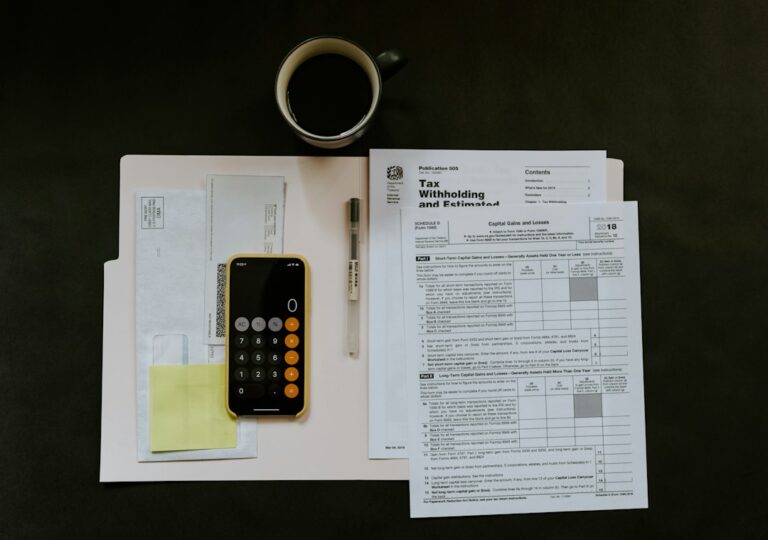 Selling for cash
FTB Form 593: Why Escrow Holds Back 3⅓% of a California Home Sale and How to Avoid It
Escrow generally withholds 3⅓% of a California sale price for the Franchise Tax Board unless you certify an exemption on Form 593.…
Read the guide → Inherited homes & probate
Medi-Cal Estate Recovery and the Family House: Who Owes, Who Is Protected and the Deadlines
Since 2017, Medi-Cal estate recovery reaches a house only if it passes through probate. See who is exempt, the 90-day notice and the 60-day waiver window.
Read the guide → Foreclosure & liens
The 90-Day Window That Can Block Your California Home Sale: Mechanics Liens
A mechanics lien can block your California home sale. Here's the 90-day deadline to record, foreclose, and clear it before escrow closes.
Read the guide → Foreclosure & liens
How an HOA Can Actually Foreclose on a California Home (and the Deadlines That Protect You)
California HOA liens aren't super-priority, but can foreclose in 75 days. See the delinquency, notice, and 90-day redemption rules that apply.
Read the guide → Divorce
Dividing a House in a Tustin Divorce
Dividing a Tustin house in divorce? See how Family Code 2550/2640, Prop 19's tax rule, and Mello-Roos/HOA costs affect the real buyout number.
Read the guide →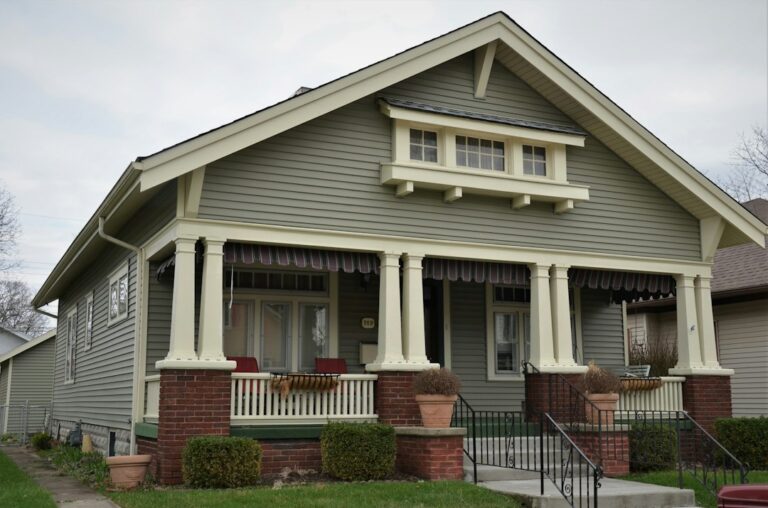 Selling as-is
Why Santa Ana’s Older Housing Stock Adds an Extra Disclosure to an As-Is Sale
An as-is sale in Santa Ana still needs a full TDS, and pre-1978 homes need a federal lead-paint disclosure too. Here is what the law actually requires.
Read the guide →