
Fremont Building Permits Guide for Homeowners and Sellers
- Unpermitted work, open permits, repairs needed: we buy it as-is
- Zero fees, zero commissions, zero closing costs
- No obligation: turn the offer down and owe us nothing
Permit Problems on Your Fremont House? Sell As-Is for Cash
Open permits and unpermitted work do not have to stop a sale. Tell us about the house and get a written cash offer.
Last updated November 13, 2026. Reviewed by the Cash Home Buyers CA team. Information comes from the City of Fremont Community Development and Building Safety pages; sources are listed at the end.
Fremont keeps permit and plan records for properties inside city limits, and the quickest way to learn whether work on a house was permitted is to read that history before you list. A buyer’s inspector, agent or lender may find a mismatch between the house and the records, so it helps to find it first.
Fremont building permit records at a glance
| Who keeps the records | City of Fremont, Planning and Building Permit Services |
| Online search | Citizen Access portal; the default search window is the last five years |
| What the portal shows | That a permit exists and its status, but not the plans or documents |
| Oldest records | Permit and plan records from 1956 on; the city has nothing earlier |
| Record format | Electronic or microfilm; permits submitted before March 1, 2021 were paper plans |
| Digital copies | Free, per the city’s records request page |
| Copies of plans | Need written permission from the professional who signed the plans and from the property owner |
| Separate permit rule | An ADU needs its own standalone permit, even if attached to the house |
How do I look up permits on a Fremont property?
Start with the city’s Citizen Access portal and search by address. Remember that the default search window is five years, so widen it if you are checking older work. The portal tells you whether a permit exists and where it stands, but it does not show the documents. For plans and older paperwork, the city runs a records request process, and its records start in 1956.
Read the history for three things: permits that were opened but never finaled, work you know was done that has no permit, and additions or conversions that do not match the original plans. An open permit with no final inspection is the one buyers and lenders ask about most.
Can I get copies of my Fremont house plans?
Often, with conditions. Digital copies are free according to the city, but copies of plans require written permission from the professional who signed them and from the property owner. If the original designer cannot be found, or if the house was built or altered before 1956, expect gaps. Permits submitted before March 1, 2021 were on paper, so older projects may take longer to retrieve than recent ones.
When does Fremont require a permit?
The city’s Building and Safety FAQ says a permit is required for residential accessory structures, including non-habitable storage sheds, workshops, gazebos, cabanas and similar structures, when they are larger than 120 square feet. If the structure includes electrical, mechanical or plumbing work, a permit is required regardless of size.
For an accessory dwelling unit, the city says the ADU needs its own permit, separate from other work on the main house, even when the ADU is attached.
That matters at sale time. A backyard room with wiring, a converted garage or a shed with plumbing is easy to build without paperwork and hard to explain later. If you are unsure whether something you or a prior owner built was permitted, check the portal before a buyer does.
How permits affect selling a house in Fremont
Permit problems usually come up in one of two ways. A buyer’s inspector or agent notices an addition or converted space that does not match the records, or the lender asks for proof that finished living space was legally built.
In California, sellers generally must disclose known problems, including work you know was done without a permit. On a traditional listing the usual choices are to finish the open permit, permit the work after the fact, lower the price, or give the buyer a credit. Each takes time and money, and any of them can move a closing date.
How to sell a house in Fremont with unpermitted work or open permits
- Pull the permit history first. Know what the city shows before you talk to a buyer.
- Write down what you know. Who did the work, when, and whether you have receipts, plans or inspection cards.
- Compare your options. Fix it yourself, sell with a price credit, or sell as-is to a cash buyer who prices the risk in.
- Disclose honestly. A cash offer does not change what you must disclose, but it removes the repair and inspection steps that cause delays.
We buy Fremont houses as they are, with no permit clean-up, repairs or showings. Read how selling a house as-is in Fremont works, or see our Fremont cash-offer process. If the house has been cited, read our Fremont code enforcement guide, and for backyard units see our Fremont zoning and ADU guide.
Not sure what your permit history means for a sale? Call (424) 435-2326 or request a cash offer. There is no cost and no obligation.
Fremont building permits FAQ
Where can I see old building permits for a Fremont address?
Search the city’s Citizen Access portal by address, keeping in mind the default five-year window. For documents and plans, use the city’s records request process; records begin in 1956.
Does the Fremont portal show my plans?
No. It shows that permits exist and their status, but not the documents. Plans must be requested from the city.
Can I sell a house in Fremont with an open permit?
Yes. An open permit does not legally stop a sale, but it can slow a traditional one. A cash buyer can purchase the house with the permit still open.
Do I need a permit for a shed in Fremont?
The city says a permit is required for accessory structures over 120 square feet, and for any size if electrical, mechanical or plumbing work is included.
Sources
- City of Fremont: Records Request
- City of Fremont: Building and Safety FAQs
- City of Fremont: Accessory Dwelling Units
This guide is general information, not legal advice. Permit rules and hours change; confirm requirements with the City of Fremont.
From the Blog
Latest guides for California home sellers
-

California’s Judicial Foreclosure Redemption Right: The One-Year Window Most Owners Never Hear About
California's rarer judicial foreclosure process comes with a statutory right to redeem the property for up to a year after the sale…
Read the guide → -
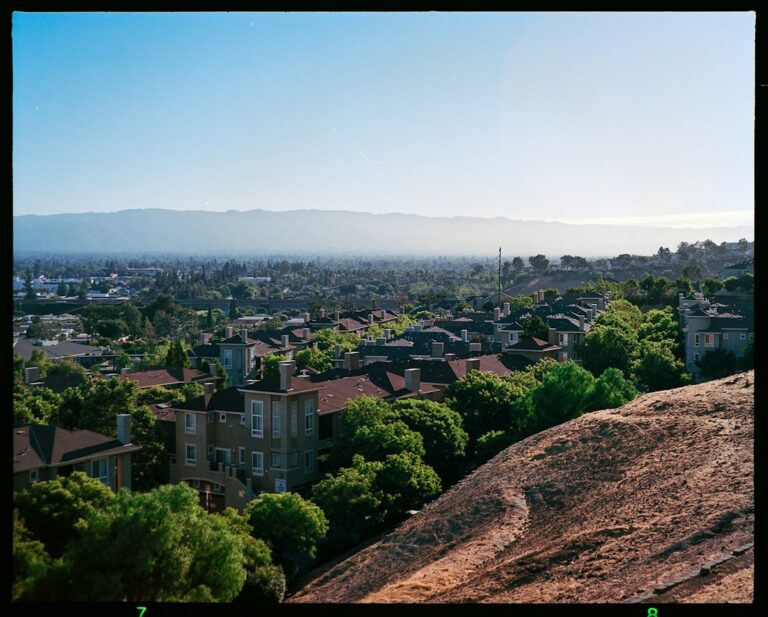
Santa Clara County’s Tax-Defaulted Property Auction: How to Claim the Excess Proceeds
When a Santa Clara County home isn't redeemed within the state's deadline, the county can sell it at public auction — and…
Read the guide → -
Pomona’s Rent Stabilization Ordinance Just Became Permanent: What Landlords Must Do Before Selling
Pomona's Ordinance No. 4359 became permanent on January 1, 2026, replacing the city's prior urgency ordinances and capping most rent increases at…
Read the guide → -
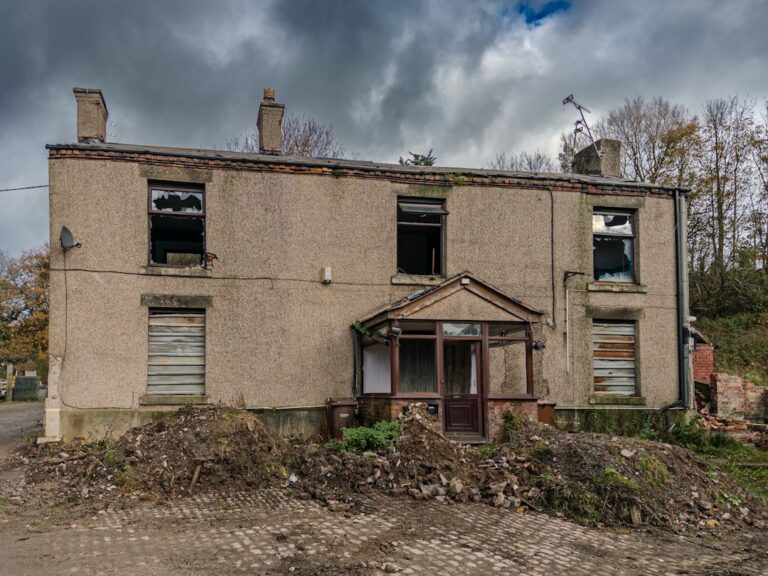
Compton’s Substandard Building Ordinance, Explained
Compton can order a dangerous or substandard house secured, repaired, or demolished under Municipal Code Chapter 14, and if the owner misses…
Read the guide → -
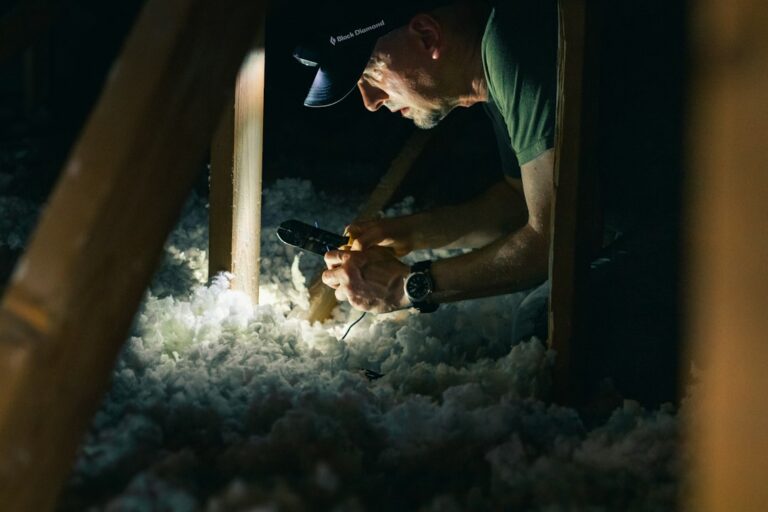
Chico’s RECO Inspection: What Sellers of Older Homes Must Fix Before Closing
Chico requires sellers of homes built before July 1, 1991 to pass a RECO energy and water retrofit inspection — or transfer…
Read the guide → -

Emeryville’s Just Cause Eviction Ordinance: Relocation Pay Under Municipal Code 5-40
Emeryville had its own just-cause eviction and relocation-assistance ordinance years before California’s statewide AB 1482 existed, and the local rule is still…
Read the guide → -

Malibu’s Six-Year Rebuild Deadline After the Palisades Fire: Municipal Code 17.60.020(C)
Malibu homeowners rebuilding after the January 2025 Palisades Fire have a hard deadline most residents outside the city have never heard of:…
Read the guide → -

California’s Security Deposit Cap: How AB 12 Limits What Landlords Can Collect
AB 12 caps most California security deposits at one month's rent, with a narrow exception for small landlords — plus new 2025…
Read the guide → -
California Civil Code §4525: The 11 HOA Documents You Must Hand a Buyer Before Closing
California Civil Code §4525 requires sellers inside an HOA to hand buyers 11 specific documents before closing — a list that just…
Read the guide →