
How Our Las Flores Cash-Offer Process Works
- Foreclosure, inherited, tenants, damage — we buy it
- Zero fees, zero commissions, zero closing costs
- No obligation — turn the offer down and owe us nothing


From First Call to Recorded Deed, Step by Step
See exactly how we evaluate, offer on, and close a purchase of your Las Flores house, start to finish.
Homeowners considering a cash sale in Las Flores often want to know exactly what happens after they reach out — not a vague overview, but the actual sequence of steps. Here is how Cash Home Buyers CA takes a Las Flores property from first contact to a recorded sale.
Step 1: Tell Us About the Property
It starts with a short conversation, by phone or through our online form, about the property’s location, condition, and your general timeline.
Las Flores sits near the intersection of Oso Parkway and Antonio Parkway, bordered by Rancho Santa Margarita, Coto de Caza, Ladera Ranch, and Mission Viejo, and it has never been part of any city, remaining unincorporated Orange County land since before Rancho Santa Margarita itself incorporated in 2000.
This call is simply information gathering — there is no cost or obligation attached to it.
Step 2: We Pull Comparable Sales in Your Specific Tract
Our team researches recent, closed comparable sales specific to your immediate Las Flores tract rather than a broader Orange County average.
Because the community was built almost entirely in a single wave during the 1990s as part of the larger Rancho Santa Margarita masterplan, comparable sales here tend to be genuinely comparable — similar age, similar square footage, similar lot sizes — which lets us price accurately without needing an extended evaluation period.
We combine those comps with the property’s current condition, any deferred maintenance, and the standing of its HOA, since nearly every tract in Las Flores carries a mandatory association such as the Las Flores Maintenance Corporations or the Sea Country Las Flores Homeowners Association.
Step 3: You Receive a Written Cash Offer
Most sellers receive a written offer within 24 to 48 hours of our initial evaluation. The number reflects an as-is purchase price — what you would actually walk away with is generally close to that figure since there is no agent commission, no repair costs, and no financing contingency to account for.
Movoto’s August 2026 figures for the Rancho Santa Margarita market, which Las Flores shares its ZIP code and school boundaries with, put the median sold price at roughly $860,000, which gives a rough benchmark, though your specific tract and condition move that number meaningfully in either direction.
Step 4: You Decide, With No Pressure
You review the offer on your own timeline. There is no obligation to accept, and no cost to walk away if it is not the right fit. If you would like adjustments discussed, or have questions about how the number was calculated, we are glad to go through it with you line by line rather than simply restating a final figure.
Step 5: We Open Escrow With a Licensed Orange County Title Company
Once you accept, we open escrow with a licensed Orange County title and escrow company.
This is the same type of neutral third party used in any traditional home sale, responsible for holding funds, handling the title search, and preparing closing documents — it is not something we handle ourselves, which is an important safeguard for you as the seller and one of the clearest signs of a legitimate cash buyer versus one that is not.
Step 6: Title Search, HOA Disclosures, and Payoff Coordination
Escrow runs a title search to confirm ownership and identify any liens, unpaid property taxes, or HOA balances that need to be paid off at closing, which matters in Las Flores specifically given how consistently the community is HOA-governed.
California law also requires the HOA to provide a disclosure package covering current financials, meeting minutes, and any pending litigation or special assessments before close of escrow, and we order that directly as part of this step.
If there is an existing mortgage, escrow coordinates the payoff amount directly with your lender so it is handled correctly as part of the closing statement.
Step 7: Signing
You will sign closing documents either in person with a local notary or, if you have already relocated or simply prefer it, remotely through California’s legally recognized remote online notarization process. Either way, escrow walks you through every document before you sign, and there is no requirement that both you and any co-owner sign in the same location on the same day.
Step 8: Recording and Funding
Once signing is complete on both sides, the deed is recorded with the Orange County Clerk-Recorder in Santa Ana, and the standard California documentary transfer tax of $1.10 per $1,000 of sale price applies as part of closing costs.
If you are a non-California resident, California withholding under Revenue and Taxation Code Section 18662, using FTB Form 593, may apply and is calculated by escrow ahead of time so there are no surprises at the closing table.
Funds are then wired or issued to you the same day or the next business day after recording.
Step 9: Keys and Move-Out
If you need extra time to finish moving, we can often arrange a short rent-back so you are not forced out the moment escrow closes. Otherwise, you hand over keys and the transaction is complete. Either way, there is no walkthrough requirement for us the way there would be for a retail buyer’s final inspection — we buy the property in the condition we evaluated it in.
How Long the Whole Process Actually Takes
From first contact to a funded closing, most Las Flores transactions take two to three weeks, largely driven by how quickly title, the HOA disclosure package, and any existing mortgage payoff can be confirmed.
A trust sale with clear title and a responsive HOA management company can move toward the faster end of that range; a probate sale, a foreclosure timeline, or a title issue that needs to be resolved first can extend it.
We are upfront about which factors are driving your specific timeline rather than quoting a single number that does not reflect your actual situation.
What Makes This Different From a Traditional Listing
A traditional sale in this market involves listing the home, staging and showings, negotiating a purchase agreement, and then a buyer’s financing and inspection contingency period that typically adds 45 or more days after an accepted offer, on top of Movoto’s August 2026 figure of a 42-day median time to an accepted offer in the surrounding Rancho Santa Margarita market.
That process also usually requires repairs or credits negotiated after inspection, an appraisal that has to support the loan amount, and the buyer’s lender clearing to close before funds are released.
Our process removes each of those specific steps: no listing period, no financing contingency, no appraisal requirement tied to a lender, and no repair negotiation, since the offer already accounts for the property’s condition as it stands.
What We Look At When We Evaluate a Las Flores Property
Our evaluation covers a handful of specific things rather than a generic checklist: the property’s condition, including its roof, foundation, plumbing, and electrical systems, since Las Flores homes built in the 1990s are now old enough that original mechanical systems in an unrenovated house are a real factor; the HOA the property falls under, since dues, any special assessments, and rental restrictions differ somewhat between associations like the Las Flores Maintenance Corporations and the Sea Country Las Flores Homeowners Association; recent comparable sales in that specific tract; and any title issues, liens, or occupancy situations, such as a tenant in place, that need to be accounted for before a number is finalized.
We can generally complete this evaluation from a phone conversation, photos, or a brief walkthrough, without requiring a full open-house-style showing process.
Working With Attorneys, Trustees, and Personal Representatives
Many Las Flores sales involve more than just a single owner making a decision alone — a trustee selling on behalf of a trust, a personal representative selling during probate through the Orange County Superior Court’s probate division at the Costa Mesa Justice Complex, or both spouses and their respective attorneys working through a divorce sale governed by Automatic Temporary Restraining Orders.
We are comfortable working directly with an attorney, trustee, or personal representative throughout the process, providing whatever documentation they need and adjusting our own paperwork to match the specific authority a trust, a will, or a court order grants for the sale.
This flexibility is often what separates a stalled sale from one that actually closes on a family’s timeline.
Frequently Asked Questions
How long does the whole process take?
From first contact to a funded closing, most Las Flores transactions take two to three weeks, though we can move faster or slower to match your needs.
Do I pay any fees or commissions?
No agent commission applies to a direct sale, and there are no fees to get an offer or walk away from one.
Who handles the paperwork and funds?
A licensed, independent Orange County title and escrow company handles all funds, the title search, and closing documents, the same as in any traditional sale.
Can I close remotely if I have already moved?
Yes, through California’s legally recognized remote online notarization process, plus electronic document delivery and wired proceeds.
Do you handle HOA paperwork for me?
Yes. We order the required HOA disclosure package directly during escrow rather than asking you to request it from the management company yourself.
Get a free, no-obligation cash offer on your Las Flores property. Call or text 424-435-2326 to get started.
Seller Guides
Helpful guides for homeowners in Las Flores
Plain-English answers to the questions sellers ask us most.
 Relocating
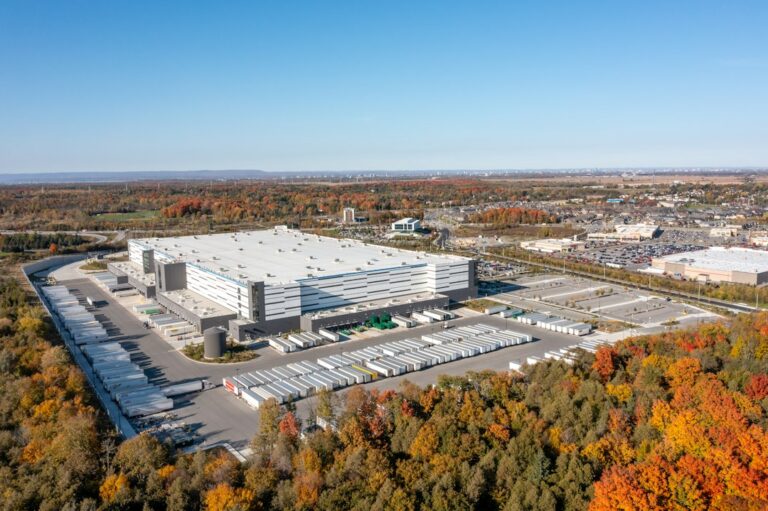
Fontana’s Warehouse Boom: What It Means If You’re Relocating
Fontana grew from a wartime steel town into an Inland Empire logistics hub. See what that shift means for home values and selling if you are relocating.
Read the guide → Selling for cash
Why an Orange County Home Sale Triggers a Supplemental Tax Bill Months Later
Orange County bills new owners separately after a sale, with a 60-day appeal window. See how proration works and what sellers should check before closing.
Read the guide → Inherited homes & probate
Partition Actions Between Heirs: How California Law Forces a House Sale
California heirs can force a house sale through a partition action under CCP 872-874, with court referees, confirmation hearings, and buyout rights.
Read the guide →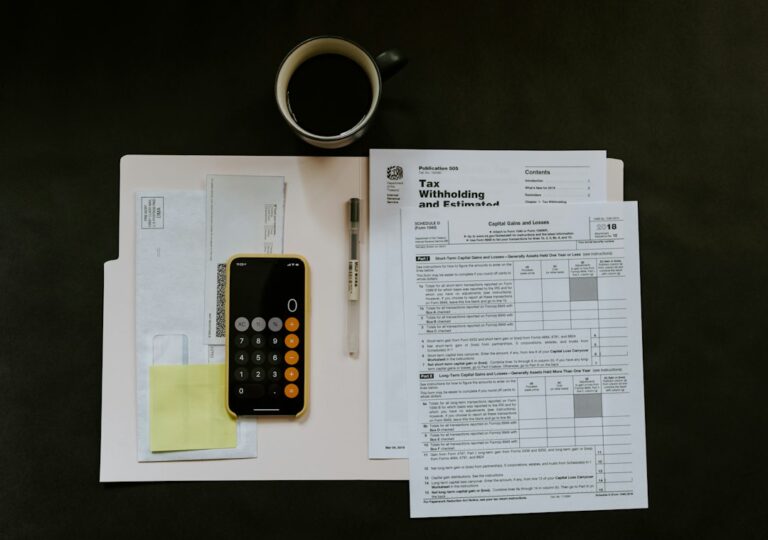 Selling for cash
FTB Form 593: Why Escrow Holds Back 3⅓% of a California Home Sale and How to Avoid It
Escrow generally withholds 3⅓% of a California sale price for the Franchise Tax Board unless you certify an exemption on Form 593.…
Read the guide → Inherited homes & probate
Medi-Cal Estate Recovery and the Family House: Who Owes, Who Is Protected and the Deadlines
Since 2017, Medi-Cal estate recovery reaches a house only if it passes through probate. See who is exempt, the 90-day notice and the 60-day waiver window.
Read the guide → Foreclosure & liens
The 90-Day Window That Can Block Your California Home Sale: Mechanics Liens
A mechanics lien can block your California home sale. Here's the 90-day deadline to record, foreclose, and clear it before escrow closes.
Read the guide → Foreclosure & liens
How an HOA Can Actually Foreclose on a California Home (and the Deadlines That Protect You)
California HOA liens aren't super-priority, but can foreclose in 75 days. See the delinquency, notice, and 90-day redemption rules that apply.
Read the guide → Divorce
Dividing a House in a Tustin Divorce
Dividing a Tustin house in divorce? See how Family Code 2550/2640, Prop 19's tax rule, and Mello-Roos/HOA costs affect the real buyout number.
Read the guide → Selling as-is
Why Santa Ana’s Older Housing Stock Adds an Extra Disclosure to an As-Is Sale
An as-is sale in Santa Ana still needs a full TDS, and pre-1978 homes need a federal lead-paint disclosure too. Here is what the law actually requires.
Read the guide →