
Why Santa Ana’s Older Housing Stock Adds an Extra Disclosure to an As-Is Sale
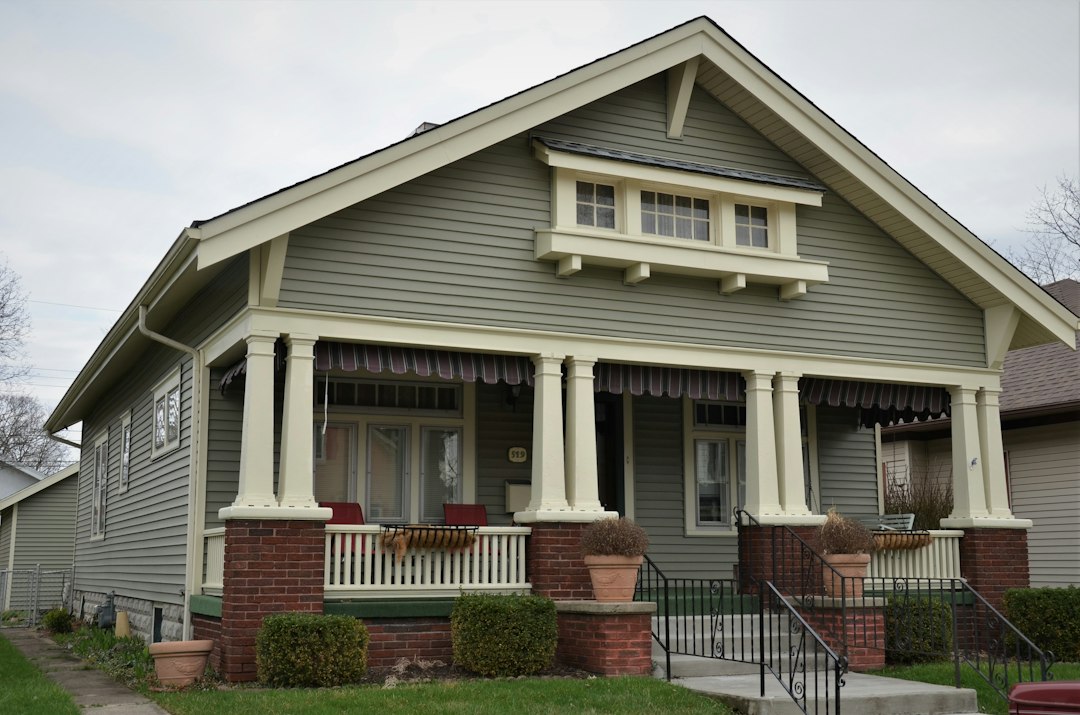
Selling a Santa Ana house “as-is” does not shrink your disclosure obligations — it only means the buyer is agreeing to take the property in its current condition instead of asking you to make repairs. California still requires the same Transfer Disclosure Statement either way, and in Santa Ana specifically, the city’s unusually old housing stock adds a federal disclosure most as-is sellers elsewhere in Orange County never have to think about: lead-based paint. Here’s what actually has to go in front of a buyer before you close, as-is or not — and which of these items are genuinely driven by the city’s own history rather than by generic California disclosure law.
“As-Is” Changes Who Pays for Repairs, Not What You Disclose
Under Civil Code Section 1102 and the sections that follow it, nearly every seller of residential property with one to four units must complete and deliver a Real Estate Transfer Disclosure Statement to the buyer, listing known material facts about the property’s condition — structural issues, roof problems, plumbing or electrical defects, past flooding, unpermitted work, neighborhood nuisances, and more. An “as-is” clause in the purchase contract tells the buyer that you won’t be fixing anything they find; it does not exempt you from filling out the TDS truthfully, and it does not protect you if you knew about a problem and left it off the form. Courts have been consistent on this point: “as-is” governs repair obligations, not honesty about known defects.
The TDS requirement does have real exemptions under Civil Code Section 1102.2 — including certain court-ordered transfers, foreclosure sales, and transfers between co-owners — but a standard voluntary sale by an individual owner in Santa Ana does not qualify for any of them. If you’re selling as-is because the house needs work you don’t want to pay for, you still complete the same disclosure paperwork a seller doing a full remodel-and-list would use.
Why Santa Ana’s Age Changes the Checklist
Santa Ana incorporated on June 1, 1886 with roughly 2,000 residents, making it the oldest incorporated city in Orange County and its county seat. That history is still visible in the housing stock: the city has four recognized historic districts — the Downtown Santa Ana National Register District, the Downtown Santa Ana Historic Districts, the French Park Historic District, and the Historic South Main Business District — along with pockets of homes in the former rural area of Greenville that are over a century old. The 2020 Census counted 310,227 residents and 79,181 housing units citywide, a far older average housing age than most of the newer master-planned cities in central and south Orange County.
That age matters for one disclosure in particular. Under the federal Residential Lead-Based Paint Hazard Reduction Act of 1992 (42 U.S.C. § 4852d) and its implementing rule, anyone selling a home built before 1978 — when lead-based residential paint was banned — must provide the buyer with an EPA-approved lead hazard information pamphlet, disclose any known lead-based paint or lead hazards on the property, and give the buyer a 10-day period to conduct a lead inspection or risk assessment before being bound to the contract, unless the buyer waives that right in writing. This obligation sits on top of the TDS and the Natural Hazard Disclosure Statement, and an “as-is” sale does not waive it. A 2020 soil study covering parts of the city also found lead concentrations roughly five times higher in lower-income areas than in wealthier ones — a reminder that in neighborhoods with Santa Ana’s building history, lead isn’t a theoretical checkbox but a documented local concern, particularly relevant where children will occupy the home.
The disclosure pamphlet and the 10-day inspection window are about what the buyer learns before they’re bound to the deal, but it’s worth knowing the obligation doesn’t end there for whoever buys the house next. The EPA’s separate Renovation, Repair, and Painting Rule requires any contractor disturbing more than a small area of paint in a pre-1978 home — a kitchen remodel, replacing old windows, even some plumbing work that cuts into painted walls — to follow lead-safe work practices. That’s the new owner’s problem once escrow closes, not yours as the seller, but it’s a detail that sophisticated Santa Ana buyers in the historic districts often already know to ask about, and it’s one more reason a thorough, honest lead disclosure up front tends to produce a smoother transaction than a bare-minimum one.
The Natural Hazard Disclosure Statement Still Applies
Separately from the TDS, Civil Code Section 1103 requires a Natural Hazard Disclosure Statement identifying whether the property sits in a special flood hazard area, an earthquake fault zone, a seismic hazard zone, a wildfire or fire-severity zone, or similar designated hazard areas. We’ve covered the full NHD requirement elsewhere, but it’s worth noting locally: the Santa Ana River runs through the western end of the city, and while it is largely channelized and controlled by upstream dams today, it produced several severe floods historically and the disclosure form still has to answer the flood-zone question honestly for any parcel that sits within a mapped flood hazard area near that corridor. Most of Santa Ana’s residential tracts sit outside the mapped flood zone, but the seller’s agent — or the seller, in an unrepresented sale — has to actually pull the current flood map for the specific parcel rather than assume based on the neighborhood. A parcel a few blocks from the channel can carry a completely different designation than one further inland, and the NHD form itself requires a yes, no, or “do not know” answer rather than a guess, so the honest answer when the map hasn’t been checked is “do not know and information not available,” not a confident “no” based on general impression.
Asbestos Is a Disclosure Issue, Not a Testing Mandate
A lot of Santa Ana homes built from the 1940s through the 1970s still have original popcorn ceiling texture, vinyl floor tile, or pipe insulation — all common carriers of asbestos in that era of construction. California does not require a seller to test for asbestos before selling, and a seller with no actual knowledge of an asbestos problem is not expected to go looking for one. But if a popcorn ceiling, floor tile, or insulation has already been tested — because of a prior renovation, an old inspection report, or a contractor’s work order — and the result came back positive, that has to be stated plainly on the TDS rather than left out. Concealing a known result, as opposed to simply not testing in the first place, is the line between an ordinary as-is sale and a misrepresentation claim down the road. If you have old paperwork from a past remodel sitting in a drawer, it’s worth checking before you fill out the disclosure form, not after a buyer’s own inspector finds it independently.
A Mills Act Contract Can Follow the House to Its Next Owner
Santa Ana runs its own Historic Property Preservation Agreement program under the statewide Mills Act, first adopted in 1972, which lets owners of qualified historic properties trade a formal preservation commitment — maintaining the structure to specific standards — for a reduction in property taxes. If the house you’re selling carries one of these agreements, it matters well beyond the tax bill: Mills Act contracts are recorded against the property and generally run with the land under state law, meaning the maintenance obligations and the tax benefit both carry forward to whoever buys the house, not just to you as the current owner. That’s a material fact worth disclosing and discussing with the buyer directly, since a buyer who doesn’t want to maintain a historic structure to the city’s standards — or who assumed the lower tax bill was personal to you rather than tied to the property — can run into problems after closing that have nothing to do with the house’s physical condition. Santa Ana’s planning department can confirm whether a specific address carries an active agreement and what it actually requires. It’s also worth checking the current property tax bill itself: a Mills Act contract shows up as a noticeably lower assessed value relative to comparable non-contract homes nearby, and a buyer’s own research will likely turn that discrepancy up even if it never comes up in conversation, so addressing it directly tends to go over better than letting a buyer feel like they found something you didn’t mention.
Unpermitted Work Shows Up More Often in Older Neighborhoods
Decades of ownership turnover in a historic city tend to produce more undocumented additions, converted garages, and older electrical panels than a neighborhood built in a single decade under modern code. Unpermitted work and known code violations are themselves required TDS disclosures, and an as-is sale doesn’t make them disappear from the form — it just shifts responsibility for addressing them from the seller’s wallet to the buyer’s decision about whether to proceed. Buyers in Santa Ana’s historic districts, in particular, should expect extra scrutiny from their own inspectors and lenders if a renovation or addition doesn’t match city permit records, since some of these districts carry additional design-review requirements for alterations that a buyer’s contractor will need to navigate going forward, even though that review requirement itself isn’t something the seller has to disclose on the TDS.
A practical example comes up often in a city with this much turnover: a detached garage converted into a bedroom or home office decades ago, grandfathered in the seller’s mind simply because it’s been that way “forever.” Long-standing use doesn’t convert unpermitted square footage into permitted square footage, and an appraiser working from the county assessor’s recorded square footage can flag the discrepancy even when every inspection otherwise goes smoothly. Disclosing the conversion honestly up front — rather than letting a buyer’s lender discover it mid-escrow — tends to keep a deal from unraveling at the worst possible moment, even if it means the buyer negotiates around it rather than walking away entirely.
What Actually Changes Once You Mark the Box “As-Is”
With the disclosure obligations unchanged, the practical difference an as-is sale makes is in the purchase contract’s repair-request language and in how a buyer’s lender treats the property. A conventional or FHA buyer’s appraiser can still require certain health-and-safety items to be fixed before the loan funds, regardless of what the purchase contract says about “as-is” — chipping exterior paint on a pre-1978 home, exposed wiring, or a non-functioning water heater are common examples that can stall a financed closing even when the buyer agreed up front to take the property as it sits. FHA’s minimum property standards are particularly strict about exactly this kind of peeling or chipping paint on older homes, precisely because of the lead-paint history described above, which means an FHA buyer’s appraisal can effectively force a repair that an “as-is” clause in the purchase contract never contemplated. That’s a separate issue from disclosure law, but it’s the main reason sellers of genuinely rough older Santa Ana homes often look for a cash buyer who can close without an appraisal contingency, rather than assuming “as-is” in the contract fully protects them from repair demands.
When a Cash Sale Is the Wrong Choice
A direct cash sale isn’t automatically the better outcome just because a house is old or needs cosmetic work. If a Santa Ana home is structurally sound and the main issues are paint, flooring, or dated finishes rather than foundation, roof, or systems problems, a conventional listing — disclosing everything honestly, including the lead pamphlet for pre-1978 construction — can often net a meaningfully higher price than a cash investor offer, even after factoring in commission, because retail buyers in several of Santa Ana’s historic districts specifically want original character and are willing to pay for it. A cash sale tends to make more sense when the repairs needed are the kind that would fail a lender’s appraisal requirements outright, when a title or permit problem would slow down a financed buyer’s underwriting for months, when the seller is an out-of-area heir who doesn’t want to manage inspections and contractor bids from a distance, or when speed and certainty matter more than squeezing out the last few percent of sale price. Weighing both paths with real numbers — not assumptions about what “as-is” protects you from — is worth doing before picking either one.
There’s a specific version of this trade-off worth naming for a historic-district property: a house with genuine architectural character from the 1920s or 1930s, even in rough physical condition, can sometimes draw a buyer who specifically wants a restoration project and is willing to pay closer to retail value for the bones of the house. A generic postwar tract home with the same level of deferred maintenance usually doesn’t carry that same premium, since there’s nothing architecturally distinct pulling a buyer toward the extra work. Knowing which category your house falls into — character buyers will pay for, or a plain property that just needs to sell — is part of deciding whether the extra time a retail listing takes is worth it.
First Steps
- Pull the parcel’s current flood-zone status before completing the Natural Hazard Disclosure Statement — don’t assume based on the neighborhood
- If the home was built before 1978, get the EPA lead pamphlet and lead disclosure form ready alongside the TDS
- Pull city permit records for any additions or conversions so the TDS reflects what’s actually documented
- Get a contractor’s rough repair estimate before deciding between listing as-is and selling to a direct buyer
- Keep utilities and insurance active through closing regardless of which path you choose
This is general information rather than legal advice, and specific disclosure forms and local requirements can change, so confirm current obligations with a California real estate attorney or your listing agent before signing anything. The paperwork itself isn’t difficult once you know what applies to a house of this age in this particular city — the TDS, the NHD statement, and, where relevant, the lead pamphlet and a Mills Act disclosure — it’s just more than a generic as-is checklist assumes. If the repair list or the disclosure paperwork feels like more than you want to manage, Cash Home Buyers CA can make a no-obligation cash offer on the house as it sits today. See our Santa Ana as-is sale page for how that works locally.