
Our Cash Offer Process in Olive, CA
- Simple, transparent, step-by-step process
- Zero fees, zero commissions, zero closing costs
- No obligation — turn the offer down and owe us nothing


From First Call to Closed Escrow
See exactly what happens at each step when you sell your Olive house to us, and how long each part typically takes.
Not knowing what actually happens after you reach out is one of the biggest reasons homeowners hesitate to contact a cash buyer. Here’s exactly how Cash Home Buyers CA works with Olive homeowners, from the first phone call through a recorded deed.
Step 1: Tell Us About the Property
The process starts with a conversation, either by phone, text, or through the form on this page. We’ll ask basic questions: the property’s address, its general condition, why you’re selling, and what timeline you’re working with. There’s no cost and no commitment attached to this step — it’s simply how we get enough information to schedule a walkthrough.
Step 2: A Walkthrough of the Property
We schedule a time to see the house, either in person or over a video call if that’s easier for you. This step matters because it’s what lets us build an offer around the actual condition of the property rather than a generic estimate.
For older homes common in Olive, this is especially important — the walkthrough lets us account for things like an aging roof, original electrical, or foundation wear directly in the offer instead of surprising you with a lower number later.
Step 3: We Research Comparable Sales
Alongside the walkthrough, we look at recent comparable sales in and around Olive to understand current market conditions for a property like yours.
Because Olive is a smaller, unincorporated area, comparable sales sometimes come from a slightly wider radius than they would in a larger city with more transaction volume, which is part of why the in-person or video walkthrough matters — it helps ground the comps in your property’s actual condition and features.
Step 4: You Receive a Written Cash Offer
Typically within 24 to 48 hours of the walkthrough, you receive a written offer with no obligation attached. There’s no pressure to accept immediately — take time to review it, ask questions, or compare it against other options. If the offer doesn’t work for you, there’s no cost or consequence to walking away.
Step 5: Opening Escrow
Once you accept, we open escrow with a licensed, independent title and escrow company. This is a neutral third party that holds funds and documents until every condition of the sale has been met, which protects both sides of the transaction.
The title company also runs a title search to confirm ownership and identify anything — like an existing mortgage or lien — that needs to be paid off or resolved as part of closing.
Step 6: Signing and Recording
Once title work is clear and paperwork is prepared, you’ll sign closing documents, often at the title company or through a mobile notary who can meet you wherever is convenient. After signing, the deed is recorded with Orange County, officially transferring ownership, and funds are disbursed according to the closing statement — including payoff of any existing mortgage or liens, with the remaining proceeds going to you.
How Long the Whole Process Takes
Because there’s no lender involved, we can typically move from an accepted offer to a closed, funded sale in as little as 7 to 14 days.
If you need more time — to finish moving, coordinate with other parties, or simply because there’s no rush on your end — we can set a later closing date, or arrange a short rent-back so you can stay in the home past closing while you finish your plans.
What You Don’t Have to Do
At no point in this process do you need to make repairs, clean the house, stage it for showings, or pay a commission. The offer you accept is the number reflected at closing, minus only payoffs of existing debt against the property, such as a mortgage or recorded liens.
How We Handle Special Situations Along the Way
Not every Olive property is a straightforward vacant sale, and the process flexes to fit. If you’re selling an inherited house, we can coordinate directly with the estate’s executor or attorney and adjust the timeline around probate requirements.
If the property has a tenant in place, the walkthrough and offer account for the existing lease rather than requiring a vacancy. If you’re facing a foreclosure deadline, we prioritize moving quickly through each step so there’s a realistic chance of closing before a scheduled trustee sale.
The core process stays the same; what changes is how much we compress or coordinate around your specific circumstances.
What Makes Olive Different From a Larger Neighboring City
Because Olive is unincorporated and largely surrounded by the City of Orange, some administrative steps — permit history checks, zoning questions, code compliance records — route through Orange County rather than a dedicated city planning department.
That doesn’t change anything about the offer you receive, but it’s one more reason our own diligence process, rather than relying solely on public listing data, matters for getting an accurate, fair offer put together quickly.
Frequently Asked Questions
How long does the whole process take from start to finish?
From first contact to closing, the fastest path is typically 9 to 16 days, though the exact timeline depends on your preferences and the property.
Is there any obligation once I request an offer?
No. Requesting and receiving an offer carries no obligation to accept it.
Who handles the paperwork?
A licensed, independent title and escrow company manages the paperwork, title search, and fund disbursement.
What if the walkthrough reveals more work than expected?
The offer is built around what we find during the walkthrough, so there’s no separate renegotiation afterward based on condition.
Do I need an attorney or agent involved?
It’s not required, though you’re always welcome to have an attorney review any documents before you sign.
Get a free, no-obligation cash offer from Cash Home Buyers CA today.
Seller Guides
Helpful guides for homeowners in Olive
Plain-English answers to the questions sellers ask us most.
 Rentals & tenants
Emeryville’s Just Cause Eviction Ordinance: Relocation Pay Under Municipal Code 5-40
Emeryville's Municipal Code 5-40 requires just cause from day one and relocation pay scaled by landlord size, stricter than statewide AB 1482.
Read the guide → Selling for cash
California’s Security Deposit Cap: How AB 12 Limits What Landlords Can Collect
AB 12 caps most California security deposits at one month of rent, with a narrow two-month exception for small landlords and new 2025 photo rules.
Read the guide → Selling as-is
California Civil Code §4525: The 11 HOA Documents You Must Hand a Buyer Before Closing
California Civil Code 4525 requires HOA sellers to hand buyers 11 documents before closing, including the new balcony inspection report requirement.
Read the guide →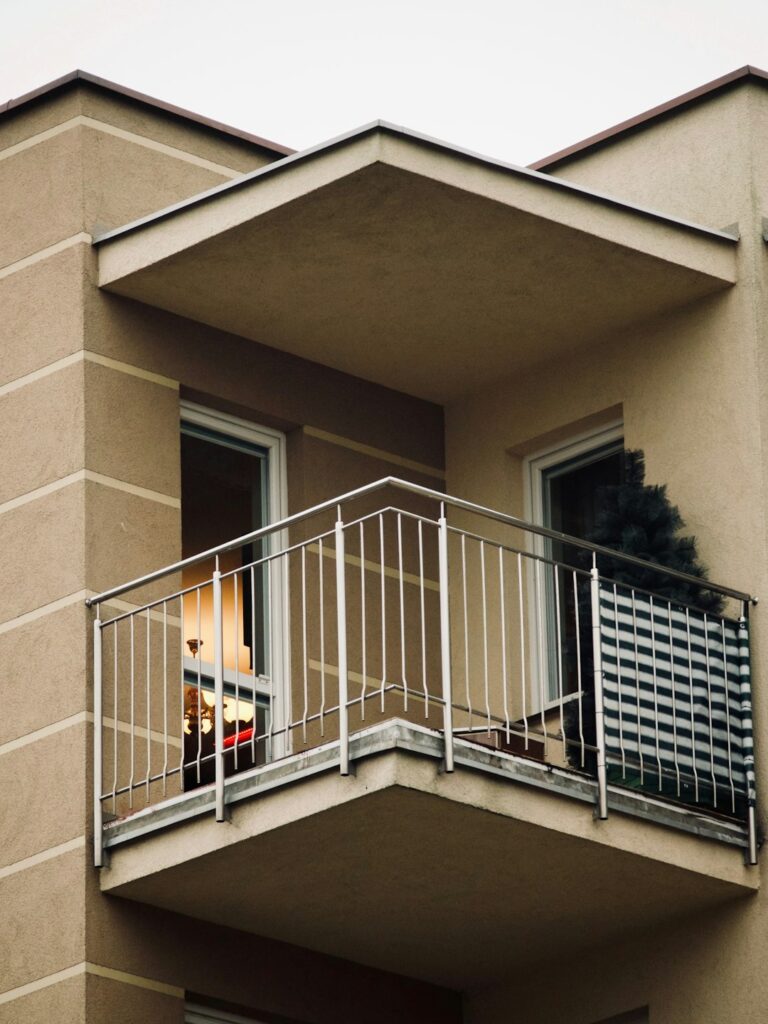 Selling for cash
California’s Balcony Inspection Law: What SB 721 and SB 326 Require Before You Sell
SB 721 and SB 326 require California balcony and deck inspections on rentals and condos, with deadlines already passed. What sellers should check.
Read the guide → Selling for cash
California’s AB 1482 Rent Cap: How the 5% Plus CPI Formula Actually Works
AB 1482's rent cap runs on a 5% plus regional CPI formula, capped at 10%, that resets every August 1. Here's how…
Read the guide →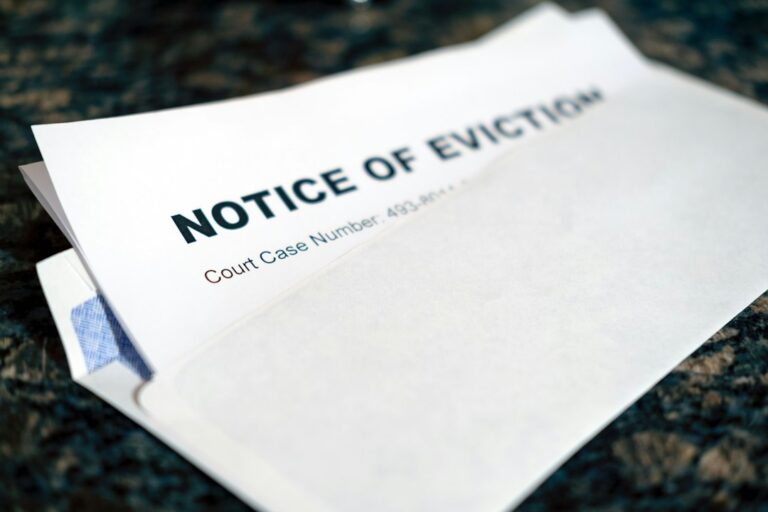 Rentals & tenants
California’s Just Cause Eviction Notice: What Civil Code 1946.2 Requires
Civil Code 1946.2 requires a stated reason to end most tenancies after 12 months, and one month's rent in relocation pay within 15 calendar days.
Read the guide → Selling for cash
When a Mobile Home Park Closes in California: The Notice and Relocation Rules
California requires an impact report, a relocation plan, and up to 12 months' notice before a mobile home park can close. Here's how the process works.
Read the guide → Selling for cash
San Joaquin County Supplemental Tax Bill Explained
A second tax bill after buying or inheriting a San Joaquin County house isn't a mistake. Here's how the county calculates it, and when it bills you twice.
Read the guide → Foreclosure & liens
Can a Lender Sue You After a California Foreclosure? Anti-Deficiency Rules Explained
In most California foreclosures the lender can't sue for the unpaid balance after sale. Here's when anti-deficiency protection applies, and when it fails.
Read the guide →