
Placer County Property Tax Guide for Homeowners and Sellers
- Behind on property taxes, inherited, tenants, repairs — we buy it
- Zero fees, zero commissions, zero closing costs
- No obligation — turn the offer down and owe us nothing
Owe Property Taxes? Get a Cash Offer Before the Next Deadline
Unpaid Placer County property taxes are paid from your sale proceeds at closing. Tell us about the house and get a written cash offer.
Last updated November 13, 2026. Reviewed by the Cash Home Buyers CA team. Figures come from the Placer County Tax Collector, Treasurer’s office and Clerk-Recorder pages and from the California State Board of Equalization; sources are listed at the end.
Placer County property tax is 1 percent of your home’s assessed value plus any voter-approved debt rates, billed in two installments that go late after December 10 and April 10. A late payment carries a 10 percent penalty, and the second installment adds a $10 cost.
If you sell a house with taxes owed, the escrow company pays them from your proceeds at closing. This guide covers how to sell a house in Placer County when taxes are unpaid, what the deadlines are, and what the penalties cost.
Placer County property tax at a glance
| Base rate | 1% of taxable value, plus voter-approved debt rates (California State Board of Equalization) |
| First installment | Due November 1, delinquent after 5 p.m. on December 10, with a 10% penalty |
| Second installment | Due February 1, delinquent after 5 p.m. on April 10, with a 10% penalty plus a $10 cost |
| After June 30 | Unpaid taxes are in default: a $15 redemption fee plus 1.5% a month (18% a year) |
| Pay online | Credit or debit card or e-check through Invoice Cloud; card fee 2.45% with a $2.75 minimum |
| Tax Collector | 2976 Richardson Drive, Auburn, CA 95603. Front counter Monday to Friday, 8 a.m. to 5 p.m. (530) 889-4120 |
| Assessor | (530) 889-4300 |
| Transfer tax when you sell | $0.55 per $500 of the sale price, paid when the deed is recorded |
When are Placer County property taxes due?
The first installment is due November 1 and is delinquent after 5 p.m. on December 10. The second is due February 1 and is delinquent after 5 p.m. on April 10. You may also pay both installments together with the first. For the 2026-27 bill, the first deadline is Thursday, December 10, 2026.
- Mailed payments need a U.S. Postal Service postmark on or before the deadline. With no postmark, the payment has to arrive by 5 p.m. on or before the due date.
- The county says penalties are not waived because a bill did not arrive. If you have not received yours, contact the Tax Collector.
- Payments left in the drop box after 5 p.m. on the due date count as late.
- Taxes remain a lien on the property until they are paid, and a new owner is responsible for paying on time even without a bill.
How much is property tax in Placer County?
You pay 1 percent of taxable value plus the voter-approved debt rates that apply to your parcel. The State Board of Equalization explains that Proposition 13 generally limits yearly increases in the base year value to 2 percent, until the property changes ownership or has new construction. That is why a long-time owner in Auburn or Lincoln can pay much less than the neighbor who bought last year.
An owner-occupied home can qualify for the Homeowners’ Exemption, which reduces taxable value by $7,000. It is a one-time filing with the county Assessor, who can be reached at (530) 889-4300. The Assessor also handles questions about changes in assessed value, and the county says informal reviews of a value change start with the Assessor, by January 1 of the tax year.
Placer County property tax late-payment calculator
Enter the amount of an unpaid installment to see the 10 percent penalty, the second-installment cost and the default charges after June 30. Use the figures from your own bill.
Estimate only. Uses the 10% penalty, the $10 second-installment cost, the $15 redemption fee and 1.5% a month, and leaves out other charges on your bill.
How do I pay my Placer County property taxes?
The Tax Collector accepts payment three ways. Look up your bill and pay on the county’s payment page, mail a check, or pay in person at 2976 Richardson Drive in Auburn.
- Online or by phone: credit or debit card or e-check through the third-party vendor Invoice Cloud. Cards carry a 2.45 percent fee with a $2.75 minimum, and phone payments add $1.95. The county lists no fee for e-check.
- By mail: Placer County Tax Collector, 2976 Richardson Drive, Auburn, CA 95603, postmarked on or before the due date.
- In person: the front counter takes check, cashier’s check, money order or cash, from 8 a.m. to 5 p.m. on weekdays except major holidays. It does not accept EFT.
If a lender pays from an impound account, still confirm that the payment posted. A prior-year balance shows up on your bill as “prior year taxes in default.”
What happens if I don’t pay property taxes in Placer County?
A late installment is charged a 10 percent penalty immediately, plus a $10 cost on the second. If any amount is still unpaid after the June 30 fiscal year-end, the taxes are in default: the county adds a $15 redemption fee and a 1.5 percent monthly penalty, which is 18 percent a year.
The monthly charge is what hurts. On a $2,500 installment, the first penalty is $250 and each month in default adds another $37.50. Letting it run for a year adds $450 in monthly charges before the redemption fee.
The county’s options for catching up are to pay the back taxes in full, or to open a five-year installment plan of redemption. Taxes in default do not go away on their own, and tax-defaulted property can eventually be sold, so if you are in this position, call the Tax Collector at (530) 889-4120 and ask for the exact redemption amount for the month you plan to pay or close.
What is a supplemental tax bill in Placer County?
A supplemental bill is an extra bill issued when a property is reassessed after a change in ownership or new construction. The State Board of Equalization explains that a prorated supplemental assessment covers the rest of the fiscal year: a higher value produces a bill, and a lower value produces a refund. It is separate from the regular annual bill and must be paid on its own schedule.
The Placer County pages reviewed for this guide do not list supplemental due dates, so ask the Assessor at (530) 889-4300 or the Tax Collector at (530) 889-4120 when you expect to buy, sell or inherit. If you inherited the house, see how to sell an inherited house in Placer County with our local cash buying team.
How to sell a house in Placer County when you owe property taxes
You can sell a house in Placer County with unpaid property taxes. Taxes are a lien on the home, so the escrow company pays what is owed from your proceeds at closing and the buyer receives the property with the taxes current.
- Get your payoff figure. Call the Tax Collector at (530) 889-4120. Defaulted amounts grow each month, so ask for the amount due in the month you expect to close.
- Expect proration. The current year’s tax is split between you and the buyer by the closing date.
- Budget for transfer tax. Placer County’s recorder FAQ says the documentary transfer tax is 55 cents per $500 of the sale price, due at recording. On a $600,000 sale that is $660.00. The purchase contract sets who pays.
- Watch the calendar. Closing before December 10 or April 10 avoids the 10 percent penalty on that installment.
A cash sale helps when time is the problem. There is no loan approval to wait for, so closing can be scheduled ahead of a tax deadline and the taxes are cleared from the proceeds. See how we buy houses in Placer County.
Behind on Placer County property taxes and thinking about selling? Call (424) 435-2326 or request a cash offer. There is no cost and no obligation.
Estimate your transfer tax when you sell
Use this calculator for the county documentary transfer tax due when the deed is recorded.
Placer County property tax FAQ
When are Placer County property taxes late?
After 5 p.m. on December 10 for the first installment and after 5 p.m. on April 10 for the second. The first carries a 10 percent penalty and the second adds a $10 cost.
Can I pay Placer County property taxes in monthly payments?
Not for the current year, which is billed in two installments. The county’s five-year installment plan of redemption applies to prior-year taxes in default.
Does the county waive the penalty if my bill never arrived?
No. The Tax Collector says penalties are not waived because a bill was not received, so contact the office if yours has not arrived.
Who pays property tax in the year a Placer County house is sold?
Both sides, each for their share of the year. Escrow prorates the bill to the closing date, and a supplemental bill may follow for any increase in assessed value.
How do I sell a house in Placer County with delinquent property taxes?
Get the payoff amount from the Tax Collector, give it to escrow, and the delinquent taxes are paid from your proceeds at closing.
Sources
- Placer County: General Property Tax Information
- Placer County: Pay or View Taxes
- Placer County Recorder: Documentary transfer tax FAQ
- California State Board of Equalization: California Property Tax, An Overview
This guide is general information, not tax or legal advice. Rates, fees and dates can change; confirm the amount on your own bill with the Placer County Tax Collector.
From the Blog
Latest guides for California home sellers
-

California’s Judicial Foreclosure Redemption Right: The One-Year Window Most Owners Never Hear About
California's rarer judicial foreclosure process comes with a statutory right to redeem the property for up to a year after the sale…
Read the guide → -
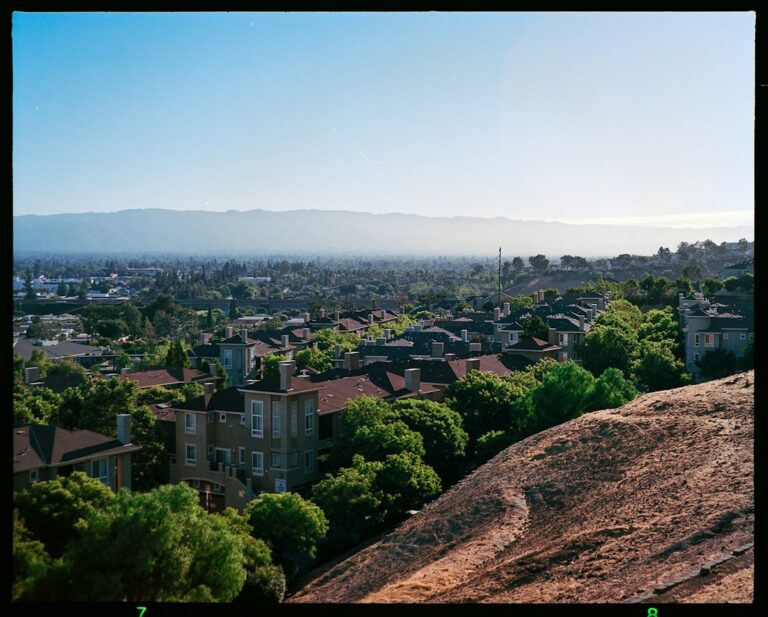
Santa Clara County’s Tax-Defaulted Property Auction: How to Claim the Excess Proceeds
When a Santa Clara County home isn't redeemed within the state's deadline, the county can sell it at public auction — and…
Read the guide → -
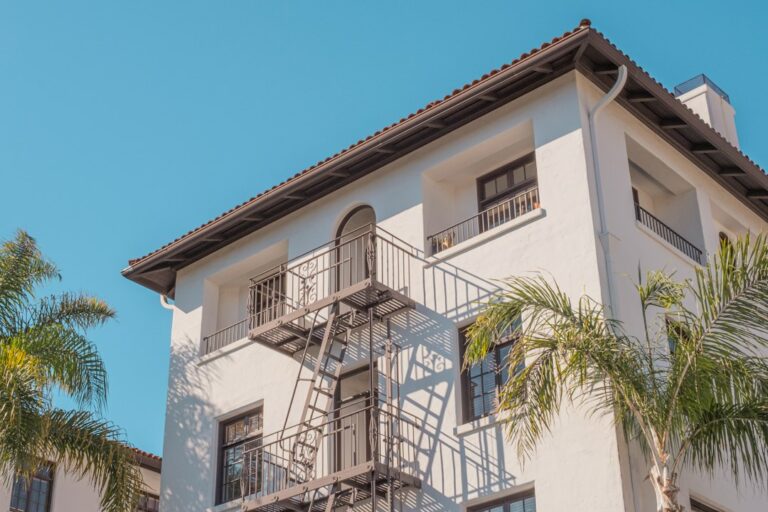
Pomona’s Rent Stabilization Ordinance Just Became Permanent: What Landlords Must Do Before Selling
Pomona's Ordinance No. 4359 became permanent on January 1, 2026, replacing the city's prior urgency ordinances and capping most rent increases at…
Read the guide → -
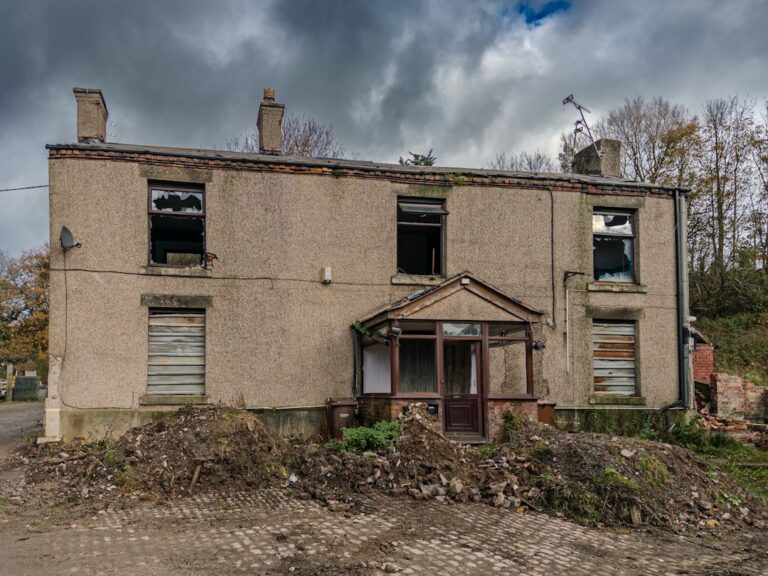
Compton’s Substandard Building Ordinance, Explained
Compton can order a dangerous or substandard house secured, repaired, or demolished under Municipal Code Chapter 14, and if the owner misses…
Read the guide → -
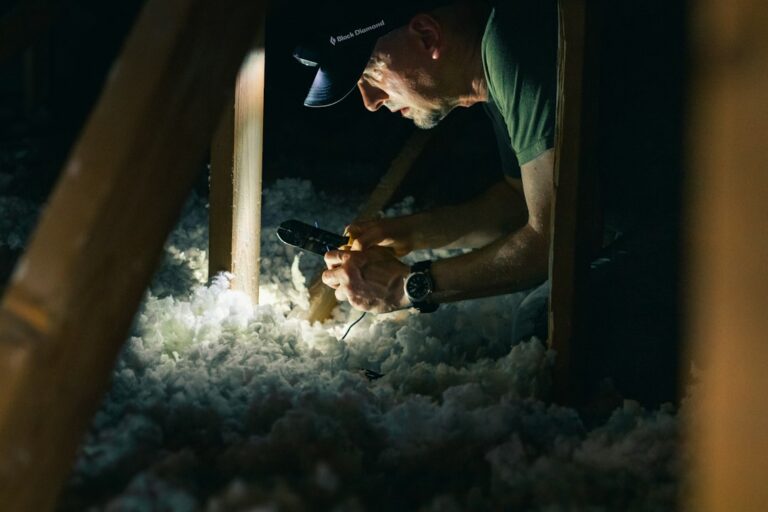
Chico’s RECO Inspection: What Sellers of Older Homes Must Fix Before Closing
Chico requires sellers of homes built before July 1, 1991 to pass a RECO energy and water retrofit inspection — or transfer…
Read the guide → -

Emeryville’s Just Cause Eviction Ordinance: Relocation Pay Under Municipal Code 5-40
Emeryville had its own just-cause eviction and relocation-assistance ordinance years before California’s statewide AB 1482 existed, and the local rule is still…
Read the guide → -

Malibu’s Six-Year Rebuild Deadline After the Palisades Fire: Municipal Code 17.60.020(C)
Malibu homeowners rebuilding after the January 2025 Palisades Fire have a hard deadline most residents outside the city have never heard of:…
Read the guide → -

California’s Security Deposit Cap: How AB 12 Limits What Landlords Can Collect
AB 12 caps most California security deposits at one month's rent, with a narrow exception for small landlords — plus new 2025…
Read the guide → -

California Civil Code §4525: The 11 HOA Documents You Must Hand a Buyer Before Closing
California Civil Code §4525 requires sellers inside an HOA to hand buyers 11 specific documents before closing — a list that just…
Read the guide →