
Redding Zoning and ADU Guide for Homeowners and Sellers
- Unpermitted ADU, garage conversion or zoning issue: we buy it as-is
- Zero fees, zero commissions, zero closing costs
- No obligation: turn the offer down and owe us nothing
ADU or Zoning Problem on Your Redding House? Sell As-Is for Cash
An unpermitted unit or zoning question does not have to stop a sale. Tell us about the house and get a written cash offer.
Last updated November 13, 2026. Reviewed by the Cash Home Buyers CA team. Information comes from City of Redding Development Services pages; sources are listed at the end.
Redding allows one accessory dwelling unit of up to 1,000 square feet on a single-family lot, a junior ADU of up to 500 square feet inside the house, and it runs a pre-approved ADU plan program with seven designs. If you are selling a Redding house with a converted garage, a backyard unit or a shop turned into living space, knowing how the city treats ADUs tells you whether yours can be legalized. This guide summarizes what the city publishes and what it means for a sale.
Redding ADU rules at a glance
| ADU size | Up to 1,000 square feet |
| Number allowed | One ADU on single-family residential properties |
| Entrance | Separate exterior entrance required |
| Parking | One on-site space required unless exempt |
| Rentals | Longer than 30 days; short-term rentals prohibited |
| JADU | Up to 500 sq ft, inside the existing home, efficiency kitchen, owner occupancy and recorded deed restriction |
| Solar | New detached ADUs must include a photovoltaic system |
| Contact | Planning Division, (530) 225-4022, planning@cityofredding.gov |
ADU types in Redding
The city describes three common types. An existing space conversion turns bedrooms, attics, basements, attached garages or detached shops into a livable unit. A detached ADU is a new standalone building. An attached ADU is new construction that shares at least one wall with the home.
A junior ADU is a smaller unit created entirely within the living area of a single-family home. It is limited to 500 square feet, needs an efficiency kitchen, may share a bathroom with the main house, and requires owner occupancy and a recorded deed restriction. A JADU needs no additional parking.
These categories track state law in Government Code sections 66310 to 66342. One example is Government Code 66323, which allows a detached, new-construction ADU with side and rear setbacks of no more than four feet. The city’s own standards are in Redding Municipal Code 18.43.140, so confirm current numbers with the Planning Division before you build or buy.
Utilities, fire and safety requirements
- Electric. A new attached or detached ADU that needs a second meter must be coordinated with Redding Electric Utility.
- Water and wastewater. Separate meters and billing are optional at the owner’s discretion, and connection fees may apply.
- Fire sprinklers. Required only if the primary residence is already sprinklered.
- Bedrooms. Must have emergency escape windows or doors.
- Alarms. Smoke and carbon monoxide alarms are required.
- WUI zones. Extra fire requirements may apply in Wildland Urban Interface areas, which matters in much of the Redding area.
The pre-approved ADU program
To cut design cost and speed review, Redding offers pre-approved plans. The city lists seven: Blue Oak at 538 square feet, Chinook at 640, Descanso at 740, Lassen at 499, Milena at 710, Shasta at 800 and Pied-a-terre at 400. Some plans include optional garage configurations. The benefits the city names are faster plan review, reduced design time, lower upfront planning costs and professionally prepared plans. A pre-approved plan still needs a building permit and inspections.
How to build or legalize an ADU in Redding
- Choose the project type. A pre-approved plan, a custom ADU, a conversion of existing space, or legalizing an unpermitted ADU built before January 1, 2018.
- Prepare the submittal. Typically a building permit application, site plan, floor plans, utility information and energy calculations, with more documents depending on the project.
- Estimate fees (optional). The city offers a permit fee estimate request form.
- Submit. File through the Permit Center or the online portal. See our Redding building permits guide.
- Plan review and permit. Staff check building, planning, utility and fire requirements.
- Inspections and final. Schedule inspections, then complete the final inspection and occupancy approval.
Legalizing an existing or unpermitted unit
The city notes that California law allows many existing structures and unpermitted ADUs built before January 1, 2018 to be legalized as compliant ADUs. Examples include garages, storage buildings, hobby rooms, recreation rooms and existing accessory living quarters. The city says it cannot deny a qualifying ADU application solely because of certain nonconforming zoning conditions or older building deficiencies that do not threaten public health and safety.
Legalized units must still meet key life-safety standards: emergency egress windows, heating, ventilation, smoke and carbon monoxide alarms, minimum room dimensions, and electrical and plumbing safety. If the unit was built after 2018 without a permit, the pathway is less certain, so ask the Planning Division early.
How an unpermitted unit affects selling a Redding house
A buyer’s appraiser may not count an unpermitted unit in the square footage, and a lender may question it. Sellers generally must disclose known unpermitted work. See our guides on selling as-is with unpermitted work and seller disclosures.
The city’s code enforcement handout lists unpermitted construction and unpermitted use, including short-term rentals without a zoning permit, among common violations, so a rented unit could draw a case. See our Redding code enforcement guide.
How to sell a Redding house with an unpermitted ADU
- Document the unit. Measure it, photograph it and note the kitchen, bath and entrance.
- Ask the city. Check permit records and ask what legalizing would require.
- Price the fix. Compare the legalization cost and timeline with selling as-is.
- Choose your path. Legalize and list, list with a credit, or sell as-is to a cash buyer.
- Disclose. A cash offer does not change disclosure duties but removes inspection and financing delays.
We buy Redding houses as they are. Read how selling a house as-is in Redding works, or see our Redding cash-offer process.
Not sure whether your unit is legal? Call (424) 435-2326 or request a cash offer. There is no cost and no obligation.
Redding zoning and ADU FAQ
How big can an ADU be in Redding?
Up to 1,000 square feet, with one ADU allowed on single-family residential properties. A junior ADU is limited to 500 square feet.
Does Redding have pre-approved ADU plans?
Yes. The city lists seven plans ranging from 400 to 800 square feet. You still need a building permit and inspections.
Can I rent my Redding ADU short term?
No. The city says rentals must be longer than 30 days and short-term rentals are prohibited.
Can I legalize an unpermitted ADU in Redding?
The city says many unpermitted ADUs built before January 1, 2018 can be legalized if they meet life-safety standards.
Can I sell a Redding house with an unpermitted ADU?
Yes. It does not legally stop a sale, but it can slow a traditional one. A cash buyer can purchase the house as-is.
Sources
- City of Redding: Accessory Dwelling Units
- City of Redding: ADU and JADU Info Packet
- City of Redding: Common Municipal Code Violations
This guide is general information, not legal advice. ADU rules change often; confirm requirements with the City of Redding Planning Division.
From the Blog
Latest guides for California home sellers
-

California’s Judicial Foreclosure Redemption Right: The One-Year Window Most Owners Never Hear About
California's rarer judicial foreclosure process comes with a statutory right to redeem the property for up to a year after the sale…
Read the guide → -
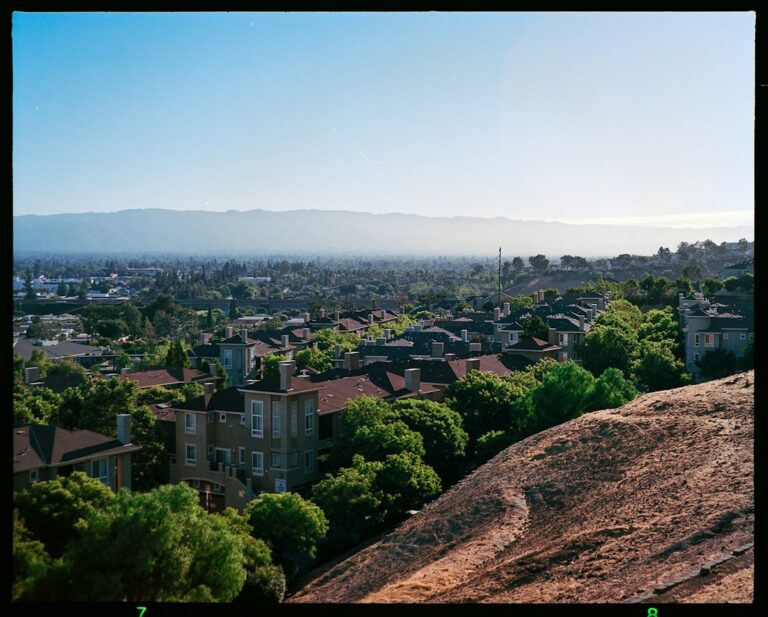
Santa Clara County’s Tax-Defaulted Property Auction: How to Claim the Excess Proceeds
When a Santa Clara County home isn't redeemed within the state's deadline, the county can sell it at public auction — and…
Read the guide → -
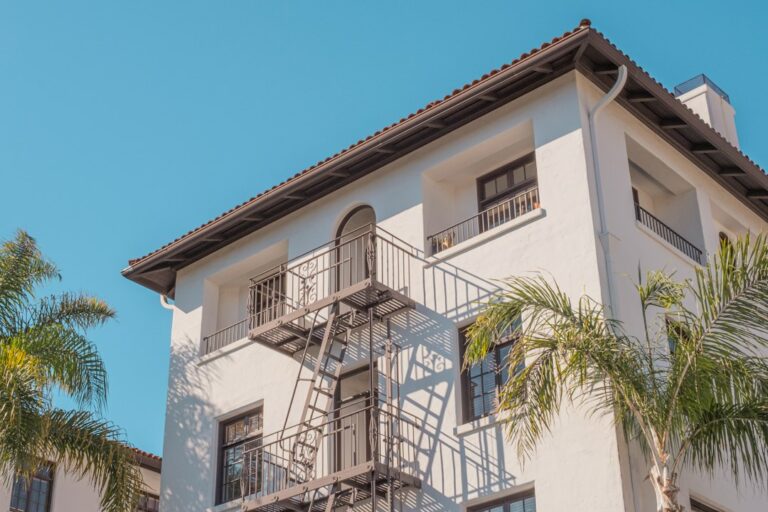
Pomona’s Rent Stabilization Ordinance Just Became Permanent: What Landlords Must Do Before Selling
Pomona's Ordinance No. 4359 became permanent on January 1, 2026, replacing the city's prior urgency ordinances and capping most rent increases at…
Read the guide → -
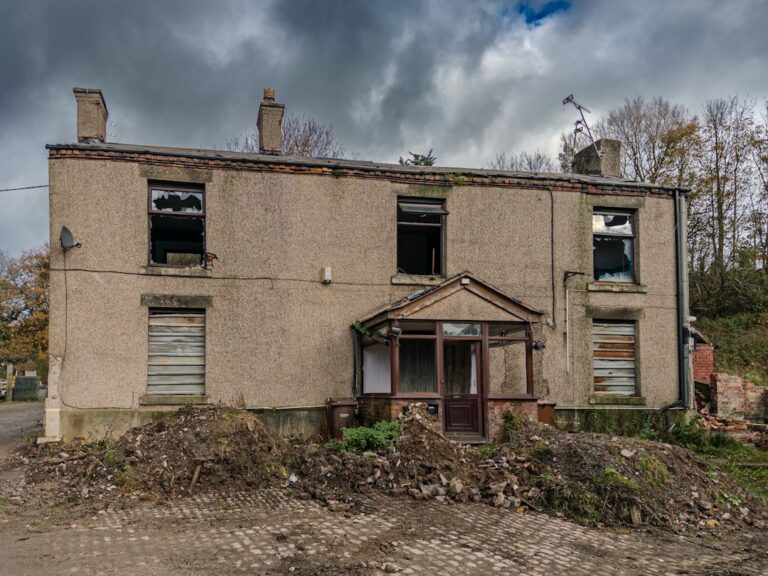
Compton’s Substandard Building Ordinance, Explained
Compton can order a dangerous or substandard house secured, repaired, or demolished under Municipal Code Chapter 14, and if the owner misses…
Read the guide → -
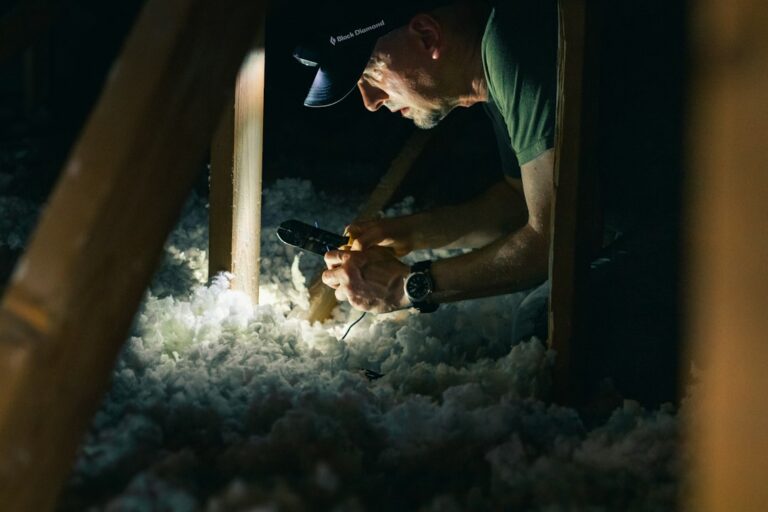
Chico’s RECO Inspection: What Sellers of Older Homes Must Fix Before Closing
Chico requires sellers of homes built before July 1, 1991 to pass a RECO energy and water retrofit inspection — or transfer…
Read the guide → -

Emeryville’s Just Cause Eviction Ordinance: Relocation Pay Under Municipal Code 5-40
Emeryville had its own just-cause eviction and relocation-assistance ordinance years before California’s statewide AB 1482 existed, and the local rule is still…
Read the guide → -

Malibu’s Six-Year Rebuild Deadline After the Palisades Fire: Municipal Code 17.60.020(C)
Malibu homeowners rebuilding after the January 2025 Palisades Fire have a hard deadline most residents outside the city have never heard of:…
Read the guide → -

California’s Security Deposit Cap: How AB 12 Limits What Landlords Can Collect
AB 12 caps most California security deposits at one month's rent, with a narrow exception for small landlords — plus new 2025…
Read the guide → -
California Civil Code §4525: The 11 HOA Documents You Must Hand a Buyer Before Closing
California Civil Code §4525 requires sellers inside an HOA to hand buyers 11 specific documents before closing — a list that just…
Read the guide →