
San Joaquin County Probate Court: Local Rules, Filing Fees and Deadlines
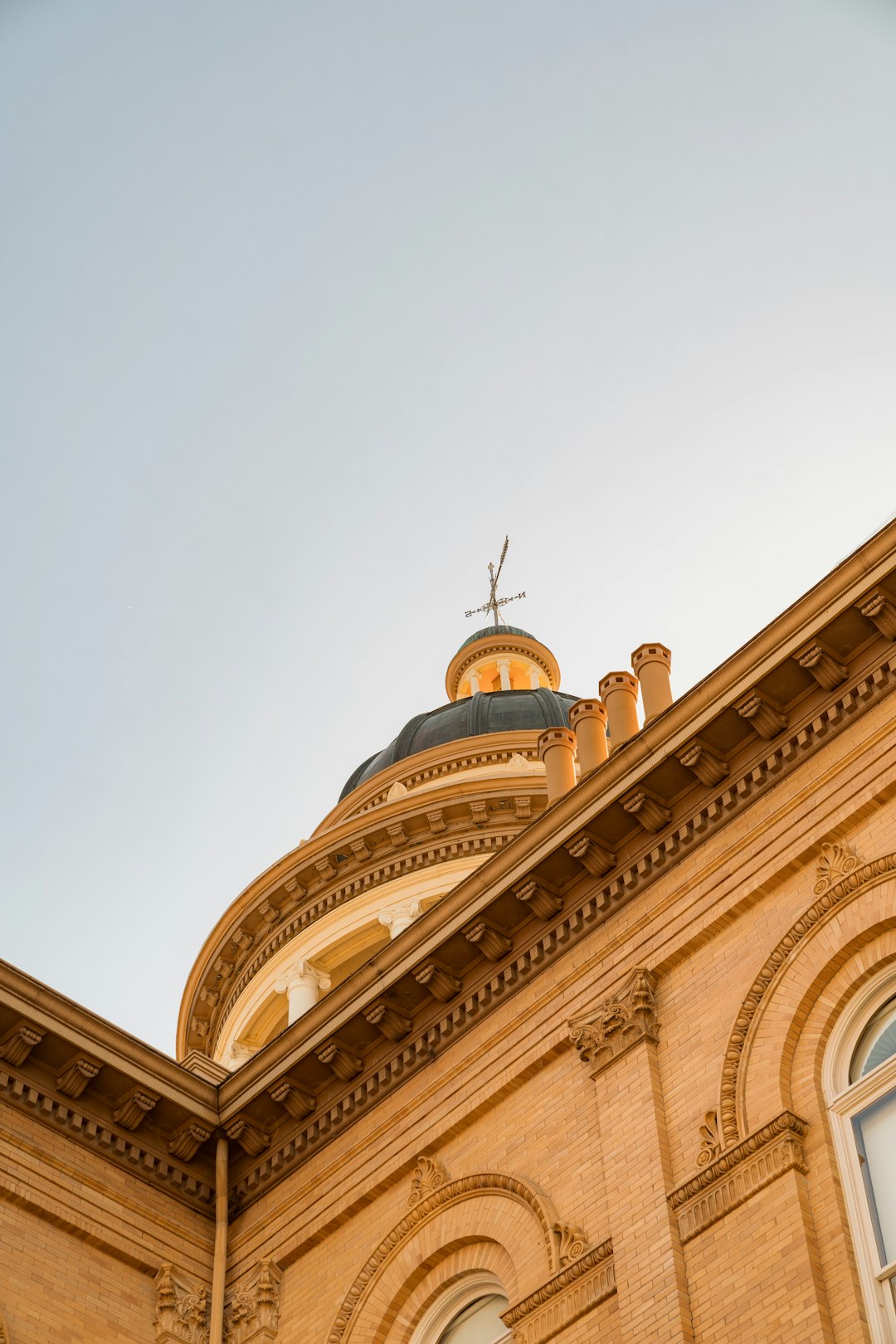
If you inherited a house in San Joaquin County and the estate has to go through probate before the property can be sold, the San Joaquin County Superior Court’s local rules control almost everything about how long that takes.
The statewide Probate Code sets the broad framework, but the Probate Division at the San Joaquin County Courthouse in Lodi applies its own filing deadlines, notice requirements and appearance rules on top of it, and missing one of them is the single most common reason a first probate hearing gets continued for another 30 to 60 days.
This guide walks through what the local rules actually require, what it costs to open a probate case in San Joaquin County in 2026, and what your realistic options are if you’d rather not wait through the full process before selling an inherited house.
If you’re still determining whether probate is even required for the estate in question, it’s worth starting there before working through the local filing rules below.
Where San Joaquin County Probate Cases Are Filed
Probate petitions for San Joaquin County are filed with the Probate Clerk at the San Joaquin County Superior Court, 315 W. Elm Street, Lodi, CA 95240.
This is a separate filing location from the county’s other court facilities in Stockton, Manteca and Tracy, and it matters: a petition or supporting document sent to the wrong courthouse window won’t be reflected on the probate case calendar, which can itself cause a hearing to be continued even though the paperwork was technically filed on time.
Before filing anything, it’s worth checking the court’s current local rules directly, since San Joaquin County updates its probate local rules periodically and the version in effect changes the specific deadlines described below. The rules referenced in this article reflect the local rules effective July 1, 2026, as published by the San Joaquin County Superior Court.
The Statewide Probate Filing Fee: $435
Opening a probate case anywhere in California, including San Joaquin County, requires paying the first-petition filing fee set by Government Code Section 70650(a). Effective January 1, 2026, that fee is $435 for the initial petition.
This fee is set at the state level and applies uniformly across almost all California counties — a handful of counties (Riverside, San Bernardino and San Francisco among them) add a small local surcharge on top of the base fee, but San Joaquin County does not currently impose an additional local probate surcharge, so the $435 statewide fee is what a petitioner should expect to pay when the case is opened.
That $435 only covers opening the case. Depending on how the estate is structured, there are often additional costs layered on top of it:
- Publication fees to run the required notice in a newspaper of general circulation, typically $150–$300 depending on the publisher
- Probate referee fees to appraise real property and other non-cash assets, generally a percentage of the appraised value
- Attorney fees, which in a formal probate are set by statute as a percentage of the estate’s gross value under Probate Code Section 10810
- Additional filing fees for subsequent petitions, such as a petition for final distribution
For smaller estates, it’s worth checking whether a full probate is even required.
California’s small estate threshold, raised by AB 2016, now allows real property to pass to heirs using a simplified affidavit procedure under Probate Code Sections 13100–13116 when the decedent’s total estate falls under the statutory limit — which removes the need to open full probate and pay these fees at all.
If the house is the estate’s main asset and its value is close to that line, this is worth confirming with a probate attorney before filing a full petition.
The 30-Day Pre-Hearing Filing Deadline
San Joaquin County’s local probate rules require that the petition, along with all required supporting documents, be on file with the court at least 30 days before the hearing date requested on the petition.
This is stricter than simply filing “in time” for the hearing window the court’s calendar might otherwise allow — the court wants the full file, not a placeholder petition, in hand a full month out so the probate examiner has time to review it before the hearing.
In practice, this means a petitioner should not request a hearing date and then plan to assemble supporting documents afterward.
Missing documents or a petition filed late relative to its own requested hearing date are reviewed by a probate examiner ahead of the hearing, and deficiencies are typically issued back to the petitioner as “examiner notes” that must be resolved — often by filing supplemental declarations — before the judge will grant the petition.
If those notes aren’t cleared in time, the hearing gets continued to a later date, which is exactly the kind of delay that stretches a probate case that should take a few months into one that takes the better part of a year.
The 10-Court-Day Notice Requirement
Separately from the 30-day filing deadline, California probate law requires that notice of the hearing be mailed to all heirs, devisees and other interested parties at least 15 calendar days before the hearing under Probate Code Section 1220, and San Joaquin County’s local practice emphasizes getting that notice out with enough buffer to confirm proof of service is filed at least 10 court days before the hearing.
Court days exclude weekends and court holidays, so near a holiday period this effectively pushes the real-world deadline earlier than it looks on a calendar.
Proof of service — the signed declaration confirming who was notified, how, and when — has to actually be filed with the court before the hearing. A petition with notice sent out on time but proof of service not yet on file is still vulnerable to a continuance, because the examiner has no record in the file confirming notice requirements were met.
Personal Appearance and Remote Hearing Rules
San Joaquin County’s probate calendar generally proceeds on the papers for uncontested matters where no examiner notes remain outstanding — meaning if everything is in order, the petitioner or their attorney may not need to personally appear, and the petition can be granted without a hearing.
If examiner notes are unresolved, or if any party contests the petition, personal appearance is typically required, and the court’s rules on whether remote appearance is permitted (and through which platform) should be confirmed directly with the Probate Division, since remote-appearance policies have changed multiple times across California courts over the past several years and vary by case type.
For out-of-state heirs or petitioners, this matters: confirming in advance whether a hearing requires an in-person appearance in Lodi, or can be handled remotely or on the papers, can save a cross-country trip that turns out to be unnecessary — or avoid a continuance because a required appearance was missed.
Ex Parte Applications
Certain probate requests — such as authorizing an urgent repair to protect estate property, or requesting special letters of administration before a full hearing can be scheduled — can be brought as ex parte applications rather than waiting for a regularly noticed hearing.
San Joaquin County’s local rules set specific requirements for how ex parte applications must be submitted, including advance notice to other interested parties except in genuine emergencies, and the court’s probate ex parte calendar typically runs on specific days of the week rather than being available every court day.
Ex parte relief is meant for genuinely time-sensitive issues, not as a way to skip the normal notice period for routine matters. A petitioner who tries to use the ex parte process to avoid the standard 30-day and 10-court-day timelines described above for anything other than a true emergency should expect the application to be denied, with instructions to proceed through the regular noticed-hearing process instead.
Typical Timeline for a San Joaquin County Probate Case
Putting the filing fee, the 30-day pre-hearing deadline and the 10-court-day notice requirement together, here’s roughly how a straightforward, uncontested San Joaquin County probate case tends to unfold when a house is the primary estate asset:
- File the petition for probate and pay the $435 filing fee, requesting a hearing date at least 30 days out
- Publish notice in a qualifying newspaper and mail notice to all heirs and interested parties
- File proof of publication and proof of service well ahead of the 10-court-day cutoff
- Resolve any probate examiner notes before the hearing date
- Attend the hearing (or have it granted on the papers if uncontested) and receive Letters Testamentary or Letters of Administration
- Have the property appraised by the probate referee
- Market and sell the property, with court confirmation of the sale required unless the estate is being administered under full authority of the Independent Administration of Estates Act
- File a petition for final distribution and close the estate
Even when every deadline is hit cleanly, this process commonly takes six to twelve months from the initial filing to a closed estate — in line with the realistic statewide probate timeline for an uncontested case.
If the estate was granted full IAEA authority, the personal representative can usually sell the house without a separate court sale-confirmation hearing, which removes one of the slower steps — but the probate case itself, and the underlying local-rule deadlines, still apply.
Common Reasons San Joaquin County Probate Hearings Get Continued
Understanding why hearings get pushed back helps explain why the local filing rules are worth taking seriously.
The most frequent causes of a continuance in San Joaquin County probate matters include incomplete bond information when a bond is required and hasn’t been obtained or waived in writing by all heirs, a petition that doesn’t correctly identify all heirs at law — including heirs who may have a claim even if they aren’t named beneficiaries in a will — missing or defective proof of publication, and failure to address examiner notes before the hearing date.
Bond issues deserve particular attention.
Unless a will specifically waives bond, or all heirs sign a written waiver, the court can require the personal representative to post a probate bond sized to the estate’s value — which, for an estate that includes a San Joaquin County house, can be a significant amount.
Obtaining a bond takes time and usually requires a credit check on the proposed personal representative, so starting that process early, rather than waiting until the week before the hearing, avoids one of the more common last-minute delays.
What If an Heir Can’t Be Located or Contests the Petition
Notice requirements assume every heir and interested party can be identified and reached by mail.
When an heir’s location is unknown despite a diligent search, California law allows notice by publication to satisfy the notice requirement, but the petitioner has to document the search effort in a declaration, and the court’s review of that declaration is one more thing that can trigger examiner notes if it isn’t thorough.
If an heir actively contests the petition — disputing the will’s validity, the proposed personal representative, or how the estate is being administered — the matter typically can’t proceed on the papers and will require an actual contested hearing, sometimes with its own briefing schedule set by the probate judge.
Contested probate matters in San Joaquin County, as anywhere, take substantially longer than uncontested ones and often benefit from a probate litigation attorney rather than general probate counsel.
When It Makes Sense to Wait and List the House Traditionally
Selling fast isn’t the right move for every inherited property, and it’s worth being honest about that.
If the house is in good condition, located in a strong San Joaquin County market like Lodi, Stockton, Manteca or Tracy, and the estate isn’t under financial pressure to close quickly, listing with a real estate agent after probate authority is granted will typically bring a higher sale price than a direct cash sale.
The tradeoff is time: preparing the house, listing it, negotiating offers, and waiting through a buyer’s financing and inspection contingencies can add two to four months on top of the probate timeline itself, and the estate will carry carrying costs — property tax, insurance, utilities, upkeep — the entire time it sits unsold.
A traditional listed sale also usually means paying a real estate agent’s commission, covering any repairs a buyer’s lender requires, and in some cases making cosmetic updates to compete with other listings. For heirs who are financially able to wait and who want to maximize the sale price, that’s often the better path.
When a Direct Cash Sale Makes More Sense
A direct sale to a cash buyer tends to make more sense when the heirs live out of state and don’t want to manage repairs or showings remotely, when the property needs more work than the estate has funds to put into it, when multiple heirs want a quick, clean split of proceeds rather than an extended process, or when the estate has debts or expenses that need to be paid promptly.
In an IAEA probate, a cash sale can often close within a few weeks of receiving Letters, without the delay of marketing the property or waiting on a buyer’s mortgage approval.
Whichever path fits the estate’s situation, the probate case itself still has to move through San Joaquin County’s local filing and notice rules — there’s no way to sell estate real property, cash buyer or not, without the personal representative first having legal authority to act.
Checking the Rules Before You File
Local probate rules are revised periodically, and the specific deadlines and procedures described in this article reflect the San Joaquin County Superior Court’s local rules in effect as of mid-2026.
Before filing a petition, it’s worth confirming the current version of the local rules directly with the court or with probate counsel, particularly around bond requirements, examiner review timelines and any updates to remote-appearance policy, since these are the areas most likely to change between rule revisions.
How We Can Help With an Inherited House in San Joaquin County
We work with heirs and personal representatives across San Joaquin County, including Stockton, Lodi, Manteca and Tracy, who need to sell an inherited property without carrying it through months of repairs, showings and buyer financing delays.
We buy directly or bring a vetted cash buyer, and we can work with a personal representative once Letters have been issued, making an offer based on the property’s condition as it sits — no repairs, no staging, no waiting on loan approval.
When you sell to us, we pay the standard closing costs, including the county and city transfer taxes, escrow and title, so there’s no surprise deduction from the estate’s proceeds at closing.
If you’re the personal representative or an heir trying to figure out the fastest responsible way to settle a San Joaquin County estate that includes real property, you can reach us at (424) 435-2326, or see how your home’s details compare on our Google Business profile before you decide.