
Sell Your House As-Is in Adams-Normandie
- Foreclosure, inherited, tenants, damage — we buy it
- Zero fees, zero commissions, zero closing costs
- No obligation — turn the offer down and owe us nothing


“As-Is” Doesn’t Mean What Most Sellers Think
California still requires disclosure even on an as-is sale, and HPOZ review can complicate repairs a lender wants. Here’s what actually changes.
“As-is” is one of the most misunderstood phrases in real estate, and Adams-Normandie is a neighborhood where getting it wrong actually costs something. Cash Home Buyers CA buys houses here as-is, in a neighborhood where a Historic Preservation Overlay Zone, a majority-renter housing stock, and a lot of century-old, unpermitted work all complicate what “as-is” can mean for a financed buyer.
“As-Is” Does Not Waive Your Disclosure Duties
California requires sellers of residential property to complete a Transfer Disclosure Statement and a Natural Hazard Disclosure statement regardless of whether the sale is marketed as-is. The TDS asks about known material defects, unpermitted work, and structural issues. Selling as-is changes what you’re offering to fix.
It does not excuse you from disclosing what you already know is wrong with the house, including any additions or conversions that were never permitted.
What “As-Is” Actually Changes
What an as-is sale genuinely removes is the repair-negotiation stage. In a standard listing, a buyer’s inspection typically opens a second round of negotiating over credits, repair requests, or a reduced price.
In an as-is sale, the buyer agrees upfront to take the property in its current physical condition, with no expectation that the seller will fix anything found during inspection. Your disclosure obligations stay exactly the same either way.
Why Adams-Normandie’s Housing Stock Struggles With Traditional As-Is Listings
- HPOZ review can block the exact repairs a lender wants. If your house is a contributing structure in the Van Buren Place Historic District, exterior work needs a Certificate of Appropriateness from a Board that meets only twice a month, at the USC Village Community Room. An FHA or VA appraiser flagging exterior repairs can effectively stall the loan until that review clears.
- Unpermitted conversions are common. Century-old houses divided into rental units without full permits show up constantly in a neighborhood where renters occupy close to 79 percent of homes, and that history alone can sink a financed sale regardless of the as-is language in the contract.
- The housing stock predates modern code. Houses built in the early 1900s, when the neighborhood was subdivided by developer George W. Stimson, commonly carry original electrical and plumbing systems that a conventional appraiser is required to flag.
- Deferred maintenance is more common on rental stock. With most of the neighborhood’s housing rented rather than owner-occupied, routine upkeep decisions get made differently than they would by an owner living in the house.
How a Direct Cash Sale Sidesteps the Appraisal Problem
Because we can buy directly or bring in a vetted cash buyer, there’s no lender, no minimum-property-standard appraisal, and no financing contingency that can unravel the deal over a condition issue or an HPOZ timeline.
We still expect an honest answer to what you know about the property, but nothing about unpermitted work, deferred maintenance, or contributing-structure status is a deal-breaker on our end the way it is for a bank.
Common As-Is Conditions Near USC
- Garages and porches converted into bedrooms without a permit, common on the smaller lots between Vermont and Normandie as households grew and rents rose.
- Original 1900s-era wiring and plumbing that has never been fully replaced, which an FHA or VA appraiser is required to flag as a health and safety issue.
- Multiple structures on one parcel, including detached units added behind the main house over the decades, sometimes without matching permit records.
- Deferred exterior maintenance on contributing structures, where an owner delayed paint, roofing, or window work rather than go through Certificate of Appropriateness review.
None of these conditions are unusual for a neighborhood this old and this dense, and none of them stop us from making an offer.
What We Look at When We Evaluate an As-Is Adams-Normandie Property
We start with the property’s HPOZ status, since a contributing structure inside the Van Buren Place boundaries is priced differently than a non-contributing property or one outside the district.
We ask about the build date, since anything from 1978 or earlier that’s rented falls under the city’s Rent Stabilization Ordinance, which affects what a future owner can do with the unit.
We ask about permit history for any additions, conversions, or garage-to-unit changes, since these are common findings here and change what the property is actually worth to us versus to a bank’s appraiser.
None of these questions are meant to talk the price down; they’re the same facts a title and escrow company will confirm anyway once we’re in contract.
Census figures put the neighborhood’s density above 21,900 people per square mile, among the highest in the city, and that density is a large part of why so much of the housing stock has been converted, added onto, or subdivided over the decades without every permit keeping pace.
The HPOZ Protects the Neighborhood’s History, Not Just Your Buyer’s Timeline
Adams-Normandie’s HPOZ was adopted by the Los Angeles City Council in December 2010, and it exists because the neighborhood, subdivided in 1902 by developer George W. Stimson, still shows a genuine transition from Victorian styles to the Craftsman and Shingle houses that make up the Van Buren Place Historic District.
The First African Methodist Episcopal Zion Cathedral and the Bernays House, both designated Historic-Cultural Monuments, sit within the same boundaries.
None of that history is a reason to avoid selling as-is; it’s a reason to sell to a buyer who already understands what a contributing structure is and isn’t required to do before a sale can close.
Listing Versus Selling to Us for an As-Is Property Here
A fully restored, contributing house in good repair can still do well on the open market with an agent experienced in HPOZ sales, and marketing it as-is there mainly protects the seller from repair demands after inspection rather than solving a financing problem, since a well-maintained contributing house doesn’t usually trigger the appraisal issues described above.
Our offer is more competitive on the rental buildings, converted houses, and deferred-maintenance properties that make up most of the neighborhood’s inventory, since those are exactly the properties where commission, HPOZ review timelines, and vacancy risk eat hardest into what a listing would actually net after months on market.
Escrow Still Requires the Standard California Paperwork
Selling as-is doesn’t remove the statutory requirements every California seller has to deliver.
We still request the Department of Building and Safety’s 9A Report of Residential Property Records, along with the seismic gas shutoff, water-conserving fixture, and smoke and carbon monoxide detector certifications, and we order those the same day we open escrow rather than waiting for you to track them down.
As a City of Los Angeles address, the sale also carries the city’s $4.50 per $1,000 transfer tax plus the county’s $1.10 per $1,000, customarily paid by the seller, regardless of who buys the house.
Sell a House As Is in Adams-Normandie: Who Benefits Most
The owners who gain the most when they sell a house as is in Adams-Normandie are the ones facing a repair list they cannot fund or do not want to manage: a converted house that needs new wiring, a duplex with a failing roof, or a fixer upper where every exterior fix on a contributing structure could mean a trip through HPOZ review.
Selling in current condition moves that entire list, and the permitting that comes with it, to the buyer.
Adams-Normandie Market Snapshot for As-Is Sellers
Redfin reports that homes in Adams-Normandie took about 91 days on average to sell in the three months ending August 2026, compared with about 72 days a year earlier, at a median price near $865,000. Longer marketing times tend to hurt properties that need work most, since each month adds carrying costs while a financed buyer’s lender weighs the repairs.
The Seller Property Questionnaire and Other Paperwork
Beyond the TDS and Natural Hazard Disclosure already described above, many California sales also use the Seller Property Questionnaire, which asks about items such as past repairs, insurance claims, neighborhood noise and pest issues.
For a rental, expect to provide copies of leases, deposit amounts and any rent registration you have with the city. You do not have to order inspections, pull permits or make repairs before selling to us.
If you are unsure whether something must be disclosed, a real estate attorney can advise.
As-Is Sale vs. Listing a House That Needs Repairs
| Factor | As-is sale to us | Listing a fixer upper |
|---|---|---|
| Timeline | Often two to three weeks after acceptance | Marketing period plus 30 to 45 days for a financed buyer |
| Repairs | None, and no cleanout needed | Lender-required work may need HPOZ sign-off first |
| Showings | One walkthrough | Repeated showings, often with tenants present |
| Commissions | None | Often around 5 to 6 percent combined |
| Closing costs | Standard costs typically paid by us | Seller's share plus repair credits |
| Certainty | No inspection or loan contingency on our side | A flagged unpermitted unit can stop the loan |
How an As-Is Sale Works With Us
- Tell us what is wrong. Call or text 424-435-2326 and describe the house honestly, including known problems.
- One walkthrough, one written offer. We see the property as it is and send a written cash offer, usually within 24 to 48 hours.
- Close through escrow. An escrow or title company handles the 9A report, the transfer and your payout on the date you pick.
If the house came through a family estate, see our Adams-Normandie inherited house guide. For a rental with tenants in place, read our page on selling with tenants in Adams-Normandie.
Frequently Asked Questions
Can I sell a house as is in Adams-Normandie with open code violations?
Yes. Disclose any notices you have received from the city, and we account for them in the offer. You do not need to clear the violations before closing with us.
Do I need a home inspection before selling as-is?
No. We do our own walkthrough. You only need to disclose what you already know, not hire inspectors to find more.
What if the house has fire or water damage?
We buy damaged houses in their current condition. Share any insurance claim details, since they may affect the disclosures and the timing of the sale.
Do I still need to fill out a disclosure form if I sell as-is?
Yes. California's TDS and NHD requirements apply regardless of as-is terms, including disclosure of any unpermitted work you know about.
What if I don't know about a problem with the house?
Disclosure covers what you actually know. You aren't required to investigate or guess at issues you have no knowledge of.
Can unpermitted work or HPOZ status stop a sale?
It can stop a financed sale if an appraiser flags it or a lender requires review-dependent repairs. It doesn't stop a direct cash sale.
Do I need to clean the house or empty a rental unit before you see it?
No. We evaluate the property as it stands, occupied or not.
Will you buy a contributing structure in the Van Buren Place district?
Yes. We factor that status into our offer and don't require the Certificate of Appropriateness process to run before closing.
Do you buy occupied rental buildings as-is too?
Yes. We buy houses and small buildings with tenants in place, evaluate them as-is, and take over the existing leases at closing.
If speed matters more than the HPOZ question, see our page on selling your house fast in Adams-Normandie, and if the property came to you through an estate, see our guide to selling an inherited house here. The same disclosure rules apply everywhere in the city; see our page on selling as-is across the rest of Los Angeles for more depth.
To sell your Adams-Normandie house as-is, call or text 424-435-2326 for a written, no-obligation offer.
Seller Guides
Helpful guides for homeowners in Adams Normandie
Plain-English answers to the questions sellers ask us most.
 Rentals & tenants
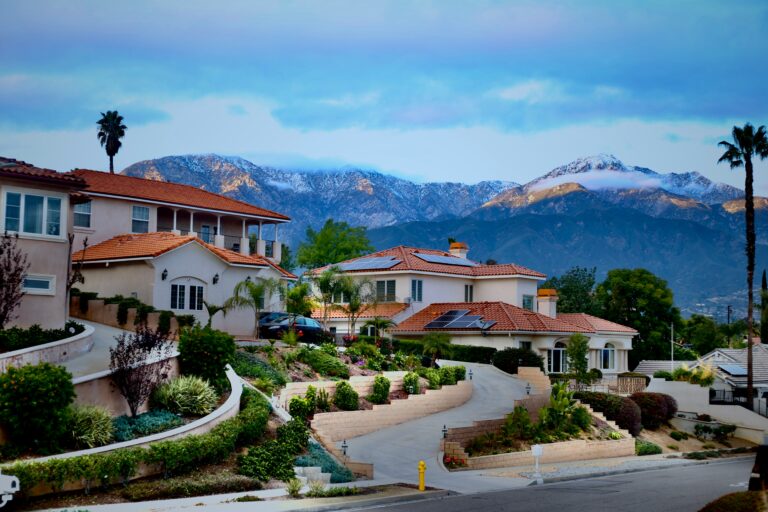
Which Mountain View Rentals Does the CSFRA Actually Cover?
See which Mountain View rentals the CSFRA covers, its rent cap, just-cause eviction rules, relocation pay, and what landlords must do before raising rent.
Read the guide → Selling as-is
What Rancho Palos Verdes’ Landslide Zones Mean for a Natural Hazard Disclosure
Rancho Palos Verdes sellers must check a landslide-zone box on the state Natural Hazard Disclosure Statement, separate from the earthquake fault question.
Read the guide →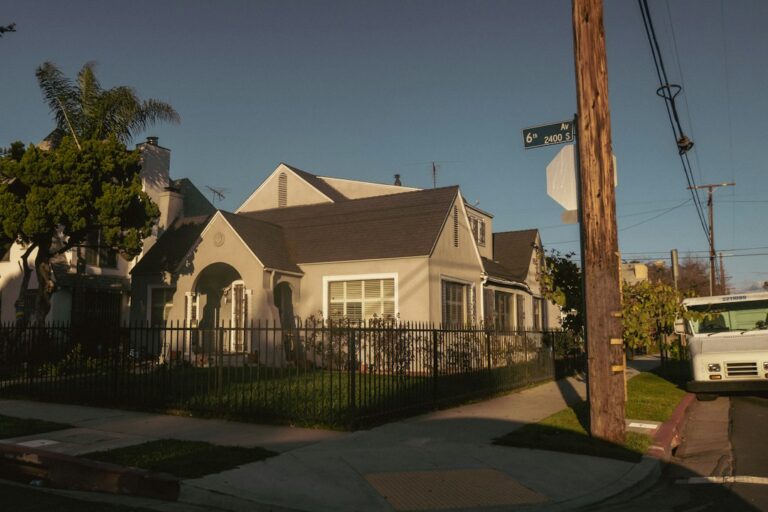 Selling as-is
Highland Park HPOZ Disclosure Rules Explained
Highland Park's historic overlay (HPOZ) governs renovations, but California's TDS and NHD disclosure rules still apply in full, even on an as-is sale.
Read the guide →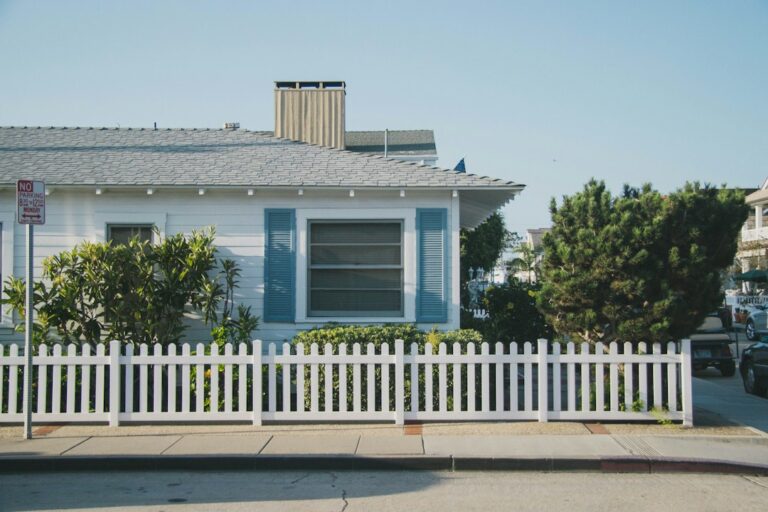 Selling as-is
As-Is Disclosure Rules for an Older Pasadena, CA Home
Selling as-is in Pasadena doesn't skip California's disclosure law. See what Civil Code requires for the city's century-old Craftsman homes.
Read the guide → Selling as-is
The Anaverde HOA Disclosure Packet an As-Is Sale Still Requires
The Anaverde HOA disclosure packet under Civil Code 4525, plus the TDS and NHD duties an as-is sale in Anaverde, CA never removes, and why it adds time.
Read the guide → Rentals & tenants
What an HPOZ Adds to Selling a Tenant-Occupied House in Adams-Normandie
Adams-Normandie is an LA HPOZ, so selling a tenant-occupied house means navigating RSO tenant protections and historic exterior permitting together.
Read the guide → Selling as-is
Beverly Hills, CA As-Is Sales: What You Still Disclose
Selling as-is in Beverly Hills, CA doesn't waive disclosure law. See what sellers must still tell buyers under California's TDS and NHD rules.
Read the guide → Selling as-is
Why “As-Is” Doesn’t Simplify Disclosure for a Winnetka, CA Seller
Civil Code 1102 still requires full disclosure on an as-is Winnetka sale -- here's what the TDS, NHD, and lead-paint rules actually require.
Read the guide → Selling as-is
What California’s As-Is Disclosure Law Still Requires in Gardena
Selling as-is in Gardena does not skip California disclosure law. See what sellers must still disclose, plus local zoning and jurisdiction quirks.
Read the guide →