
Selling a House During Divorce in North Hills
- Foreclosure, inherited, tenants, damage — we buy it
- Zero fees, zero commissions, zero closing costs
- No obligation — turn the offer down and owe us nothing


One Number Both Spouses Can Agree To
Community property, ATROs, and how proceeds are divided when you sell a North Hills house during a divorce.
Selling a house during a divorce in North Hills comes with California-specific rules about community property, court restraining orders, and how proceeds get divided, on top of the ordinary work of selling a house. Cash Home Buyers CA works with divorcing couples across North Hills who need a clean, fast sale that both spouses can agree to.
North Hills as a Long-Term Family Neighborhood
North Hills is close to evenly split between owner-occupied and renter-occupied homes, and much of the owner-occupied housing was purchased decades ago, since roughly 35 percent of the neighborhood’s housing dates to 1940 through 1959 and another 34 percent to 1960 through 1979.
Couples who bought a North Hills house years or decades into a marriage, whether west of the 405 in one of the postwar ranch-house tracts toward Northridge or east of the freeway closer to Sepulveda Boulevard, often have significant built-up equity by the time a divorce becomes final, which raises the stakes on getting the sale and the division of proceeds right.
Community Property and the 50/50 Default
California is a community property state, and under Family Code Section 2550, community assets and debts are generally divided equally between spouses, regardless of who is named on the title or who made the mortgage payments.
A North Hills house purchased during the marriage is typically community property, which means the equity is split 50/50 once the mortgage, closing costs, and any agreed-upon deductions are subtracted, unless a prenuptial agreement or another written arrangement says otherwise.
A house owned by one spouse before the marriage, or inherited by one spouse individually, can be separate property, though money spent on the mortgage or improvements from community funds during the marriage can complicate that picture, sometimes entitling the community to reimbursement even when the underlying property stays separate.
Automatic Restraining Orders Limit What Either Spouse Can Do
- ATROs take effect immediately once a divorce petition is filed, binding the petitioner right away and the respondent once served. They prohibit either spouse from selling, transferring, or encumbering real property, including the house, without the other spouse’s written consent or a court order.
- This applies to refinancing too, not just an outright sale, so neither spouse can quietly pull equity out of a North Hills house while the case is pending.
- Both spouses generally have to consent in writing, or get a court order, before a sale can proceed while the divorce is still open, which is why an agreement on the sale itself, even before everything else is resolved, is often the fastest path forward.
California’s Residency and Waiting-Period Rules
At least one spouse must have lived in California for six months before filing for divorce, and once the petition is served, state law imposes a mandatory waiting period of six months and one day before a final judgment can be entered, a floor that cannot be shortened even if both spouses agree on every issue.
That waiting period does not mean the house has to sit unsold that whole time; with both spouses’ written consent, a sale can close well before the divorce itself is finalized, with the proceeds held in escrow or divided according to whatever agreement the spouses reach.
Why Divorcing North Hills Couples Choose a Direct Sale
Movoto’s August 2026 figures put North Hills’ median sale price at $817,450, with a median of 46 days on the market. A traditional listing adds showings, staging, and an open-ended timeline to a situation where both spouses often want the fewest additional decisions to make together, not more of them.
A cash sale removes the back-and-forth over repair credits, financing contingencies, and buyer negotiations, replacing them with a single number both spouses can agree to and a closing date that fits around the rest of the case, rather than around a buyer’s own moving timeline.
It also removes the risk that a financed buyer’s loan falls through months into the process, which would otherwise force the couple to restart the sale while the divorce clock keeps running.
How the Sale and the Proceeds Actually Work
Once both spouses agree in writing, or a court order authorizes the sale, we open escrow with a licensed Los Angeles County title and escrow company and order the required 9A Report of Residential Property Records from the city.
Proceeds are typically divided 50/50 after the mortgage payoff and sale costs, including the combined city and county transfer tax of $5.60 per $1,000 of price, roughly $4,580 at the North Hills median, though the exact split depends on each spouse’s agreement or the court’s order.
We can direct proceeds into escrow for the spouses’ attorneys to disburse according to that agreement, rather than releasing a single check to one party, and we are happy to work directly with both attorneys throughout the transaction to keep everything documented.
If the house also involves an inherited interest from one spouse’s family, or was passed down from a parent before the marriage, our inherited property guide for North Hills covers how that separate-property question is typically handled.
The same community-property and ATRO rules described here apply to divorces involving property anywhere else in Los Angeles as well.
What the 9A Report and Escrow Add to a Divorce Sale
Every North Hills sale, divorce or otherwise, requires the seller to provide the buyer with the Los Angeles Department of Building and Safety’s Report of Residential Property Records, along with certifications for a seismic gas shutoff valve, low-flow plumbing fixtures, and smoke and carbon monoxide detectors.
In a divorce sale, we handle ordering and paying for this report ourselves rather than asking either spouse to coordinate it individually, which removes one more task from a process that already has plenty of logistics for two people to manage together.
Recording happens with the Los Angeles County Registrar-Recorder/County Clerk in Norwalk, and both spouses’ signatures, or the appropriate court authorization, are required on the closing documents regardless of who has been living in the house.
Timing the Sale Around the Rest of the Case
Some North Hills couples want to sell the house early in the process to remove one source of ongoing conflict, such as who pays the mortgage while the case is pending, while others wait until closer to the six-month-and-one-day mark once other terms are settled.
We can close in as little as two to three weeks once both spouses’ consent or a court order is in place, or move on a longer timeline if that better fits the case’s schedule.
Either way, the sale itself does not need to wait for every other issue in the divorce, such as custody arrangements or the division of other assets, to be resolved first.
When One Spouse Wants to Keep the House
Not every North Hills divorce ends with a sale of the family home. One spouse may want to keep the house and buy out the other’s share of the equity, sometimes through a refinance once the ATRO is lifted by agreement or court order.
We are occasionally asked to give a written, no-obligation valuation in these situations even when neither spouse ends up selling to us, simply so both sides have a neutral, documented number to negotiate a buyout around, rather than relying only on an online estimate that may not reflect the property’s actual condition, its permitted square footage, or the current North Hills market on either side of the 405.
If the House Is Also at Risk of Foreclosure
Divorce and financial strain sometimes arrive together, and a North Hills couple splitting up can find themselves behind on the mortgage at the same time the case is pending.
The automatic restraining orders still require both spouses’ consent or a court order before a sale, but a pending Notice of Default adds a separate statutory clock on top of the divorce timeline.
If that describes your situation, our foreclosure guide for North Hills walks through the notice-of-default and notice-of-sale deadlines that apply regardless of where the divorce case stands.
Frequently Asked Questions
Can one spouse sell the house without the other’s consent during a divorce?
No. Once a divorce petition is filed, the automatic restraining orders require both spouses’ written consent or a court order before the house can be sold.
Do we have to wait for the divorce to be final before selling?
No. With both spouses’ agreement, a sale can close well before the mandatory six-month-and-one-day waiting period ends.
How are the proceeds split?
Community property is generally divided 50/50 after the mortgage and sale costs are subtracted, though the exact division depends on your specific agreement or a court order.
What if only one of us wants to sell right now?
We can still talk with either spouse about the property and the process, but a sale generally requires both spouses’ consent or a court order before it can close.
Can proceeds go directly into an escrow account for our attorneys to divide?
Yes, we can direct proceeds however both spouses and their attorneys agree, rather than releasing funds to a single party.
Can you give us a valuation even if we are not sure we want to sell yet?
Yes. We can walk the property and give both spouses a written, no-obligation number that can be used in settlement discussions, even if you end up listing or one spouse buys out the other instead.
To get a written, no-obligation offer on a North Hills house during a divorce, call or text 424-435-2326.
Seller Guides
Helpful guides for homeowners in North Hills
Plain-English answers to the questions sellers ask us most.
 Relocating
Fontana’s Warehouse Boom: What It Means If You’re Relocating
Fontana grew from a wartime steel town into an Inland Empire logistics hub. See what that shift means for home values and selling if you are relocating.
Read the guide → Inherited homes & probate
Partition Actions Between Heirs: How California Law Forces a House Sale
California heirs can force a house sale through a partition action under CCP 872-874, with court referees, confirmation hearings, and buyout rights.
Read the guide →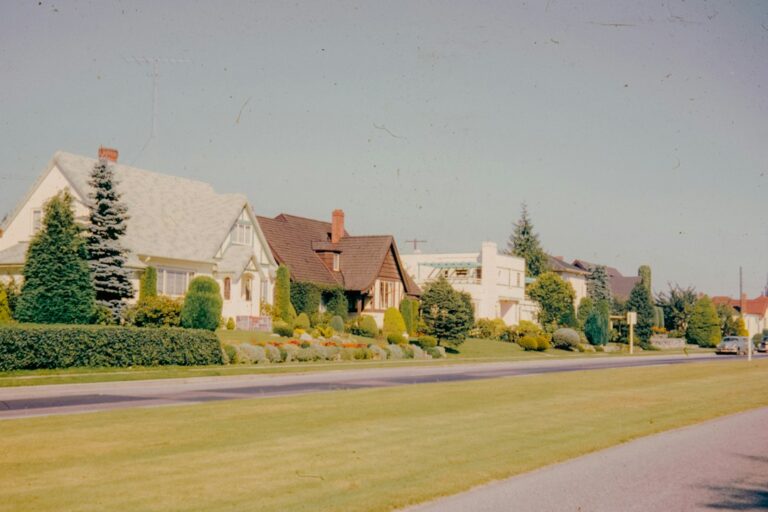 Divorce
Divorcing in North Long Beach? Who Gets the House, and What Taxes Follow
Divorcing in North Long Beach, CA? Learn how buyouts, Duke orders, Watts/Epstein credits, and capital gains tax rules affect splitting your house.
Read the guide → Divorce
Why a West Covina Divorce Sale Doesn’t Always Trigger a Tax Reassessment
A West Covina divorce buyout usually keeps the home's Prop 13 tax basis, but selling to a cash buyer does not. See how that affects your decision.
Read the guide →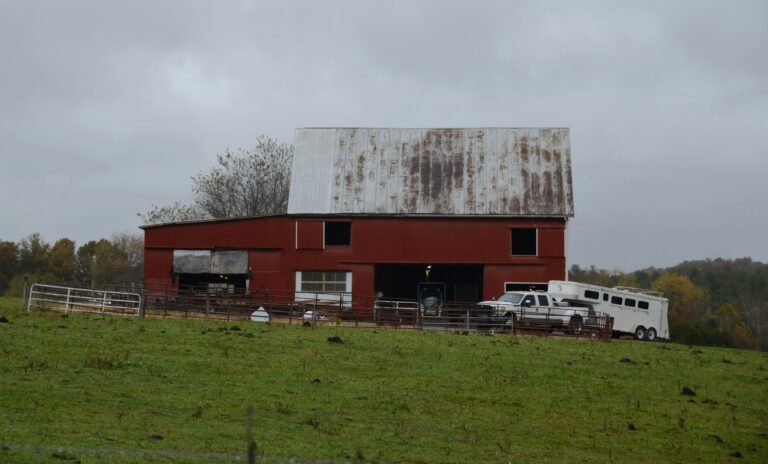 Divorce
Who Gets Credit for the Down Payment on an Agua Dulce Ranch in a Divorce
Learn how California Family Code Section 2640 reimburses a separate-property down payment on an Agua Dulce horse property when a marriage ends in divorce.
Read the guide →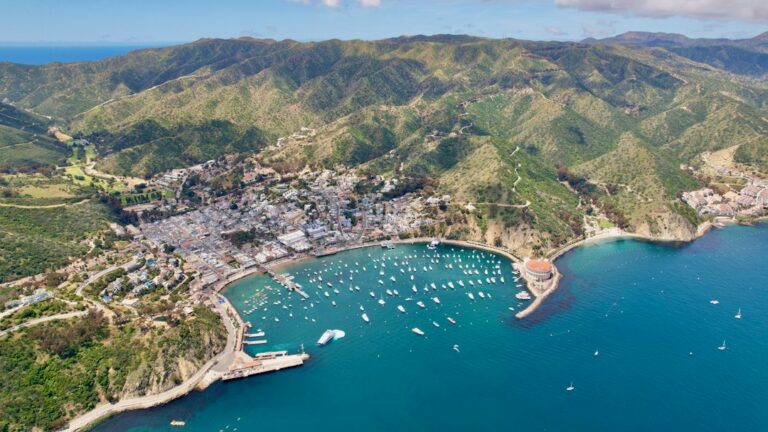 Divorce
Dividing a House in an Avalon, CA Catalina Divorce
Dividing an Avalon, CA home in divorce? See how California community property law, rental license limits, and island appraisals affect your split.
Read the guide → Divorce
Separate Property Reimbursement in a Monrovia Divorce
How Family Code 2640 and the Moore/Marsden formula decide what a spouse gets back before a Monrovia, CA home sells or one spouse buys the other out.
Read the guide → Divorce
How Community Property Division Works for a Whittier Home Sale
See how California law splits community versus separate property for a Whittier house sale during divorce, and what each spouse can claim back.
Read the guide → Divorce
How Community Property Division Plays Out for a Duarte, CA Home
How California's community property law divides a Duarte home in divorce, including Family Code 2640 reimbursement, Watts charges, and Epstein credits.
Read the guide →