
Sell Your House During Divorce in Ontario, CA
- Foreclosure, inherited, tenants, damage — we buy it
- Zero fees, zero commissions, zero closing costs
- No obligation — turn the offer down and owe us nothing


Fast, Fair, and Reliable Offers
One written cash offer, one neutral escrow and one closing date can make dividing the Ontario house simpler for both spouses.
Sell Your House During a Divorce in Ontario With Fewer Moving Parts
The family home is often the largest shared asset in a divorce, and deciding what to do with it can be one of the hardest parts of the process.
If you and your spouse have agreed, or a court has ordered, that you will sell your house during a divorce in Ontario, the goal is usually the same for both sides: a fair price, a clear timeline and a clean split of the proceeds with as little back-and-forth as possible.
A traditional listing asks two people who may not be getting along to agree on a list price, repairs, showing times, offers and counteroffers, often over several months. A direct cash sale narrows those decisions to one: whether to accept a single written offer. This page explains how a divorce sale works in California, what both spouses usually need to sign, and how escrow can divide the money.
California Community Property Basics for Homeowners
California is a community property state. In general, property acquired during the marriage is presumed to belong to both spouses equally, although separate property contributions, refinances and the way title is held can complicate the picture. How the equity in the house will be divided is set by your marital settlement agreement or by a court order, not by the buyer or the escrow company.
Who needs to sign
Every owner on title generally needs to sign the purchase agreement and the grant deed. If both spouses are on the deed, both sign. Even if only one spouse is on title, the other may have a community property interest, and title companies often ask for the other spouse’s signature or a court order to insure the sale. A family-law attorney can explain what applies in your case.
Court orders and restraining orders
Once a divorce case is filed, standard orders generally restrict either spouse from selling or transferring community property without the other’s written consent or a court order. Make sure both spouses agree in writing, or that the court has authorized the sale, before you sign with a buyer.
How Escrow Splits the Proceeds
At closing, a neutral escrow company pays off the mortgage, any home equity line, liens and the agreed closing costs. The remaining proceeds are then distributed according to written instructions signed by both spouses, or according to the court order.
Escrow can send each spouse’s share directly to that spouse, or hold funds in a blocked account if the settlement is not final. Escrow does not decide who gets what; it follows the signed instructions or the order.
Ask your attorneys to coordinate the escrow instructions early. Clear written instructions are the single biggest factor in avoiding delays at the end.
The Ontario Housing Market in August 2026
Redfin’s data shows Ontario’s median sale price was $659,564 in August 2026, down 1.8% from a year earlier, across 316 sales. On average homes sold for 99.7% of list, 36.4% sold above list, and 28.5% of listings saw price drops. Median days on market: 51.
Those numbers are a helpful starting point for a settlement conversation, but a citywide median does not value your specific home.
A house that needs repairs, has a tenant, or must sell on a court-driven timeline may not follow the open-market pattern, and a median days-on-market of 51 shows that even a well-priced Ontario home can take weeks just to reach an accepted offer.
Many divorcing couples get a cash offer and an agent’s opinion of value, then choose the path with the better net after costs and time.
Cash Sale or Listing: A Comparison for Divorcing Owners
| Factor | Direct cash sale | Traditional listing |
|---|---|---|
| Timeline | Written offer usually within 24 hours; a clear-title sale can often close in about two to three weeks, or on a date both spouses choose | Preparation and marketing, then financed buyers usually need 30-45 days |
| Repairs | None; no need to agree on who pays for them | Often required, and costs must be shared or negotiated |
| Showings | One walkthrough | Repeated showings, often while one spouse still lives there |
| Commissions | No fees or commissions | Agent commissions often total around 5-6% combined |
| Closing costs | Divided as written in the agreement | Divided by contract and local custom |
| Certainty | No financing contingency | Loan and appraisal contingencies can reopen negotiations between spouses |
Three Steps When Both Spouses Are Ready
- Reach out. Either spouse, or either attorney, can call or text 424-435-2326 or use the form. We are happy to communicate with both parties so everyone receives the same information.
- Walkthrough and written offer. We schedule one visit and send a written cash offer, usually within 24 hours, to both spouses at the same time.
- Close through a neutral escrow. Escrow collects signatures, pays the loans and liens, records the deed with San Bernardino County and distributes the proceeds per the signed instructions or court order.
We can buy your house directly or bring in a vetted cash buyer from our network; either way you get one written offer, proof of funds, a neutral escrow company, a clear closing date, and no fees or commissions.
Questions to Settle Before You Sell a House During a Divorce in Ontario
Agreeing on a few points in advance keeps the sale from becoming a new source of conflict. Your attorneys or a mediator can help you put the answers in writing.
- What is the lowest acceptable price? Agreeing on a floor ahead of time lets either spouse move forward without a new round of negotiation.
- Who stays in the house until closing? Decide who pays the mortgage, utilities and insurance in the meantime, and whether those payments are credited in the settlement.
- How will belongings be divided? Set a date for each spouse to remove what they want, and agree on what can be left behind.
- Who communicates with the buyer and escrow? Some couples choose one point of contact; others want every message copied to both sides.
- How are the proceeds split? Put the formula, or the court order, into the escrow instructions early.
When these answers are clear, the sale itself is usually the easy part. We send the same information to both parties and let escrow handle the numbers.
Keeping the Process Respectful
Divorce is personal, and a house sale should not add to the strain. We schedule the walkthrough at a time that works for whoever lives in the home, keep the visit short, and never ask either spouse to take sides. If communication between you is difficult, we are glad to work through your attorneys instead.
Common Situations We See in a Divorce Sale in Ontario
One spouse has already moved out
This is common. The spouse who moved out still usually signs as an owner. Escrow can arrange a mobile notary for that spouse, wherever they are living, including out of state, so there is no need to meet in the same room.
One spouse wants to keep the house
A buyout, where one spouse refinances and pays the other for their share, is an alternative to a sale. It depends on whether the keeping spouse can qualify for a new loan on their own. If the buyout does not work, a sale is often the fallback.
The house needs work nobody wants to pay for
Deciding who pays for a new roof or a repaired HVAC system can become one more dispute. Selling as-is removes that question: the price reflects the condition, and neither spouse needs to fund repairs before closing.
Payments are falling behind
When a household splits into two, the mortgage can slip. If a Notice of Default has been recorded, tell us right away. See our guide on how to stop foreclosure in Ontario for the timeline and options, and consider talking to a HUD-approved housing counselor.
Tax and Timing Points to Raise With Your Advisors
Married couples who lived in the home may be able to exclude a portion of the gain on a principal residence sale, and the rules can differ depending on whether you sell before or after the divorce is final and who lived in the home.
A CPA can explain how the timing affects each spouse. California may also require withholding of 3 1/3 percent of the sales price unless an exemption applies, and many principal-residence sales qualify for one; escrow handles the Form 593 with each seller.
Homes We Buy From Divorcing Couples in Ontario
- Older single-family homes, including those that need repairs
- Newer homes in Ontario Ranch with an active homeowners association
- Condos and townhomes in homeowner associations
- Homes with a first mortgage and a home equity line
- Properties where one spouse has moved out of the area
- Rentals and homes with a tenant or family member in a second unit
Whatever stage your case is at, a written offer costs nothing to request and gives both spouses a concrete number to plan around while the rest of the settlement comes together.
Frequently Asked Questions
Can I sell my house during a divorce in Ontario before the divorce is final?
Often yes, if both spouses agree in writing or the court authorizes the sale. Standard orders generally restrict selling community property without consent, so coordinate with your family-law attorneys before signing.
Do both spouses have to sign to sell the house?
Every owner on title generally signs. Even if only one spouse is on the deed, the other may have a community property interest, and the title company may require that spouse’s signature or a court order.
How are the proceeds divided?
Escrow pays the loans, liens and agreed costs, then distributes the remainder according to written instructions signed by both spouses or according to the court order. Escrow can also hold funds until the settlement is final.
What if my spouse will not cooperate?
A buyer cannot resolve a disagreement between owners. Your family-law attorney can ask the court for an order regarding the sale. Once an order is in place, escrow follows it.
Can we sell if one of us has moved out of state?
Yes. Escrow can send a mobile notary to the spouse who moved, including out of state, so both can sign without traveling.
Do we have to fix the house before selling?
No. We buy as-is, which avoids arguments about who pays for repairs. You still generally complete the standard California disclosures.
How fast can a house sale during a divorce close in Ontario?
A written offer usually arrives within 24 hours of the walkthrough, and a clear-title sale can often close in about two to three weeks, or on a later date both spouses choose.
When you are both ready to move forward, call or text 424-435-2326 or use the form above. Both spouses receive the same written cash offer on the Ontario home, with no fees or commissions.
Seller Guides
Helpful guides for homeowners in Ontario
Plain-English answers to the questions sellers ask us most.
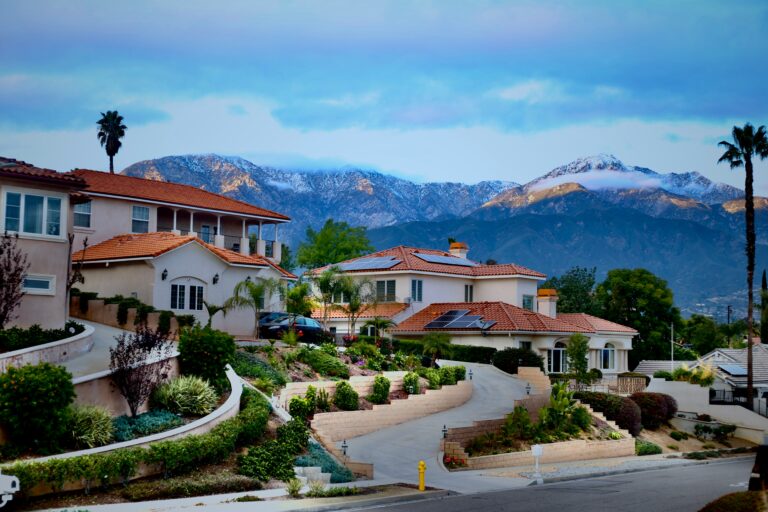 Rentals & tenants
Which Mountain View Rentals Does the CSFRA Actually Cover?
See which Mountain View rentals the CSFRA covers, its rent cap, just-cause eviction rules, relocation pay, and what landlords must do before raising rent.
Read the guide → Inherited homes & probate
Partition Actions Between Heirs: How California Law Forces a House Sale
California heirs can force a house sale through a partition action under CCP 872-874, with court referees, confirmation hearings, and buyout rights.
Read the guide → Divorce
Is a House Buyout in a California Divorce Taxable?
A divorce house buyout isn't taxed upfront in California, but carryover basis can create a real tax bill later. Here's how the math actually works.
Read the guide → Divorce
Who Gets the House in a Divorce in California?
California community property rules, Family Code 2640 reimbursement and the automatic restraining orders that stop a sale. Buyout, sell, or deferred sale.
Read the guide → Divorce
Partition Action in California: The Deadlines That Decide Who Keeps the House
California co-owners get 45 days to elect a buyout under the Partition of Real Property Act. The deadlines, the price formula, the fees.
Read the guide →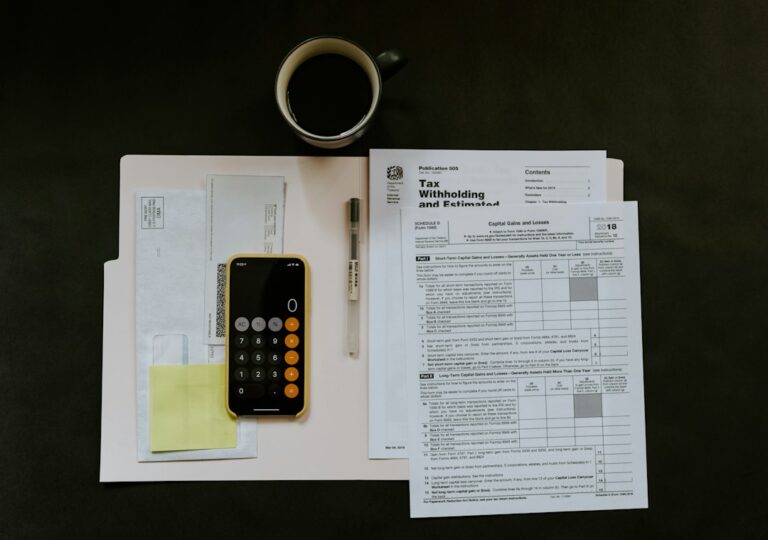 Selling for cash
FTB Form 593: Why Escrow Holds Back 3⅓% of a California Home Sale and How to Avoid It
Escrow generally withholds 3⅓% of a California sale price for the Franchise Tax Board unless you certify an exemption on Form 593.…
Read the guide →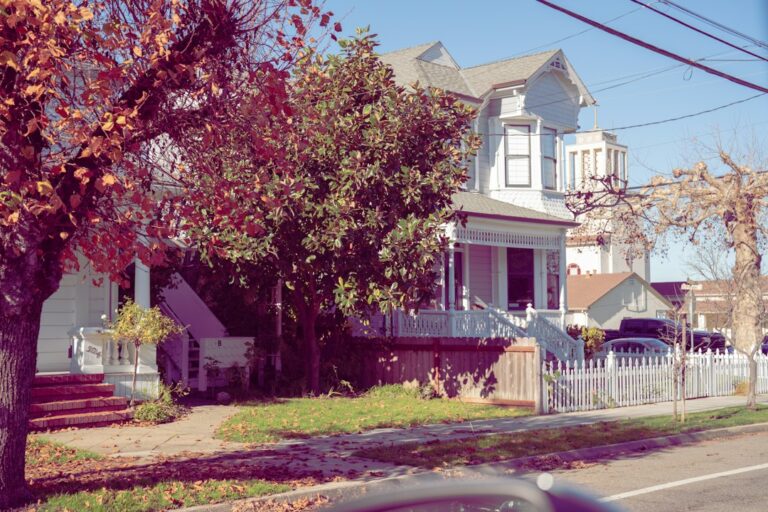 Inherited homes & probate
Medi-Cal Estate Recovery and the Family House: Who Owes, Who Is Protected and the Deadlines
Since 2017, Medi-Cal estate recovery reaches a house only if it passes through probate. See who is exempt, the 90-day notice and the 60-day waiver window.
Read the guide → Selling for cash
Riverside County Tax-Defaulted Property: The Five-Year Clock From Missed Taxes to Auction
How Riverside County tax-defaulted property moves from missed taxes to auction: the five-year clock, redemption deadline, payment plan and excess proceeds.
Read the guide → Foreclosure & liens
The 90-Day Window That Can Block Your California Home Sale: Mechanics Liens
A mechanics lien can block your California home sale. Here's the 90-day deadline to record, foreclose, and clear it before escrow closes.
Read the guide →