
Sell Your House When Relocating From Hollywood Riviera, CA
- Foreclosure, inherited, tenants, damage — we buy it
- Zero fees, zero commissions, zero closing costs
- No obligation — turn the offer down and owe us nothing


Fast, Fair, and Reliable Offers
Moving for work or family? Lock in a written cash offer and a closing date that fits your move, and sign from wherever you land.
How to Sell Your House When Relocating From Hollywood Riviera
A new job, a transfer, a family need or a long-planned retirement can all mean you have to sell your house when relocating from Hollywood Riviera, often on a schedule someone else set.
Coordinating a listing, showings and a financed buyer’s escrow while you are also packing, house-hunting and starting over elsewhere is a lot. A direct cash sale lets you pick the closing date first and plan the move around it.
This page explains how that works, including how to finish the sale after you have already left the South Bay.
Leaving this neighborhood usually means leaving somewhere with real character. Hollywood Riviera began as Clifford Reid’s 1920s idea of a French Riviera on the California coast, and Riviera Village still carries that Mediterranean feel.
The residential streets mix early Spanish-style houses, postwar homes and remodels, many with views toward the Palos Verdes Peninsula. The neighborhood also straddles Redondo Beach and Torrance, so which city’s records apply to your house is a detail escrow sorts out early, before you are on the road.
Riviera Sales Data at a Glance
For the Torrance portion of the neighborhood, Redfin’s August 2026 report shows a median sale price of about $1.87 million over the prior three months, about 1.3% higher than a year before.
The median home took about 39 days to go under contract, roughly 30 homes sold, sellers averaged about 99.3% of list price, and around 34% sold above list. Our hub separately cites Movoto’s September 2026 median list price of about $1.59 million for the Redondo Beach side.
For someone moving, the 39-day median is only part of the story. After a contract comes the financed buyer’s inspection, appraisal and loan approval, which usually adds 30 to 45 days, and any of those can push the closing past your move date. That gap is where carrying two housing payments, or managing a vacant house from far away, starts to cost money and sleep.
Relocation Sale: Cash Offer or Listing
| Factor | Cash sale | Listing while you move |
|---|---|---|
| Timeline | Written offer usually within 24 hours; a clear-title closing can often happen in about two to three weeks, or on the date you choose | Marketing time, then financed buyers usually need 30-45 days to close |
| Repairs | None; leave the house as it is | Repairs and credits negotiated, often after you have moved |
| Showings | One walkthrough before you leave | Keeping the house show-ready while packing, or while vacant |
| Commissions | No fees or commissions | Agent commissions often total around 5-6% combined |
| Closing costs | Set out in the purchase agreement | Customary seller costs plus the county transfer tax |
| Certainty | No financing contingency | Loan or appraisal issues can delay closing after you have left |
Three Steps That Fit Around a Move
We can buy your house directly or bring in a vetted cash buyer from our network; either way you get one written offer, proof of funds, a neutral escrow company, a clear closing date, and no fees or commissions.
- Tell us your move date. Call or text 424-435-2326 or use the form. Share when you need to be gone and whether you want to close before or after you leave.
- Walkthrough, then a written offer. We visit once, even with boxes everywhere, and send a written cash offer, usually within 24 hours.
- Close through escrow from anywhere. A neutral escrow company handles title and payoffs. Documents can be signed in person nearby or with a mobile notary at your new location, including out of state.
Selling After You Have Already Moved
Many relocating owners leave first and sell second. That works fine with a cash sale:
- Walkthrough without you. A neighbor, friend, relative or property manager can open the house, or you can leave a lockbox.
- Signing from a distance. Escrow can arrange a mobile notary who comes to you, including in another state. California does not permit remote notarization of the deed for this kind of sale, so plan on an in-person notary appointment wherever you are.
- Proceeds by wire. Escrow can wire the funds to your bank after the deed records with the Los Angeles County Recorder.
- Leftover belongings. Take what you want; anything left behind can stay.
Sell Your House When Relocating From Hollywood Riviera: California Details
- Withholding. California may require withholding of 3 1/3 percent of the sales price unless an exemption applies. Many principal-residence sales qualify for an exemption, and escrow handles Form 593. If you are becoming a nonresident, ask a CPA how that affects you.
- Disclosures. Sellers generally still complete the Transfer Disclosure Statement and Natural Hazard Disclosure. You can do them electronically before or after moving.
- Transfer tax. The Los Angeles County documentary transfer tax is $1.10 per $1,000; as our hub explains, there is no Los Angeles city tax on either side of the neighborhood.
- Coastal Zone. Homes nearest the water may fall within the California Coastal Zone. It is a disclosure item and does not prevent a cash closing.
- Utilities and insurance. Keep insurance active until the deed records, and schedule utilities to transfer on the closing date.
Planning the Move and the Sale Together
The smoothest relocations work backward from the move date. About four to six weeks out, request an offer so you know your number before booking movers. Two to three weeks out, sign the purchase agreement and open escrow.
In the final week, complete disclosures and sign closing documents, either before you leave or with a mobile notary at your destination.
If you need a little breathing room, a short post-closing occupancy can often be written into the agreement, letting you stay a few days after closing while the movers finish. Alternatively, closing after you move lets you focus on the move first, then sign later.
If the house has a tenant, our page on how to sell a house with tenants in Hollywood Riviera explains how the lease transfers at closing.
Buying Your Next Home While Selling This One
Relocating owners often face a timing puzzle: the next home needs a down payment, but the equity is tied up in the house here. A firm closing date helps you solve it.
With a signed purchase agreement and a scheduled closing, you can tell your lender or landlord at the destination exactly when funds will arrive.
Some buyers of a new home use a short rental at the new location for a few weeks after this sale closes; others set this closing a few days before their purchase so the proceeds can go straight toward the down payment.
Your lender at the new location can explain what documentation they need to see from this sale, and escrow can provide the estimated settlement statement once the numbers are final.
If Your Employer Offers Relocation Help
Some employers provide relocation benefits that cover part of the cost of selling a home, and some have specific rules about how the sale must be handled or documented.
Before you accept any offer, read your relocation policy or ask your HR contact whether they require a particular process, specific paperwork, or a certain closing timeline. We are glad to provide a written offer, the purchase agreement and the final settlement statement for your employer’s records.
If the benefit only applies to a listing through a specific program, compare what you would net under that program with a direct cash sale before deciding.
Managing a Vacant House From Afar
If there is a gap between moving out and closing, a vacant house needs a little attention. Tell your insurance company the home will be empty, since many policies change coverage for vacancies.
Keep the utilities on so the walkthrough and final inspection go smoothly, stop mail delivery or forward it, and ask a neighbor to keep an eye on the property. A short, set closing date keeps that period as brief as possible.
Homes We Buy From Relocating Owners
- Owner-occupied houses near Riviera Village that need updates before a financed sale
- Homes with older systems or an addition whose permit status is unclear
- Houses already vacant after the owner moved away
- Properties with a tenant in place, sold with the lease
- Homes where the owner is also buying elsewhere and needs a firm date to plan around
Should You Rent It Out Instead?
Some owners consider keeping the house as a rental after they move.
That can make sense if you want to return someday or want the long-term income, but managing a property from another state means handling tenant screening, repairs and California landlord rules from a distance, or paying a property manager to do it.
Compare your likely rental income after expenses with the net from a sale, and ask a CPA how each choice affects your taxes. A written cash offer gives you a firm figure to put next to the rental numbers.
Frequently Asked Questions
Can I sell my house when relocating from Hollywood Riviera after I have already moved?
Yes. We can do the walkthrough with a neighbor, relative or property manager, and escrow can arrange a mobile notary near your new home, including out of state, for signing.
How fast can I close before my move?
A written offer usually arrives within 24 hours of the walkthrough, and a clear-title sale can often close in about two to three weeks. You can also set a later date if that fits your move better.
Can I sign closing documents online?
No. California does not allow remote notarization for this, so deeds must be signed in person with a notary. A mobile notary can come to you wherever you are.
Will California withhold taxes if I move out of state?
California may require withholding of 3 1/3 percent of the sales price unless an exemption applies, such as many principal-residence sales. Escrow handles Form 593, and a CPA can advise on your situation.
What if I leave furniture behind?
That is fine. Take what you want to keep and leave the rest. There is no cleanout required.
Can I stay a few days after closing?
Often, yes. A short post-closing occupancy with a set move-out date can be written into the purchase agreement.
Are there fees or commissions?
No. There are no fees or commissions on a direct sale, and the settlement statement shows every figure before you sign.
What happens to my mortgage when I sell?
Escrow requests a payoff statement from your lender and pays the loan in full from the sale proceeds at closing. Any remaining funds are sent to you, often by wire to your bank at your new location.
Planning a move? Call or text 424-435-2326 or use the form above to get a written cash offer on your Hollywood Riviera house and a closing date that fits your schedule, with no fees or commissions.
Seller Guides
Helpful guides for homeowners in Hollywood Riviera
Plain-English answers to the questions sellers ask us most.
 Relocating
Fontana’s Warehouse Boom: What It Means If You’re Relocating
Fontana grew from a wartime steel town into an Inland Empire logistics hub. See what that shift means for home values and selling if you are relocating.
Read the guide → Rentals & tenants
How Much Must Long Beach Landlords Pay Tenants Under the Relocation Ordinance?
Long Beach landlords: see the LBMC 8.99 relocation payments, notice periods, and city filing step required before a no-fault tenant termination.
Read the guide → Rentals & tenants
Pasadena Tenant Protection Ordinance: Notice & Pay Rules
Pasadena's tenant protection ordinance sets notice periods, split relocation pay, and rent caps for owners selling a tenant-occupied rental.
Read the guide → Relocating
What Torrance’s Planned-City History Means for a Relocation Sale
Torrance was built in distinct eras, and that history still shapes comps and timelines. See what it means for selling fast on a relocation deadline.
Read the guide → Relocating
Selling a Hawthorne House on a Job-Relocation Timeline
Relocating for a new job near Hawthorne? Here is how to sell your house on a tight timeline without losing the tax exclusion or skipping a disclosure.
Read the guide →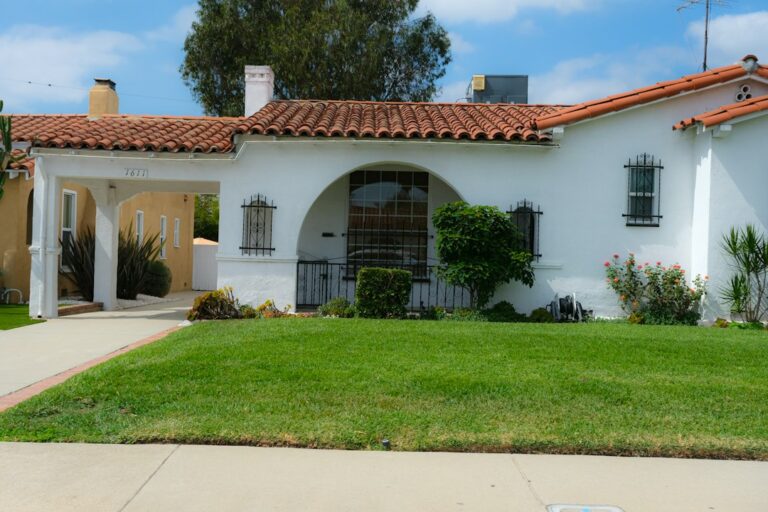 Relocating
Selling on a Relocation Deadline in Downey, CA: What Actually Takes the Time
Relocating out of Downey? See what truly drives the timeline: disclosure prep, underwriting, and escrow, plus how to compress it without losing value.
Read the guide → Relocating
What Claremont’s College-Town Market Means When You’re Relocating
Claremont's college-town market and a strict tree-permit ordinance affect how fast a relocation sale moves. Here's what sellers should know first.
Read the guide → Relocating
Relocating From Del Aire, CA: What to Know First
Relocating from Del Aire? This unincorporated LA County community has no city hall, LAX flight-path noise to weigh, and a tax exclusion worth checking.
Read the guide → Relocating
Relocating From Altadena, CA After the Eaton Fire
The Eaton Fire destroyed 9,419 structures in Altadena. Homeowners relocating can carry their old property tax base to a new home anywhere in California.
Read the guide →