
Sell My House Fast in Sunset Beach
- Foreclosure, inherited, tenants, damage — we buy it
- Zero fees, zero commissions, zero closing costs
- No obligation — turn the offer down and owe us nothing


Every Day on the Market Has a Cost
See how a traditional Sunset Beach listing timeline compares to a cash close, and why speed matters most when you have a deadline of your own.
If you need to sell a house fast in Sunset Beach, the obstacle usually isn’t your price — it’s the chain of steps a financed buyer has to clear before a sale actually funds, and in a small coastal colony like this one that chain has a few extra links.
Cash Home Buyers CA buys houses and cottages throughout Sunset Beach directly, in as-is condition, which removes most of that chain entirely.
How Long a Traditional Sunset Beach Sale Actually Takes
Movoto’s September 2026 snapshot put the median list price in Sunset Beach at roughly $2.69 million, with only 18 homes on the active market and a median of 124 days to sell.
That is a slow market by any measure, and it reflects a simple reality: at a nearly $2.7 million price floor, the pool of financed buyers who qualify is thin, and thin buyer pools take their time.
Even once an offer is accepted, a standard California purchase agreement gives the buyer roughly a 17-day contingency period for inspections, disclosures and loan approval, and full underwriting after that typically needs another two to four weeks.
Add it up and a financed Sunset Beach escrow commonly runs 45 to 60 days past an accepted offer, on top of the 124-day median wait just to get one.
Why Sunset Beach Sales Move Slower Than the County Average
Sunset Beach is a half-mile-wide strip along Pacific Coast Highway, wedged between the ocean and Huntington Harbour, with the community’s own 14-acre Green Belt running through the middle of it.
It covers under a fifth of a square mile, and the housing stock is a mix of small 1920s through 1950s cottages on narrow lots and rebuilt contemporary homes, duplexes and rental units.
Zillow’s home value index put the typical Sunset Beach home at about $2,136,605 as of August 2026, up 5.9 percent year over year, so prices are still climbing even while the number of transactions stays small.
A market this size and this expensive simply doesn’t move at the pace of a larger inland tract-home neighborhood.
Older cottages compound the problem.
A home built before the colony’s oil-boom-era growth in the 1920s and 1930s often needs a full renovation to meet current buyers’ expectations, and on a beach lot inside the California Coastal Zone that renovation usually requires a Coastal Development Permit before a lender will even finance the work.
Financed buyers who plan to remodel have to build permit timelines into their own closing schedule, which stretches an already slow process even further.
Where a Financed Sale Loses Time in Sunset Beach Specifically
- Coastal Development Permits. Any buyer planning new construction, a second story or a significant remodel on a Sunset Beach lot needs a permit before that work can proceed, and lenders financing renovation costs often wait on permit approval before releasing funds.
- Flood insurance and elevation. The community sits only about 5.3 feet above sea level. Some lenders require flood insurance or an elevation certificate on Sunset Beach parcels, an underwriting condition that can add weeks and cost financed buyers money they didn’t budget for.
- Thin comps. With only 18 active listings across the whole colony at any given time, appraisers have little to work from, and an appraisal that leans on comps from inland Huntington Beach can easily come in under contract price.
- Financing falling through late. On a nearly $2.7 million median list price, a denied jumbo loan in the final days before closing sends the seller back to square one, relisting and restarting a 124-day clock.
What a Cash Sale’s Timeline Looks Like Here
We typically respond with a written cash offer within 24 to 48 hours of hearing about your property. Because there’s no lender involved, there’s no loan contingency, no lender-ordered appraisal, and no Coastal Development Permit to chase before closing — we buy the cottage or house exactly as it sits.
Once you accept, we open escrow with a licensed Orange County title and escrow company, and deeds record with the Orange County Clerk-Recorder in Santa Ana.
A house with clear title and no tenancy typically closes in two to three weeks; a rental with a tenant in place, or an estate still moving through probate, usually runs four to six weeks. Either way, you pick the date.
Getting a Sunset Beach Property Ready to Sell Fast — Or Skipping That Step Entirely
On a normal financed listing, a seller in a colony like this one is usually pushed toward some combination of staging, decluttering, minor repairs, and often a pre-listing inspection to head off surprises once a buyer’s own inspector arrives.
On a small lot with limited off-street parking, sellers sometimes also spend money clearing a driveway or side yard just to make the property show well in photos, since curb appeal matters more on a half-mile-wide beach strip where every house sits close to its neighbors.
None of that is required to get a cash offer from us.
We look at the property once, factor in whatever condition it’s in, and make our number reflect the house as it stands rather than as it could be after weeks of prep work you’d have to pay for up front and hope to recoup at closing.
That matters more here than in a lot of neighborhoods because Sunset Beach’s housing stock skews older.
A cottage dating to the 1920s or 1930s oil-boom years, or a mid-century rebuild that’s never been updated, often has deferred maintenance that would normally trigger a round of inspection-driven repair credits in a financed deal.
We simply price that condition into the offer instead of negotiating over it during escrow, which is one of the biggest reasons our timeline stays short and predictable.
Common Reasons Sunset Beach Owners Need to Move Quickly
Speed matters for plenty of ordinary reasons that have nothing to do with a crisis: a new job pulling you away from the coast, not wanting to carry two mortgage payments while a new purchase closes, or simply not wanting to keep paying insurance and upkeep on a cottage sitting empty near the Green Belt.
With close to six in ten Sunset Beach homes historically renter-occupied rather than owner-occupied, a fair number of the calls we get are landlords who are simply done managing a rental this far from home and want out without a vacancy period. Others are dealing with something more specific.
If your timeline pressure comes from one of those, we have dedicated Sunset Beach guides that go deeper: foreclosure, divorce, and an inherited cottage each come with their own deadlines and rules worth understanding on their own.
The same underwriting, coastal-permit and escrow rules described here apply across the rest of Orange County too — see our page on the rules across the rest of Orange County if you’re comparing a Sunset Beach sale to a property elsewhere in the county.
The Honest Trade-Off
A cash offer is typically below what a fully-renovated, permit-clear home might fetch after a long, well-marketed retail listing near the Green Belt.
In exchange, there’s no 5 to 6 percent agent commission — on a $2.69 million sale that’s roughly $134,000 to $161,000 — no Coastal Development Permit to obtain, no flood-insurance underwriting delay, and no risk of a jumbo loan falling through three weeks before closing.
For an owner on a real deadline in a market averaging 124 days on market, that certainty is usually worth more than the spread.
It’s also worth being honest about which Sunset Beach properties this trade-off suits best. A rebuilt, view-oriented home near the Green Belt in move-in condition will usually still net more from a patient financed buyer willing to wait out that 124-day median and the escrow that follows.
Where our offer competes hardest is the rest of the colony: original cottages that would need coastal approvals and a full remodel to modernize, small lots with limited off-street parking that scare off conventional buyers, long-term rentals that only ever trade to investors anyway, and any property where a flood-insurance requirement complicates the loan.
Once you net out commission, permitting risk, and months of carrying costs on one of those, a cash sale often lands closer to a comparable listing price than most sellers expect, with a firm date instead of an open-ended one.
Frequently Asked Questions
How fast can you really close in Sunset Beach?
Two to three weeks for a house with clear title and no tenancy; four to six weeks if a rental or a probate estate is involved. You set the date.
Do I need a Coastal Development Permit just to sell my house as-is?
No. A permit is only required for new construction, an addition or a significant remodel. Selling as-is to a cash buyer skips that process entirely.
Will the flood risk and low elevation slow down my sale?
It can, with a financed buyer — some lenders require flood insurance or an elevation certificate on Sunset Beach parcels. A cash offer, which doesn't depend on a lender's underwriting, sidesteps that delay.
Do I need to clean or repair anything first?
No. We buy the property in its current condition, whether it's an original 1930s cottage or a rebuilt home near the Green Belt.
Is a cash sale always faster than listing?
Not always, but with only about 18 active listings and a 124-day median in this market, most Sunset Beach sellers find the wait for a qualified financed buyer is the slower part, not the price negotiation.
What if I actually need more time, not less?
That's fine. We can set a closing date further out, or arrange a short rent-back so you can stay in the house after closing while you finish your own move.
Get a free, no-obligation cash offer on your Sunset Beach house or cottage from Cash Home Buyers CA today. Call or text (424) 435-2326.
Sunset Beach is part of Huntington Beach. For the citywide picture, see our guide to sell my house fast in Huntington Beach.
Seller Guides
Helpful guides for homeowners in Sunset Beach
Plain-English answers to the questions sellers ask us most.
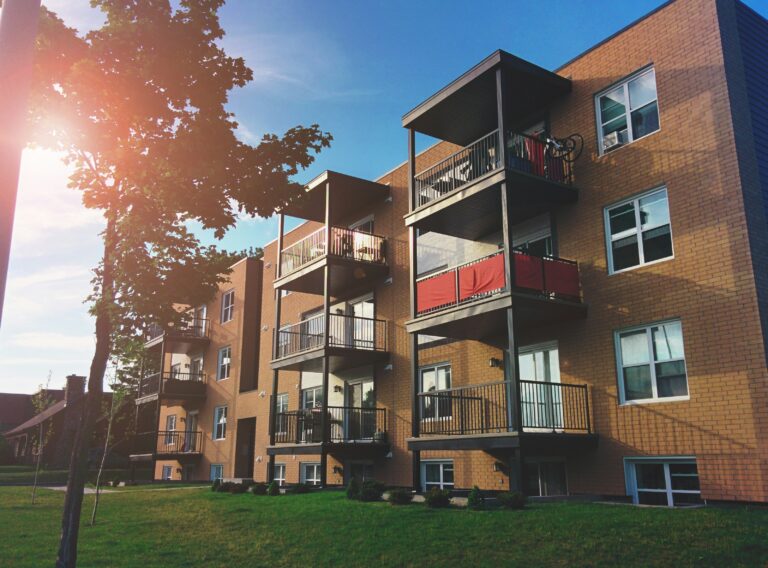 Rentals & tenants
Emeryville’s Just Cause Eviction Ordinance: Relocation Pay Under Municipal Code 5-40
Emeryville's Municipal Code 5-40 requires just cause from day one and relocation pay scaled by landlord size, stricter than statewide AB 1482.
Read the guide → Selling for cash
California’s Security Deposit Cap: How AB 12 Limits What Landlords Can Collect
AB 12 caps most California security deposits at one month of rent, with a narrow two-month exception for small landlords and new 2025 photo rules.
Read the guide → Selling as-is
California Civil Code §4525: The 11 HOA Documents You Must Hand a Buyer Before Closing
California Civil Code 4525 requires HOA sellers to hand buyers 11 documents before closing, including the new balcony inspection report requirement.
Read the guide →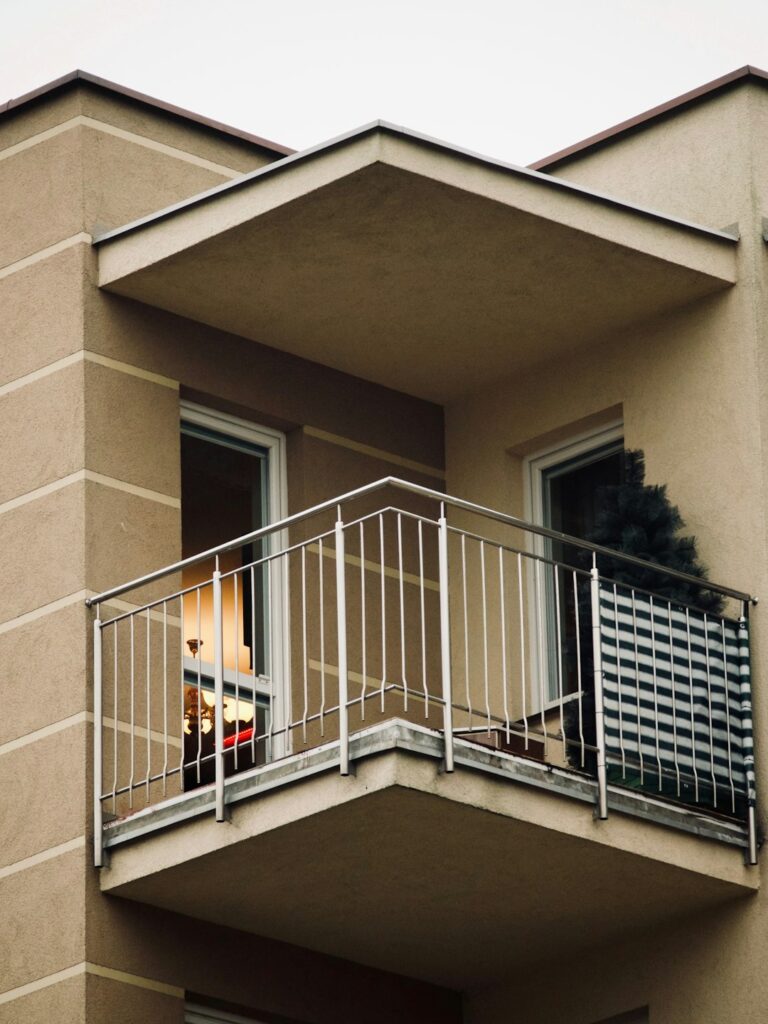 Selling for cash
California’s Balcony Inspection Law: What SB 721 and SB 326 Require Before You Sell
SB 721 and SB 326 require California balcony and deck inspections on rentals and condos, with deadlines already passed. What sellers should check.
Read the guide → Selling for cash
California’s AB 1482 Rent Cap: How the 5% Plus CPI Formula Actually Works
AB 1482's rent cap runs on a 5% plus regional CPI formula, capped at 10%, that resets every August 1. Here's how…
Read the guide → Rentals & tenants
California’s Just Cause Eviction Notice: What Civil Code 1946.2 Requires
Civil Code 1946.2 requires a stated reason to end most tenancies after 12 months, and one month's rent in relocation pay within 15 calendar days.
Read the guide → Selling for cash
When a Mobile Home Park Closes in California: The Notice and Relocation Rules
California requires an impact report, a relocation plan, and up to 12 months' notice before a mobile home park can close. Here's how the process works.
Read the guide → Selling for cash
San Joaquin County Supplemental Tax Bill Explained
A second tax bill after buying or inheriting a San Joaquin County house isn't a mistake. Here's how the county calculates it, and when it bills you twice.
Read the guide → Foreclosure & liens
Can a Lender Sue You After a California Foreclosure? Anti-Deficiency Rules Explained
In most California foreclosures the lender can't sue for the unpaid balance after sale. Here's when anti-deficiency protection applies, and when it fails.
Read the guide →