
Get a Cash Offer for My House in Simi Valley, CA
- Foreclosure, inherited, tenants, damage — we buy it
- Zero fees, zero commissions, zero closing costs
- No obligation — turn the offer down and owe us nothing


Fast, Fair, and Reliable Offers
See exactly how our cash-offer process works, from the first call to a closing date you choose, before you request a number for your Simi Valley house.
How to Get a Cash Offer for My House in Simi Valley
Most homeowners who search for a cash offer for my house in Simi Valley want to understand the process before they pick up the phone. What gets reviewed, how long it takes, whether there is any cost or obligation, and what happens after you say yes. This page walks through each step in order, so you know what to expect before you request a written offer.
The short version: we review the property, send a written cash offer, usually within 24 hours, and if you accept, a neutral escrow company handles title, payoffs and closing on a date you choose. There is no fee to ask and no obligation to accept.
Step One: Tell Us About the House
Call or text 424-435-2326 or fill out the form at the top of this page. We ask for the address, the general condition, whether anyone currently lives there, and your timeline. If the property is inherited, in a trust, behind on payments, or occupied by a tenant, mention that here so we can plan the review around it.
Step Two: A Walkthrough and a Written Offer
We schedule one visit to see the property’s actual condition, including anything that affects value, such as deferred maintenance, hillside grading or an unpermitted addition. We do not need the house cleaned, repaired or staged for this visit. Based on comparable Simi Valley sales and the property’s current condition, we send a written cash offer, usually within 24 hours of the walkthrough, explaining how the number was calculated.
Step Three: Review, Decide and Open Escrow
You can take time to review the offer, ask questions, compare it with a listing scenario, or decline it entirely with no obligation. If you accept, a neutral escrow company opens the file, orders title, and begins collecting payoff information for any mortgage or liens.
We can buy your house directly or bring in a vetted cash buyer from our network; either way you get one written offer, proof of funds, a neutral escrow company, a clear closing date, and no fees or commissions.
Step Four: Closing on Your Date
Escrow prepares the closing documents, confirms who is signing, and arranges a mobile notary if any signer cannot meet in person, including out of state. Once everything is signed and funds are confirmed, the sale is recorded through the Ventura County recorder, and proceeds are disbursed according to the purchase agreement.
What the Simi Valley Market Looked Like in August 2026
Redfin’s August 2026 data for Simi Valley shows a median sale price of about $804,000, down 1.8% from a year earlier, across 272 homes sold, with a median of 43 days on market. Our process does not depend on broad market conditions the way a listing does; a written offer is based on your specific property, not on how quickly homes generally sell that month.
| Redfin measure (Aug 2026) | Simi Valley figure |
|---|---|
| Median sale price | $804,468 |
| Year-over-year change | -1.8% |
| Homes sold | 272 |
| Median days on market | 43 |
| Sale-to-list ratio | 99.4% |
| Sold above list price | 38.2% |
| Listings with price drops | 33.4% |
Cash Offer Process vs. a Traditional Listing
| Factor | Our cash-offer process | Traditional listing |
|---|---|---|
| Timeline | Written offer usually within 24 hours; closing can often happen in about two to three weeks, or on your date | Prep and marketing, then financed buyers usually need 30-45 days in escrow |
| Repairs | Not required; sold in current condition | Buyers often request repairs or credits after inspection |
| Showings | One walkthrough | Open houses and private showings, often over several weeks |
| Commissions | No fees or commissions | Agent commissions often total around 5-6% combined |
| Closing costs | Set out in the written purchase agreement | Seller costs set by contract and local custom |
| Certainty | No financing contingency or appraisal hurdle | Loan approval, appraisal and inspection contingencies can delay or cancel |
How We Calculate a Cash Offer for My House in Simi Valley
We start with comparable sales in Simi Valley, then adjust for the property’s current condition, needed repairs, and our own holding and resale costs.
A home near Cochran Street that only needs cosmetic updates will be priced differently than a hillside property near Blue Ridge Circle with a drainage question or deferred structural work. We explain the key assumptions behind the number so you can see the reasoning, not just the final figure.
Situations the Process Can Accommodate
- Inherited homes still working through probate or a living trust
- Rentals with a tenant currently living in the property
- Houses behind on mortgage payments or with a recorded foreclosure notice
- Properties being divided as part of a divorce settlement
- Homes needing repairs the owner cannot fund before selling
For situation-specific details, see our guides on selling an inherited house in Simi Valley and stopping foreclosure in Simi Valley, or our main Simi Valley page for a general overview.
Questions to Ask During the Process
At any point, you can ask how the offer price was calculated, whether proof of funds is available, who is actually buying the house, and what happens if you decide not to move forward. A transparent process should answer each of these clearly and in writing, not leave you guessing between steps.
You are also free to pause and compare the written offer against a traditional listing before deciding. The process does not require a decision on the spot, and there is no cost or obligation at any stage until you choose to sign a purchase agreement.
Protecting Yourself Throughout the Process
Before signing anything, confirm the written offer states a clear price and terms, that proof of funds is provided, that your deposit will be held by a neutral escrow company, that a closing date is named, and that the agreement spells out who pays which costs and who takes title. If any of these are missing at any step, ask for them in writing before moving forward.
What Escrow Actually Does During Closing
Once you accept a written offer, escrow becomes the neutral party that holds everything together until closing.
That typically includes ordering a title report to confirm who legally owns the property and whether any liens, judgments or easements are recorded against it, collecting payoff statements from your mortgage lender, and preparing the closing statement that shows every number involved in the sale.
Escrow also holds the buyer’s deposit, so funds are never exchanged directly between you and the buyer outside of a documented, neutral process.
California sellers generally still complete the Transfer Disclosure Statement and the Natural Hazard Disclosure during this stage, describing what you know about the property’s condition and history. California may also require withholding of 3 1/3 percent of the sales price unless an exemption applies, such as many principal-residence sales, and escrow handles the Form 593 paperwork with you so this does not become a surprise at the closing table.
Signing the Final Documents
Every owner on title generally needs to sign the grant deed. If the property is held in a trust, the trustee signs; if it passed through an estate, the executor or administrator may need confirmed authority first. Spouses on title both sign as well.
If anyone cannot meet in person locally, escrow can typically arrange a mobile notary to meet that person wherever they are, including out of state, since an in-person notary visit is still required under California law.
Once all signatures are collected and funds are confirmed, escrow records the deed through the Ventura County recorder and releases funds according to the purchase agreement. At that point the sale is complete, and you receive your net proceeds after any payoffs and agreed costs are deducted.
How This Process Differs for Specific Situations
The core steps stay the same whether the property is a straightforward sale, an inherited home, a rental with a tenant in place, or a house in foreclosure, but the documents required can differ.
A probate sale may need letters testamentary or letters of administration before escrow can proceed, a trust sale needs the trust document itself, and a tenant-occupied sale needs the current lease and security deposit records.
We identify what applies to your specific situation during the first call, so you are not guessing which paperwork to track down.
Frequently Asked Questions
How do I get a cash offer for my house in Simi Valley?
Call or text 424-435-2326 or use the form on this page. We schedule a walkthrough and send a written cash offer, usually within 24 hours, with no cost or obligation to accept.
How long does the entire process take from call to closing?
A written offer usually arrives within 24 hours of the walkthrough, and a clear-title sale can often close in about two to three weeks, or on a later date you choose.
Is there any cost to request an offer?
No. There is no fee to ask for an offer and no obligation to accept it. You can compare it against a listing or decline it entirely.
Who do I actually sell the house to?
We can buy your house directly or bring in a vetted cash buyer from our network. Either way you get one written offer, proof of funds, a neutral escrow company, a clear closing date, and no fees or commissions.
Do I need to prepare the house before the walkthrough?
No. We review the property as it is, including any repairs it needs, and price those factors into the written offer rather than asking you to fix them first.
How is the offer price actually calculated?
We start with comparable Simi Valley sales, then adjust for the property’s current condition, needed repairs and our own holding and resale costs, and explain the key assumptions so you understand the number.
What happens if I sign a purchase agreement and then change my mind?
Ask about the specific terms of your agreement before signing, since purchase agreements can include contingencies and deadlines. Before you sign, you are always free to decline the offer with no obligation.
What does escrow do, and does the process change for probate or tenant situations?
Escrow orders title, collects mortgage payoff figures, holds the deposit as a neutral party, prepares the closing statement, and records the deed once everything is signed. The core steps stay the same for probate or tenant-occupied sales, but a probate sale needs letters testamentary or letters of administration, and a tenant-occupied sale needs the current lease and deposit records, which we identify during the first call.
Ready to see your written cash offer? Call or text 424-435-2326 or use the form above. There is no fee to ask and no obligation to accept.
Seller Guides
Helpful guides for homeowners in Simi Valley
Plain-English answers to the questions sellers ask us most.
 Rentals & tenants
Which Mountain View Rentals Does the CSFRA Actually Cover?
See which Mountain View rentals the CSFRA covers, its rent cap, just-cause eviction rules, relocation pay, and what landlords must do before raising rent.
Read the guide → Inherited homes & probate
Partition Actions Between Heirs: How California Law Forces a House Sale
California heirs can force a house sale through a partition action under CCP 872-874, with court referees, confirmation hearings, and buyout rights.
Read the guide →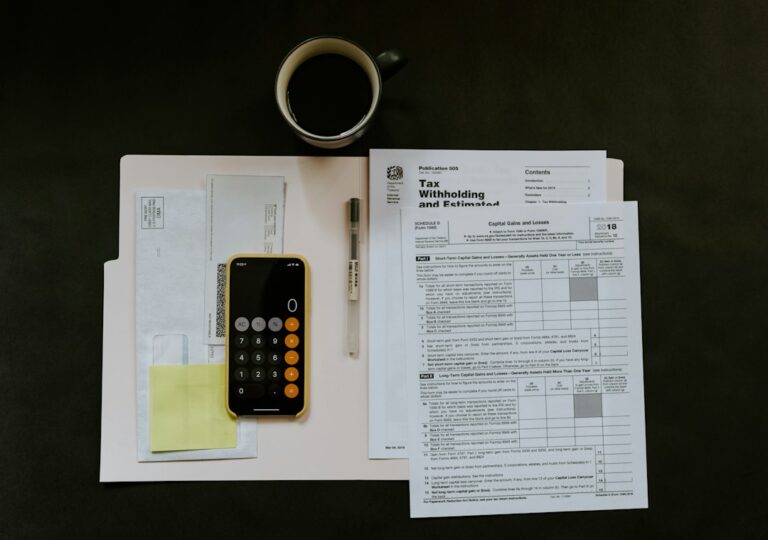 Selling for cash
FTB Form 593: Why Escrow Holds Back 3⅓% of a California Home Sale and How to Avoid It
Escrow generally withholds 3⅓% of a California sale price for the Franchise Tax Board unless you certify an exemption on Form 593.…
Read the guide → Inherited homes & probate
Medi-Cal Estate Recovery and the Family House: Who Owes, Who Is Protected and the Deadlines
Since 2017, Medi-Cal estate recovery reaches a house only if it passes through probate. See who is exempt, the 90-day notice and the 60-day waiver window.
Read the guide → Foreclosure & liens
The 90-Day Window That Can Block Your California Home Sale: Mechanics Liens
A mechanics lien can block your California home sale. Here's the 90-day deadline to record, foreclose, and clear it before escrow closes.
Read the guide → Foreclosure & liens
How an HOA Can Actually Foreclose on a California Home (and the Deadlines That Protect You)
California HOA liens aren't super-priority, but can foreclose in 75 days. See the delinquency, notice, and 90-day redemption rules that apply.
Read the guide → Selling for cash
Does AB 1482 Apply to Your Oxnard Rental?
Does AB 1482 automatically exempt your Oxnard single-family rental? See the two-part exemption test and why it so often fails before you sell.
Read the guide → Relocating
Selling on a Relocation Timeline From Camarillo, CA: What Actually Takes the Time
Selling on a job relocation from Camarillo, CA? See the capital gains exclusion rules, Prop 19 timing, and what actually delays a fast closing.
Read the guide → Selling as-is
Selling a House With Code Violations in California
You can sell a California house with code violations without fixing them first, but disclosure is required and unpaid abatement costs can be a lien.
Read the guide →