
Watts Charges and Epstein Credits: What They Mean for a Cerritos Home Sale
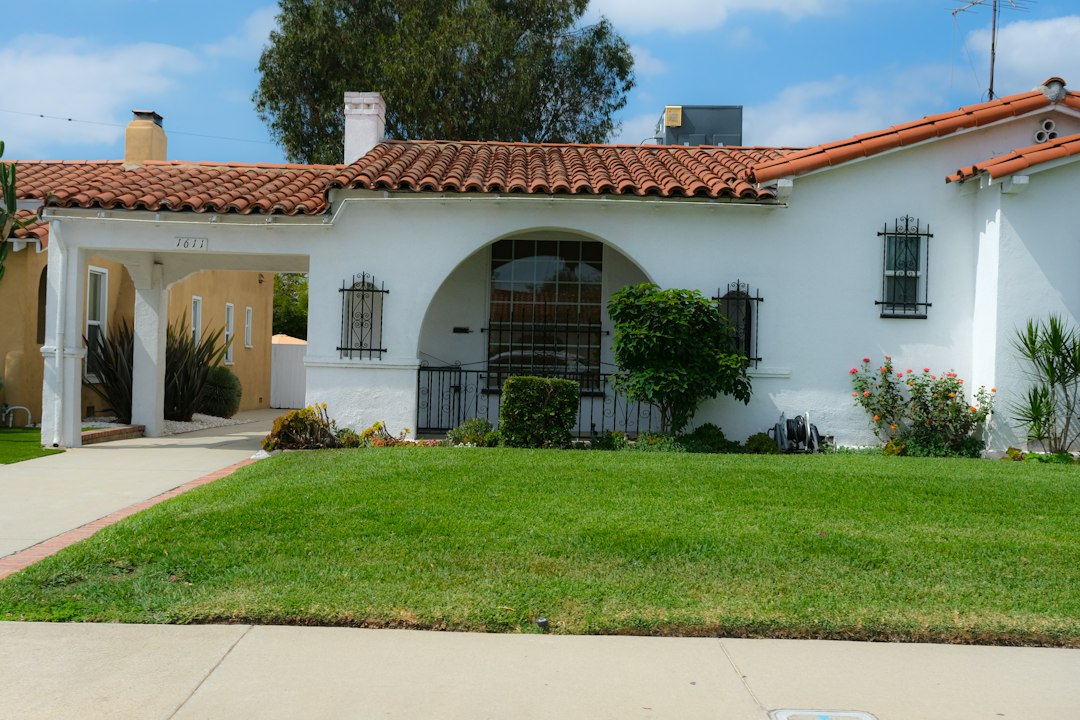
Short answer: Watts charges and Epstein credits are two California divorce adjustments that change how home sale proceeds get split. A Watts charge bills the spouse who lived in the house alone after separation for half its fair rental value. An Epstein credit pays back the spouse who covered the mortgage, taxes or repairs with their own post-separation money.
In a California divorce, the house is rarely split exactly down the middle in practice, even though the law starts from an equal-division baseline — two case-law doctrines called Watts charges and Epstein credits routinely shift the final numbers. In Cerritos, where home equity tends to run higher than the county average, those adjustments can mean tens of thousands of dollars either way.
From Dairy Valley to the World’s Largest Auto Mall
Cerritos incorporated on April 24, 1956 under a very different name — Dairy Valley, reflecting the dairy farms that covered the area — before residents voted to rename it Cerritos in 1967 as the city transformed into a planned residential and commercial community.
That planning legacy shows today in the Cerritos Auto Square, often cited as the largest auto mall in the world, and in a city-wide emphasis on master planning that has kept property values and household incomes above the Los Angeles County median.
With about 49,600 residents (2020 Census) in 8.86 square miles, Cerritos homes typically carry more built-up equity than comparable houses in denser, older Gateway Cities nearby — which raises the financial stakes when a divorcing couple has to divide that equity fairly.
The Starting Point: Equal Division
Family Code section 2550 directs a California court to divide community property equally between the spouses absent a written agreement otherwise.
A house purchased during the marriage with community funds is community property regardless of whose name is on the deed, and it gets divided under this same rule — the mechanics of that division work the same way statewide, whether the house sits in Cerritos or anywhere else in California.
Whittier adds its own separate-property complications given how much of its housing predates most current marriages — see how community property division works for a Whittier home sale.
What Is a Watts Charge? Paying for Exclusive Use
Named for the 1985 case In re Marriage of Watts, a Watts charge requires a spouse who has exclusive use of the community home after separation — living there alone while the other spouse moves out — to compensate the community for the fair rental value of that exclusive use.
If one spouse stays in the Cerritos house for a year after separation while the case proceeds, the other spouse can seek a Watts charge equal to a share of what that year of occupancy would have rented for, added back into the final accounting when the house sells.
What Are Epstein Credits in a California Divorce?
The companion doctrine, from the 1979 case In re Marriage of Epstein, runs the other direction.
If the spouse living in the house makes mortgage payments, property tax payments, or necessary repairs out of separate post-separation income, that spouse can typically claim an Epstein credit reimbursing them from the community’s share of the proceeds when the house sells.
In a higher-equity market like Cerritos, where a mortgage payment on a fully-value-appreciated house is not small, Epstein credits can add up fast over a divorce case that drags on for a year or more.
When Epstein Credits and Watts Charges Don’t Apply
Neither one is automatic. An Epstein credit is often denied or reduced when:
- the spouses agreed in writing that there would be no reimbursement,
- the payment was meant as a gift,
- the payment was really child or spousal support, or
- the payer lived in the house and its rental value matched the payment.
A Watts charge can also be waived by agreement, or left out if the rental value was already counted when support was set.
Why Both Doctrines Usually Show Up Together
In practice, the spouse who stays in the house is often both paying the mortgage and getting the benefit of exclusive use — meaning Epstein credits and Watts charges frequently apply to the same person at the same time, partially offsetting each other.
Untangling that math, and confirming it before a listing agent or a buyer’s escrow ever gets involved, is usually best handled with a family law attorney who can review the specific payment history, not estimated after the fact once the house is already in contract.
How the Credits Reach the Escrow on a Cerritos Sale
Escrow doesn’t calculate these amounts. It pays off the loan and closing costs, then follows instructions signed by both spouses or a court order, often holding the disputed share until the numbers are agreed.
For example, if one spouse paid $2,000 a month in mortgage payments for 12 months while living in a house that would rent for $3,500, the attorneys would compare a $12,000 Epstein claim, half of $24,000, against a $21,000 Watts charge, half of $42,000.
When Selling Fast Isn’t the Right Call
If both spouses can agree on timing, can keep the mortgage current through a normal listing period, and don’t need immediate liquidity, a traditional sale through an agent will often net more from a Cerritos house given the strength of the local market — the Watts and Epstein math still applies either way, but a higher sale price gives both spouses more room.
A fast cash sale tends to make more sense when neither spouse can carry the payment, when conflict makes showings impractical, or when a court-ordered deadline doesn’t leave time for a normal listing.
Watts Charges and Epstein Credits FAQ
What are Epstein credits?
They reimburse a spouse who paid a community debt, such as the mortgage, with separate money after separation.
Are Watts credits the same as Watts charges?
Yes. Both names describe the charge against the spouse who had exclusive use of the house after separation.
What did In re Marriage of Epstein (1979) decide?
The California Supreme Court held that a spouse who pays community debts with separate funds after separation is generally entitled to reimbursement.
Does a cash buyer handle Watts or Epstein amounts?
No. The buyer pays the price. How the net proceeds are split is decided by the spouses, their attorneys or the court.
Can we sell the Cerritos house before the credits are settled?
Usually, yes. Escrow can hold the disputed share of the proceeds until there’s an agreement or a court order.
For a no-obligation cash offer on a Cerritos home during a divorce, Cash Home Buyers CA can work on either spouse’s timeline, and our page on selling a house during divorce in Cerritos covers the local process in full. You can also see our Google listing for reviews and contact details.
Ready to sell your house in Cerritos? See our We Buy Houses in Cerritos, CA page for a no-obligation cash offer and local selling options.