
We Buy Houses in Apple Valley, CA
- Foreclosure, inherited, tenants, damage — we buy it
- Zero fees, zero commissions, zero repairs
- No obligation — turn the offer down and owe us nothing


Sell Your House Fast in Apple Valley
Need to sell your house fast in Apple Valley? We buy houses for cash as-is, with no repairs, no fees and no commissions, and you choose the closing date.
Apple Valley homeowners sometimes call because a sale must fit around a move, an inherited property or tenants. The answer is specific to the house rather than the city’s average sale. We put our proposed price and schedule in writing after discussing what the property needs.
Cash Home Buyers CA can review a house in its current condition in Apple Valley. We consider your goals and any documents available, then present a written proposal you can compare with a listing. You have no obligation to accept it.
We Buy Houses in Apple Valley: Neighborhoods and ZIP Codes We Cover
The town splits between 92307 and 92308, and we buy in both. That takes in Apple Valley Village and the older blocks near Highway 18, Desert Knolls, Jess Ranch, Sycamore Rocks, Bell Mountain, the Dale Evans Parkway corridor, the tracts either side of Bear Valley Road, and the large-lot and horse properties running out toward the Mojave River and the airport.
What makes a High Desert sale different from a sale down the hill is usually the lot, not the house.
Plenty of Apple Valley parcels run on a septic system rather than a sewer connection, some on a private well or propane, and many carry barns, shops, shade structures or a second dwelling put up without a permit on file with the Town.
A financed buyer brings all of that to the surface at once: septic certification, a well potability and flow test, and an appraiser who will not count unpermitted square footage.
We buy houses for cash in Apple Valley without any of those conditions attached, and we say in the offer what we have assumed about the lot.
Understanding the Apple Valley property
A property’s jurisdiction controls which office maintains its planning records. The Apple Valley source is one place to begin. The Town of Apple Valley maintains a General Plan and development-code maps. We do not infer approvals from a neighbor’s house or count unverified space as permitted merely because it appears on an online listing.
There can be a gap between the current use of an Apple Valley property and what the official records establish. Someone may use a room for sleeping or rent a separate space without knowing whether the work was approved.
We can evaluate that physical space, but we avoid representing it as a permitted unit without documentation. If it matters to the price, we explain the assumption. This helps an owner decide whether to investigate a permit, sell as-is or seek a different buyer.
Checks that can shape a sale in Apple Valley
- Verify any claimed bedrooms, additions or accessory space against records as needed.
- Review outstanding costs separately from the price; the contract and escrow statement should show their allocation.
- Check desert lot boundaries, utilities and accessory structures at the property level so neither party is surprised after agreeing to a date.
No map or broad description proves a condition applies to every property in Apple Valley. We ask for the documents and inspect what is relevant, then address unresolved issues in the proposed purchase terms.
When an as-is offer may be useful
A repair project can take months to plan and pay for. If you prefer to sell in its current condition, our as-is resource gives you questions to compare. An inherited house raises a different issue: identify the person authorized to sell and ask about estate documents before setting a date. We can also consider a tenant-occupied home with its lease in force; see the rental guide.
Whether the property is inherited, rented or simply due for repairs, we discuss access and an achievable schedule. You may choose another buyer or decide not to sell after seeing the proposal.
Our cash-offer process for Apple Valley
First we discuss what is being sold, including any improvements or current occupants. Next, a visit and the available records help us prepare a written price and closing proposal. If you accept, a title company and escrow handle the regular transfer steps. We set the date with the required documents in mind rather than assuming every cash purchase takes the same number of days.
We describe the agreed price, cost allocation and possession terms in the contract. A cash offer avoids a buyer’s mortgage approval; it does not remove title, escrow or the need for accurate disclosure.
A listing agent can help estimate the price after suggested improvements. Ask that estimate to include a realistic scope, carrying time and selling expenses. We can give a separate written as-is proposal for the Apple Valley house.
If lot boundaries, utilities or an accessory structure turn out to matter, both estimates should account for them the same way. The choice is easier when the assumptions are visible: whether the owner completes the work, whether the buyer accepts it, and when each path is likely to provide proceeds.
Comparing a listing with a direct sale
For a house in strong condition, open-market competition could be valuable. For one requiring extensive repairs, the net gain after work and delays may look different. We invite you to price both choices: a broker’s expected proceeds after expenses and the direct offer’s proceeds on its stated date. Choose the result that fits your priorities.
Checking Out a Cash Buyer Before You Sign
You do not have to take anyone's word for it; almost everything you need is public or free to ask for.
- Ask which escrow and title company holds the file, then call them and confirm the buyer is known to them.
- Ask for proof of funds and for the buyer's legal entity name, then check that entity against the San Bernardino County recorder's index to see whether it has actually closed purchases here.
- Read who the contract names as the buyer. We buy directly or bring a vetted cash buyer, and the written agreement names the buyer.
- Keep a copy of everything you sign, and give yourself a night to read it.
- Expect no fee of any kind for receiving an offer.
A buyer who answers all five may still not be the best price, but you will be comparing real offers rather than intentions.
Apple Valley homeowner questions
Do you buy houses on septic or well water?
Yes. We do not require a septic certification, a pumping report or a well flow and potability test before closing, which is where a financed sale out here often stalls. Tell us what you know and we will price around it.
Must I accept an offer?
No. Reviewing our proposed terms creates no obligation to sell.
Can you consider a home in an estate?
Yes, once the person authorized to sign and any title steps are identified.
For a written proposal, call or text (424) 435-2326 or use the form above. Tell us about the Apple Valley address, condition, occupants and timing so we can discuss what fits.
Selling a house in Apple Valley: what to know
A few local details that shape timing and net proceeds when you sell in Apple Valley.
County & probate court
Apple Valley is in San Bernardino County. Deed recording is handled through the county recorder. For an estate or trust sale, confirm who can sign and whether a court proceeding is required. Use the California court directory to locate the appropriate Superior Court and confirm probate filing requirements; the property's location alone does not determine every case's venue.
Transfer tax
For an Apple Valley sale, ask escrow to confirm the current San Bernardino County documentary transfer tax and any applicable city transfer tax or exemption. The amount can depend on the transaction and property location. Our purchase agreement identifies which closing costs we pay, and your closing statement shows taxes, payoffs and net proceeds.
Tenant & rent rules
A rental in Apple Valley may be covered by California's Tenant Protection Act, local tenant protections, or both. Coverage depends on the property, ownership and applicable exemptions—not age alone. Review the lease, deposits and current rules before agreeing on possession. We can evaluate a tenant-occupied purchase. See the California Attorney General's tenant guidance.
Nearby cities we buy in
Questions homeowners in Apple Valley ask us
Straight answers before you request an offer.
How fast can you buy my house in Apple Valley?
We can discuss a 7–14 day closing when title, access and required documents are ready. The actual date depends on the property and is agreed in writing. If you need more time to move, tell us before we set the schedule.
Do I pay any fees or commissions?
A direct sale to us does not require hiring a listing agent. Our written offer explains which closing costs we pay. Mortgages, liens and other seller obligations affect your net proceeds, and escrow shows those amounts before closing.
Do I need to repair or clean the house first?
You can request an as-is offer for your Apple Valley home without renovating first. Tell us about known damage, unfinished work, code issues or belongings you want to leave so those details can be addressed in the agreement.
How do you decide the offer for a home in Apple Valley?
We review comparable sales in Apple Valley, the home's present condition, expected repair work and our holding and resale costs. We explain the proposed price and terms, and you are free to decline.
Do you buy large lots, horse property and homes with outbuildings?
Yes, including barns, shops and shade structures, permitted or not. Acreage and accessory buildings are part of what we buy, not a problem to resolve first, and we will say what we have assumed.
What if my house in Apple Valley has a mortgage, liens or back taxes?
Title and escrow identify recorded obligations and obtain payoff information. A sale may proceed if those obligations can be paid or otherwise resolved. We review the numbers before promising a closing date; lender or creditor approval may be needed in some cases.
Seller Guides
Helpful guides for homeowners in Apple Valley
Plain-English answers to the questions sellers ask us most.
 Selling for cash
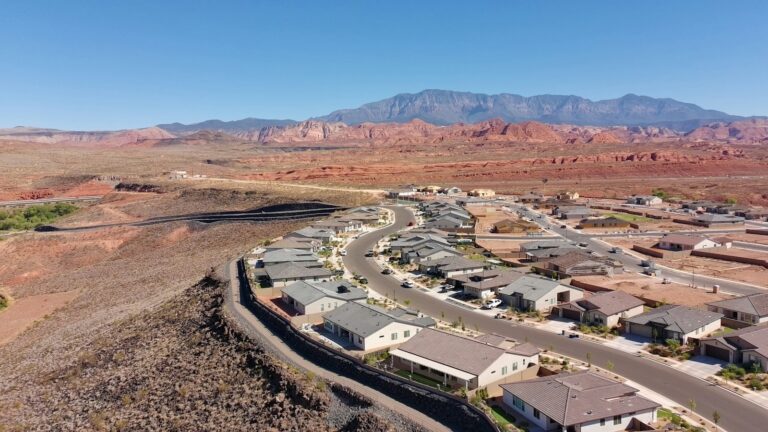
Menifee’s Mello-Roos Tax Districts: What a Seller Needs to Know Before Listing
Menifee's growth means many homes sit inside a Mello-Roos CFD. Here's what the special tax is, how it appears on the bill, and what sellers must disclose.
Read the guide → Selling for cash
California’s AB 1482 Rent Cap: How the 5% Plus CPI Formula Actually Works
AB 1482's rent cap runs on a 5% plus regional CPI formula, capped at 10%, that resets every August 1. Here's how…
Read the guide →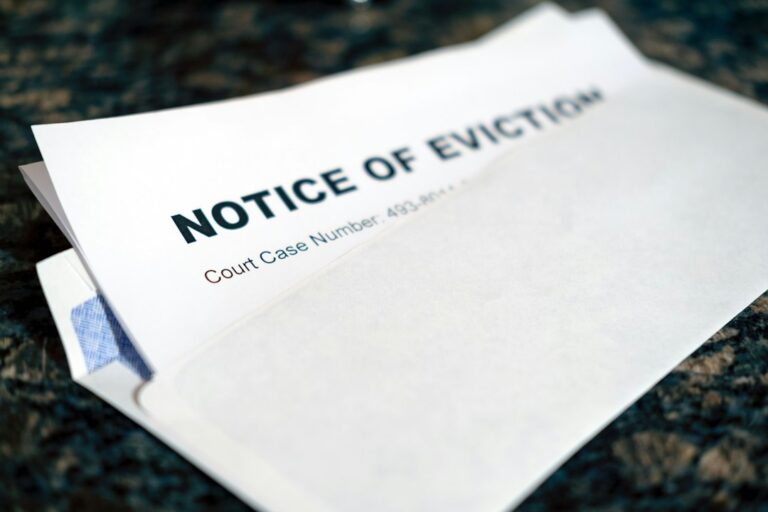 Rentals & tenants
California’s Just Cause Eviction Notice: What Civil Code 1946.2 Requires
Civil Code 1946.2 requires a stated reason to end most tenancies after 12 months, and one month's rent in relocation pay within 15 calendar days.
Read the guide →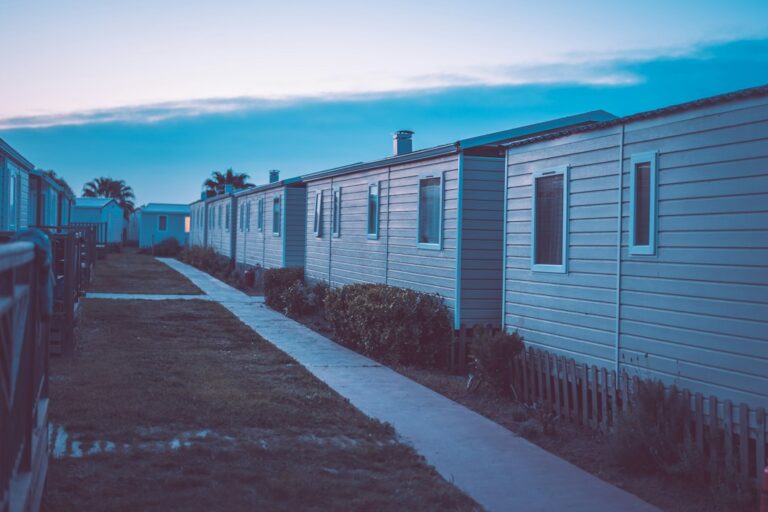 Selling for cash
When a Mobile Home Park Closes in California: The Notice and Relocation Rules
California requires an impact report, a relocation plan, and up to 12 months' notice before a mobile home park can close. Here's how the process works.
Read the guide → Selling for cash
San Joaquin County Supplemental Tax Bill Explained
A second tax bill after buying or inheriting a San Joaquin County house isn't a mistake. Here's how the county calculates it, and when it bills you twice.
Read the guide → Foreclosure & liens
Can a Lender Sue You After a California Foreclosure? Anti-Deficiency Rules Explained
In most California foreclosures the lender can't sue for the unpaid balance after sale. Here's when anti-deficiency protection applies, and when it fails.
Read the guide → Foreclosure & liens
How Long Does a Nonjudicial Foreclosure Take in California? A Victorville Timeline
How long does foreclosure take in California? Here's the full nonjudicial timeline, from Notice of Default to trustee's sale, for Victorville homeowners.
Read the guide → Selling for cash
The Prop 19 Filing Deadline Most Heirs Miss: BOE-19-P Explained
Inheriting a parent's California home doesn't auto-protect it from reassessment. Here's the BOE-19-P form, the 3-year deadline, and what happens if missed.
Read the guide → Selling as-is
When California Law Exempts a Home Sale From the Transfer Disclosure Statement
California law exempts probate, trustee's sale and fiduciary transfers from the Transfer Disclosure Statement. Here is which sales actually qualify.
Read the guide →
Seller Guides
Helpful guides for homeowners in Apple Valley
Plain-English answers to the questions sellers ask us most.
- Selling for cash
Menifee’s Mello-Roos Tax Districts: What a Seller Needs to Know Before Listing
Menifee's growth means many homes sit inside a Mello-Roos CFD. Here's what the special tax is, how it appears on the bill, and what sellers must disclose.
Read the guide → - Foreclosure & liens
How Long Does a Nonjudicial Foreclosure Take in California? A Victorville Timeline
How long does foreclosure take in California? Here's the full nonjudicial timeline, from Notice of Default to trustee's sale, for Victorville homeowners.
Read the guide →  Divorce
Cathedral City Divorce: Where Your Case Gets Heard
Cathedral City divorce cases are heard in Riverside or Menifee, not locally. See how community property, tribal land leases, and taxes affect the home.
Read the guide → Foreclosure & liens
A PACE or HERO Lien on a Riverside County Home: How the Payoff Works at Closing
A PACE or HERO assessment in Riverside County is a priority lien on the property tax bill, not a loan. Here is how the payoff actually works at closing.
Read the guide → Inherited homes & probate
San Bernardino County Probate: Courthouse and Fee Guide
San Bernardino probate now splits by ZIP code between Fontana and Victorville. See the $435 fee, local rules, and what an inherited house sale requires.
Read the guide → Selling for cash
The Supplemental Tax Bill San Bernardino County Buyers (and Resellers) Don’t See Coming
Buy or inherit a home in San Bernardino County? Here's when the supplemental tax bill arrives, how it's calculated, and its exact delinquency dates.
Read the guide →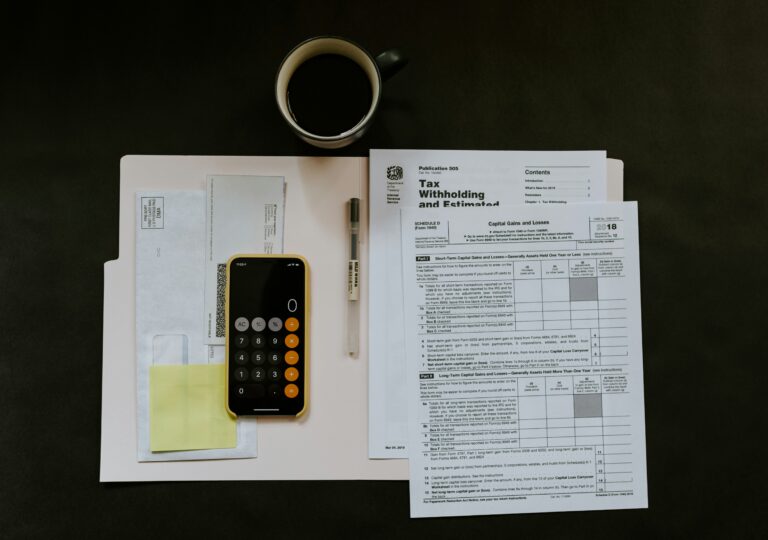 Selling for cash
Why a Riverside County Home Sale Triggers a Supplemental Tax Bill
A Riverside County home sale almost always triggers a supplemental tax bill months after closing. How it's calculated and who actually pays it.
Read the guide → Selling for cash
San Bernardino County’s Tax-Defaulted Auction: The Five-Year Countdown and the Excess-Proceeds Claim
San Bernardino County homes can be auctioned after 5 years of unpaid taxes. See the timeline, what survives the deed, and how to claim excess proceeds.
Read the guide → Selling for cash
Riverside County Tax-Defaulted Property: The Five-Year Clock From Missed Taxes to Auction
How Riverside County tax-defaulted property moves from missed taxes to auction: the five-year clock, redemption deadline, payment plan and excess proceeds.
Read the guide →