
We Buy Houses in Napa, CA
- Foreclosure, inherited, tenants, damage — we buy it
- Zero fees, zero commissions, zero repairs
- No obligation — turn the offer down and owe us nothing


Fast, Fair, and Reliable Offers
Sell your house fast with our cash home buying service. No fees, no hassles, just a straightforward sale. Get your offer now.
The practical question for a Napa seller is what the property would require before a regular buyer can close. That may be modest preparation or a more involved repair and paperwork process. We look beyond a broad market estimate to the particular parcel, home and occupants.
Cash Home Buyers CA can review a house in its current condition in Napa. We consider your goals and any documents available, then present a written proposal you can compare with a listing. You have no obligation to accept it.
Understanding the Napa property
An older home and a newer subdivision can involve different paperwork without either being difficult to sell. The city’s planning information provides an address-level starting point. The City of Napa maintains its own interactive zoning map, distinct from Napa County planning. For the sale itself, we also ask about improvements, association records and obligations that title or escrow may need to address.
If a property in Napa has been in a family for years, current owners may not have every permit or improvement document. That does not rule out a sale. We distinguish what the owner knows from what records can verify and discuss any remaining uncertainty in the offer.
Estate authority and the recorded deed deserve the same attention. Both sellers and buyers benefit from a clear list of what is known before escrow starts.
Checks that can shape a sale in Napa
- Verify any claimed bedrooms, additions or accessory space against records as needed.
- Review outstanding costs separately from the price; the contract and escrow statement should show their allocation.
- Check older-home work, any historic status and additions at the property level so neither party is surprised after agreeing to a date.
No map or broad description proves a condition applies to every property in Napa. We ask for the documents and inspect what is relevant, then address unresolved issues in the proposed purchase terms.
When an as-is offer may be useful
A move on a deadline can make open houses and a buyer’s mortgage approval inconvenient. Tell us the date and discuss an achievable escrow schedule; our relocation guide may help. Another owner may simply want to stop managing a rental. We can review an occupied purchase subject to the actual lease and applicable protections, not a promise of automatic vacancy.
Whether the property is inherited, rented or simply due for repairs, we discuss access and an achievable schedule. You may choose another buyer or decide not to sell after seeing the proposal.
Our cash-offer process for Napa
We do not ask you to stage a home before asking for an offer. Give us access and tell us what you know about its condition. We set a proposed price and date in writing after review. If it becomes a contract, escrow and title check the deed, liens and payoffs; association or estate papers are requested when applicable. Only then is the transfer completed.
We describe the agreed price, cost allocation and possession terms in the contract. A cash offer avoids a buyer’s mortgage approval; it does not remove title, escrow or the need for accurate disclosure.
A seller can often help a transaction move by collecting the deed, loan information, tax bill and any lease or association contact before signing. For Napa, it may also be useful to check older-home work, any historic status and additions.
Those items do not mean the home is hard to sell; they tell escrow and the buyer which statements and records to obtain. If a document is unavailable, say so. A price based on disclosed uncertainty is more useful than one that changes after an avoidable surprise.
Comparing a listing with a direct sale
A well-presented Napa home may attract a higher price through an agent. That option asks for showings, negotiation and the time required for inspections and financing. A direct offer lets you weigh a stated price and date against those steps. Compare likely net proceeds after preparation, carrying costs and negotiated fees, not only the two headline prices.
Napa homeowner questions
Do you require a vacant house?
No. We can discuss an occupied purchase after reviewing the lease and occupants' rights.
Who handles the closing papers?
Title and escrow handle ownership checks, payoffs and signing. The contract explains the agreed allocation of costs.
Are Napa zoning and county rules interchangeable?
No. Confirm the parcel's jurisdiction and the relevant requirements for that location.
For a written proposal, call or text (424) 435-2326 or use the form above. Tell us about the Napa address, condition, occupants and timing so we can discuss what fits.
Selling a house in Napa: what to know
A few local details that shape timing and net proceeds when you sell in Napa.
County & probate court
Napa is in Napa County. Deed recording is handled through the county recorder. For an estate or trust sale, confirm who can sign and whether a court proceeding is required. Use the California court directory to locate the appropriate Superior Court and confirm probate filing requirements; the property's location alone does not determine every case's venue.
Transfer tax
For a Napa sale, ask escrow to confirm the current Napa County documentary transfer tax and any applicable city transfer tax or exemption. The amount can depend on the transaction and property location. Our purchase agreement identifies which closing costs we pay, and your closing statement shows taxes, payoffs and net proceeds.
Tenant & rent rules
A rental in Napa may be covered by California's Tenant Protection Act, local tenant protections, or both. Coverage depends on the property, ownership and applicable exemptions—not age alone. Review the lease, deposits and current rules before agreeing on possession. We can evaluate a tenant-occupied purchase. See the California Attorney General's tenant guidance.
Questions homeowners in Napa ask us
Straight answers before you request an offer.
How fast can you buy my house in Napa?
We can discuss a 7–14 day closing when title, access and required documents are ready. The actual date depends on the property and is agreed in writing. If you need more time to move, tell us before we set the schedule.
Do I pay any fees or commissions?
A direct sale to us does not require hiring a listing agent. Our written offer explains which closing costs we pay. Mortgages, liens and other seller obligations affect your net proceeds, and escrow shows those amounts before closing.
Do I need to repair or clean the house first?
You can request an as-is offer for your Napa home without renovating first. Tell us about known damage, unfinished work, code issues or belongings you want to leave so those details can be addressed in the agreement.
How do you decide the offer for a home in Napa?
We review comparable sales in Napa, the home's present condition, expected repair work and our holding and resale costs. We explain the proposed price and terms, and you are free to decline.
What if my house in Napa has a mortgage, liens or back taxes?
Title and escrow identify recorded obligations and obtain payoff information. A sale may proceed if those obligations can be paid or otherwise resolved. We review the numbers before promising a closing date; lender or creditor approval may be needed in some cases.
Seller Guides
Helpful guides for homeowners in Napa
Plain-English answers to the questions sellers ask us most.
 Foreclosure & liens
How Long Does a Nonjudicial Foreclosure Take in California? A Victorville Timeline
How long does foreclosure take in California? Here's the full nonjudicial timeline, from Notice of Default to trustee's sale, for Victorville homeowners.
Read the guide →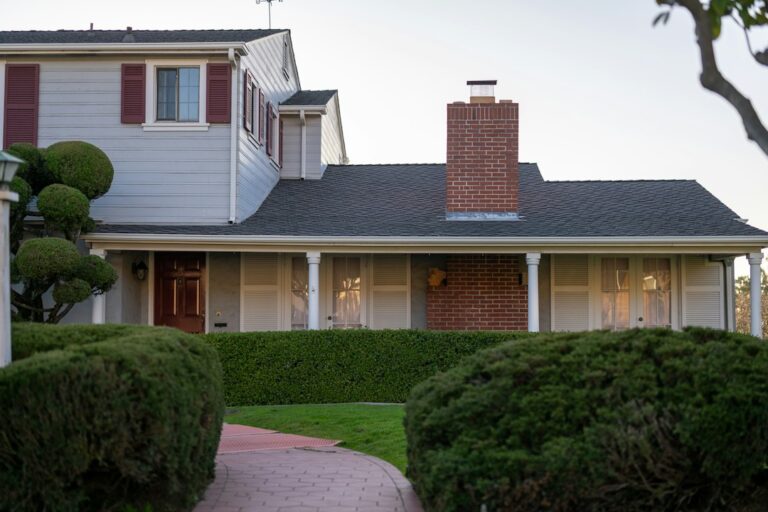 Selling for cash
The Prop 19 Filing Deadline Most Heirs Miss: BOE-19-P Explained
Inheriting a parent's California home doesn't auto-protect it from reassessment. Here's the BOE-19-P form, the 3-year deadline, and what happens if missed.
Read the guide →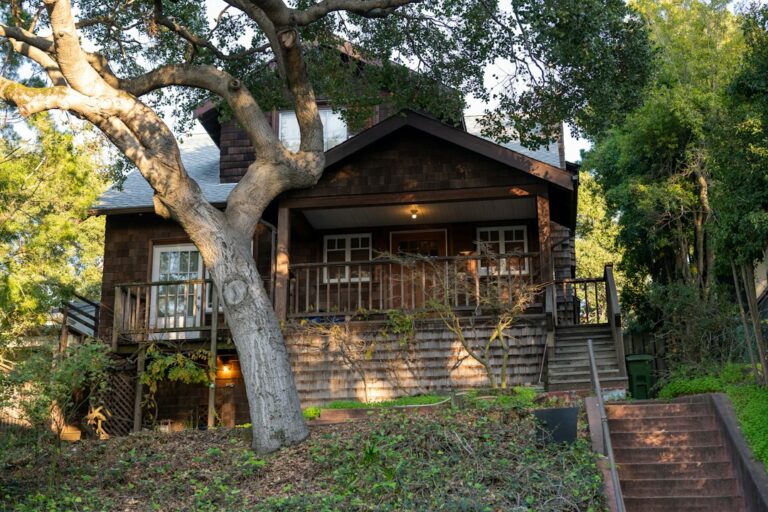 Selling for cash
Berkeley Rent Board Registration: What Sellers Must Resolve Before Closing
Selling a Berkeley rental? Here's how Rent Board registration fees, tiers, and Measure MM exemptions affect your closing, and who pays them.
Read the guide → Selling as-is
When California Law Exempts a Home Sale From the Transfer Disclosure Statement
California law exempts probate, trustee's sale and fiduciary transfers from the Transfer Disclosure Statement. Here is which sales actually qualify.
Read the guide →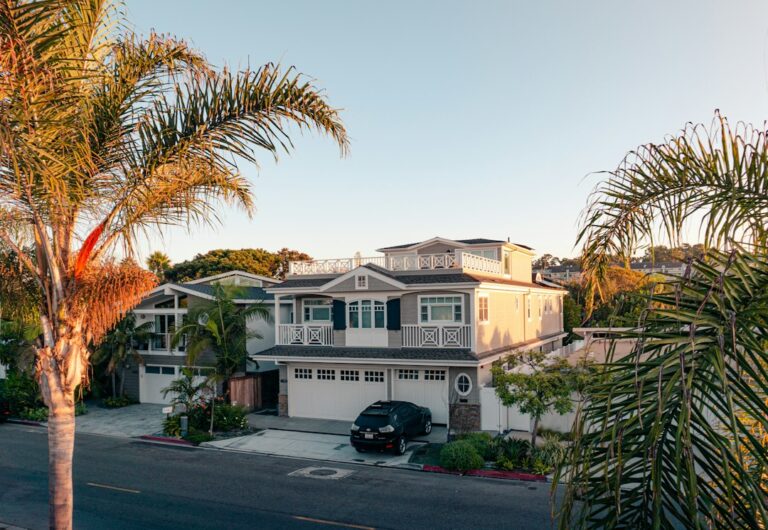 Selling for cash
Costa-Hawkins: Why Most CA Rentals Skip Rent Control
Costa-Hawkins exempts most single-family homes and condos from local rent control in California cities. Here's which tenancies qualify and which don't.
Read the guide → Foreclosure & liens
Selling With an IRS Lien: California Discharge Process
Selling a California home with an IRS lien? Here's how to apply for a Certificate of Discharge, the 45-day rule, and the four grounds the IRS accepts.
Read the guide → Rentals & tenants
California Condo Conversion: Tenant’s Right to Buy First
Gov. Code 66427.1 gives tenants a 90-day right to buy first and five required notices before a condo conversion in California. Here's how it works.
Read the guide →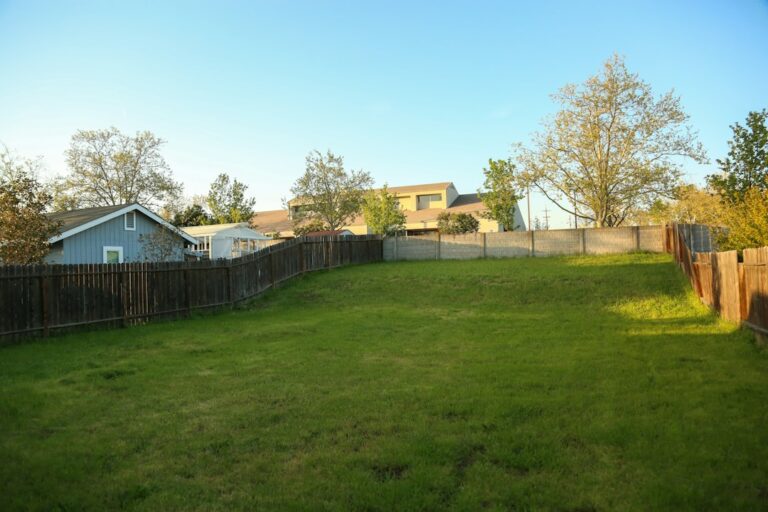 Selling for cash
SB 9 Urban Lot Split in California: What Sellers Should Know
SB 9 lets eligible California lots split in two with ministerial approval. Here is who qualifies, the owner-occupancy rule, and what cities cannot block.
Read the guide → Selling for cash
Alameda County Supplemental Property Tax Bill Explained
Bought or sold in Alameda County? Here is how the supplemental property tax bill is calculated, when it is mailed, and why your lender will not pay it.
Read the guide →
Seller Guides
Helpful guides for homeowners in Napa
Plain-English answers to the questions sellers ask us most.
- Selling for cash
Berkeley Rent Board Registration: What Sellers Must Resolve Before Closing
Selling a Berkeley rental? Here's how Rent Board registration fees, tiers, and Measure MM exemptions affect your closing, and who pays them.
Read the guide → - Selling for cash
Alameda County Supplemental Property Tax Bill Explained
Bought or sold in Alameda County? Here is how the supplemental property tax bill is calculated, when it is mailed, and why your lender will not pay it.
Read the guide →  Selling for cash
Alameda County Tax-Defaulted Property Auction: How It Works
Alameda County sells tax-defaulted property through Bid4Assets after five years unpaid. See the redemption deadline, bidding rules, and deed timeline.
Read the guide → Selling for cash
San Jose’s Measure E Transfer Tax: The Threshold Just Moved to $2.3 Million
San Jose's Measure E transfer tax threshold rose to $2.3 million on July 1, 2025. See the tiered rates, how they stack, and what sellers should check.
Read the guide → Selling for cash
Mountain View’s Measure G Transfer Tax: What Changed in December 2024
Mountain View's Measure G added a steep new tax tier above $6 million in Dec. 2024. See the exact rates, how it stacks with county tax, and what to check.
Read the guide →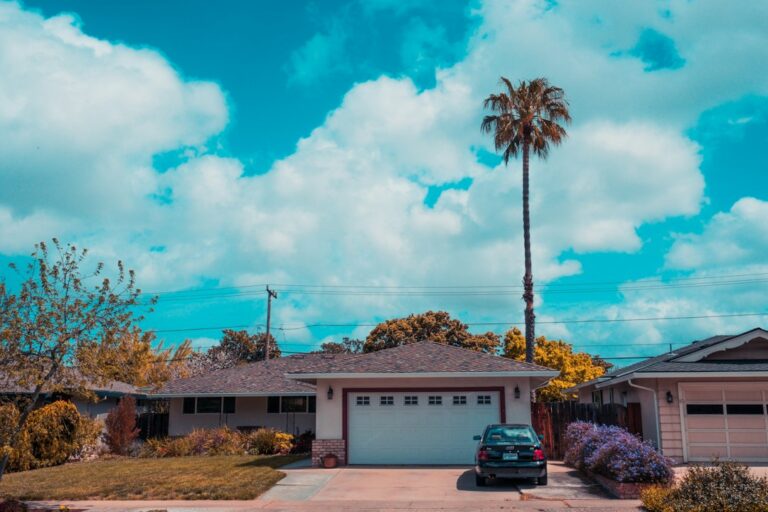 Selling for cash
San Mateo Transfer Tax: The $10 Million Rate Cliff
San Mateo's Measure CC taxes sales under $10 million at 0.5% and sales at or above it at 1.5% on the full…
Read the guide → Selling for cash
Hayward Transfer Tax: What a Seller Pays at Closing
Hayward charges $8.50 per $1,000 in city transfer tax, plus $1.10 county, for $9.60 combined. See how Measure T set the rate and what sellers actually owe.
Read the guide →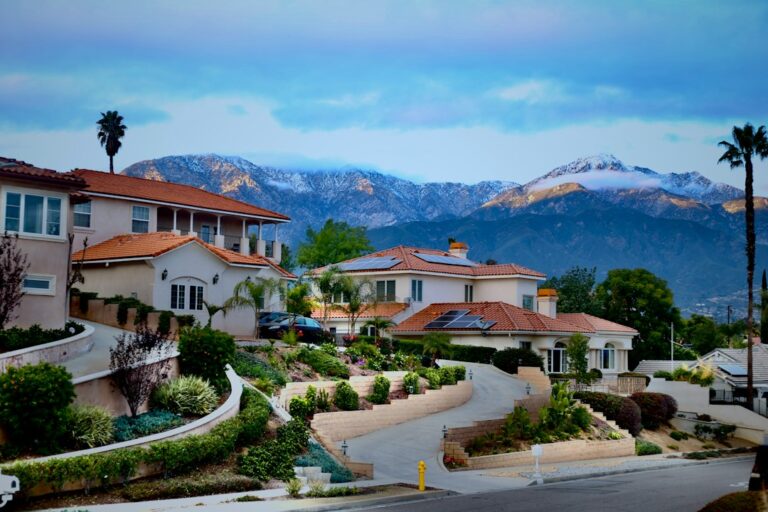 Selling for cash
Alameda’s $12 Transfer Tax: What a Seller Actually Pays at Closing
Alameda's city transfer tax layers on top of the statewide $1.10 per $1,000 rate -- here's what a seller actually pays at closing and who owes it.
Read the guide →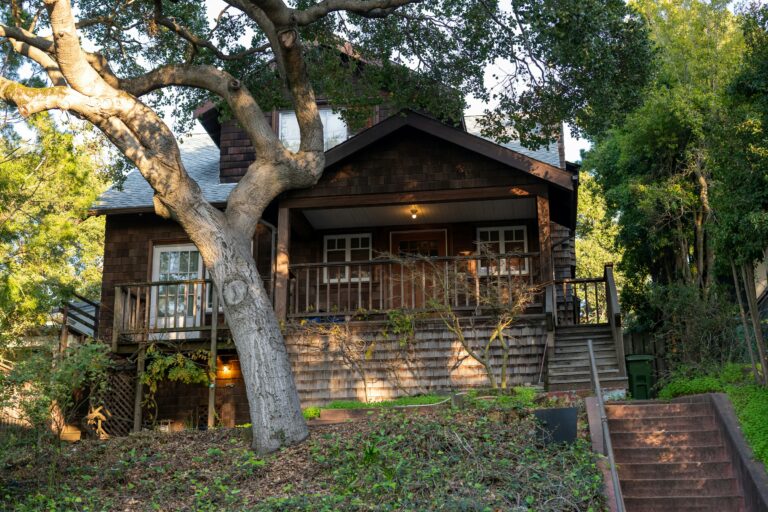 Selling for cash
Berkeley’s 1.5% to 2.5% Transfer Tax, and What Changes When Measure W Takes Effect in 2027
Berkeley charges its own 1.5% to 2.5% transfer tax on top of Alameda County's -- and the rate structure is about to…
Read the guide →