Sell a Tenant-Occupied House in East Hollywood, CA
- Foreclosure, inherited, tenants, damage — we buy it
- Zero fees, zero commissions, zero closing costs
- No obligation — turn the offer down and owe us nothing


Sell With the Tenancy in Place
No eviction notices, no vacancy required. We buy occupied East Hollywood rentals and keep the existing lease intact.
A large share of East Hollywood housing is rental stock, and Wikipedia’s entry on the neighborhood cites 91.3 percent of units as renter-occupied as of 2008. If you own a house, duplex, or small apartment building here with tenants in place, you do not need to empty it before selling. Cash Home Buyers CA buys occupied East Hollywood properties directly, honors the existing lease terms, and works with the tenant directly during the transition.
Why a Financed Sale Struggles With Tenants in Place
Most conventional lenders want a property that is vacant or owner-occupied at closing, or at minimum a clean, current lease and rent roll that fits their underwriting. A tenant-occupied property complicates a bank appraisal, which has to account for the impact of the tenancy on market value, and many buyers using financing simply will not consider an occupied property at all. That narrows the buyer pool considerably and is one of the main reasons a tenant-occupied East Hollywood property often takes longer to sell traditionally than a comparable vacant one.
The Rent Stabilization Ordinance Follows the Building, Not the Owner
Given how much of East Hollywood’s housing predates the Rent Stabilization Ordinance’s October 1, 1978 cutoff, most apartment buildings and many older houses here are covered by rent control, and the city’s Just Cause Ordinance covers most of the rest. Those protections survive a change in ownership: a new owner cannot use the sale itself as grounds to end a tenancy or raise rent beyond what the ordinance allows. That is exactly why we buy with tenants in place rather than asking you to remove them first — in most cases here, that is not something you are legally able to do anyway simply because you are selling.
What We Need to Know About the Tenancy
- The lease itself. A copy of the current lease or rental agreement, including the rent amount and any addenda.
- Payment history. Whether rent has been paid consistently and on time.
- Security deposit. The amount held and how it is documented.
- Any disputes or notices. If there has been a notice to cure, a habitability complaint, or another open issue, disclosing it early helps us structure a realistic offer and timeline.
How Escrow Handles the Tenancy
Once you accept our offer, we collect a tenant estoppel certificate during escrow, which is the tenant’s written confirmation of the lease terms, rent amount, and deposit held. For a building covered by rent stabilization, we also confirm registration status with the city’s program as part of the closing process. This adds some coordination compared to a vacant-property sale, which is one reason occupied buildings and small apartment properties generally run four to six weeks to close rather than the two to three weeks typical of a vacant house with clear title.
Multi-Unit Buildings in Thai Town and Little Armenia
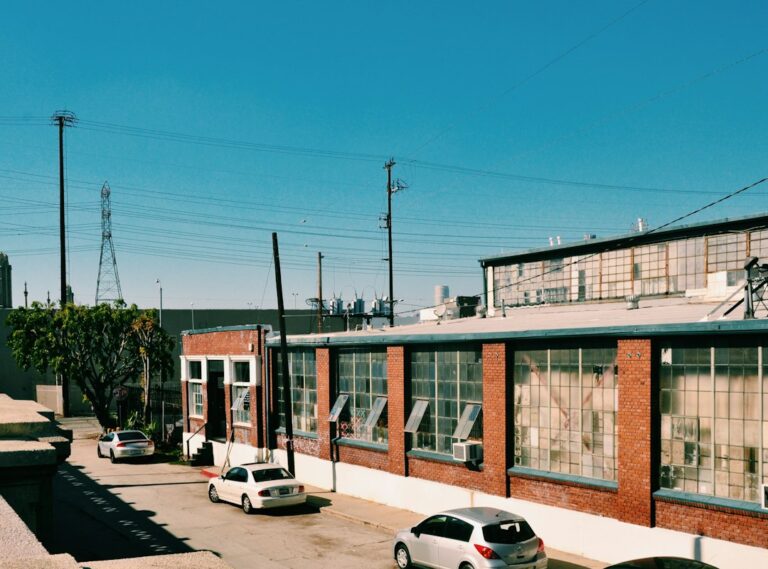
East Hollywood’s housing stock is dominated by 1920s-through-1960s courtyard apartments and small multi-unit buildings concentrated around Western Avenue, Normandie Avenue, and the Thai Town and Little Armenia commercial strips. Many of these buildings have carried the same tenants for years, sometimes with rents well under current market levels because of long tenure under rent stabilization. We regularly buy these buildings with the full tenant roster in place, whether that is one unit or a dozen, and register as the new owner with the city after closing rather than requiring the tenancies to change before the sale.
What Happens to the Tenants After Closing
The lease follows the property, not you as the seller. After closing, we step into the landlord role under the existing lease terms and the tenant continues to pay rent under the same agreement, subject to whatever rent stabilization or just cause rules apply. You are not responsible for finding the tenant a new place to live, and you do not need to issue any notices before selling.
Common Reasons Landlords Sell Occupied Properties
Landlords come to us for plenty of reasons: retiring from active property management, an inherited rental nobody in the family wants to manage, wanting out of a building with deferred maintenance rather than investing more into it, or simply preferring a lump sum over continued rental income and the ongoing responsibilities of being a landlord under East Hollywood’s rent stabilization rules.
If You Manage the Building Through a Property Manager
If a property manager currently handles the building, we can work directly with them to gather lease documentation, payment history, and estoppel information, which usually speeds up escrow rather than slowing it down. You do not need to take over day-to-day management yourself during the sale process, and the property manager’s existing records are typically enough for us to move forward without duplicating work.
What You Do Not Need to Do
You do not need to issue a notice to vacate, wait for a lease to expire, or negotiate a move-out with your tenant before selling. You do not need the unit to be vacant for showings, and you do not need to bring the building up to current code before requesting an offer — legacy nonconforming parking or unit counts, which are common in East Hollywood’s older buildings, do not stop us from making one.
How Our Offer Accounts for Below-Market Rents
Long-tenured tenants under rent stabilization often pay well below current market rent, since annual increases are capped and the rent resets only when a unit turns over voluntarily. A conventional buyer’s lender will underwrite the property partly against its current, below-market income, which can lower how much they are able to finance. We evaluate the property on its actual condition, location, and realistic upside rather than requiring the rent roll to already be at market, which is part of why we can move forward on buildings that a bank-financed buyer would have a harder time qualifying for.
The Trade-Off Compared to Waiting for a Vacancy
Some owners consider waiting for a unit to turn over before selling, hoping a vacant property will attract a wider buyer pool and a higher price. That strategy has real costs: the lost rent during any vacancy period, the risk that the current tenant stays for years under just cause protections, and the carrying costs that continue the entire time. Selling with the tenancy in place converts an uncertain future vacancy into a known number today, which is often the more practical choice for an owner who wants to be done managing the property rather than optimizing for a theoretical future sale price.
Frequently Asked Questions
Do I need to evict my tenant before selling to you?
No. We buy with the tenancy in place and take over as landlord under the existing lease.
Does the Rent Stabilization Ordinance apply to my property?
If your building predates October 1, 1978, it likely does, and those protections carry over to us as the new owner regardless of the sale.
What if my tenant is behind on rent?
Disclose that when requesting an offer. We can usually still move forward; it affects how we structure the timeline more than whether we buy.
Will my tenant need to deal with a bank or a loan approval process?
No. Because there is no lender involved on our side, the tenancy does not need to satisfy any bank’s occupancy requirements.
How long does closing take on an occupied property?
Typically four to six weeks, mostly to allow time to document the tenancy and confirm rent stabilization registration where it applies.
Call or text (424) 493-4424 or use the form above for a written, no-obligation offer on your occupied East Hollywood property. Get a free cash offer from Cash Home Buyers CA today.
Seller Guides
Helpful guides for homeowners in East Hollywood
Plain-English answers to the questions sellers ask us most.
 Rentals & tenants
Tenant-Occupied Property Rules in Mayflower Village, CA: Why the County, Not a City, Sets Them
Mayflower Village has an Arcadia address but is unincorporated LA County, so tenant sales follow the county ordinance, not either city's rules.
Read the guide →- Rentals & tenants
Tenant-Occupied Property Rules in Vernon, CA: What Makes This Market Different
Vernon has almost no housing stock, but its rare leased homes still follow California's statewide landlord-tenant law in full. Here's what applies.
Read the guide → - Rentals & tenants
When Does a Guest Become a Tenant in California?
California has no bright-line day count for guest-to-tenant status. Here's how courts decide, and what it means before you sell an occupied house.
Read the guide → - Rentals & tenants
Selling an RSO Apartment Building in Los Angeles: Owner’s Guide
How rent roll, Measure ULA transfer tax, and buyer pool affect the sale of an RSO-covered LA apartment building.
Read the guide → - Rentals & tenants
Tenant Buyout Costs in Los Angeles: What to Expect in 2026
LA tenant buyouts run $15,000-$40,000 per household. Timelines, legal requirements, and whether the math works.
Read the guide → - Rentals & tenants
LA Rent Caps in 2026: Should Small Landlords Hold or Sell?
If you own a few rental units in Los Angeles, the last several years have probably felt like a slow squeeze. Rent…
Read the guide → - Rentals & tenants
Selling a Tenant-Occupied Property in Los Angeles: What Owners Need to Know
RSO rules, buyout costs, and Measure ULA transfer tax when selling a tenant-occupied property in Los Angeles.
Read the guide → - Rentals & tenants
Get a Fair Cash Offer for Your Los Angeles Rental Property
Get a fair cash offer for your Los Angeles rental property. Sell quickly, avoid repairs and fees, and enjoy a simple, hassle-free process.
Read the guide → - Rentals & tenants
Rent-to-Own Homes: Understanding How Rent-to-Own Works for Sellers in Los Angeles
Rent-to-own homes offer sellers in Los Angeles a flexible selling option. Explore how it works, benefits, risks, and key considerations.
Read the guide →