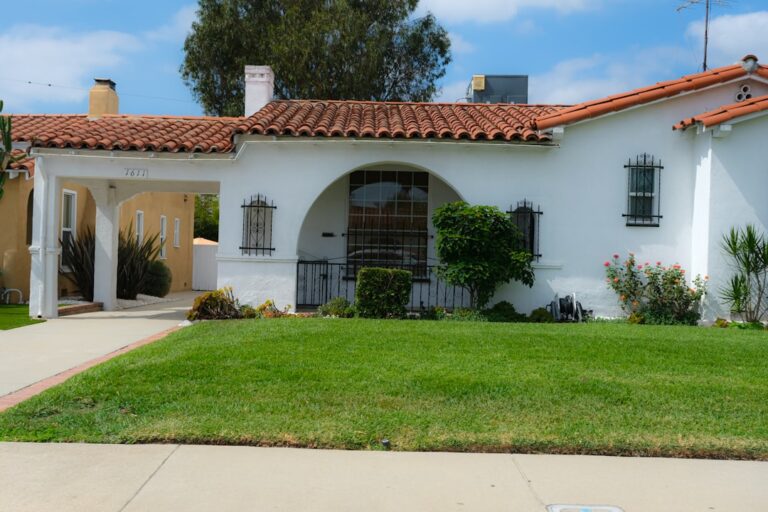
Sell a House As-Is in Quartz Hill, CA
- Foreclosure, inherited, tenants, damage — we buy it
- Zero fees, zero commissions, zero closing costs
- No obligation — turn the offer down and owe us nothing


Sell As-Is — No Repairs, No Punch List
We buy Quartz Hill houses in their current condition, including deferred maintenance and well or septic issues.
“Selling as-is” is one of the most misunderstood phrases in real estate. It’s often taken to mean a seller has no further legal responsibilities and a buyer has no further recourse, and neither of those is quite right under California law. Here’s what it actually changes, what it doesn’t, and why it comes up so often for Quartz Hill’s older housing stock.
What ‘As-Is’ Actually Means in California
Selling as-is means you are not agreeing to make repairs or offer credits based on what an inspection turns up. It does not remove your legal duty to disclose known material defects. California law still requires a Transfer Disclosure Statement covering known issues — a leaking roof, a failing septic system, unpermitted work — regardless of whether the listing says “as-is.” As-is limits repair negotiation; it does not limit disclosure.
What As-Is Does Not Mean
As-is also doesn’t automatically mean a financed buyer can’t walk away after inspection. In a typical retail transaction, a buyer using a loan still has an inspection contingency and can cancel or renegotiate even on a house marketed as-is, unless the contract specifically limits that right. That’s one of the reasons an as-is listing doesn’t always close the way a seller expects.
Why As-Is Sales Are Common in Quartz Hill
Most of Quartz Hill’s housing stock is single-family ranch and tract construction from the 1960s through the 1980s, built after the community’s almond orchards and alfalfa fields gave way to subdivisions. Homes of that vintage often still have an original roof, aging plumbing, or an electrical panel that predates current code. On top of that, some of the community’s larger, older lots — a holdover from its agricultural past — still rely on a private well or septic system rather than municipal utilities. Any of these can be enough to stall an FHA or VA loan, which pushes sellers toward an as-is cash sale instead of a repair-and-relist cycle.
Well and Septic Disclosure on Older Parcels
California law requires sellers to disclose known conditions of a private water well or septic system, and a lender’s appraiser or a buyer’s inspector will typically want to test both before a financed sale can close. We factor a well or septic system’s known condition directly into a cash offer rather than requiring you to test, repair, or replace it first.
As-Is Cash Sale vs. an As-Is Listing
Marketing a listing “as-is” doesn’t stop a buyer’s inspection from surfacing issues that lead to a price renegotiation, a credit request, or a cancelled contract weeks into escrow. A direct cash sale removes that renegotiation risk because there is no financing contingency or lender-required appraisal driving the terms — the offer we make reflects the property’s actual condition from the start.
The Legal Line Between As-Is and Non-Disclosure
California’s disclosure statute exists specifically because “as-is” language in a contract does not excuse a seller from disclosing known, material problems — a leaking roof, a septic system that has failed inspection before, a foundation issue. “As-is” governs who pays for repairs; it does not create a shield around information the seller actually knows. That distinction matters whether you’re selling to us or to a retail buyer, and being upfront about known issues when we review the property only helps us make an accurate offer the first time.
Typical Repairs We See on Quartz Hill’s Older Stock
The homes we look at in Quartz Hill often show wear patterns typical of a high desert climate with wide temperature swings: aging roofing that has taken decades of sun exposure, HVAC systems nearing the end of their service life, settling in stucco or foundations tied to the area’s soil conditions, and, on older agricultural-era lots, septic leach fields that haven’t been serviced in years. None of that changes whether we’ll buy the house — it changes how we price it.
As-Is Doesn’t Mean ‘Take It or Leave It’ Pricing
Selling as-is to us doesn’t mean you get a number with no explanation behind it. We walk through how condition, lot size, and needed repairs factor into the offer, so you can see the reasoning rather than just a final figure.
As-Is and Insurance or Financing Realities
Homeowners insurance carriers can decline to write a policy, or require repairs first, on a house with an aging roof or other known issues — which is part of why a retail buyer’s lender may hold up closing until that’s resolved. A cash purchase isn’t contingent on the buyer securing a new hazard insurance policy before closing the way a financed purchase typically is, which removes one more point where an as-is sale to a retail buyer can stall.
A Practical Example of How Condition Affects Timeline
In a fairly common pattern, a financed buyer’s inspector flags an issue — an aging roof, an older septic system, knob-and-tube wiring in part of the house — and the lender’s underwriter then requires it be fixed, or a portion of the loan held back, before funding. That back-and-forth over repairs, contractor bids, and re-inspection can add weeks to an escrow that was otherwise on track. Selling as-is to a cash buyer sidesteps that renegotiation because the condition is already priced into the offer from the start.
As-Is Sales and Older Additions or Permit Gaps
Some of Quartz Hill’s older tract homes have a converted garage, an added room, or a workshop built over the years without a permit on file with Los Angeles County. A financed sale often requires that kind of gap to be resolved or disclosed to a lender’s satisfaction before closing. We factor an unpermitted addition into our review the same way we factor in any other condition issue, without requiring it be brought up to current permit standards first.
What You Don’t Need to Do Before Calling Us
You do not need to clean out the whole house, paint, replace flooring, fix the well pump, or bring an older roof up to current standards before requesting an offer. We look at the property as it sits and account for whatever repairs a typical buyer would eventually need to make.
If you’d like a written, no-obligation number on your Quartz Hill house in its current condition, call or text (424) 493-4424 or use the form above.
Frequently Asked Questions
Do I still have to disclose problems if I’m selling as-is?
Yes. California law requires disclosure of known material defects regardless of whether a sale is marketed as-is.
What condition do you buy houses in?
Any condition — deferred maintenance, an aging roof, outdated systems, or a well or septic system that needs attention.
Will you still inspect the property?
We typically do a walkthrough to confirm condition, but this does not turn into the kind of repair negotiation a retail buyer’s inspection period often creates.
Does an as-is sale mean a lower price no matter what?
Not automatically — our offer reflects the property’s actual condition, the same as any buyer would price in repairs, but it removes the risk of a buyer renegotiating after their own inspection.
Can you buy a house with well or septic problems?
Yes. We factor well and septic condition into the offer instead of requiring repairs first.
Selling a house in Quartz Hill: what to know
A few local details that shape timing and net proceeds when you sell in Quartz Hill.
County & probate court
Quartz Hill is in Los Angeles County. Probate and trust matters for Quartz Hill properties are heard by the Superior Court for Los Angeles County, and deeds are recorded with the Los Angeles County Recorder.
Transfer tax
Los Angeles County charges a documentary transfer tax of $1.10 per $1,000 of the sale price. As an unincorporated area, Quartz Hill has no separate city transfer tax. When you sell to us, we pay the standard closing costs.
Tenant & rent rules
Rental homes in Quartz Hill can fall under Los Angeles County's Rent Stabilization and Tenant Protections Ordinance (which covers unincorporated areas), which limits rent increases and requires just cause for most evictions, in addition to the statewide Tenant Protection Act (AB 1482). We buy tenant-occupied homes and take over the leases at closing.
Nearby cities we buy in
Seller Guides
Helpful guides for homeowners in Quartz Hill
Plain-English answers to the questions sellers ask us most.
 Selling as-is
As-Is Disclosure Rules for a Tropico, CA Home
Selling a house as-is near Tropico in Glendale? See California's TDS disclosure rules and why Tropico hasn't been its own separate city since 1918.
Read the guide →- Selling as-is
As-Is Home Sale Disclosure Rules in North El Monte, CA
North El Monte isn't the City of El Monte. As-is disclosure duties are the same statewide, but its permit records run through LA County, not a city hall.
Read the guide → - Selling as-is
As-Is Doesn’t Skip Disclosure in Valley Glen — And the City Adds One More Step
Valley Glen sellers must meet California's as-is disclosure laws plus one extra City of LA requirement that many nearby unincorporated areas never face.
Read the guide → - Selling as-is
As-Is Disclosure Rules for Westlake Village, CA Home Sellers
Selling as-is in Westlake Village still requires California's TDS and NHD disclosures, plus HOA rules this small LA County lake city adds on top.
Read the guide → - Selling as-is
Selling a House With Code Violations in California
You can sell a California house with code violations without fixing them first, but disclosure is required and unpaid abatement costs can be a lien.
Read the guide → - Selling as-is
California’s Natural Hazard Disclosure Statement: What Sellers Must Provide
California sellers must disclose six hazard zones on a Natural Hazard Disclosure Statement. As-is and cash sales are not exempt from this requirement.
Read the guide → - Selling as-is
Do You Still Have to Disclose Selling As-Is in CA?
Selling as-is in California doesn't waive your disclosure duty. See exactly which sales are TDS-exempt and which still require full disclosure.
Read the guide → - Selling as-is
Adverse Possession in California: Why These Claims Are So Rare
California adverse possession requires 5 years of possession plus paying the property taxes the whole time. Here's why that requirement kills most claims.
Read the guide → - Selling as-is
Selling a House As-Is in Los Angeles: What the City Still Requires
As-is sales in LA still require the city's Residential Property Report and point-of-sale compliance items. Here's what as-is does and doesn't waive.
Read the guide →