
Sell a House During Divorce in Quartz Hill, CA
- Foreclosure, inherited, tenants, damage — we buy it
- Zero fees, zero commissions, zero closing costs
- No obligation — turn the offer down and owe us nothing


A Clean Sale While the Case Moves Forward
One buyer, one written offer, and a closing date both parties can agree on.
A shared house is often the largest asset in a California divorce, and deciding what to do with it can slow the rest of the case down. Selling it outright to one buyer, at one price both spouses agree to, is often the simplest way to move forward.
Community Property and the Family Home
California is a community property state, so a house purchased during the marriage is generally split equally regardless of whose name is on title, with some exceptions for separate-property contributions such as a down payment from before the marriage.
Selling the house and dividing the proceeds according to the settlement is often more straightforward than one spouse buying out the other’s share, which requires that spouse to qualify for financing on their own.
Why a Cash Sale Fits a Divorce Timeline
A financed retail sale adds staging, showings, and a buyer’s own financing timeline into an already stressful process, and it requires ongoing cooperation between both spouses to keep the house market-ready. A direct cash sale removes the showings and the financing wait, and it needs only a signed purchase agreement and cooperation through escrow rather than months of coordinated showings.
When One Spouse Has Already Moved Out
It’s common for one spouse to have already relocated by the time the house sale comes up. We can coordinate signing remotely or through a mobile notary, so both spouses don’t need to be in the same room, or even the same state, to close.
What If You Haven’t Agreed on a Price Yet?
Getting a written, no-obligation offer from us gives both spouses and their attorneys a real number to evaluate together, rather than guessing at what the house might sell for on the open market. There’s no cost or commitment tied to requesting it.
Working With Attorneys and Mediators
We’re glad to coordinate directly with each spouse’s attorney or a mediator handling the settlement, providing whatever documentation they need about the offer and the closing timeline.
How Proceeds Are Handled at Closing
Escrow can split proceeds according to whatever division the settlement or court order specifies, whether that’s an even split or another agreed division, so neither spouse needs to handle disbursing funds to the other afterward.
A House That Needs Repairs
Divorce often means deferred maintenance piles up while both spouses are focused elsewhere. We buy the house in its current condition, so neither spouse needs to spend money or time on repairs before closing.
Timeline for a Divorce Sale
Once both spouses agree to sell, we can typically close within two to three weeks, on a date that works around the rest of the case rather than an open-market listing’s unpredictable timeline.
If you and your spouse are ready to sell a shared Quartz Hill property, call or text (424) 435-2326 or use the form above for a written offer.
Frequently Asked Questions
Do both spouses need to agree before we can sell?
Generally yes, if both names are on title, unless a court order says otherwise. We’re glad to work with both spouses and their attorneys throughout.
Can proceeds be split automatically at closing?
Yes. Escrow can disburse proceeds according to the division specified in your settlement or court order.
Do we need to be in the same place to sign?
No. We can arrange remote signing or a mobile notary so each spouse can sign separately.
What if the house needs repairs neither of us wants to pay for?
We buy in current condition, so there’s nothing to fix before closing.
Will you work with our attorneys or mediator?
Yes, we’re glad to coordinate directly with legal counsel on either side.
Seller Guides
Helpful guides for homeowners in Quartz Hill
Plain-English answers to the questions sellers ask us most.
 Relocating
Fontana’s Warehouse Boom: What It Means If You’re Relocating
Fontana grew from a wartime steel town into an Inland Empire logistics hub. See what that shift means for home values and selling if you are relocating.
Read the guide → Inherited homes & probate
Partition Actions Between Heirs: How California Law Forces a House Sale
California heirs can force a house sale through a partition action under CCP 872-874, with court referees, confirmation hearings, and buyout rights.
Read the guide →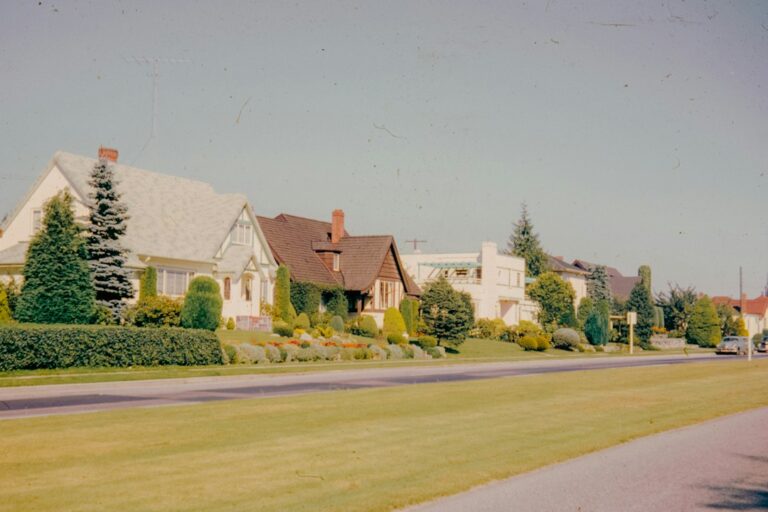 Divorce
Divorcing in North Long Beach? Who Gets the House, and What Taxes Follow
Divorcing in North Long Beach, CA? Learn how buyouts, Duke orders, Watts/Epstein credits, and capital gains tax rules affect splitting your house.
Read the guide → Divorce
Why a West Covina Divorce Sale Doesn’t Always Trigger a Tax Reassessment
A West Covina divorce buyout usually keeps the home's Prop 13 tax basis, but selling to a cash buyer does not. See how that affects your decision.
Read the guide → Divorce
Who Gets Credit for the Down Payment on an Agua Dulce Ranch in a Divorce
Learn how California Family Code Section 2640 reimburses a separate-property down payment on an Agua Dulce horse property when a marriage ends in divorce.
Read the guide → Divorce
Dividing a House in an Avalon, CA Catalina Divorce
Dividing an Avalon, CA home in divorce? See how California community property law, rental license limits, and island appraisals affect your split.
Read the guide → Divorce
Separate Property Reimbursement in a Monrovia Divorce
How Family Code 2640 and the Moore/Marsden formula decide what a spouse gets back before a Monrovia, CA home sells or one spouse buys the other out.
Read the guide → Divorce
How Community Property Division Works for a Whittier Home Sale
See how California law splits community versus separate property for a Whittier house sale during divorce, and what each spouse can claim back.
Read the guide →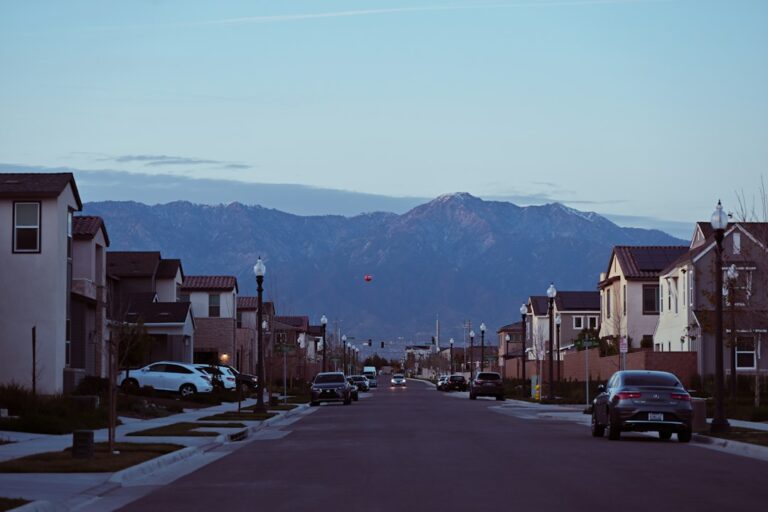 Divorce
How Community Property Division Plays Out for a Duarte, CA Home
How California's community property law divides a Duarte home in divorce, including Family Code 2640 reimbursement, Watts charges, and Epstein credits.
Read the guide →