
Sell Your House During Divorce in Highland, CA
- Foreclosure, inherited, tenants, damage — we buy it
- Zero fees, zero commissions, zero closing costs
- No obligation — turn the offer down and owe us nothing


Fast, Fair, and Reliable Offers
A clear written cash offer and a neutral escrow can make dividing a Highland home simpler for both spouses.
Sell Your House During Divorce in Highland: A Calmer Path
A shared home is often the largest asset a couple owns, and deciding what to do with it can be one of the hardest parts of a separation. Some couples agree quickly that the house should go. Others need a neutral number to anchor the conversation. If you are thinking about how to sell your house during divorce in Highland, the goal is a process both spouses can trust: one written offer, one escrow company, one closing statement and proceeds divided according to your agreement or court order.
Highland homes vary widely, from early 1900s bungalows in the historic district and established ranch-style houses near Base Line and Palm Avenue to newer homes in planned communities such as East Highlands Ranch. Whatever the property, the steps below apply, and they can be adapted to the pace of your case.
A Neutral Starting Point on Value
Redfin’s data for the three months ending August 2026 shows a median sale price of about $570,000 in Highland, down 4.3% from a year earlier, with homes selling at about 99.5% of list price on average. Medians describe the whole city, not your house, but they can help both spouses keep expectations in the same range while you gather an appraisal, an agent’s estimate or a written cash offer for your specific property.
Dividing a Home: Cash Sale vs. Listing
| Factor | Cash sale | Traditional listing |
|---|---|---|
| Timeline | Written offer usually within 24 hours; a clear-title closing can often happen in about two to three weeks, or on a court-friendly date | Preparation, marketing and financed buyers who usually need 30-45 days |
| Repairs | None; no need to agree on a repair budget | Spouses must agree on and fund any repairs |
| Showings | One walkthrough | Ongoing showings, often while one spouse still lives there |
| Commissions | No fees or commissions | Agent commissions often total around 5-6% combined |
| Closing costs | Stated in the written agreement | Split by contract and custom |
| Certainty | No loan contingency | Price reductions and failed escrows require new agreement between spouses |
Our Three-Step Process for Divorcing Owners
- Either spouse can reach out. Reach us by call or text at 424-435-2326, or through the form. We are happy to speak with both of you, or with your attorneys, so everyone hears the same information.
- Walkthrough and one written offer. We schedule a single visit that works for whoever lives in the home and send one written cash offer, usually within 24 hours, to both owners.
- Close through a neutral escrow. Both owners on title sign. Escrow pays the mortgage and any liens, then distributes the proceeds as your settlement or court order directs.
We can buy your house directly or bring in a vetted cash buyer from our network; either way you get one written offer, proof of funds, a neutral escrow company, a clear closing date, and no fees or commissions.
California Rules That Shape a Divorce Sale
California is a community property state. Property acquired during the marriage is generally presumed to belong to both spouses equally, although separate property contributions, refinances and post-separation payments can complicate the math. A family-law attorney is the right person to explain how those rules apply to your home.
Both owners sign
When both spouses are on title, both generally need to sign the listing agreement or purchase contract and the deed. If one spouse will not cooperate, the court can issue orders about the sale, and your attorney can explain how that works in the Superior Court for San Bernardino County.
Automatic restraining orders
Once a divorce case is filed, standard temporary restraining orders generally limit either spouse from selling or transferring community property without the other’s written consent or a court order. That is another reason to put any sale agreement in writing and involve counsel.
How proceeds are split
Escrow pays the loans, liens and costs first. The remaining proceeds are usually divided according to the marital settlement agreement or a court order, and escrow can send each spouse’s share directly to them, or hold funds until the court decides if the split is still being negotiated.
When to Sell Your House During Divorce in Highland
There is no single right time to sell. Some couples sell early so both can move on and split the cash. Others wait until the settlement is signed so the sale is part of a complete agreement. A cash sale is flexible either way: the closing date can be set weeks out to line up with a hearing, a mediation session or the end of a school year, and it does not depend on a buyer’s loan approval that could shift the calendar.
If one spouse still lives in the house, agree in writing on access for the walkthrough and on possession after closing. If neither spouse lives there, decide who will handle utilities, insurance and yard care until the sale closes, and how those costs will be shared.
Keeping the Mortgage Current While the Case Is Pending
The lender does not pause because a marriage is ending. Both spouses who signed the loan typically remain responsible for it until it is paid off, no matter who lives in the house or what a settlement says between the two of you. Missed payments during a divorce can hurt both spouses’ credit and, if they pile up, can lead to a Notice of Default.
If covering the payment has become difficult, raise it early with your attorneys. Temporary orders can address who pays the mortgage while the case is open, and a sale can be timed to close before arrears grow. At closing, escrow pays the loan in full, along with any home equity line, property tax balance or association dues, so both spouses leave the transaction without that shared debt.
Tax Questions to Ask Before Closing
Many couples qualify for the federal home-sale exclusion, which can shield up to $250,000 of gain per person, or up to $500,000 for a married couple filing jointly, when ownership and use tests are met. Divorce can change how the exclusion applies, particularly if one spouse moved out long before the sale or if the sale closes after the divorce is final. A CPA can review your dates and filing status.
California may also require withholding of 3 1/3 percent of the sales price unless an exemption applies, and many principal-residence sales qualify for one. Escrow handles the Form 593 paperwork for each seller. Asking these questions before you set a closing date helps avoid surprises when tax season arrives.
Keeping the Process Fair and Transparent
Divorce can make even simple steps feel contentious. A few habits help keep a home sale from becoming another point of conflict:
- Share every offer and document with both spouses and both attorneys at the same time
- Use one neutral escrow company that answers to both owners
- Agree in writing on who pays the mortgage, taxes and insurance until closing
- Decide in advance how any repair or cleanup costs, if any, will be shared
- Ask escrow for an estimated closing statement so both parties see the same net figure
Seller Protection Checklist for Divorcing Owners
- A written offer addressed to both owners
- Proof of funds from the buyer
- A deposit held by a neutral escrow company
- A named closing date that fits your case
- Who pays which costs, shown on the closing statement
- Who takes title, and how proceeds will be disbursed
Highland Homes We Buy During Divorce
We consider single-family homes, condos, townhouses and rentals throughout Highland, whether one spouse still lives there, the home is vacant, or it is rented out. Houses with deferred maintenance, unfinished projects or unpermitted additions are all fine; Highland’s zoning map shows land-use districts rather than what was approved on each lot, so we simply ask for any records you have. Some properties near the foothills carry a fire-zone designation that appears in the disclosures. If time is short for both of you, our page on how to sell your house fast in Highland covers the scheduling details.
When One Spouse Wants to Keep the House
A sale is not the only outcome. If one spouse wants to stay, a buyout may work instead: the staying spouse refinances the loan so it is solely in their name and pays the other spouse their share of the equity. The buyout still depends on a fair value, and some couples use a written cash offer and an appraisal as reference points. If a refinance is not possible, selling and splitting the proceeds may be the cleaner option. A family-law attorney and a mortgage professional can help you compare both paths before you decide.
Whichever route you take, try to keep the house itself out of the emotional part of the case. Treat it as a financial asset with a value, a loan, carrying costs and a closing date. Written numbers, shared documents and one neutral escrow make it far easier for both spouses to agree, sign and move forward with the next chapter.
Frequently Asked Questions
Can we sell a house during divorce in Highland before the case is final?
Often, yes, as long as both owners agree in writing or the court orders the sale. Standard restraining orders after filing generally require the other spouse’s written consent or a court order, so involve your attorneys.
Do both spouses have to sign?
When both spouses are on title, both generally sign the contract and the deed. If one refuses, the court can address the sale. A family-law attorney can explain the options.
How are the proceeds split?
Escrow pays the mortgage, liens and costs first. The remaining balance is divided according to your settlement agreement or court order, or held in escrow until the split is decided.
Can one spouse stay in the house until closing?
Yes. Access for the walkthrough and move-out timing can be written into the agreement so everyone knows the plan.
What if we cannot agree on the value?
Many couples compare a written cash offer, an agent’s estimate and an appraisal. Seeing several independent numbers often makes agreement easier.
Are there fees or commissions?
No. There are no fees or commissions when you sell to us, and the escrow closing statement shows every cost to both owners.
How long does a divorce sale take to close?
With clear title and both signatures, a cash sale can often close in about two to three weeks, or on a later date that fits your case schedule.
If you and your spouse want a straightforward, transparent sale, we can help. Call or text 424-435-2326 or use the form at the top of this page for one written cash offer on your Highland home, with no fees or commissions.
Selling a house in Highland: what to know
A few local details that shape timing and net proceeds when you sell in Highland.
County & probate court
Highland is in San Bernardino County. Probate and trust matters for Highland properties are heard by the Superior Court for San Bernardino County, and deeds are recorded with the San Bernardino County Recorder.
Transfer tax
San Bernardino County charges a documentary transfer tax of $1.10 per $1,000 of the sale price. Some California cities add their own transfer tax, and escrow will confirm whether one applies in Highland. When you sell to us, we pay the standard closing costs.
Tenant & rent rules
Rental homes in Highland more than 15 years old generally fall under California's Tenant Protection Act (AB 1482), which caps rent increases and requires just cause for most evictions. We buy tenant-occupied homes and take over the leases at closing.
Nearby cities we buy in
Seller Guides
Helpful guides for homeowners in Highland
Plain-English answers to the questions sellers ask us most.
 Inherited homes & probate
What Is a Probate Bond in California, and Do You Need One to Sell?
California requires a probate bond unless waived. See the statute, the real premium cost, who pays, and how to avoid needing one before you sell.
Read the guide →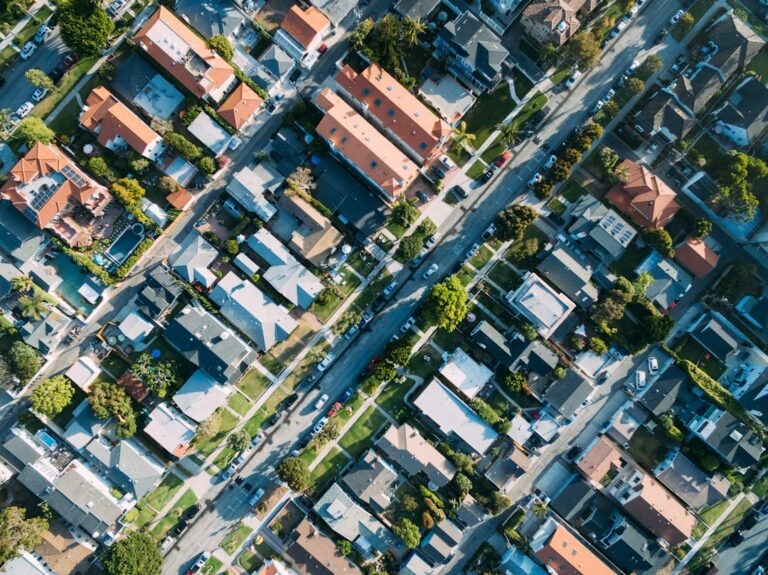 Selling for cash
Capital Gains Tax Exclusion When Selling Your CA Home
Selling your California home? See how the $250K/$500K Section 121 exclusion works, plus the partial exclusion if you sell before two years are up.
Read the guide → Divorce
Is a House Buyout in a California Divorce Taxable?
A divorce house buyout isn't taxed upfront in California, but carryover basis can create a real tax bill later. Here's how the math actually works.
Read the guide → Inherited homes & probate
Riverside County Probate Court: Where Your Case Is Heard and What Selling Costs
Which Riverside County courthouse hears probate, what it costs to file, the fee schedule, and when a cash sale beats the calendar.
Read the guide →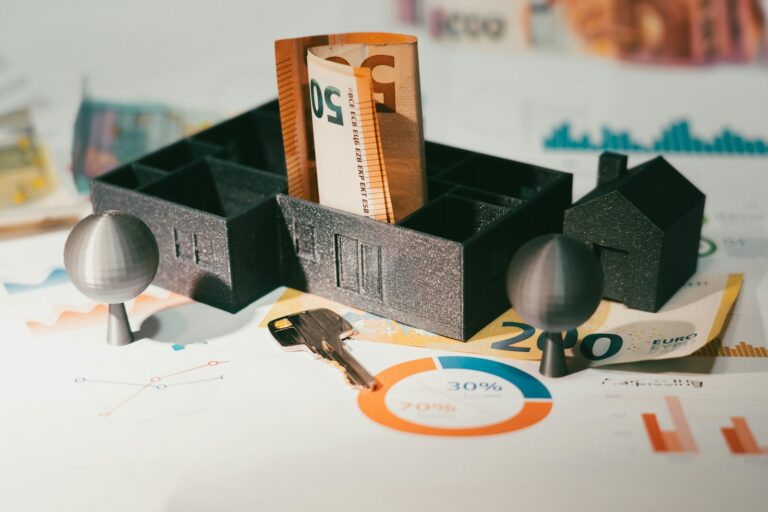 Selling for cash
What Is the Homestead Exemption in California, and What Does It Actually Protect?
CCP 704.730 shields roughly $371,500 to $743,500 of California home equity from creditors. Why the automatic homestead protects nothing on a voluntary sale.
Read the guide → Divorce
Who Gets the House in a Divorce in California?
California community property rules, Family Code 2640 reimbursement and the automatic restraining orders that stop a sale. Buyout, sell, or deferred sale.
Read the guide →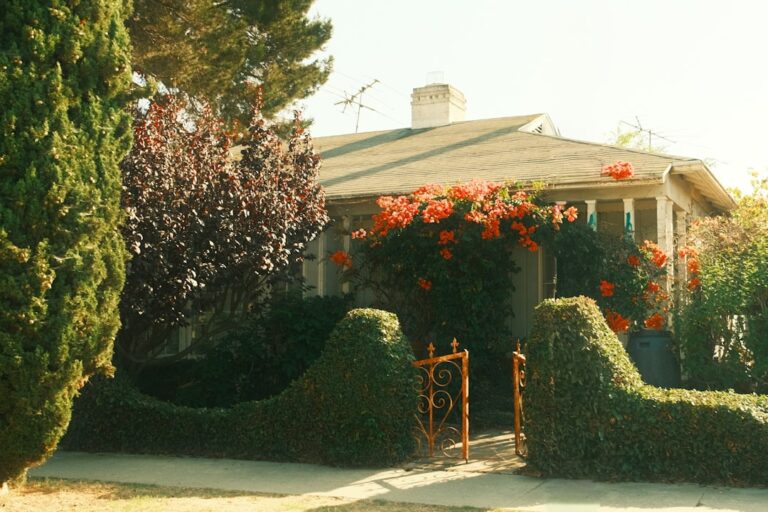 Divorce
Partition Action in California: The Deadlines That Decide Who Keeps the House
California co-owners get 45 days to elect a buyout under the Partition of Real Property Act. The deadlines, the price formula, the fees.
Read the guide →- Selling for cash
We Buy Houses: How These Companies Work and What to Expect
Learn how we buy houses companies work, who sells to them, and how to vet a cash home buyer before you sell.
Read the guide → 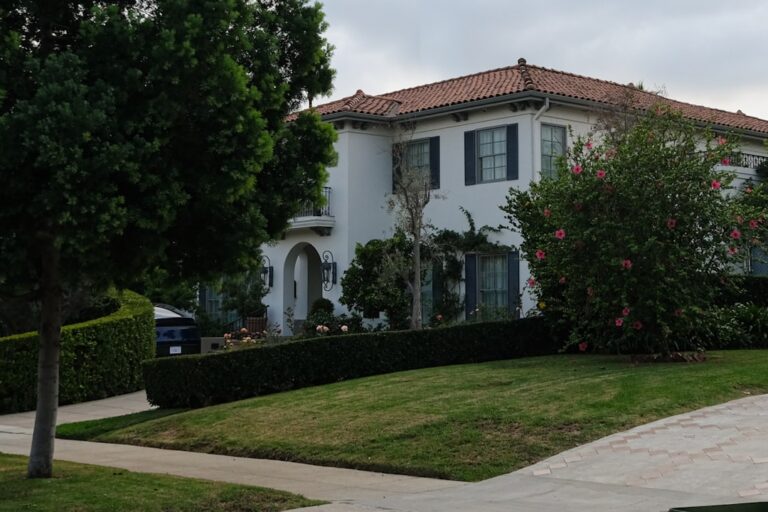 Selling for cash
Sell My House Fast Riverside: Timelines and What Slows Sales Down
What actually slows down a Riverside home sale, and realistic timelines for listing vs a direct cash sale.
Read the guide →