
Sell Your House During Divorce in Wildomar, CA
- Foreclosure, inherited, tenants, damage — we buy it
- Zero fees, zero commissions, zero closing costs
- No obligation — turn the offer down and owe us nothing


Fast, Fair, and Reliable Offers
Sell your house during divorce in Wildomar with a written cash offer, proceeds handled through a neutral escrow company, and a closing date you both agree to.
Sell Your House During Divorce in Wildomar: Why the House Often Comes First
For many couples, deciding what happens to the house is one of the first practical questions in a divorce, because it affects where each person lives next and how the rest of the settlement gets worked out.
Selling the house during a divorce in Wildomar can simplify the picture, converting a shared asset into proceeds that are easier to divide according to the settlement or a court order than a property both names are still attached to.
California is a community property state, which generally means a home purchased during the marriage is owned equally by both spouses regardless of whose name is on the mortgage. Both owners on title generally need to sign a purchase agreement, and proceeds are typically split according to the divorce settlement or a court order, usually disbursed through escrow rather than between the parties directly.
Wildomar is an incorporated city in Riverside County between Murrieta and Lake Elsinore. Whether the property is in a newer community such as The Ranches or an older neighborhood, the community property rules and the mechanics of a sale apply the same way; a family-law attorney can address anything specific to your settlement.
How a Sale Fits Into the Divorce Process
A family-law attorney can advise on timing: some couples sell before the divorce is finalized, using the proceeds as part of settlement negotiations, while others wait until after the decree specifies exactly how the house is to be handled. Either way, a written agreement about the sale, including the price, timeline and how proceeds will be divided, reduces the chance of disagreement once an offer is on the table.
If one spouse wants to keep the house, that generally requires refinancing the mortgage into one name and buying out the other spouse’s share of the equity, which depends on loan qualification and current rates. When that is not realistic, or neither spouse wants to keep the property, selling to a cash buyer removes the financing uncertainty that can otherwise draw out the process.
Cash Sale Compared With Listing During a Divorce
| Factor | Direct cash sale | Traditional listing |
|---|---|---|
| Timeline | Written offer usually within 24 hours; closing in about two to three weeks or on an agreed date | Time on market plus escrow; financed buyers usually need 30-45 days |
| Coordination | One walkthrough, fewer scheduling conflicts between both parties | Repeated showings require ongoing coordination between both spouses |
| Repairs | None required, sold as-is | Buyer inspection requests are common and may need joint decisions |
| Commissions | No fees or commissions | Agent commissions often total around 5-6% combined |
| Proceeds handling | Disbursed by escrow per the settlement or court order | Same requirement, with more steps and more time for disputes to arise |
| Certainty | No financing contingency or appraisal | A loan denial or low appraisal can undo the deal |
How We Handle a Sale During Divorce
1. Both parties start the conversation
Call or text 424-435-2326 or use the form on this page. Let us know if there is a settlement agreement or court order already specifying how the sale should proceed.
2. A single walkthrough and written offer
We schedule one visit at a time that works for both parties and provide a written offer, usually within 24 hours, with terms both spouses can review.
3. Escrow disburses proceeds per the agreement
Both owners on title sign the closing documents, and a neutral escrow company disburses proceeds according to the settlement or court order, with the deed recorded through the Riverside County Recorder. When title, access and required documents are ready, a 7-14 day closing can be discussed, or a later date can be set if that fits the settlement timeline better.
We can buy your house directly or bring in a vetted cash buyer from our network; either way you get one written offer, proof of funds, a neutral escrow company, a clear closing date, and no fees or commissions.
When One Spouse Has Already Moved Out
It is common for one spouse to move out before the house sells, whether temporarily or permanently. That does not change who needs to sign the sale documents or how proceeds are divided; both names on title are generally still required for the transaction.
If the spouse who moved out lives out of state, escrow can usually arrange a mobile notary wherever they are, so returning to Riverside County to sign is not required.
Sell Your House During Divorce in Wildomar: Houses We Buy
We buy houses in any condition during a divorce, whether the property needs repairs neither spouse wants to fund, has been vacant since one party moved out, or is simply ready to sell as part of finalizing the settlement.
If the property is also a rental with tenants in place, our guide to selling a tenant-occupied house in Wildomar covers how that affects the process. We also buy houses during divorce in nearby Lake Elsinore, Murrieta, Menifee and Perris.
Documents That Help the Sale Move Smoothly
- The divorce settlement agreement or court order, if one addresses the house
- The current deed showing both names on title
- A recent mortgage statement
- Government ID for both signers
- Contact information for each spouse’s attorney, if applicable
Having these ready, along with clear communication between both parties about the terms, generally keeps the transaction moving without added friction during an already difficult time.
Keeping Communication Separate From the Sale Logistics
It is common for communication between divorcing spouses to be limited or routed through attorneys. That does not need to slow down the sale itself.
We are glad to coordinate the walkthrough, the written offer and the closing timeline through whichever channel works best, whether that means speaking with both spouses together, separately, or primarily through legal counsel.
The goal is a transaction that moves forward regardless of where things stand personally between the two parties.
If attorneys are involved, we are also happy to share the written offer and closing details directly with them so everyone has the same information at the same time. That transparency tends to prevent misunderstandings about what was offered or agreed to, which matters more than usual in a divorce sale where trust between the parties may already be strained.
Carrying Costs While the House Sale Is Pending
A house that sits unsold during a divorce continues to generate a mortgage payment, property taxes, insurance and maintenance costs, and it is not always clear who should be covering them while the case is ongoing. Some settlement agreements address this directly, specifying how carrying costs are split until closing.
Where that is not already spelled out, it is worth raising with your attorney early, since disagreements about who pays what in the interim can slow down an otherwise straightforward sale.
A faster closing, where that is realistic for both parties, can reduce the number of months these costs need to be split or argued over, which is one reason some divorcing couples prefer a direct cash sale even when a listing might eventually bring a marginally higher price.
When the House Needs Repairs Neither Spouse Wants to Fund
Divorce sometimes means deferred maintenance has piled up, with neither spouse wanting to invest more money or time into a house they are about to leave. A cash sale avoids that problem entirely, since the property is purchased in its current condition.
Neither spouse needs to agree on a contractor, a repair budget or a timeline for the work; the only agreement needed is on the sale itself and how the resulting proceeds will be divided.
Selling as-is also removes a potential source of ongoing disagreement.
Arguing over whether to replace a roof, repaint the interior, fix the landscaping or update a kitchen before listing can stretch a divorce case out for additional months, with each spouse holding a different, strongly felt opinion about what is actually worth spending money on for a house that neither of them plans to keep.
A direct cash offer sidesteps that entirely, letting both parties focus their remaining time and energy on the settlement itself rather than on home improvement decisions neither of them wants to make together.
Getting a Second Opinion on Value
Even when both spouses lean toward a quick cash sale, it can be worth getting an agent’s opinion of value as a point of comparison, particularly when the settlement depends on an accurate picture of the house’s worth.
Comparing that estimate against a written cash offer, along with the time and cost each path would realistically take, gives both spouses and their attorneys a clearer, more concrete basis for negotiating the rest of the settlement around the house’s actual current value, rather than guessing at a number that nobody has actually confirmed.
Frequently Asked Questions
Do both spouses have to agree to sell your house during a divorce in Wildomar?
Generally yes, since both names on title typically need to sign the purchase agreement. A settlement agreement or court order can also direct how and when the sale happens.
How are proceeds split after a divorce sale?
Proceeds are typically divided according to the divorce settlement or a court order and disbursed through a neutral escrow company rather than between the spouses directly.
Can we sell before the divorce is finalized?
Often yes, depending on your situation and your attorneys’ advice. Some couples sell during the process and use the proceeds as part of ongoing settlement negotiations.
What if one of us wants to keep the house?
That generally requires refinancing the mortgage into one name and buying out the other spouse’s equity share, which depends on loan qualification. A cash sale is usually considered when that option is not realistic.
Do we need a real estate agent to sell during a divorce?
No, though some couples prefer an agent’s estimate as a comparison point. You can also sell directly to us and still rely on your family-law attorney for the legal side of the settlement.
What if one spouse has already moved out of the Wildomar house?
Both names on title generally still need to sign the sale documents. If a spouse has moved out of state, escrow can usually arrange a mobile notary wherever they are.
How fast can a divorce-related sale close?
With clear title and both signers available, a 7-14 day closing can be discussed. Many couples choose a date that aligns with their settlement timeline rather than the fastest possible close.
Ready to discuss selling your Wildomar house as part of a divorce? Call or text 424-435-2326 or use the form above for a written cash offer, with no fees, no commissions and no obligation.
Seller Guides
Helpful guides for homeowners in Wildomar
Plain-English answers to the questions sellers ask us most.
 Relocating
Fontana’s Warehouse Boom: What It Means If You’re Relocating
Fontana grew from a wartime steel town into an Inland Empire logistics hub. See what that shift means for home values and selling if you are relocating.
Read the guide → Inherited homes & probate
Partition Actions Between Heirs: How California Law Forces a House Sale
California heirs can force a house sale through a partition action under CCP 872-874, with court referees, confirmation hearings, and buyout rights.
Read the guide → Divorce
Is a House Buyout in a California Divorce Taxable?
A divorce house buyout isn't taxed upfront in California, but carryover basis can create a real tax bill later. Here's how the math actually works.
Read the guide → Divorce
Who Gets the House in a Divorce in California?
California community property rules, Family Code 2640 reimbursement and the automatic restraining orders that stop a sale. Buyout, sell, or deferred sale.
Read the guide → Divorce
Partition Action in California: The Deadlines That Decide Who Keeps the House
California co-owners get 45 days to elect a buyout under the Partition of Real Property Act. The deadlines, the price formula, the fees.
Read the guide → Selling for cash
San Bernardino County’s Tax-Defaulted Auction: The Five-Year Countdown and the Excess-Proceeds Claim
San Bernardino County homes can be auctioned after 5 years of unpaid taxes. See the timeline, what survives the deed, and how to claim excess proceeds.
Read the guide →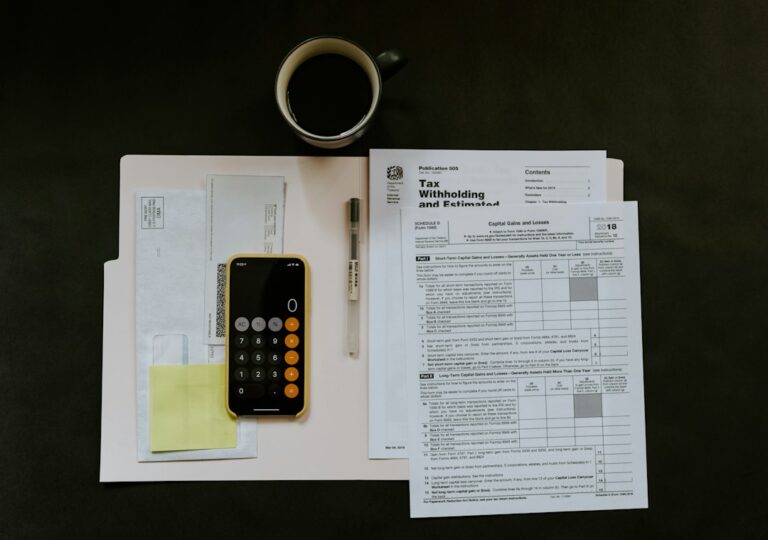 Selling for cash
FTB Form 593: Why Escrow Holds Back 3⅓% of a California Home Sale and How to Avoid It
Escrow generally withholds 3⅓% of a California sale price for the Franchise Tax Board unless you certify an exemption on Form 593.…
Read the guide → Inherited homes & probate
Medi-Cal Estate Recovery and the Family House: Who Owes, Who Is Protected and the Deadlines
Since 2017, Medi-Cal estate recovery reaches a house only if it passes through probate. See who is exempt, the 90-day notice and the 60-day waiver window.
Read the guide → Selling for cash
Riverside County Tax-Defaulted Property: The Five-Year Clock From Missed Taxes to Auction
How Riverside County tax-defaulted property moves from missed taxes to auction: the five-year clock, redemption deadline, payment plan and excess proceeds.
Read the guide →