
Beverly Hills, CA As-Is Sales: What You Still Disclose
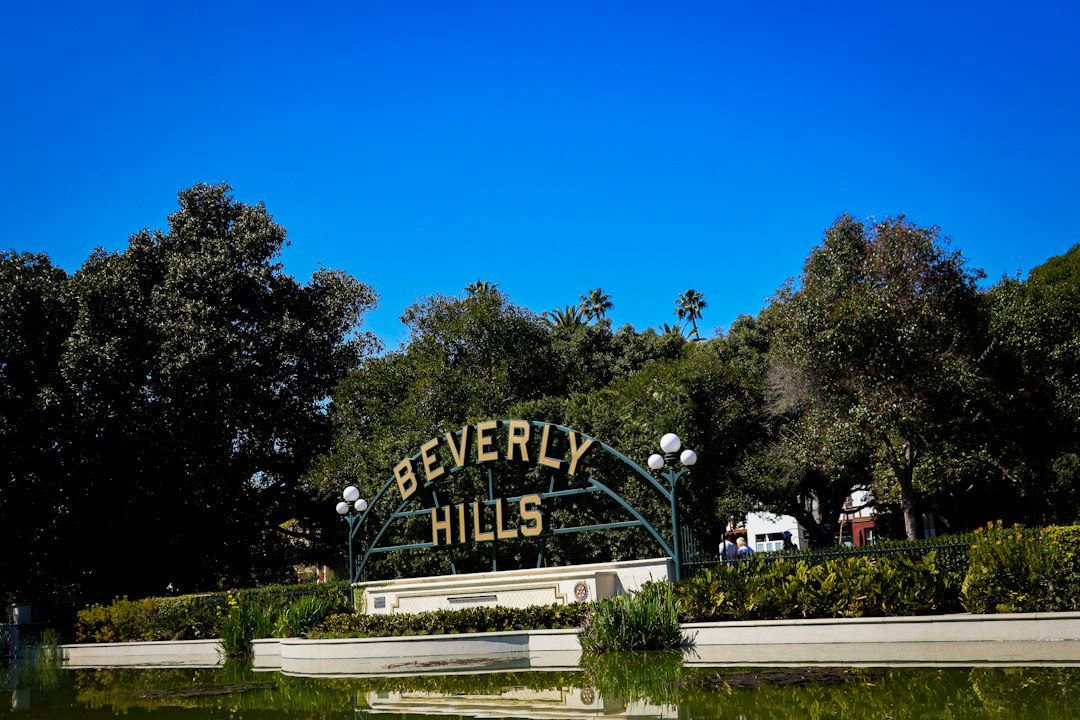
Selling a Beverly Hills house “as-is” does not reduce what California law requires you to tell the buyer — it only tells the buyer you won’t be making repairs before closing. Those are two different things, and conflating them is the single most common mistake sellers make when they decide to sell as-is. Beverly Hills was incorporated in 1914, covers under six square miles with roughly 32,700 residents, and carries some of the highest per-square-foot property values in the state — which raises the financial stakes of getting disclosure wrong considerably higher than in most California cities. If you’re selling as-is here, our Beverly Hills as-is page covers the sale process; this piece covers the disclosure law “as-is” doesn’t touch.
What “Selling As-Is” Actually Means Under California Law
“As-is” is a statement about repairs and price negotiation, not a legal shield. It tells a buyer the seller will not fix the water heater, the roof, or the foundation crack before closing, and that the purchase price reflects the home’s current condition. It does not — and legally cannot — waive the seller’s duty to tell the buyer what’s actually wrong with the house. California courts settled this question decades ago, and the legislature has since written the rule directly into the Civil Code.
The Transfer Disclosure Statement Still Applies
Civil Code §1102 et seq. requires sellers of most residential real property to complete and deliver a Transfer Disclosure Statement (TDS) to the buyer, covering known defects and material facts about the property’s condition — roof leaks, foundation issues, past pest damage, unpermitted work, neighborhood nuisances, and more. Civil Code §1102.1 is explicit on the point that matters most for as-is sellers: the delivery of the TDS “may not be waived in an ‘as is’ sale.” We’ve covered the broader disclosure framework, including what counts as a waivable deal term versus a non-waivable disclosure duty, in our guide to disclosure requirements when selling as-is in California.
Why Loughrin v. Superior Court Closed the As-Is Loophole
Before this was settled in statute, some sellers argued an “as-is” clause in the purchase contract released them from disclosure obligations entirely. California courts, most notably in Loughrin v. Superior Court, rejected that reading, and the legislature subsequently codified the result directly into §1102.1 to remove any ambiguity. The practical effect: a seller who knows about a leak, a slope stability issue, or a prior insurance claim related to the property cannot use an as-is clause to avoid telling the buyer, and doing so anyway exposes the seller to fraud and misrepresentation claims that an as-is clause does nothing to prevent.
Part of the City Sits in an Alquist-Priolo Earthquake Fault Zone
The Santa Monica Fault runs through the Beverly Hills area, and the California Geological Survey’s official Alquist-Priolo Earthquake Fault Zone mapping — finalized for this stretch of the Westside in the years following a 2017 preliminary redraw — places a strip of the city within a designated fault zone requiring special geologic investigation before most new construction or substantial renovation directly on or near a mapped trace. This is exactly the kind of fact the Natural Hazard Disclosure Statement is built to surface, and it’s independent of anything an as-is clause does. A seller whose NHD report is outdated or was generated before the current zone boundaries were finalized risks delivering a disclosure that no longer reflects where the property actually sits relative to the mapped fault trace.
The Natural Hazard Disclosure Is a Separate Requirement
Beyond the TDS, Civil Code §1103 et seq. requires a separate Natural Hazard Disclosure Statement covering whether the property sits in a designated flood zone, wildfire hazard severity zone, earthquake fault zone, or seismic hazard zone, among other state-mapped risk categories. This disclosure is typically prepared by a third-party natural hazard disclosure company rather than the seller personally, but the seller remains responsible for ensuring it’s provided, and it is entirely independent of any as-is language in the contract. We’ve broken down exactly what the NHD statement has to include in our guide to California’s Natural Hazard Disclosure Statement.
The Agent’s Own Disclosure Duty Doesn’t Depend on As-Is Either
Civil Code §2079 imposes a separate, independent duty on the listing broker in a one-to-four unit residential sale: a reasonably competent and diligent visual inspection of the property, and disclosure of all facts materially affecting value or desirability that such an inspection would reveal. This duty traces back to the California Court of Appeal’s decision in Easton v. Strassburger, and it exists on top of whatever the seller personally discloses. An as-is clause in the purchase contract does not relieve the listing agent of this inspection and disclosure obligation, which means sellers who assume “as-is” covers their agent too are operating on a misunderstanding that can expose both the seller and their agent to liability if something obvious gets missed.
Pre-1978 Homes Carry a Federal Disclosure Duty Too
Beverly Hills’ housing stock includes a substantial number of homes built well before 1978, which brings in a disclosure requirement that has nothing to do with California law at all. The federal Lead-Based Paint Disclosure Rule (Section 1018 of Title X) requires sellers of any home built before 1978 to disclose known information about lead-based paint or lead hazards, provide the EPA’s “Protect Your Family From Lead in Your Home” pamphlet, include a Lead Warning Statement in the purchase contract, and give the buyer a 10-day period to conduct a lead inspection or risk assessment before being bound to the contract, unless the buyer waives that period in writing. This federal requirement applies on top of the state TDS and NHD forms, applies regardless of any as-is language, and is commonly overlooked by sellers focused only on California-specific paperwork.
Known-Defect Liability Doesn’t Disappear With an As-Is Clause
Beyond the statutory disclosure forms, California common law imposes a broader duty on sellers (and their agents) to disclose known material facts affecting a property’s value or desirability — a duty that exists independent of, and in addition to, the TDS form itself. Unpermitted additions, prior code enforcement issues, or known structural problems fall into this category. We cover how unpermitted work and code violations specifically interact with a sale in our guide to selling a house with code violations in California, since older Beverly Hills properties — particularly those built before mid-century permitting records were digitized — frequently carry some history here worth checking before listing.
A Megan’s Law Notice Belongs in Every Contract, As-Is or Not
California requires every residential purchase contract to include a standard notice directing the buyer to the state’s Megan’s Law database of registered sex offenders, maintained by the Department of Justice, rather than requiring the seller or agent to personally identify anyone. It’s a small, boilerplate piece of the contract package, but it’s non-negotiable and unaffected by as-is language, and it’s worth confirming your agent or title company has it in the paperwork rather than assuming a template handles it automatically.
Mills Act Contracts Complicate an As-Is Sale in a Specific Way
Beverly Hills has steadily built out historic preservation incentives since creating its Cultural Heritage Commission in 2012, and the City Council made its Mills Act program permanent in December 2019. Under the statewide Mills Act (Government Code §§50280–50289), an owner of a qualified historic property can enter a recorded preservation contract with the city in exchange for a property tax assessment based on restricted-use income potential rather than market value — often a substantial savings. In return, the owner agrees to maintain the property’s historic character and restore it where needed, submits to periodic compliance inspections, and the contract runs a minimum of ten years with automatic one-year extensions that bind every future owner until someone files for nonrenewal. If a Beverly Hills property carries a Mills Act contract, that’s a recorded restriction on the title, not a cosmetic detail, and an as-is sale absolutely has to disclose it — a buyer inheriting both the tax benefit and the maintenance obligation needs to know before closing, not after the next compliance inspection.
The 2025 Fire Hazard Map Update Changed Who Needs to Disclose What
In 2025, Cal Fire released updated statewide fire hazard severity zone maps using revised modeling, and Beverly Hills was directly affected: roughly 260 additional acres of the city were redesignated into the “very high” fire hazard severity zone, with the new boundary extending south of Sunset Boulevard, roughly between Lomitas and Elevado Avenues. Properties newly captured in that expanded zone are now subject to the wildfire-related portions of the Natural Hazard Disclosure Statement that didn’t apply to them under the prior map — meaning a seller relying on an outdated NHD report, or one generated before the remapping, could unintentionally deliver an inaccurate disclosure. Anyone listing a Beverly Hills property in or near the hillside areas south of Sunset should confirm the NHD report reflects the current map rather than assuming last year’s designation still holds, since this is exactly the kind of factual shift an as-is clause does nothing to paper over.
What High Property Values Add to the Stakes
A disclosure failure on a $500,000 starter home and the same failure on a multimillion-dollar Beverly Hills property expose the seller to very different dollar amounts of liability, because damages in a nondisclosure claim are typically measured against the cost to remedy the defect or the diminution in value it caused — both of which scale with the property’s price point. That doesn’t change the legal standard at all; a seller in either market owes the same disclosure duty. It does mean that the cost of skipping or soft-pedaling a disclosure, hoping a buyer’s inspector won’t find it, is considerably higher here than the statewide average, and buyers purchasing at this price point typically retain more thorough inspection and legal review than buyers at lower price points, which increases the odds an undisclosed issue actually surfaces.
Off-Market Listings Don’t Change the Disclosure Rules Either
Beverly Hills has an unusually active culture of off-market and “pocket” listings — sales marketed quietly to a short list of agents and buyers rather than placed on the open MLS, often for privacy reasons tied to the kind of buyers and sellers active in this market. It’s worth being clear that none of California’s disclosure requirements care whether a sale was marketed publicly or privately. The TDS, the NHD statement, the lead-paint disclosure on qualifying homes, the Megan’s Law notice, and the agent’s own inspection duty under Civil Code §2079 all apply exactly the same way to a confidential off-market sale as to a traditionally listed one. A smaller buyer pool and less public marketing sometimes creates a false sense that the transaction is somehow more private in every respect, including the paperwork — it isn’t, and the disclosure exposure is identical either way.
The Statutory Exemptions That Actually Do Waive the TDS
It’s worth knowing what genuinely is exempt from the Transfer Disclosure Statement requirement, since confusing these narrow statutory exemptions with a seller’s own as-is clause is exactly the error this article is warning against. Civil Code §1102.2 lists the actual exemptions: transfers between co-owners, transfers pursuant to a court order (including certain probate, divorce, and eminent domain transfers), transfers by a foreclosing beneficiary or trustee, and a handful of other specific categories — none of which include “the seller decided not to fix anything” or “the parties agreed to an as-is clause.” If your transaction falls into one of the narrow statutory categories, the TDS requirement genuinely doesn’t apply. If it doesn’t, no amount of as-is language in the purchase contract gets you there.
What As-Is Actually Changes — It’s Less Than Sellers Think
What an as-is clause legitimately does: it tells the buyer you won’t negotiate repair credits or make fixes as a condition of closing, and it shifts the practical burden of further investigation onto the buyer’s inspection period. What it does not do: waive the TDS, waive the NHD statement, waive known-defect disclosure duties under case law, or protect a seller who conceals a known problem rather than disclosing it. Selling as-is is a legitimate, common strategy — particularly for older homes, inherited properties, or sellers who simply don’t want to manage a repair-and-negotiation process — but it is a statement about who does the repairs, not a release from honesty about the property’s condition.
When Full Disclosure and a Traditional Listing Beats a Fast As-Is Sale
If the property is in reasonably good condition and you have time to manage a standard listing, disclosing fully and listing traditionally at this price point will typically net more than a fast as-is cash sale, because Beverly Hills retail buyers are paying for the address and the finish level as much as the structure itself, and a longer marketing period captures that premium better than a quick transaction does. A faster as-is sale makes more sense when the property needs work extensive enough that financed retail buyers’ lenders won’t approve a loan against it, when heirs or multiple owners need a clean and fast resolution, or when the seller genuinely cannot carry the property’s cost (property taxes here are not small) through a normal marketing period.
This article is general information about California disclosure law, not legal advice specific to your transaction; consult a real estate attorney before finalizing any disclosure statement. If you’re selling as-is and want a no-obligation cash offer, Cash Home Buyers CA can provide one, and our Beverly Hills as-is page has more on how that works locally.