
What Actually Slows Down a Fast Burbank, CA Home Sale
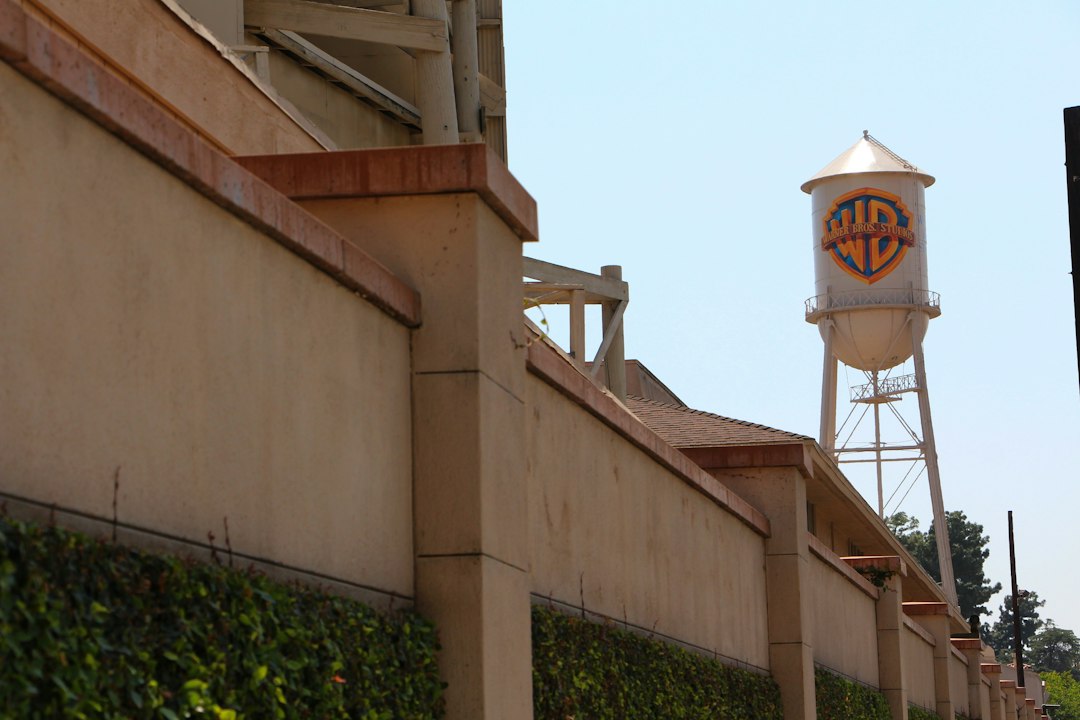
The single biggest thing that slows down a “fast” home sale in Burbank isn’t title, inspection, or financing — it’s a city water-conservation ordinance most sellers have never heard of until their escrow officer brings it up. Burbank, incorporated in 1911 and now home to roughly 103,000 residents, built its identity as the “Media Capital of the World” around Warner Bros., Disney, and the former home of NBC’s West Coast operations, and it sits immediately adjacent to Hollywood Burbank Airport — both facts that shape this market in ways a generic Los Angeles-area sale doesn’t account for. If you’re trying to sell quickly, our Burbank fast-sale page covers the overview; this piece covers what actually eats the clock.
The Ordinance Most Sellers Don’t Know About Until Escrow
Under Burbank Ordinance No. 3786, effective December 13, 2022, the sale of residential property in Burbank is subject to a Retrofit Upon Resale requirement administered by Burbank Water and Power. Compliance is a condition of escrow — the ordinance’s own language states that the sale is contingent on completing and filing the required certificate — which means this isn’t an optional upgrade a buyer might ask for later. It’s a closing requirement that has to be satisfied before the transaction can fund, and sellers who discover it mid-escrow lose days they didn’t budget for.
What the Retrofit Upon Resale Certificate Actually Requires
The ordinance sets specific water-efficiency standards the property must meet at the time of sale: toilets rated at no more than 1.28 gallons per flush, showerheads at no more than 1.8 gallons per minute, kitchen faucet aerators at no more than 1.8 gallons per minute, and bathroom faucet aerators at no more than 1.2 gallons per minute, among other fixture-specific limits. The seller is responsible for bringing the property into compliance and then filing a Retrofit Upon Resale Certificate of Compliance — there’s no filing fee, but there is a real task list if the home still has older fixtures, which is common in Burbank’s substantial stock of homes built well before these standards existed. Burbank Water and Power offers a home improvement program with free installation of qualifying fixtures, which is worth calling about the moment a sale looks likely rather than after an offer is already signed, since scheduling that work takes time a compressed escrow may not have.
One piece of good news on the cost side: Burbank is not among the handful of California cities — Los Angeles, Culver City, Pomona, Redondo Beach, and Santa Monica — that layer an additional city-level documentary transfer tax on top of the county’s rate. A Burbank seller pays only the Los Angeles County base rate of $1.10 per $1,000 of sale price, the same as most of the county, rather than the higher combined city-and-county rate a seller seeing LA city comparables might expect.
Why the Retrofit Requirement Exists in the First Place
Burbank Water and Power runs the city’s own municipal water utility, separate from the regional wholesale providers that serve much of Los Angeles County, and the city has leaned on point-of-sale retrofit requirements as a conservation tool precisely because it controls both the utility and the ordinance that enforces it. Point-of-sale retrofit ordinances like this one are not unique to Burbank — several other California cities use the same mechanism, reasoning that a change of ownership is a natural, enforceable moment to upgrade a building’s fixtures without waiting for a broader capital program or a voluntary rebate to do the work. What’s specific to Burbank is the exact fixture standard, the escrow-contingent enforcement mechanism, and the fact that it layers on top of a state regulatory backdrop that already pushes toward similar efficiency standards for new construction and renovations, even though the resale-triggered version is a local Burbank rule rather than a statewide mandate.
Airport Proximity Disclosure: A Statewide Law That Hits Harder Here
Civil Code §1102.6a addresses a disclosure most sellers elsewhere in the state never encounter: properties located within two statute miles of a public-use airport are subject to a “Notice of Airport in Vicinity” disclosure requirement, satisfied either through a local jurisdiction’s own adopted form or, absent one, through a written disclosure of the airport’s proximity as the statute allows. Hollywood Burbank Airport sits inside city limits, which means a meaningful share of Burbank properties fall within that two-mile radius and need this disclosure included in the transfer paperwork. It’s a short form, but skipping it because a seller didn’t realize their neighborhood qualified is an easy, avoidable way to add a disclosure defect to an otherwise clean closing.
The Statewide Retrofits Burbank’s Ordinance Doesn’t Replace
Burbank’s water-fixture ordinance is a city-specific add-on, not a substitute for the baseline retrofits California law already requires of every home sold in the state: working smoke alarms in the required locations, carbon monoxide detectors in homes with a fossil-fuel heating source or attached garage, and a seismically braced or strapped water heater. These statewide requirements exist independently of Burbank’s Ordinance No. 3786, which means a seller here is effectively working through two separate retrofit checklists — one that applies everywhere in California, and one that applies specifically because the property is inside Burbank. Conflating the two, or assuming that satisfying one automatically satisfies the other, is an easy way to discover a missing requirement during a final walkthrough rather than during the inspection period when there’s still time to fix it cheaply.
Title Issues That Take Longer to Clear Than People Expect
Burbank’s housing stock spans nearly a century of ownership history in many neighborhoods, and older deeds, inherited properties with multiple heirs, and decades-old liens surface in title searches more often than newer housing stock would produce. A quitclaim deed is sometimes used to try to resolve one of these issues quickly, but it only transfers whatever interest the signer actually holds — it doesn’t clear a lien, resolve a boundary dispute, or guarantee the title was good to begin with. We’ve explained exactly what a quitclaim deed does and doesn’t fix in this guide to quitclaim deeds in California, since using one as a substitute for actually clearing a title defect is a common way sellers add weeks to a closing they expected to be fast.
Duplexes and Small Multi-Unit Properties Face the Same Ordinance
Burbank’s housing stock includes a meaningful share of duplexes, triplexes, and small multi-unit buildings alongside single-family homes, particularly in neighborhoods closer to the studio district where smaller lots were built out more densely. Burbank’s ordinance covers all residential, commercial, and industrial buildings in the city, not just single-family homes, so a duplex or triplex doesn’t get a pass just because it’s a smaller rental property rather than an owner-occupied house. For an owner who’s been renting out one or more units for years without recently updating fixtures, bringing a multi-unit building into compliance can mean coordinating access and upgrades across tenant-occupied units on top of the title and disclosure work already required — exactly the kind of multi-step coordination that turns an expected two-week closing into a six-week one if it isn’t planned for at the start. Burbank Water and Power’s Conservation division can confirm exactly what a specific property needs before you’re already in escrow against a buyer’s closing date.
Why Entertainment-Industry Sellers Often Face Tighter Timelines
Burbank’s economy is unusually concentrated around production schedules rather than a typical nine-to-five employer base, and relocation timelines tied to a studio assignment, a show’s production schedule, or a job transfer to another media market don’t bend to a normal 45-day escrow the way a standard corporate relocation package might. Sellers in this position are often the ones for whom a faster, cash-based sale genuinely solves a real scheduling problem rather than just saving a few weeks of inconvenience — the deadline is fixed by a production start date or a lease obligation elsewhere, not by preference.
There’s a practical title wrinkle that shows up more often here than in a typical suburban market, too: entertainment professionals sometimes hold real property through a loan-out corporation, an LLC, or a trust set up around production income rather than in their personal name, for reasons that have nothing to do with the house itself. If title is held by an entity rather than an individual, closing requires verifying who has actual authority to sign on the entity’s behalf — a corporate resolution, an operating agreement provision, or a trustee certification — before escrow can close, and tracking that paperwork down adds a step (and sometimes real delay) that a straightforward individual-owner sale doesn’t have.
What Happens If the Retrofit Can’t Be Finished Before Closing
Because the Retrofit Upon Resale Certificate is a condition of escrow rather than a suggestion, a seller who can’t get the fixture work done before the scheduled closing date has to address it directly rather than hope it gets overlooked — escrow officers who handle Burbank transactions regularly will generally not close without the filed certificate. In practice this sometimes means a short delay to complete the work, or an escrow holdback where funds sufficient to cover the remaining retrofit items are held back at closing and released once the work is verified complete. Either path adds coordination, which is exactly why discovering the requirement in week one rather than week three of a supposedly fast sale matters.
Property Tax Proration Follows the Same Statewide Calendar
Whatever is slowing a Burbank closing down, the property tax calendar underneath it doesn’t change: California’s secured property tax is billed in two installments, the first due November 1 and delinquent after December 10, the second due February 1 and delinquent after April 10. Escrow prorates the current tax year between buyer and seller based on the actual closing date, and any installment that’s already delinquent gets paid out of the seller’s proceeds at closing rather than left outstanding. A seller juggling a retrofit certificate, a title issue, and a tight relocation deadline can let a property tax installment slip through the cracks during all of that — worth checking the most recent bill before escrow opens rather than finding out about a penalty at the closing statement.
What a Cash Sale Can and Cannot Skip
A cash sale removes the financing contingency and the lender’s appraisal and underwriting timeline, which is where most delay in a conventional sale originates. It does not remove the Retrofit Upon Resale requirement, the airport-vicinity disclosure where applicable, the Transfer Disclosure Statement, or the need for a clean title. Any buyer — cash or financed — is entitled to all of these, and a legitimate cash buyer will still require them before closing. A seller who’s told these requirements don’t apply to a cash deal is being misled, and it’s worth confirming directly with the title company rather than taking a buyer’s word for it.
Checking Your Own Property Before You List
Rather than discovering any of this during escrow, a seller can get ahead of nearly all of it with three phone calls or lookups before listing: Burbank Water and Power’s Conservation division to confirm current fixtures against the ordinance’s standards and ask about the free-installation program, the title company for a preliminary title report to flag liens or ownership issues early, and a quick distance check against Hollywood Burbank Airport’s published boundary to see whether the two-statute-mile disclosure applies. None of these take more than a day to sort out, and doing them before signing a listing agreement or accepting a cash offer turns three potential mid-escrow surprises into three items already checked off.
When Waiting for a Traditional Sale Is the Smarter Move
If there’s no hard deadline forcing a fast close, the home is in decent condition, and the retrofit items are straightforward to complete, a traditional listing will typically net more money than a fast cash sale, because Burbank’s proximity to the studios keeps buyer demand strong for well-presented homes and that demand supports a higher sale price than a discounted cash offer reflects. A fast sale earns its place when the retrofit or repair list is extensive enough to complicate financing, when a hard relocation deadline exists, when heirs need a quick resolution, or when carrying costs on a property nobody’s living in are adding up faster than the wait would be worth.
A Realistic Week-by-Week Timeline
- Week one: property evaluation, title search opened, and a check of whether the home is within the airport-vicinity disclosure radius
- Week one to two: Retrofit Upon Resale assessment — confirm existing fixtures, schedule any needed upgrades through Burbank Water and Power’s program if applicable
- Week two: disclosure statements (TDS, NHD, and airport notice if applicable) prepared and delivered
- Week two to three: title clears, Retrofit Certificate of Compliance filed, escrow moves toward closing
- Week three: closing, assuming no title defect or multi-heir signature delay surfaced along the way
This article is general information, not legal advice, and your property’s specific title, fixture, and disclosure situation will affect your actual timeline. If you need a fast, no-obligation cash offer, Cash Home Buyers CA can provide one, and our Burbank fast-sale page has more on how the local process works.