
Antioch’s Just Cause Eviction Ordinance: What a Landlord Selling a Rental Must Clear First
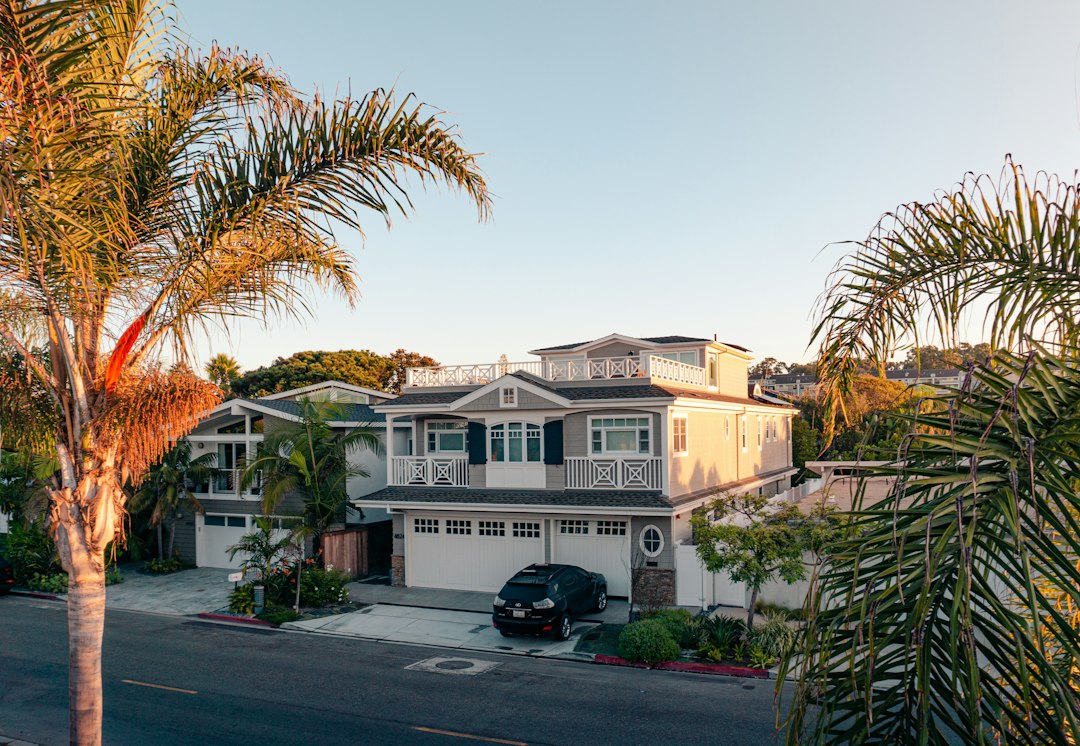
Antioch landlords cannot end a tenancy just because they feel like it anymore.
Since October 10, 2024, the city’s Tenant Eviction Protection Ordinance No. 2240-C-S (Chapter 6 of Title 11 of the Antioch Municipal Code) requires a specific, listed reason for every termination, plus relocation payments that run well above the one-month figure most landlords assume from state law.
Here is exactly what the ordinance requires, in dollars and days, before you can lawfully end a tenancy or hand a buyer a property that’s genuinely ready to close.
What the Ordinance Is, and Why It Goes Further Than State Law
The Antioch City Council introduced the just cause ordinance on August 27, 2024, adopted it on September 10, 2024, and it took effect 30 days later on October 10, 2024.
It sits alongside two other local measures the city passed in the same wave of tenant protections: the Rent Stabilization Ordinance (Chapter 1 of Title 11, effective November 11, 2022), which caps how much and how often rent can rise, and the Tenant Anti-Harassment and Anti-Retaliation Ordinance No. 2232-C-S (adopted September 12, 2023, effective October 12, 2023), which penalizes landlords who use rent increases, utility shutoffs, or bad-faith entries to pressure tenants out.
California’s statewide Tenant Protection Act (Civil Code section 1946.2) already requires just cause once a tenant has lived in a unit for 12 months, and already requires one month’s rent in relocation assistance for a no-fault termination.
Antioch’s ordinance layers city-specific obligations on top: a relocation amount that can reach three months’ rent instead of one, a requirement to file termination notices with the city within 5 days, a 60-day advance notice for owner move-ins, and a mandatory written notice of tenant rights that has to accompany the termination paperwork.
A notice that satisfies the state statute and ignores the local one is still defective under Antioch’s code.
The Only Lawful Reasons to End a Tenancy
Section 11-6.04(A) of the ordinance splits lawful terminations into two categories. At-fault reasons do not trigger relocation pay; no-fault reasons do.
At-fault reasons (no relocation assistance owed):
- Nonpayment of rent
- A material lease violation the tenant does not cure within 3 days of written notice
- A nuisance not abated within 3 days of written notice, or waste to the unit
- A criminal conviction tied to the rental’s illegal use, or a criminal threat against the owner or their agent
- Refusing to sign a substantially similar lease renewal, or refusing lawful entry for required repairs after a written request
- A resident manager who stays past the end of their employment, or a tenant who does not surrender possession after an accepted written move-out offer
- Unauthorized subletting or assignment
No-fault reasons (relocation assistance required):
- The owner or a qualifying family member intends to occupy the unit as a principal residence for at least two years, moving in within 90 days of the tenant vacating
- Demolition or a substantial remodel of the unit
- Compliance with a government or court order to vacate on habitability, occupancy, or code grounds
- Permanent withdrawal of all units from the rental market under the state Ellis Act
A tenant found to have caused the underlying eviction condition is excluded from relocation eligibility even on an otherwise no-fault termination, so these two lists aren’t quite as separate in practice as they look on paper.
Relocation Assistance: The Actual Dollar Figures
This is the number that catches landlords who’ve only read about the statewide rule. Under state law, a no-fault termination owes one month’s rent. Under Antioch Municipal Code section 11-6.06(A)(1)(a), a no-fault termination owes:
- Two months’ rent, calculated on the monthly rent in effect when the termination notice is served, paid to every tenant household.
- One additional month’s rent, shared among all tenants in the unit, if a qualified tenant (the ordinance’s categories track the usual seniors, disabled tenants, and households with minor children) lives there — bringing the total to three months’ rent for that household.
- Moving expenses, calculated using the federal Uniform Relocation Act’s fixed residential moving-cost schedule rather than a flat city dollar figure.
- A daily payment for temporary displacement (where the tenant has to leave only until repair or construction work finishes), pegged to the federal General Services Administration’s lodging per diem rate for Contra Costa County, which the GSA updates annually, unless the landlord and tenant agree otherwise.
On a unit renting for $2,200 a month, that is $4,400 in baseline relocation pay, or $6,600 if a qualified tenant is in the household — before moving-expense reimbursement and before any temporary-displacement per diem. Multiply that across a duplex or triplex with more than one no-fault termination and the number stops being an afterthought in a sale decision.
It’s worth being precise about when this payment is owed: it attaches to the four no-fault reasons in the ordinance, not to every termination. A landlord ending a tenancy for nonpayment or a cured lease violation owes nothing under this section.
The relocation obligation exists specifically because the tenant did nothing wrong and is losing housing anyway, which is also why the ordinance excludes a tenant who caused the underlying condition, even if the paperwork technically cites a no-fault ground.
The Notice Periods and Filing Deadlines, In Order
Antioch’s ordinance adds several deadlines state law does not require. Missing any one of them can make an otherwise valid termination unenforceable.
- Owner or relative move-in: 60 days’ written notice to the tenant, which must also be disclosed to the city.
- Ellis Act withdrawal: a 120-day minimum notice. Tenants who are 62 or older, or disabled, and have lived in the unit at least one year, can claim a one-year notice period instead, by giving the landlord written notice within 60 days of the city receiving the owner’s withdrawal filing.
- Owner’s response to an extension request: notice to the city within 30 days of the tenant’s extension request, with a revised withdrawal date set within 90 days.
- Lease renewal demand: if a landlord wants a tenant to sign a new lease rather than continue month to month, the demand has to go out at least 60 days before the prior lease term ends.
- City filing: every termination notice must be filed with the city within 5 days of being served on the tenant.
- Tenant relocation notice: the landlord must notify the tenant of relocation-assistance eligibility within 10 days of the termination notice.
- Buyout agreements: a copy of any proposed buyout must go to the tenant at least 5 days before signing. The tenant then has 30 days after full execution to cancel, and must receive a signed copy within 10 days of execution.
A handful of property types are exempt from the ordinance altogether: units run by hospitals or skilled nursing facilities, nonprofit short-term substance-abuse treatment housing, nonprofit transitional housing for up to 24 months, and hotel or motel rooms that qualify for the short-term exemption under Civil Code section 1940(b) — unless the stay runs 30 days or more, or the owner is using short stays to dodge tenancy status under Civil Code section 1940.2.
None of these deadlines run concurrently with the others by default. A 60-day owner-occupancy notice and the 5-day city filing window both start from the date the notice is served, but the 10-day relocation-eligibility notice and any buyout paperwork run on their own separate clocks.
Landlords who treat this as one notice with one deadline tend to miss at least one of the filings, and a missed filing is the detail that turns a clean no-fault termination into a contested one.
How This Sits on Top of Antioch’s Rent Cap
The just cause ordinance covers whether and how a tenancy can end. A separate ordinance, the Rent Stabilization Ordinance (Antioch Municipal Code Chapter 1 of Title 11, effective November 11, 2022), covers how much rent can go up while the tenancy continues — and the two interact constantly in a sale, since a buyer is taking over both obligations.
Under the RSO, a covered unit’s rent can rise only once every 12 months, and only by the lesser of 3%, or 60% of the trailing 12-month change in the Consumer Price Index (All Urban Consumers) for the San Francisco-Oakland-Hayward area.
In practice that means when CPI growth is low, the 60%-of-CPI figure controls; once CPI growth passes roughly 5%, the flat 3% cap takes over instead. As one example, the city posted a 1.80% allowable increase for the period running November 14, 2025 through March 11, 2026, based on a 3.0% CPI reading.
Because the CPI index is published roughly every two months and the allowable percentage is recalculated each time, do not rely on any single number past its posted window — pull the current figure from the city’s Rent Program page before serving a rent-increase notice.
Every rent-increase notice also has to include a city-prescribed notice of tenant rights; without it, the ordinance treats the increase as not legally effective, regardless of the percentage.
If a landlord raises rent above the allowable cap, there is no informal mediation step — a tenant files a Petition for Reduction of Rent, the landlord has 30 days to respond, and a city Hearing Officer decides the case (typically within 60 days of the petition being deemed complete), with authority to set the maximum lawful rent, order a refund of any overcharge, and refer the matter for enforcement if it isn’t repaid.
A landlord can file a counterpart Petition for Adjustment of Base Year Net Operating Income if the standard cap doesn’t produce a fair return.
The Anti-Harassment Ordinance Most Sellers Forget About
Ordinance No. 2232-C-S, adopted September 12, 2023 and effective October 12, 2023, is the piece that turns a sloppy move-out conversation into real liability.
It lists roughly two dozen categories of prohibited landlord conduct — cutting off utilities or services, refusing needed repairs, entering beyond the legal limits, removing a tenant’s belongings without written consent, interfering with tenant organizing, and raising rent or serving a termination notice in retaliation for a tenant exercising their rights, among others.
The remedies are not symbolic.
A tenant can recover at least three times actual damages or $2,000, whichever is greater, plus attorneys’ fees; penalties climb to $5,000 per offense against a disabled or 65-plus tenant and up to $10,000 per violation depending on severity; and the conduct can also be charged as an infraction or misdemeanor carrying fines up to $1,000 and up to six months in county jail.
Any attempt to waive these protections in a lease, written or oral, is void.
If you’re trying to move a tenant out ahead of a sale, the pressure tactics that feel like the fastest route (a surprise rent hike, a sudden utility problem, an unannounced visit with the buyer’s agent) are exactly the conduct this ordinance targets.
A Registry Is Coming, But Isn’t Active Yet
Several California rent-control cities (Oakland among them) require landlords to register every covered unit before they can serve a valid termination or collect a lawful increase.
Antioch is heading the same direction but isn’t there yet: the city’s Rent Program page describes a Rental Unit Registry that is still in development and will eventually be folded into the Residential and Multi-Family Landlord Business License process.
As of this writing, the registry has no effective date, and no future Regulation has set one.
That’s worth tracking if you’re planning to hold the property for another year or two, since a registration requirement that applies retroactively to a building’s rental history could affect what a buyer expects to see in due diligence by the time it takes effect.
It’s not yet a document a seller or buyer needs to chase down, but it won’t stay that way indefinitely.
Documents Worth Pulling Together Now
Whether you end up terminating a tenancy, negotiating a buyout, or selling with the lease in place, the same paperwork keeps coming up. Having it organized saves time with the city, with an attorney, and with any buyer’s due diligence:
- The current lease, any amendments, and a rent ledger covering at least the last 12 to 24 months
- Every rent-increase notice served, along with proof the city’s tenant-rights notice was attached to each one
- Security deposit amounts and any itemized deductions from past move-outs
- Any termination notices already filed with the city, with their proof-of-service dates
- Any buyout agreements, signed or proposed, with their delivery and execution dates
- Records of any tenant complaints or city inquiries, since open code enforcement or anti-harassment claims tend to surface during escrow either way
A landlord-tenant attorney should review anything you’re not certain about before you serve it or sign it. Antioch’s ordinances are detailed enough that a small drafting mistake, like leaving the city-required notice off a rent increase or missing the 5-day filing window on a termination, can undo months of otherwise correct work.
When a Cash Sale Is the Wrong Move
A quick sale isn’t automatically the right answer here, and it’s worth saying so plainly.
If your real goal is to occupy the unit yourself, redevelop the lot, or withdraw it from the rental market entirely, you need to go through the owner-move-in or Ellis Act process regardless of who ends up owning the property, since a buyer inherits the same tenancy and the same just cause restrictions you’re trying to get out of.
If a tenant is already willing to leave on reasonable terms, a properly documented buyout, reviewed by a landlord-tenant attorney, may cost less than selling at a discount for an occupied property.
And if your unit is one of the newer, exempt property types, or your rent is already well under the allowable cap, you may have more flexibility than you think without selling at all.
A sale makes the most sense when you simply don’t want to be the landlord anymore, not as a shortcut around an obligation you’d owe either way.
Selling an Antioch Rental With the Tenancy Still in Place
None of this ordinance requires a vacant unit to close a sale.
A tenant-occupied rental can sell with the lease, the rent roll, and the city filings transferring to the new owner at closing, which is often simpler and faster than trying to time a no-fault termination, pay relocation assistance, and wait out a notice period before putting the property on the market.
Owners weighing that route alongside a rent-controlled building elsewhere in the state may also find our guide to selling an RSO apartment building in Los Angeles useful for comparing how two cities handle similar rules, our breakdown of the statewide unlawful detainer process helpful if a termination has to go to court regardless, and our look at Ellis Act evictions relevant if a full market withdrawal is actually what you’re considering.
If you’d rather skip the relocation math, the city filings, and the notice periods altogether, Cash Home Buyers CA can make a no-obligation cash offer on your Antioch rental with the tenants still in place; we buy directly or bring a vetted cash buyer, and when you sell to us, we pay the standard closing costs, including the county and city transfer taxes, escrow and title.
For a closer look at how an occupied sale works in this city specifically, our page on how to sell a house with tenants in Antioch walks through the process step by step, and you can find us on Google Business to see how we’ve worked with other local owners.