
What Inglewood’s Housing Protection Ordinance Requires Before You Sell a Rental
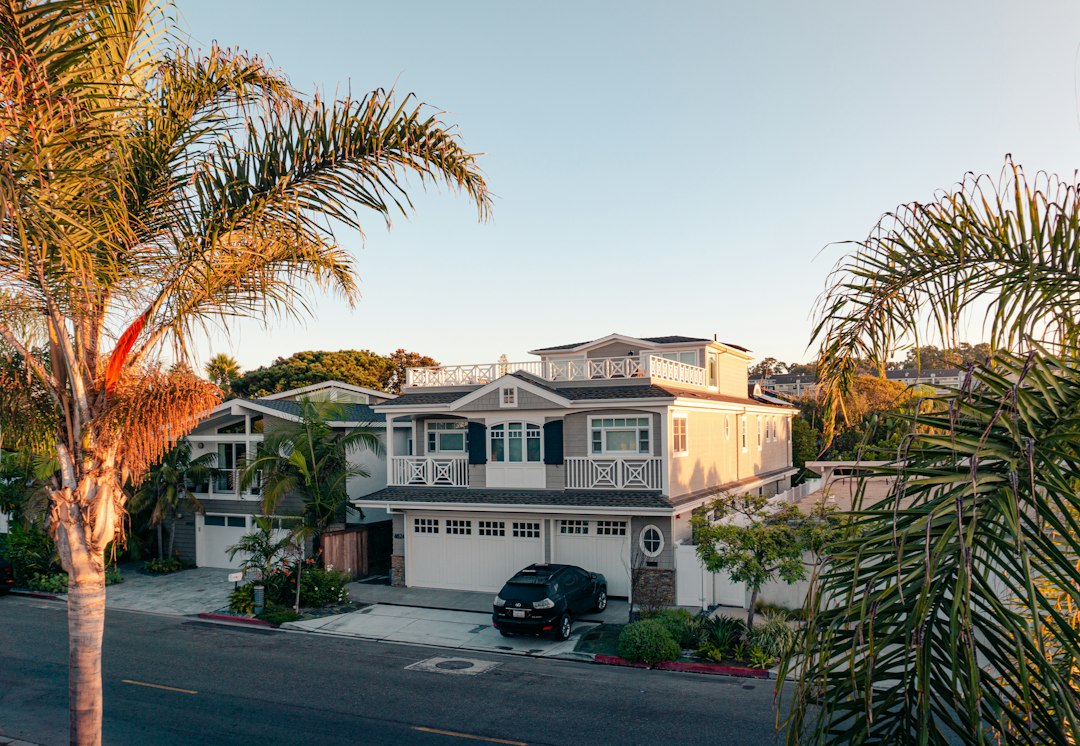
Inglewood runs one of the stricter rent and eviction control ordinances in Los Angeles County, and it applies to a much wider range of properties than most owners assume — including single-family homes and condos once they’re owned by an LLC, corporation, or REIT.
If you own a tenant-occupied property in Inglewood and you’re thinking about selling, the Housing Protection Ordinance (HPO) governs what you can charge, how you can end a tenancy, and what you owe a tenant on the way out, and none of those obligations pause just because the property is listed for sale.
The Ordinance, By Name and Number
Inglewood’s current rent and tenant protection law is Ordinance No. 21-09, adopted May 11, 2021 and effective June 10, 2021. It replaced an earlier version, Ordinance No. 20-03, which had taken effect December 5, 2019.
The current provisions sit in Chapter 8, Article 9 of the Inglewood Municipal Code (IMC), with specific sections governing termination notices (IMC 8-121), the duty to file those notices with the city (IMC 8-122), buyout agreements (IMC 8-123), rent increases (IMC 8-127 and 8-128), and security deposits (IMC 8-130).
Which Properties Are Covered — and Which Aren’t
The ordinance covers non-exempt rental housing broadly: non-owner-occupied duplexes, triplexes, fourplexes, buildings of five or more units, and — critically for a lot of sellers who don’t expect it — single-family homes and condos once the owner is a REIT, corporation, or LLC rather than a person.
Exempt categories include owner-occupied single-family homes and condos, an owner-occupied duplex where the owner lived in a unit before the tenant moved in, and residential construction completed within the past 15 years.
Properties in the Lennox area (ZIP 90304) fall under Los Angeles County’s rules instead of the city’s, since Lennox is an unincorporated county pocket, not part of Inglewood proper.
The ownership-structure exemption trips up a specific kind of seller: someone who bought a single-family rental through an LLC for liability protection, assuming — because it’s a single-family home — that it’s automatically outside rent control. It isn’t, once an entity rather than a natural person holds title.
How Much Rent Can Go Up, and How Often
The allowable annual increase depends on building size. For properties with five or more units, the cap is the greater of 3% or the change in the Los Angeles-Long Beach-Anaheim Consumer Price Index, measured April to April and published each mid-May.
For buildings with four units or fewer, the cap is 5% plus that same CPI change, capped at a maximum of 10% regardless of what CPI does. Vacant units carry no cap at all — an owner can reset rent to market rate between tenancies.
A standard annual increase within these caps requires no city approval, just 30 days’ written notice to the tenant.
Two other increase types do require Housing Protection Department approval before they take effect: a petition to raise rent further on units priced below 80% of Fair Market Rent (capped increases apply there too, phased in over successive 12-month periods until the unit reaches 81% of FMR), and a pass-through for qualifying capital improvements — hazardous-material abatement, or replacement of major systems with a useful life of five years or more, such as roofing, electrical, plumbing, or structural work.
Routine maintenance doesn’t qualify.
A landlord can also add up to 10% of base rent for each additional adult tenant not named on the original lease, excluding the first minor child and excluding any registration or capital-improvement charges, and a security deposit can rise alongside a rent increase by no more than $30 a month until it reaches the state-law maximum.
Just-Cause Protection Starts After 12 Months
Once a tenancy reaches 12 months, the ordinance requires a stated just cause to terminate it, and that cause has to appear in the written notice itself — either an at-fault reason (nonpayment, lease violation, nuisance, and similar grounds) or a no-fault reason (owner move-in, a permitted Ellis Act withdrawal, or a government-ordered vacancy, among others).
A lease that simply expires at the end of its term doesn’t by itself end the tenancy under the ordinance; a tenant who chooses to leave voluntarily when a lease ends isn’t entitled to relocation payments, since nothing forced them out.
Relocation Assistance for a No-Fault Termination
A no-fault termination triggers mandatory relocation assistance, and the amount is layered rather than flat. The base payment is three times the tenant’s monthly rent, plus an additional $2,000 if one or more minors live in the unit. On top of that base, exactly one additional tier applies, based on whichever status fits the tenant best (the highest applicable tier controls, the tiers don’t stack with each other):
- An adult tenant who has lived in the unit 2 to 4 years: an additional $2,000
- An adult tenant who has lived in the unit 5 to 10 years: an additional $3,000
- An adult tenant who has lived in the unit 11 years or more: an additional $5,000
- A tenant who is disabled or a senior (age 62 or older): an additional $7,500
On a unit renting for $2,200 a month with a long-term senior tenant, that works out to $6,600 (three times rent) plus $7,500 for the senior tier — $14,100 before accounting for any minors in the household. That is a real number a seller needs to plan for, not a formality.
Buyout Agreements Have Their Own Paperwork
An owner can offer a tenant a buyout instead of going through a formal no-fault termination, but the ordinance regulates that process too. Before any offer, the landlord must serve the tenant a written Buyout Agreement Disclosure explaining the tenant’s rights under the ordinance.
The eventual agreement must be in writing, include the required disclosure language, and offer the tenant at least what they would have received in relocation assistance under a formal no-fault termination — an owner can’t negotiate a buyout below that floor.
Once both parties sign, the landlord has three calendar days to give the tenant a copy and file the signed agreement and disclosure with the Housing Protection Department.
An agreement that doesn’t meet these requirements is unenforceable, the tenant can rescind it at any time, and retaliating against a tenant for refusing or rescinding a buyout is prohibited outright.
The Filing Duty That’s Easy to Miss
IMC 8-122 requires a landlord to file a copy of any cure notice and any termination notice with the city’s Housing Protection Department within three days of serving it on the tenant.
This is a separate step from serving the tenant — serving the notice alone doesn’t satisfy the ordinance.
A seller who served a termination notice correctly but never filed the copy with the city can end up with a defective termination on paper, which becomes a real problem if a sale is riding on vacant possession by a certain date.
The Entire-Building Rule for Ellis Act Withdrawals
An owner looking to exit the rental business under the state Ellis Act (Government Code Sections 7060 through 7060.7) cannot withdraw a single unit from a multi-unit building and keep renting out the rest. The entire property has to come off the rental market together.
This matters to a seller considering Ellis Act withdrawal specifically to deliver one vacant unit to a buyer — Inglewood’s ordinance doesn’t permit a partial withdrawal, so the only route is clearing the whole building.
How This Interacts With Statewide Protections
California’s statewide Tenant Protection Act (AB 1482, Civil Code Section 1946.2) sets a baseline just-cause and rent-cap floor for most of the state, but it explicitly allows a local ordinance to apply instead where that ordinance is more protective of tenants.
Inglewood’s HPO is more protective in several respects — its just-cause threshold kicks in at 12 months rather than the state’s 12-month-plus-specific-occupancy rules, its relocation tiers can exceed the state’s flat one-month-rent baseline by a wide margin once tenure or senior/disability status is factored in, and its filing requirements go further than anything AB 1482 mandates on its own.
In practice, a landlord in Inglewood complies with the local ordinance, not the state minimum, because the local rule controls wherever it’s stricter.
Capital Improvement Pass-Throughs: What Qualifies and What Doesn’t
Owners sometimes assume any upgrade justifies an added rent charge beyond the annual cap. The ordinance draws a specific line.
Qualifying capital improvements include hazardous-material abatement — removing lead paint, mold, or asbestos — and the addition or replacement of major building systems with a useful life of five years or more: structural repairs, electrical rewiring, plumbing replacement, HVAC systems, and roofing are the typical examples.
Routine maintenance and cosmetic work — repainting, replacing worn carpet, swapping fixtures that still functioned — doesn’t qualify no matter how much it improves the unit’s appearance or marketability.
A seller planning to pass through the cost of recent work before a sale needs City approval for the pass-through itself; it isn’t something an owner can simply decide to add to the rent roll and disclose to a buyer after the fact.
What the Ordinance Does Not Cover
It’s worth being precise about the boundary, since sellers sometimes assume the ordinance reaches further than it does.
A property that is genuinely owner-occupied — where the owner lives in one unit of a duplex and rents the other, and lived there before the current tenant moved in — falls outside the rent and eviction rules entirely, which is a meaningfully different legal position than a non-owner-occupied duplex held by the same person.
Likewise, a building completed within the past 15 years is exempt regardless of who owns it, reflecting the same new-construction exemption built into most California rent control schemes to avoid discouraging new housing supply.
And because Lennox sits outside Inglewood’s city limits despite sharing a ZIP code with parts of the city, a property there is governed by Los Angeles County’s rent stabilization rules, not Inglewood’s — a distinction worth confirming with the Assessor’s parcel records rather than assuming based on mailing address alone.
A Working Example
An owner holds a fourplex in Inglewood through an LLC and wants to sell with one unit delivered vacant so a buyer can move in.
The tenant in that unit has lived there for six years and has no lease violations — any termination has to be no-fault, most likely an owner-move-in notice on the buyer’s behalf if the sale and move-in are coordinated that way, or an Ellis Act withdrawal of the whole fourplex if the owner intends to exit the rental business before selling.
If it’s a no-fault termination, relocation assistance is due: three times the unit’s monthly rent, plus $3,000 for the tenant’s five-to-ten-year tenure tier (no minors or senior/disability status in this example).
The termination notice must state the cause, be filed with the Housing Protection Department within three days of being served on the tenant, and the relocation payment has to be made according to the ordinance’s timing rules — this isn’t something that can be handled informally at closing.
Disclosing the Tenancy to a Buyer
A tenancy governed by the HPO doesn’t end when the property sells — it transfers with the building. A buyer takes the property subject to the existing lease, the existing rent-increase history, and any pending notices or buyout discussions already in motion.
Sellers should disclose the full tenancy history, including any prior rent increases and their dates, so a buyer can confirm the increases fell within the applicable cap, and any outstanding notice filings with the Housing Protection Department, so the buyer isn’t blindsided by an open process they didn’t know they inherited.
Pre-Listing Checklist for a Tenant-Occupied Inglewood Property
- Confirm whether the property is actually covered — check ownership structure (entity vs. individual), unit count, construction age, and whether it falls in the Lennox carve-out before assuming the ordinance applies or doesn’t.
- Pull the tenant’s full rent history and confirm every past increase stayed within the applicable annual cap for that building size.
- If a termination is planned before closing, confirm the stated cause, calculate the correct relocation tier, and file the notice with the Housing Protection Department within three days of service.
- If a buyout is being negotiated instead, serve the Buyout Agreement Disclosure first, and don’t offer less than the formal relocation amount the tenant would otherwise be owed.
- Disclose the full tenancy — rent history, any pending notices, and any buyout discussions — to the buyer in writing before close of escrow.
Enforcement and What a Defective Process Costs
A termination notice that doesn’t state a valid cause, or that’s served without the required filing, is vulnerable to challenge, which can mean a tenant keeps possession well past the date a seller needs it vacated.
A buyout that skips the disclosure requirement or pays less than the ordinance’s relocation floor can be rescinded by the tenant, unwinding an agreement a seller may have already relied on in setting a closing date.
Retaliation claims — evicting or raising rent in response to a tenant asserting their rights under the ordinance — carry their own exposure independent of the underlying termination or rent dispute.
None of this is designed to be worked around at the last minute; it has to be built into the timeline from the point a seller first decides to list.
When Selling to a Cash Buyer Is the Wrong Move
None of the HPO’s requirements are a reason, by themselves, to sell to a cash buyer rather than list the property traditionally.
If the tenancy is stable, the rent is at or near market, and there’s no urgency to deliver the unit vacant, a traditional sale with the tenant in place — or a standard listing after a lawful, properly filed termination — will often net more money than a fast cash sale, even with the relocation and filing steps built in.
A cash sale makes more sense when the priority is speed and certainty: an inherited tenant-occupied property with multiple heirs who need resolution quickly, a landlord who doesn’t want to manage a contested termination or buyout negotiation personally, or a situation where the cost and delay of bringing the property up to a traditional buyer’s standards outweighs the convenience. If none of those apply, a traditional listing is worth exploring first.
Getting a Cash Offer on a Tenant-Occupied Inglewood Property
Cash Home Buyers CA buys tenant-occupied property in Inglewood as-is, with the tenancy in place if that’s simpler than pursuing a termination or buyout before closing.
We also work with landlords navigating a no-fault eviction elsewhere in California, sellers weighing a cash-for-keys agreement against a formal termination, and Los Angeles landlords dealing with REAP program requirements on a separate property.
You can look up our track record on our profile on Google Business, or call (424) 435-2326 for a no-obligation cash offer.