
Does Selling an East Palo Alto Rental Exempt You From Just Cause?
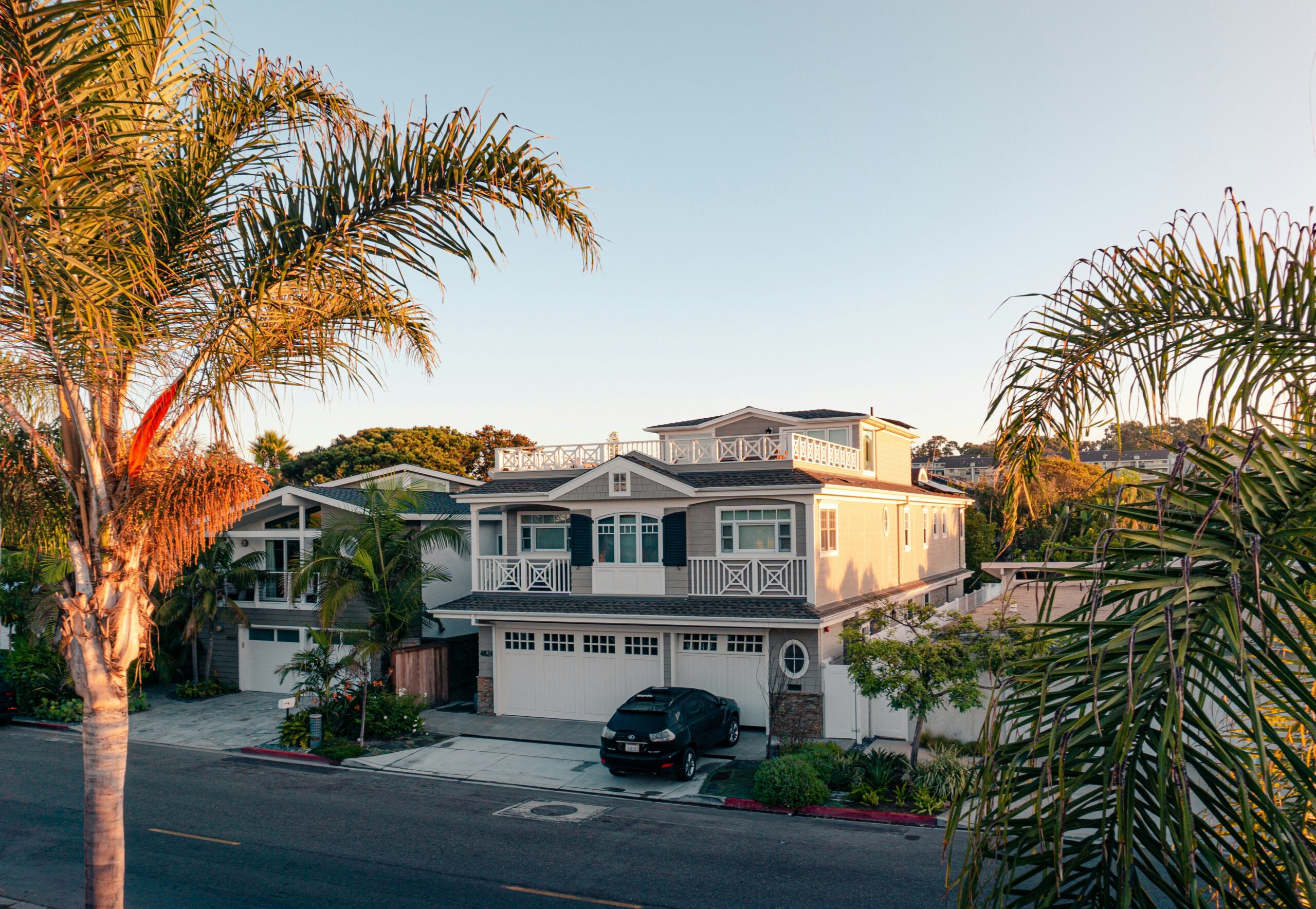
No. Selling the property does not change the obligation to follow the city’s Just Cause Eviction ordinance. There are no exemptions in the ordinance based on a change in ownership.
Additionally, there is nothing in the city’s information that suggests the sale of the property changes the obligation to adhere to the Just Cause Eviction ordinance.
If you are a landlord in East Palo Alto and you are considering the sale of your property, here is what actually occurs with a sale of the property based on the city’s requirements, not based on the statewide requirements that are in effect throughout the rest of California.
Two Separate Ordinances, Two Different Years
East Palo Alto voters adopted rent and eviction protections in two separate ordinances. The 1988 Ordinance applies specifically to mobile home park tenancies.
The 2010 Ordinance is the one that applies to most residential rental units in the city, including the single-family homes and small apartment buildings most sellers are actually dealing with.
The two run on different rules, so a landlord who owns both a mobile home park pad and a conventional rental house in the city is managing two separate sets of obligations, not one.
Single-Family Homes Are Not Exempt
This is the detail that trips up the most sellers coming from cities where single-family homes are carved out of local rent control.
East Palo Alto’s own landlord guidance states plainly, in its own capitalized emphasis, that single-family homes are not exempt from the Just Cause Required for Eviction Ordinance.
Some rent-cap provisions in the ordinance do distinguish by building age and unit count, but the just-cause eviction protections themselves cover single-family rentals in East Palo Alto in a way they often do not in neighboring cities and under the statewide Tenant Protection Act.
A buyer who assumes a single-family rental is easier to clear of tenants than an apartment building, because that is how it works elsewhere, is working from the wrong rulebook here.
The Rent Cap: Annual General Adjustments, Not a Flat Percentage
Rather than a single statewide-style percentage cap, East Palo Alto’s own Rent Stabilization Program sets an Annual General Adjustment, or AGA, each year, and the city’s landlord guidance limits increases to “the approved Annual General Adjustments (AGA) and/or properly banked AGAs,” with no more than one increase allowed per year.
A landlord cannot simply pick a number; the allowable increase is the figure the Rent Program actually publishes for that year, and any unused AGA from a prior year can sometimes be banked and applied later rather than being lost.
According to a tenant-side law firm’s summary of the municipal code, the underlying formula ties the AGA to roughly 80 percent of the change in the Consumer Price Index for the San Francisco-Oakland-San Jose area, capped at 10 percent in any twelve-month period, though sellers and buyers should confirm the current year’s published AGA directly with the Rent Program rather than relying on a formula alone, since the city publishes the actual number annually.
Increase notices themselves require 30 days’ written advance notice to the tenant, using the city’s own Rent Increase Notice Form, with a copy sent to the Rent Program within 10 business days of the notice going out.
What Actually Counts as Just Cause
The 2010 Ordinance lists more than a dozen separate grounds that qualify as just cause to terminate a tenancy in East Palo Alto, covering the familiar categories — failure to pay rent, lease violations, and so on — alongside no-fault grounds including Ellis Act withdrawal, demolition of the property, owner or qualifying relative move-in, and compliance with a government order to vacate.
A sale, by itself, is not on that list. Whoever owns the property after closing still has to identify one of the ordinance’s actual grounds before terminating any existing tenancy, exactly as the seller would have had to before listing the house.
Owner Move-In Has Its Own Specific Requirements
A buyer who wants to move in personally after closing cannot simply tell the sitting tenant to leave because they bought the house.
Under the ordinance’s owner-move-in provisions, the owner or a qualifying relative generally has to move into the unit within two months of the tenant vacating and live there as their principal residence for at least one year, the owner has to hold at least a 50 percent ownership interest in the property, and there has to be no vacant comparable unit already available for that owner or relative to occupy instead.
A buyer closing on an East Palo Alto rental with the stated intent to move in needs to satisfy every part of that test, not just the general idea of wanting to live there — and none of it is waived or simplified because a sale, rather than an existing landlord’s own decision, triggered the situation.
Relocation Payments Are Narrower Than Some Sellers Expect
East Palo Alto’s relocation-assistance requirement is specific to certain no-fault grounds rather than applying across every eviction category.
According to the same municipal-code summary, the ordinance provides relocation assistance only for Ellis Act withdrawals and demolition-related evictions, and it is silent on relocation for other no-fault categories such as an owner-move-in eviction.
Where relocation assistance does apply, the figures cited are $7,500 for a tenant who has lived in the unit less than two years and $10,000 for two years or more, with an additional $2,500 for households that include a low-income member, a minor, a person with a disability, someone 62 or older, or someone who is terminally ill.
Ellis Act withdrawals themselves require 120 days’ notice to the tenant, extended to one year for a tenant who is 62 or older or disabled.
A seller or buyer counting on a flat relocation number across every type of no-fault termination in East Palo Alto is working from an incomplete picture of what the ordinance actually requires.
Registration, Reporting, and the Paper Trail a Sale Doesn’t Erase
East Palo Alto’s Rent Stabilization Program, based at 2415 University Avenue in East Palo Alto, requires landlords to register all rental units annually by January 1 of each year, and to notify the program of any Change in Tenancy within 30 days after a new tenancy begins, filing a Change in Tenancy or Vacancy Registration along with the signed lease and a signed Notice of Ordinance acknowledging the tenant’s rights under it.
Landlords also have to file eviction-related notices and unlawful detainer complaints with the Rent Program within five days of serving the tenant, and provide a tenant’s rent-payment ledger on request.
None of these obligations disappear at closing — they attach to whoever is the landlord at the time, which means a buyer inherits an active registration requirement, not a clean slate, the moment they take title to an occupied rental.
What a Sale Transaction Still Has to Account For
Because the ordinance does not list a sale or change of ownership as its own category of just cause or as an exemption, the practical sequence for an East Palo Alto rental with tenants in place is straightforward in outline even where it is detailed in practice: the existing tenancy, lease terms, security deposit, and the unit’s registration status with the Rent Program all carry over to the new owner at closing exactly as they stood beforehand, unless and until the new owner has an actual just-cause ground to end the tenancy and follows the ordinance’s own notice and filing requirements to do it.
A buyer who wants vacant possession at closing, rather than inheriting a tenancy, needs that resolved with the current tenant before the sale closes — not afterward, and not simply by virtue of a new name on the deed.
Title companies and real estate agents working this type of sale in East Palo Alto should flag the occupied status early in the transaction, since it affects financing options, inspection access, and how quickly the deal can realistically close.
Temporary Relocation for Repairs Is a Separate Obligation
Beyond the no-fault eviction categories, East Palo Alto’s ordinance also addresses temporary relocation when repairs are needed to bring a unit into code compliance or to satisfy a government order — a different situation from permanently ending a tenancy.
Under that provision, a landlord has to offer the displaced tenant alternate housing within fifteen miles of their unit and cover the cost of it while the repairs are underway, with the tenant returning to the original unit once the work is finished rather than losing the tenancy outright.
A buyer who plans to do significant work on an occupied East Palo Alto rental right after closing — rather than waiting for a vacancy — needs to budget for this obligation specifically, since it is not optional and is not satisfied simply by giving notice that repairs are coming.
A Practical Timeline for Selling an Occupied Rental Here
Most sellers in this position end up choosing between two paths, and the ordinance itself does not favor one over the other.
The first is selling with the tenancy fully intact and disclosed, letting the buyer step into the landlord’s shoes with the registration, lease, and any banked AGA carrying over exactly as they stood at closing — this usually moves fastest, since nothing about the tenancy has to be resolved before the sale can close.
The second is resolving the tenancy before listing, which only works if an actual just-cause ground already exists — the seller is withdrawing the unit from the rental market under the Ellis Act, for example, or has their own qualifying move-in plan that simply never happens because the sale intervenes — and even then requires following the ordinance’s own notice periods and relocation-payment rules before the property can be marketed vacant.
Trying to clear a tenancy without an actual qualifying ground, hoping a sale alone will do it, is the path most likely to end in a contested unlawful detainer action that delays the sale far longer than simply selling the property occupied would have.
Neighboring Cities Run Their Own Separate Programs
East Palo Alto is not the only San Mateo County city with its own local rent and eviction rules layered on top of the statewide baseline.
Neighboring Menlo Park maintains its own published rent limits and just-cause eviction protections as well, with its own figures and administering department separate from East Palo Alto’s Rent Stabilization Program.
A seller or buyer moving between these cities should never assume one city’s numbers, notice periods, or registration requirements apply just across a shared border — each city’s ordinance has to be checked on its own terms, the same way East Palo Alto’s does here.
How This Compares to Nearby Cities
East Palo Alto’s own ordinance sits in San Mateo County, a county with its own mix of cities that run local rent and just-cause programs and cities that rely on the statewide baseline alone.
We’ve covered how California’s statewide eviction rules interact with a home sale more broadly in California Tenants and a Home Sale: Leases, Deposits, Showings and Just Cause.
For how a no-fault termination generally intersects with an attempted sale, see No-Fault Eviction in California: What It Means If You’re Trying to Sell, and the mechanics of one specific no-fault category that shows up in East Palo Alto’s own ordinance in Ellis Act Eviction in California: What Landlords Should Know.
If the tenant has signed an estoppel certificate as part of a prior transaction, that document and the obligations it confirms carry into a new sale the same way the underlying ordinance does — see Tenant Estoppel Certificates in California: What Sellers Need to Know for how that works.
The Security Deposit Transfers, It Doesn’t Reset
Separate from the ordinance itself, California’s statewide landlord-tenant law under Civil Code §1950.5 requires a seller to either transfer the tenant’s security deposit to the new owner at closing, with a signed statement showing the amount, or return the deposit to the tenant directly along with an accounting of any deductions — one or the other has to happen, and escrow instructions in a tenant-occupied sale should specify which path applies well before closing.
In East Palo Alto, this statewide requirement sits alongside the Rent Program’s own Change in Tenancy filing, which means a buyer taking over an occupied unit is dealing with both a transferred deposit and a registration update at the same time, not just one or the other.
Sellers who leave this undocumented at closing create exactly the kind of dispute that can surface months later when the tenant eventually moves out and nobody can agree on what deposit amount the new owner actually received.
Before You List a Tenant-Occupied House
- Confirm the unit’s current registration status with the Rent Stabilization Program before marketing the property
- Pull the current year’s published Annual General Adjustment rather than assuming a flat statewide percentage applies
- If a buyer plans to move in, confirm they can actually meet the 50 percent ownership and one-year occupancy requirements before relying on that as an exit strategy for the tenant
- Disclose the active tenancy, lease terms and any relocation obligations clearly to a prospective buyer well before closing
Nothing in this process makes selling your East Palo Alto rental property difficult. Occupied rental property in rent-stabilized cities throughout California, including elsewhere in San Mateo County, is sold to new buyers all the time.
The sale still has to be structured to meet the requirements of the East Palo Alto Just Cause Eviction Ordinance, and the tenancy, the registration status, and any pending AGA need to be disclosed and accounted for in the purchase agreement rather than discovered by the buyer after closing.
Selling a tenant-occupied house under a local ordinance like East Palo Alto’s just-cause program is exactly the kind of transaction where a buyer who already understands these rules is worth more than one who finds out about them after escrow opens.
Cash Home Buyers CA can make a no-obligation cash offer on an East Palo Alto rental with tenants in place and work within the ordinance’s own notice and registration requirements rather than asking you to clear the tenancy first.
We also buy from owners of tenant-occupied houses elsewhere in San Mateo County, and you can see our Google Business Profile before you reach out. We can close on the timeline the existing tenancy actually allows, rather than asking you to resolve it first.