
Compton’s Substandard Building Ordinance, Explained
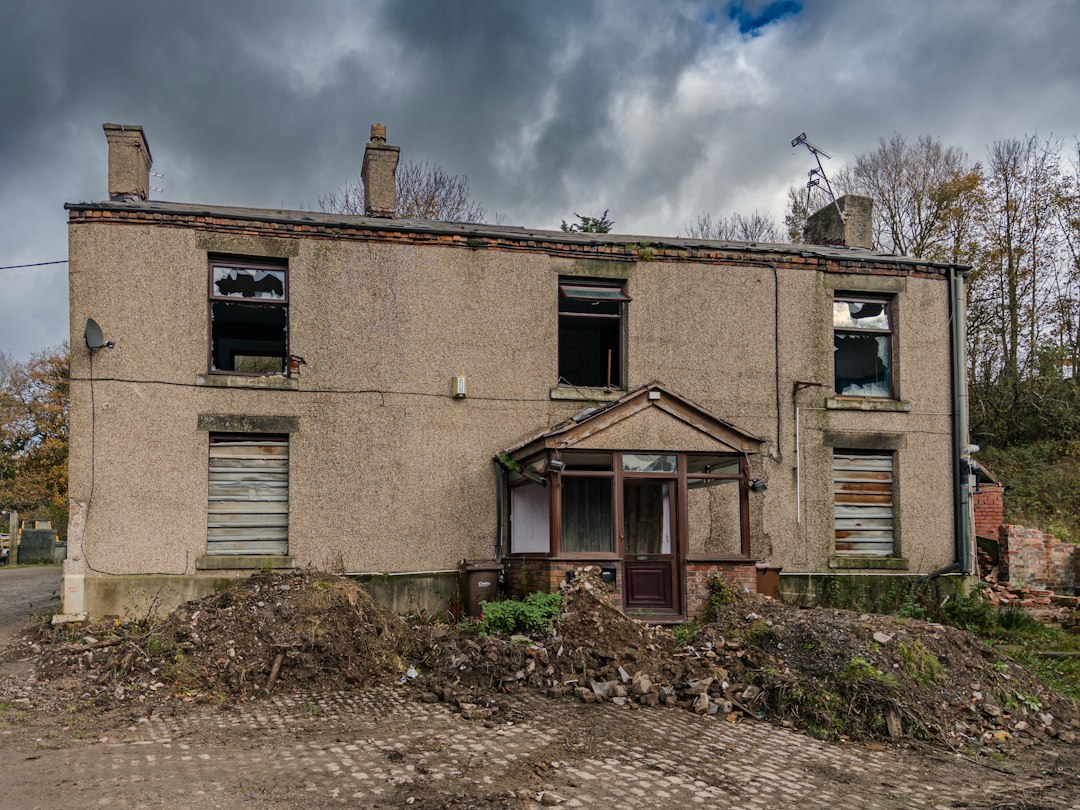
Compton can order a dangerous or substandard house secured, repaired, or torn down, and if the owner misses the deadline, the city can do the work itself and bill the full cost back as a lien on the property.
This mechanism lives in Compton Municipal Code Chapter 14, “Remedial Residential Regulations, Unreinforced Masonry Walls, and Flood Plain Management,” and it works a lot like a nuisance abatement lien works the same way statewide, except Compton’s version has its own numbered sections, its own notice periods, and its own hearing process that a seller needs to understand before signing anything.
How a Compton House Gets Labeled Dangerous or Substandard
Section 14-3.2 of the Municipal Code defines a “dangerous building” by listing roughly seventeen separate conditions, anything from inadequate exits and structural overstress to fire hazards and buildings that have sat unsecured and open to trespassers for more than six months.
A “substandard residential building” is defined by cross-reference to the California Building Code’s housing provisions, covering things like faulty wiring, lack of sanitation, dampness, dilapidation, and inadequate maintenance that makes a unit unfit for human habitation.
Section 14-3.4 goes a step further and declares any building meeting either definition a public nuisance, which is the legal hook that lets the city act against the property rather than just citing the owner.
An inspection can start in several ways under Section 14-3.5: the Building and Safety Department can open a case on its own initiative, the Housing Authority can recommend one, a verified complaint from a neighbor or tenant can trigger it, or the Fire Department, Police Department, or County Health Department can file a written report.
Compton’s housing stock skews older than many of its neighbors. The city incorporated on May 11, 1888, making it the eighth city formed in Los Angeles County, and its residential blocks still carry a large share of homes built well before modern wiring, foundation, and fire-separation standards existed.
That age is exactly the profile that tends to draw a Building and Safety inspection after a complaint, an insurance claim, or a code sweep tied to a nearby property.
It’s also worth being specific about what the two definitions are not. A “dangerous building” finding under Section 14-3.2 is generally about an immediate threat, structural failure, exit blockage, fire exposure, or a structure left open to trespassers.
A “substandard” finding is broader and slower-moving: deferred maintenance, outdated systems, dampness, and sanitation problems that add up over years rather than overnight.
A single property can get tagged under either definition alone or both at once, and which one applies changes everything downstream, because it drives whether the Building Official’s eventual order calls for repair, a vacate order with occupants required to leave, or outright demolition.
The Notice-and-Hearing Track Under Section 14-3
Once an inspector files a written report under Section 14-3.6, the city has to give the owner formal notice before anything else happens. Section 14-3.8 requires that notice to state the property address, its legal description, the specific defects found, and the date, time, and place of a hearing.
Section 14-3.9 and Section 14-3.10 require that notice to be posted on the building itself and served on the record owner, any person in actual control of the property, lienholders of record, lessees, and anyone else with a recorded interest.
Service under Section 14-3.12 can be personal or by certified or registered mail, and the city has to file an affidavit proving it happened.
Section 14-3.13 sets the clock: notice has to be posted and served at least ten days before the hearing date.
At the hearing, the Housing Advisory and Appeals Board or a designated Hearing Officer takes evidence and is required under Section 14-3.18 to issue written findings within sixty days after the hearing concludes.
Those findings can go one of three ways under the standards in Section 14-3.16: repair, if the structure is reasonably repairable; vacate, if it is dangerous to occupants but not an immediate fire or collapse risk; or demolish, if repair isn’t reasonable, including cases where damage or deterioration affects roughly half or more of the structure.
Who Signs the Order and How Fast Work Has to Start
The Building Official, not the Board, is the one who actually signs the repair, vacate, or demolish order under Section 14-3.19. Section 14-3.20 spells out what that order has to contain: the address and legal description, the specific violations, and the required scope of work.
The timing is the part that catches sellers off guard. Work has to begin no sooner than ten days and no later than thirty days after the order is served, and it has to be carried through to completion within a reasonable time after that.
An owner with a genuine reason for delay can ask for an extension of the start date, and the code allows up to 120 days, but only where there’s no imminent risk to the public and the Building Official agrees to it in writing.
If the Fire Department or County Health Department gets pulled in for a supplemental inspection under Section 14-3.17, their report is due back within five days of the request, which is one more reason these cases can move faster than people expect once a file is opened.
The Appeal Window: Ten Days, Then It’s Final
Section 14-3.22 gives the owner, or any other person with a recorded interest, exactly ten days after service of the order to file a written appeal with the Board or Hearing Officer. If nobody appeals, the order becomes final on the eleventh day, automatically, with no further notice required.
Section 14-3.23 makes it a misdemeanor to ignore a final order: occupying a building after a vacate order, failing to perform the required repair or demolition, or tearing down a posted notice are all separately punishable.
Utility companies are also barred from restoring service to a posted building until the Building Official clears it, which matters a lot if a property has been sitting vacant with the gas or power shut off.
This is the point in the process where a lot of owners first look seriously at selling. The problem is that the ten-day appeal clock doesn’t pause for a listing, a showing schedule, or escrow.
An owner who wants to sell instead of complying still has to either finish the work, get a formal extension from the Building Official, or accept that the order becomes final and enforceable while the house is on the market.
What Happens When Compton Does the Work Itself
Section 14-3.24 is the enforcement backstop. If the deadline in the final order passes and nothing has been done, the Department can either sell salvageable materials from the structure, conditioned on demolition, or have the city itself repair or demolish the building.
Before the city acts, it has to give notice, and under the code the city cannot solicit contractor bids any sooner than ten days after that notice goes out.
Section 14-3.25 adds a wrinkle that trips people up: once the city has started soliciting bids, the owner forfeits the right to do the work independently, and a $50 charge attaches if the owner tries anyway after that point.
The money for this work comes out of a dedicated Repair and Demolition Fund created under Section 14-3.26, which the City Council can seed with a General Fund loan that gets repaid from the assessments collected afterward. In other words, the city isn’t waiting for the owner to pay up front. It fronts the cost and then collects.
From Unpaid Bill to Recorded Lien: Section 14-3.27 and 14-3.28
Section 14-3.27 lets the Department assess the full cost of the repair or demolition against the property, and it tacks on an administrative charge of up to 30 percent of the cost, with a minimum charge of $100 regardless of how small the job was.
Section 14-3.28 is where that bill turns into a lien. The Department files a cost report with the City Clerk, and the City Council has to give at least ten days’ notice before the confirmation hearing on that report.
The owner can file a written protest before the hearing, and the Council can confirm, reduce, or revise the assessment at that hearing.
Once confirmed, the assessment gets recorded with the County Recorder and added directly to the property tax bill.
From that point it functions as a lien: subordinate to any special assessment liens that existed first, but senior to most other liens and encumbrances, with only state, county, and municipal tax liens sharing equal priority.
An owner has thirty days after the assessment is recorded to bring a legal challenge, and an appeal from any resulting judgment has to be filed within thirty days of entry.
For assessments of $50 or more, the Council has discretion to allow payment over as many as five annual installments, with interest capped at 6 percent per year starting thirty days after recording.
None of that changes the basic fact that the lien attaches to the property itself, not just to the person who owned it when the work was done, which is exactly why title and escrow companies flag these records during a sale.
The Older, Narrower Rule for a Vacant and Unsecured House
Separate from the substandard-building hearing track, Compton has kept a shorter, older mechanism aimed specifically at vacant structures.
Section 14-1.20, added by Ordinance No. 1331, lets the Building Official act whenever an unoccupied building isn’t properly secured and has become accessible to trespassers in a way that creates a health, fire, or safety hazard for the surrounding block.
Section 14-1.21, added by Ordinance No. 1433, sets the actual standard for how the building has to be closed up, specifying three-eighths-inch plywood with an exterior-grade finish unless the Building Official approves an equal or better alternative.
Section 14-1.22 is the enforcement piece: the owner or person in control has to secure the building right away, and has ten days after service of the notice to file a written demand for a hearing if they want to contest it.
If the building still isn’t secured within ten days and no timely hearing request has been filed, the city can step in and do the securing work at the owner’s expense.
The lien provisions here work the same way as the broader Section 14-3 process, recorded against the property, though Section 14-1.31 specifically protects lenders or other recorded interest holders who were never served notice in the first place by keeping the city’s lien subordinate to theirs.
What to Pull Before Listing a Troubled Compton Property
Anyone who inherits a Compton house, or who has owned one long enough to lose track of its condition, should treat code enforcement history as a required part of due diligence, the same way they’d treat a lien search.
A house doesn’t have to be condemned for this to matter; open violations and unresolved permits can sit quietly for years and then surface the moment a buyer’s lender orders a full inspection or a title search.
- Request the Building and Safety Department’s code enforcement file for the parcel, including any Section 14-3 notices, hearing findings, repair/vacate/demolish orders, and whether any order has already become final.
- Check for open or expired permits tied to past work, since unpermitted work carries its own disclosure obligations under California law separate from any city enforcement action.
- Run a current title and lien report to see whether a cost assessment has already been recorded against the property under Section 14-3.28, since that debt follows the house, not the person who incurred it.
- Note any deadlines already running, including the ten-day appeal window and the ten-to-thirty-day work-start window, so you know exactly how much time is actually left before deciding how to sell.
- Get a straight answer from a qualified contractor on whether the violation can be cleared quickly and cheaply, which changes the math on whether a discounted sale even makes sense.
None of this is optional disclosure territory, either. California sellers already have to disclose known material defects, and selling a house with known code violations in California comes with its own set of disclosure forms and risks regardless of who the buyer turns out to be.
A pending Section 14-3 order or a recorded cost assessment is the kind of thing that belongs in that disclosure, not something to discover after the fact.
Heirs are in a particularly exposed spot here, because the code enforcement clock doesn’t stop running just because a property is sitting in probate.
A notice served on a deceased owner, or on an estate that hasn’t opened probate yet, can still move toward a final order and a recorded assessment while the family is working out who has authority to act.
If a parent or relative’s house in Compton has had any history of calls from the city, a code enforcement complaint from a neighbor, or a boarded window that drew attention from Building and Safety, that history should be one of the first things an heir checks, well before signing a listing agreement or accepting any offer on the property.
When a Discounted Cash Sale Is Not the Right Call
It’s worth saying plainly: not every Compton property with a code issue belongs in a fast, as-is sale.
If the finding is something narrow and inexpensive, a missing handrail, a broken window that triggered the Section 14-1.20 vacant-building notice, a water heater without proper strapping, the smarter financial move is often to fix the specific item, close out the case with Building and Safety, and list the property on the open market where it can compete for full retail offers.
Discounting a house by tens of thousands of dollars to avoid a repair that costs a few thousand dollars rarely makes sense, and a seller who hasn’t checked the actual scope of the violation has no way to know which situation they’re in.
A cash sale earns its keep in the opposite scenario: when the order covers structural work, a full demolition finding, or multiple stacked violations that would take real time and money to clear before a lender would even approve financing for a buyer, or when an heir simply doesn’t have the capital, the local contacts, or the bandwidth to manage a repair-and-permit process on a deadline set by the city rather than by them.
The honest version of this advice is that the ordinance itself, not a sales pitch, should be the thing that tells a seller which path fits their situation.
Code enforcement deadlines in Compton move fast once a case is opened, and a recorded cost assessment doesn’t disappear just because the property changes hands.
If you want a no-obligation cash offer from a buyer who deals with open violations and pending orders regularly, Cash Home Buyers CA can make one, including on a Compton property you need to move as-is.
When you sell to us, we pay the standard closing costs, including the county and city transfer taxes, escrow and title, and we buy directly or bring a vetted cash buyer who can close on a timeline that works around whatever the city’s deadlines actually are.
If you’d like to see more about how we work before reaching out, you can find Cash Home Buyers CA on Google.