
Santa Clara County Property Tax Guide for Homeowners and Sellers
- Behind on property taxes, inherited homes, repairs — we buy it
- Zero fees, zero commissions, zero closing costs
- No obligation — turn the offer down and owe us nothing
Owe Property Taxes? Get a Cash Offer Before the Next Deadline
Unpaid Santa Clara County property taxes are paid from your sale proceeds at closing. Tell us about the property and get a written cash offer.
Last updated November 13, 2026. Figures come from the Santa Clara County Department of Tax and Collections, the California State Board of Equalization and California Revenue and Taxation Code section 11911; sources are listed at the end.
Santa Clara County property tax is limited to 1 percent of assessed value plus voter-approved taxes and assessments, billed in two installments that go late after December 10 and April 10. Each late installment carries a 10 percent penalty and a $20 cost. If you sell, unpaid taxes are paid from your proceeds at closing.
This guide covers the Santa Clara County deadlines, penalties and how to sell a house in Santa Clara County when you owe taxes.
Santa Clara County property tax at a glance
| General levy | Limited to 1% of assessed value, plus voter-approved special taxes and city or district assessments |
| Bills mailed | No later than November 1 |
| First installment | Due November 1; 10% penalty plus $20 cost after December 10 |
| Second installment | Due February 1; 10% penalty plus $20 cost after April 10 |
| Default | Unpaid at 5 p.m. June 30: $30 redemption fee and 1.5% a month |
| Phone | (408) 808-7900 (Department of Tax and Collections) |
| Transfer tax when you sell | $0.55 per $500 of the sale price under state law (R&T 11911); some cities add their own tax |
When are Santa Clara County property taxes due?
The first installment is due November 1 and the second February 1, but the county gives you until December 10 and April 10 before penalties apply. If either date falls on a weekend or a County of Santa Clara holiday, the delinquent date moves to the next business day. For the 2026-27 bill, the first deadline is Thursday, December 10, 2026, and because April 10, 2027 falls on a Saturday, the second moves to Monday, April 12, 2027.
- Mailed payments need a U.S. Postal Service postmark on or before the deadline. A private postage meter date does not count.
- Not receiving a bill does not excuse penalties, so call the county if your bill has not arrived.
- The first installment must be paid in full before any payment goes to the second.
How much is property tax in Santa Clara County?
The county explains that the general tax levy is limited to 1 percent of your property’s assessed value, set by state law.
The assessed value is generally the market value when you bought, and it rises no more than 2 percent a year until the property is sold or new construction is completed, when it is reassessed.
Neither the Board of Supervisors nor the Tax Collector sets the amount; the Assessor sets the value and the Controller applies the rates. A long-held home can carry a bill far below what a new buyer will pay.
Santa Clara County property tax late-payment calculator
Enter an unpaid installment to see the 10 percent penalty and the $20 cost. Use the figures from your own bill.
Estimate only. Uses the 10% penalty and $20 cost the county lists for each installment. Taxes unpaid at June 30 add more charges.
How do I pay my Santa Clara County property taxes?
- Online: by credit or debit card or eCheck. The county lists a 2.22% card fee (minimum $1.49) and no fee for eCheck, and an $85 fee if a payment is returned unpaid.
- By mail: with a U.S. Postal Service postmark on or before the deadline.
- Partial payments: allowed online, but the full installment must be paid by the deadline to avoid a penalty on the remaining balance.
- Questions: call (408) 808-7900.
What happens if I don’t pay property taxes in Santa Clara County?
A late installment adds a 10 percent penalty plus a $20 cost, so a $3,000 installment becomes $3,320. Taxes still unpaid at 5 p.m. on June 30 go onto the defaulted tax file, where a $30 redemption fee is added and 1.5 percent a month accrues until they are paid.
The county notes that a secured tax is a lien on the property, and if it stays unpaid for five years the property may be sold to cover the taxes.
The county also offers a penalty cancellation request and an installment plan for redeeming defaulted taxes, with a minimum of 20 percent due each year by April 10.
What is a supplemental tax bill in Santa Clara County?
A supplemental bill is an extra secured tax bill issued when a sale or new construction triggers reassessment. The county prorates the difference between the old and new value by the months left in the fiscal year. Most arrive within nine months, with a notice about 60 days earlier.
Lenders do not receive supplemental bills, so if you pay through an impound account, ask your lender who will pay it; penalties are not excused over that misunderstanding. If you inherited a home, read how we buy houses in Santa Clara County.
How to sell a house in Santa Clara County when you owe property taxes
You can sell a house with unpaid property taxes. They are a lien, so escrow pays what is owed from your proceeds and the buyer receives the property with taxes current.
- Get your payoff figure. Call (408) 808-7900 and ask for the amount owed in the month you expect to close.
- Expect proration. The current year’s bill is split between you and the buyer by the closing date.
- Budget for transfer tax. State law sets the county documentary transfer tax at $0.55 per $500 of value; on a $400,000 sale that is $440.00. Some cities charge their own tax on top, so confirm with escrow.
A direct cash sale avoids a buyer’s loan and lets you set the closing date, so it can land ahead of a tax deadline. See how we buy houses in Santa Clara County.
Behind on Santa Clara County property taxes and thinking about selling? Call (424) 435-2326 or request a cash offer. There is no cost and no obligation.
Estimate your transfer tax when you sell
Santa Clara County property tax FAQ
When are Santa Clara County property taxes late?
After December 10 for the first installment and after April 10 for the second, each with a 10 percent penalty plus a $20 cost.
Does a meter date count as a postmark in Santa Clara County?
No. The county accepts only a U.S. Postal Service postmark as the date of payment.
Can I make partial payments in Santa Clara County?
Yes, online. The first installment must be paid in full before payments apply to the second, and penalties apply to any balance left after the deadline.
What happens to taxes unpaid at June 30?
They are enrolled on the defaulted tax file with a $30 redemption fee and a penalty of 1.5 percent a month until paid.
How do I sell a house in Santa Clara County with delinquent property taxes?
Get the amount owed from the Department of Tax and Collections, give it to escrow, and the delinquent taxes are paid from your proceeds at closing.
Sources
- Santa Clara County: Property tax FAQs
- Santa Clara County: Secured property tax information
- California State Board of Equalization: California Property Tax, An Overview
- California Revenue and Taxation Code section 11911
This guide is general information, not tax or legal advice. Rates, fees and dates can change; confirm the amount on your own bill with the Santa Clara County Department of Tax and Collections.
From the Blog
Latest guides for California home sellers
-

California’s Judicial Foreclosure Redemption Right: The One-Year Window Most Owners Never Hear About
California's rarer judicial foreclosure process comes with a statutory right to redeem the property for up to a year after the sale…
Read the guide → -
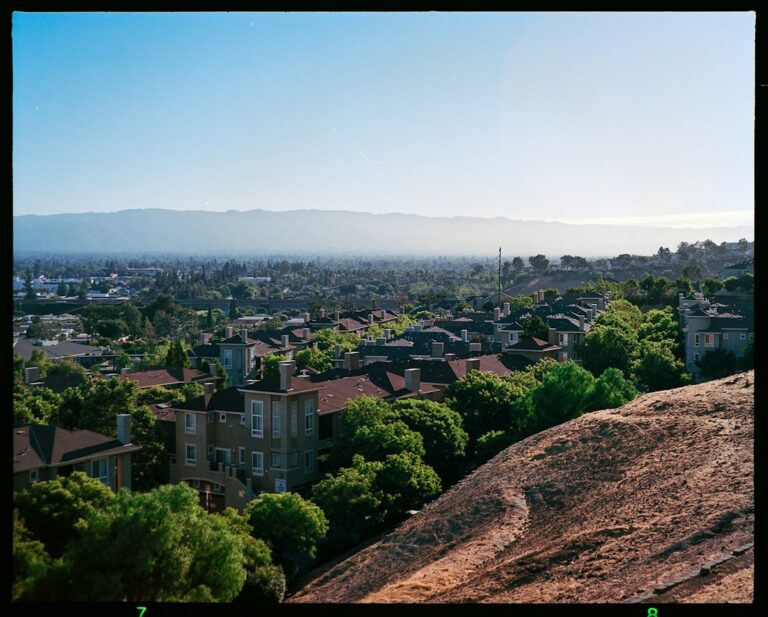
Santa Clara County’s Tax-Defaulted Property Auction: How to Claim the Excess Proceeds
When a Santa Clara County home isn't redeemed within the state's deadline, the county can sell it at public auction — and…
Read the guide → -
Pomona’s Rent Stabilization Ordinance Just Became Permanent: What Landlords Must Do Before Selling
Pomona's Ordinance No. 4359 became permanent on January 1, 2026, replacing the city's prior urgency ordinances and capping most rent increases at…
Read the guide → -
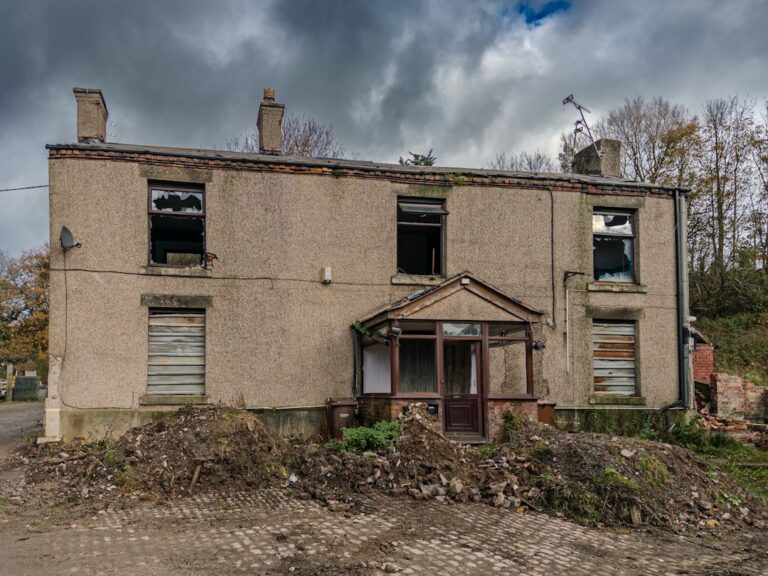
Compton’s Substandard Building Ordinance, Explained
Compton can order a dangerous or substandard house secured, repaired, or demolished under Municipal Code Chapter 14, and if the owner misses…
Read the guide → -

Chico’s RECO Inspection: What Sellers of Older Homes Must Fix Before Closing
Chico requires sellers of homes built before July 1, 1991 to pass a RECO energy and water retrofit inspection — or transfer…
Read the guide → -

Emeryville’s Just Cause Eviction Ordinance: Relocation Pay Under Municipal Code 5-40
Emeryville had its own just-cause eviction and relocation-assistance ordinance years before California’s statewide AB 1482 existed, and the local rule is still…
Read the guide → -

Malibu’s Six-Year Rebuild Deadline After the Palisades Fire: Municipal Code 17.60.020(C)
Malibu homeowners rebuilding after the January 2025 Palisades Fire have a hard deadline most residents outside the city have never heard of:…
Read the guide → -
California’s Security Deposit Cap: How AB 12 Limits What Landlords Can Collect
AB 12 caps most California security deposits at one month's rent, with a narrow exception for small landlords — plus new 2025…
Read the guide → -
California Civil Code §4525: The 11 HOA Documents You Must Hand a Buyer Before Closing
California Civil Code §4525 requires sellers inside an HOA to hand buyers 11 specific documents before closing — a list that just…
Read the guide →