
California Probate Home Sale Guide for Executors and Heirs
- Probate, inherited, tenants, repairs — we buy it
- Zero fees, zero commissions, zero closing costs
- No obligation — turn the offer down and owe us nothing
Selling a House in Probate? Get a Cash Offer
We work with executors, administrators and heirs. Tell us about the house and get a written cash offer.
Last updated November 13, 2026. Reviewed by the Cash Home Buyers CA team. Figures come from the California Judicial Council and the California Probate Code; sources are listed at the end. This is general information, not legal advice.
In California, a house can be sold without a full probate court case only if the estate is under the small estate limits, and the limits for the decedent’s principal residence are higher than for other property. For a death on or after April 1, 2025, the small estate affidavit limit is $208,850 and the principal residence petition limit is $750,000.
Larger estates generally need probate, and a probate sale of real property is reported to and confirmed by the court unless the personal representative has independent administration authority that covers it. This guide explains how to sell a house in probate in California.
California probate limits for real property at a glance
| Small estate affidavit (Prob. Code 13100) | $208,850 for deaths on or after April 1, 2025 ($184,500 from April 1, 2022 to March 31, 2025) |
| Principal residence petition (Prob. Code 13151) | $750,000 for deaths on or after April 1, 2025 ($184,500 before that, back to April 1, 2022) |
| Real property of small value (Prob. Code 13200) | $69,625 for deaths on or after April 1, 2025 ($61,500 before that, back to April 1, 2022) |
| Court confirmation of a probate sale | Generally required for real property sales unless an exception applies (Prob. Code 10308) |
| Court forms | DE-300 lists the maximum values; DE-305 is the affidavit for real property of small value |
Do I need probate to sell an inherited house in California?
It depends on how the house is held and what the estate is worth. A house held in a living trust is sold by the trustee and does not go through probate.
A house in the decedent’s name alone may need probate, unless the estate is small enough for a summary procedure. The Judicial Council publishes the dollar limits, adjusted every few years, and they depend on the decedent’s date of death.
- Principal residence petition: the court’s DE-300 lists a $750,000 maximum value for the decedent’s principal residence for deaths on or after April 1, 2025. Probate Code sections 13151 to 13154 govern it.
- Affidavit for real property of small value: Probate Code section 13200 applies to real property worth up to $69,625 for deaths on or after April 1, 2025.
- Full probate: used when the estate is above the limits. The court appoints a personal representative, who then sells the house.
Does the court have to approve the sale of a probate house?
Probate Code section 10308 says that, except as provided in section 10503, all sales of real property are reported to and confirmed by the court.
Section 10503 relates to independent administration, so a personal representative with full authority under the Independent Administration of Estates Act may be able to sell without a confirmation hearing, while one with limited authority needs court approval. The court’s order or the Letters shows which authority was granted.
When a sale needs confirmation, Probate Code section 10309 says a private sale is not confirmed unless the property was appraised within one year before the confirmation hearing, along with other conditions.
Section 10310 has the court examine the necessity or advantage of the sale to the estate and the interested persons, and section 10311 explains what happens when someone makes a written offer at the hearing. The court may accept a higher offer from another bidder, so confirmation can change the buyer.
Because of that process, a sale needing confirmation takes longer than a standard sale. Ask the probate attorney whether the Letters give full or limited authority before you sign a purchase contract.
How to sell a house in California when it is in probate
- Confirm who can sell. Only the personal representative named by the court, or a trustee if the house is in a trust, can sign the sale.
- Check the authority. Full or limited authority under the Independent Administration of Estates Act decides whether court confirmation is needed.
- Get the appraisal. A date-of-death appraisal is needed for basis and, for a confirmed sale, an appraisal within one year of the hearing.
- Compare offers. A cash buyer can buy as-is, with no agent commission and no repairs. See how we buy houses across California.
- Plan for taxes. The heir’s basis is generally the date-of-death value; see the stepped-up basis guide.
Call (424) 435-2326 or request a cash offer. There is no cost and no obligation.
California probate home sale FAQ
What is the small estate limit in California for 2026?
For a death on or after April 1, 2025, the Judicial Council lists $208,850 for the small estate affidavit, $750,000 for a principal residence petition, and $69,625 for real property of small value.
Can I sell a house during probate in California?
Yes. The personal representative can sell it, and many sales need court confirmation under Probate Code section 10308 unless an exception applies.
Is an appraisal needed for a probate sale?
A confirmed private sale generally needs an appraisal within one year before the hearing, under Probate Code section 10309.
Does a house in a living trust go through probate?
A house held in a trust is sold by the trustee and generally does not need probate, but the trust documents govern.
Sources
- California Courts: Probate Code 890 adjusted amounts
- Judicial Council form DE-300: Maximum values for small estate
- California Probate Code section 10308
- California Probate Code section 10309
This guide is general information, not legal advice. Confirm your situation with a California probate attorney.
From the Blog
Latest guides for California home sellers
-

California’s Judicial Foreclosure Redemption Right: The One-Year Window Most Owners Never Hear About
California's rarer judicial foreclosure process comes with a statutory right to redeem the property for up to a year after the sale…
Read the guide → -
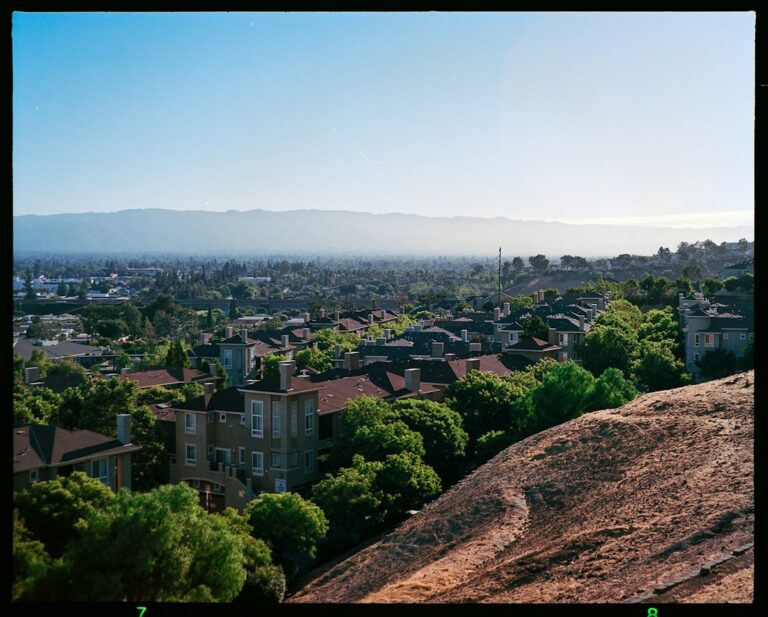
Santa Clara County’s Tax-Defaulted Property Auction: How to Claim the Excess Proceeds
When a Santa Clara County home isn't redeemed within the state's deadline, the county can sell it at public auction — and…
Read the guide → -
Pomona’s Rent Stabilization Ordinance Just Became Permanent: What Landlords Must Do Before Selling
Pomona's Ordinance No. 4359 became permanent on January 1, 2026, replacing the city's prior urgency ordinances and capping most rent increases at…
Read the guide → -
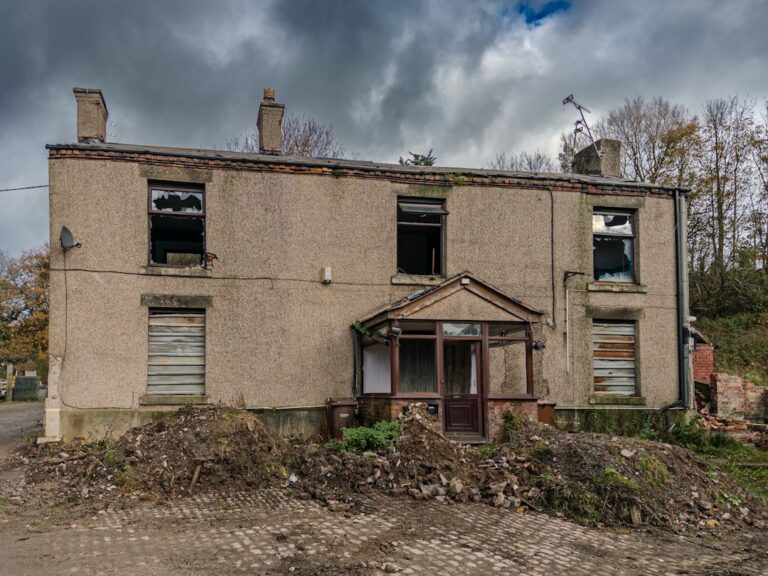
Compton’s Substandard Building Ordinance, Explained
Compton can order a dangerous or substandard house secured, repaired, or demolished under Municipal Code Chapter 14, and if the owner misses…
Read the guide → -
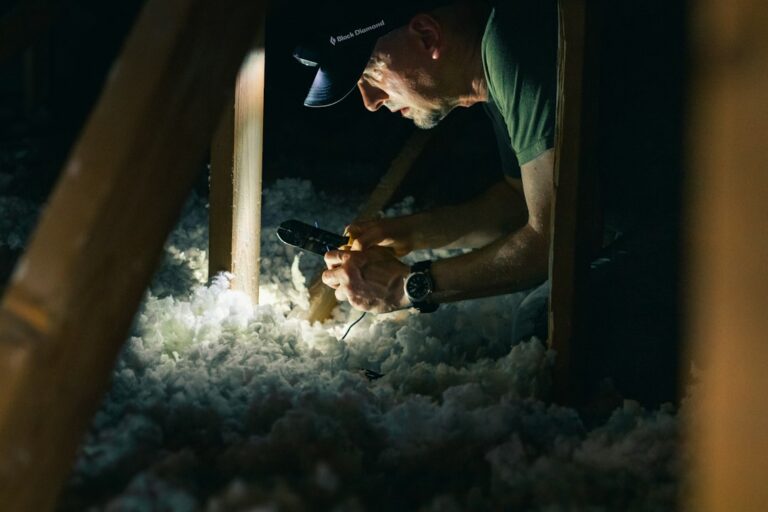
Chico’s RECO Inspection: What Sellers of Older Homes Must Fix Before Closing
Chico requires sellers of homes built before July 1, 1991 to pass a RECO energy and water retrofit inspection — or transfer…
Read the guide → -

Emeryville’s Just Cause Eviction Ordinance: Relocation Pay Under Municipal Code 5-40
Emeryville had its own just-cause eviction and relocation-assistance ordinance years before California’s statewide AB 1482 existed, and the local rule is still…
Read the guide → -

Malibu’s Six-Year Rebuild Deadline After the Palisades Fire: Municipal Code 17.60.020(C)
Malibu homeowners rebuilding after the January 2025 Palisades Fire have a hard deadline most residents outside the city have never heard of:…
Read the guide → -

California’s Security Deposit Cap: How AB 12 Limits What Landlords Can Collect
AB 12 caps most California security deposits at one month's rent, with a narrow exception for small landlords — plus new 2025…
Read the guide → -

California Civil Code §4525: The 11 HOA Documents You Must Hand a Buyer Before Closing
California Civil Code §4525 requires sellers inside an HOA to hand buyers 11 specific documents before closing — a list that just…
Read the guide →