
San Joaquin County Recorder and Deed Transfer Guide for Home Sellers
- Inherited, tenants, liens, damage: we buy it
- Zero fees, zero commissions, zero closing costs
- No obligation: turn the offer down and owe us nothing
Selling a San Joaquin County House? Get a Cash Offer and a Clean Deed Transfer
Tell us about the house and get a written cash offer. We work with escrow so the deed records cleanly.
Last updated November 13, 2026. Reviewed by the Cash Home Buyers CA team. Details come from the San Joaquin County Assessor-Recorder-County Clerk; sources are listed at the end.
When you sell a house in San Joaquin County, the deed to the buyer is recorded by the Office of the Recorder in Stockton, and the county’s documentary transfer tax is collected at the same time. The Recorder is responsible for recording deeds, deeds of trust, court decrees and many other documents that affect title to real property.
Escrow usually handles the filing, but the transfer tax declaration and any claimed exemption have to be written correctly on the deed itself, and that is where sellers who prepare their own deeds run into trouble.
San Joaquin County Recorder at a glance
| Office | 44 N. San Joaquin Street, Second Floor, Suite 260, Stockton, CA 95202 |
| Phone | (209) 468-3939 |
| Document recording hours | 8:00 a.m. to 4:00 p.m. on weekdays, except holidays |
| Same-day recording | Documents are recorded the same day until 4:00 p.m. Those submitted until 4:30 p.m. are recorded the next business day |
| Transfer tax | $0.55 per $500 of value, or fraction, on conveyances over $100 |
| Records | 168 types of recorded documents dating back to 1851, with a self-service portal |
| Exempt deeds | Enter zero for the tax and attach a signed Affidavit of Exemption |
How much is the transfer tax in San Joaquin County?
The county charges documentary transfer tax of $0.55 for each $500, or fractional portion, of the value of the real property, excluding liens or encumbrances already of record.
Under the county’s FAQ, the tax is paid when the document is recorded, and the buyer or the seller can pay it by mutual agreement. On a $400,000 sale with no loan assumed by the buyer, the tax is $440.
If the buyer takes over an existing loan, the loan amount is subtracted before the calculation. The county’s website has an estimator that calculates the tax from the price.
What must the transfer tax declaration say?
Every deed that sells real property must carry a tax declaration on the first page. The county says the declaration has to be written into the text of the document and signed by the grantor.
It must show the tax amount, whether the tax was computed on the full value or on the value less liens remaining at the time of sale, and the name of the city or the word unincorporated.
The tax code directs the Recorder to rely on this declaration unless there is reason to doubt it, so mistakes here are the seller’s problem. Recorder staff cannot give legal advice on how to fill it out.
When is a San Joaquin County deed exempt from transfer tax?
If no tax is due, enter zero on the tax line, claim the exemption on the face of the document, and submit the county’s Affidavit of Exemption from Documentary Transfer Tax with a valid Revenue and Taxation Code section. The county lists examples of common exemptions:
- A gift deed, where the grantee does not assume any debt.
- A deed that only confirms title, such as one spouse deeding to the other to remove a possible community property claim.
- Certain transfers to or from a revocable trust that benefits the grantor.
- A change in how title is held when the owners and their percentages do not change, such as joint tenants to community property.
- Certain court-ordered conveyances for no consideration, and transfers between spouses under a divorce judgment.
- A deed to a public entity, and short leases of less than 35 years.
An ordinary sale to a buyer is not exempt. Do not claim an exemption unless it fits, because the Recorder relies on what you sign.
How do you find and copy recorded documents?
The Recorder’s self-service portal lets you search and retrieve recorded documents, and you can also visit the office. The county keeps research records on 168 document types going back to 1851.
Copy fees for photocopying, certification and maps are on the county’s fee page, and the county has noted fee changes that took effect in recent years, so check the current schedule before you send payment. For a sale, order a copy of your vesting deed first.
It shows exactly how the owner’s name appears, and the new deed has to match.
How to sell a house in San Joaquin County when the title needs work
A clean chain of recorded deeds is what lets a sale close. If an owner has died and title is still in their name, the person selling must show authority, such as a court order or a trustee’s certification.
If a past deed was signed and never recorded, record it before listing or selling. A cash buyer can often close on a title situation like this faster than a lender-backed buyer, because there is no underwriting timeline.
- Order the vesting deed. Use the portal or visit the office.
- Check for liens. Judgment liens, tax liens and unpaid loans are paid out of escrow.
- Settle who pays the transfer tax. Put it in the contract.
- Let escrow submit before 4:00 p.m. That gets the deed recorded the same day.
See how we buy houses in San Joaquin County, or read our San Joaquin County property tax guide, our San Joaquin County probate guide and the California transfer tax report.
Have a San Joaquin County house with a title problem? Call (424) 435-2326 or request a cash offer. There is no cost and no obligation.
San Joaquin County Recorder FAQ
How much is the transfer tax in San Joaquin County?
It is $0.55 for each $500, or fractional portion, of value on conveyances over $100, paid when the deed is recorded.
Who pays the documentary transfer tax in San Joaquin County?
Either the buyer or the seller, by mutual agreement in the sale contract.
Where is the San Joaquin County Recorder?
At 44 N. San Joaquin Street, Second Floor, Suite 260, Stockton, CA 95202. The phone number is (209) 468-3939.
How do I claim an exemption from transfer tax?
Enter zero on the tax line, cite the exemption on the deed and submit the county’s Affidavit of Exemption with a valid Revenue and Taxation Code section.
Sources
This guide is general information, not legal advice. Fees and rules can change; confirm them with the San Joaquin County Recorder.
From the Blog
Latest guides for California home sellers
-

California’s Judicial Foreclosure Redemption Right: The One-Year Window Most Owners Never Hear About
California's rarer judicial foreclosure process comes with a statutory right to redeem the property for up to a year after the sale…
Read the guide → -
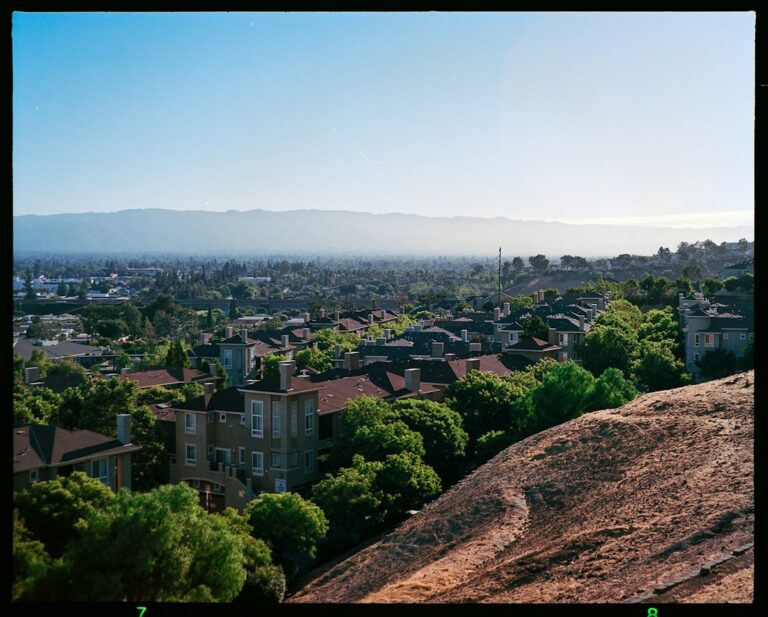
Santa Clara County’s Tax-Defaulted Property Auction: How to Claim the Excess Proceeds
When a Santa Clara County home isn't redeemed within the state's deadline, the county can sell it at public auction — and…
Read the guide → -
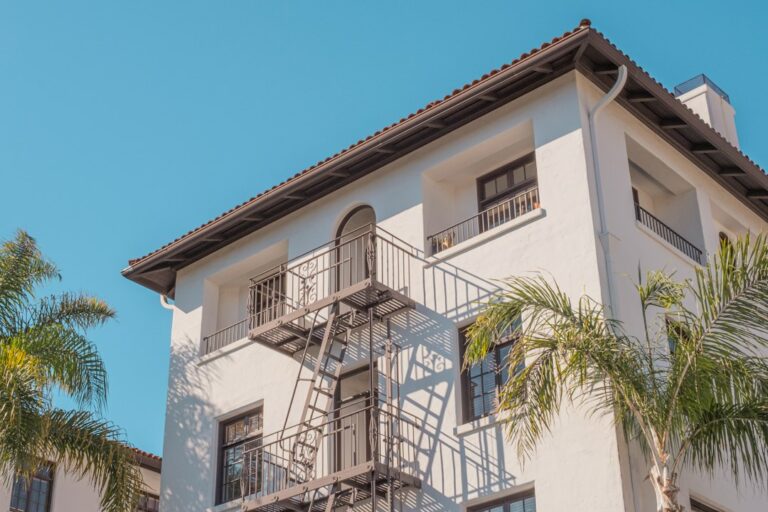
Pomona’s Rent Stabilization Ordinance Just Became Permanent: What Landlords Must Do Before Selling
Pomona's Ordinance No. 4359 became permanent on January 1, 2026, replacing the city's prior urgency ordinances and capping most rent increases at…
Read the guide → -
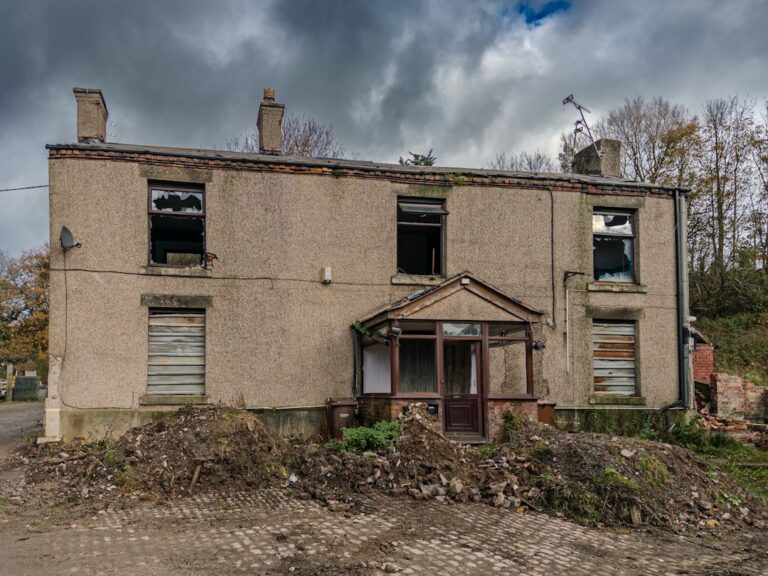
Compton’s Substandard Building Ordinance, Explained
Compton can order a dangerous or substandard house secured, repaired, or demolished under Municipal Code Chapter 14, and if the owner misses…
Read the guide → -
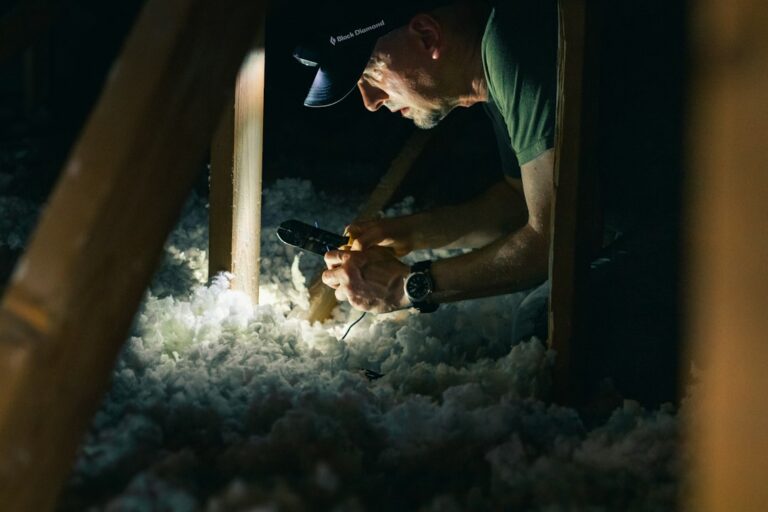
Chico’s RECO Inspection: What Sellers of Older Homes Must Fix Before Closing
Chico requires sellers of homes built before July 1, 1991 to pass a RECO energy and water retrofit inspection — or transfer…
Read the guide → -

Emeryville’s Just Cause Eviction Ordinance: Relocation Pay Under Municipal Code 5-40
Emeryville had its own just-cause eviction and relocation-assistance ordinance years before California’s statewide AB 1482 existed, and the local rule is still…
Read the guide → -
Malibu’s Six-Year Rebuild Deadline After the Palisades Fire: Municipal Code 17.60.020(C)
Malibu homeowners rebuilding after the January 2025 Palisades Fire have a hard deadline most residents outside the city have never heard of:…
Read the guide → -
California’s Security Deposit Cap: How AB 12 Limits What Landlords Can Collect
AB 12 caps most California security deposits at one month's rent, with a narrow exception for small landlords — plus new 2025…
Read the guide → -
California Civil Code §4525: The 11 HOA Documents You Must Hand a Buyer Before Closing
California Civil Code §4525 requires sellers inside an HOA to hand buyers 11 specific documents before closing — a list that just…
Read the guide →