
Los Angeles County Recorder and Deed Transfer Guide for Sellers
- Deed, title or paperwork problems — we buy it
- Zero fees, zero commissions, zero closing costs
- No obligation — turn the offer down and owe us nothing
Selling in Los Angeles County? Get a Cash Offer
Tell us about the house and get a written cash offer. Escrow handles the recording and transfer tax.
Last updated November 13, 2026. Reviewed by the Cash Home Buyers CA team. Facts come from the Los Angeles County Registrar-Recorder/County Clerk; sources are listed at the end. This is general information, not legal or tax advice.
A Los Angeles County house sale ends with a recorded deed, and the Registrar-Recorder/County Clerk sets the requirements for it. The office needs original signatures, a proper acknowledgment, the Assessor’s Parcel Number and the fees and taxes at recording. This guide covers those requirements, the documentary transfer tax, including the higher city rates, and the ownership-change report.
Los Angeles County recording at a glance
| County transfer tax | $0.55 per $500 or fractional part of value, excluding liens and encumbrances remaining, on conveyances over $100 |
| Special city rates | Culver City, Los Angeles, Pomona, Redondo Beach and Santa Monica have their own rates |
| City of Los Angeles | $2.25 per $500 or fraction, plus a higher rate on sales above $5.4 million and again at $10.9 million (rates effective July 1, 2026) |
| Base recording fee | $15, plus $3 for each additional page |
| SB 2 fee | $75 unless exempt |
| Fraud and covenant fees | $10 real estate fraud fee and $2 restrictive covenant modification fee, with listed exemptions |
| Ownership-change report omitted | $20 additional recording fee |
| Recorder phone | (800) 201-8999 for transfer tax exemption questions |
What the Los Angeles County Recorder requires for a deed
- The property must be in Los Angeles County.
- The document must be authorized or required by law to be recorded.
- Signatures must be original unless the document is a certified copy from the custodian of the record.
- It must include the name of the party requesting recording and a return name and address.
- It must be properly acknowledged, using California’s all-purpose acknowledgment, unless exempt.
- The Assessor’s Parcel Number is required on deeds, trust deeds and mortgages.
- Standard page size is 8.5 by 11 inches. Other sizes cost more.
- The first page must keep 2.5 inches at the top clear, with the left 3.5 inches for the return address and the rest for the Recorder’s stamp, and 0.5 inch margins on each side.
Couriers, attorney services and messengers must drop off deeds and deeds of trust in person. Mailed documents go to the Recorder in Norwalk, where an examiner collects the fees and taxes. In a normal sale, your escrow or title officer handles all of this.
Documentary transfer tax in Los Angeles County
The Recorder collects the tax at recording on behalf of the cities. The county rate is $0.55 for each $500, or fractional part, of value above $100, with remaining liens and encumbrances excluded. The preparer of the deed calculates the tax, not the Recorder, and the county and city amounts must be listed separately on the declaration.
Example: an $800,000 sale computed on full value is 1,600 units of $500. County tax is 1,600 times $0.55, or $880. If the house is in the city of Los Angeles, the city adds 1,600 times $2.25, or $3,600, for $4,480 in total. A house in an unincorporated area or another city pays the county tax plus whatever that city charges, so ask your escrow officer for your exact figure.
Some conveyances are exempt, and the exemption statement has to appear on the face of the deed. The county’s list includes transfers into or out of a living trust, court-ordered conveyances not made pursuant to a sale, gifts where the grantor received nothing, and conveyances by reason of death.
The Preliminary Change of Ownership Report
The Recorder may charge an additional $20 recording fee if a document showing a change in ownership is presented without the Preliminary Change of Ownership Report. File it with the deed so the Assessor can reassess correctly. See our Los Angeles County property tax guide for how supplemental bills work after a sale.
How to sell a house in Los Angeles County: the recording steps
- Open escrow. Escrow orders title and drafts the grant deed.
- Sign before a notary. The deed needs an original signature and an all-purpose acknowledgment.
- Complete the tax paperwork. The transfer tax declaration and the ownership-change report go in with the deed.
- Pay at recording. Taxes and fees are due when the document is recorded, normally from seller proceeds.
- Title transfers. If the house came through a death, read our Los Angeles County probate guide first.
A cash buyer can close and record on your schedule. See how we buy houses in Los Angeles.
Questions about selling a Los Angeles County house? Call (424) 435-2326 or request a cash offer. There is no cost and no obligation.
Los Angeles County deed and recording FAQ
What is the county documentary transfer tax in Los Angeles County?
$0.55 for each $500 or fractional part of value, excluding remaining liens and encumbrances, on conveyances over $100.
Which cities have their own transfer tax rates?
Culver City, Los Angeles, Pomona, Redondo Beach and Santa Monica.
What does the Recorder charge if the ownership-change report is missing?
The Recorder may charge an additional $20 recording fee.
Who calculates the transfer tax?
The document preparer does, not the Recorder. County and city amounts must be listed separately.
Can I send a deed by courier?
No. Couriers, attorney services and messengers must drop off deeds and deeds of trust in person.
Sources
- LA County Registrar-Recorder/County Clerk: Documentary Transfer Tax
- LA County Registrar-Recorder/County Clerk: Recording Requirements
- LA County Registrar-Recorder/County Clerk: Recording Fees
- LA County Registrar-Recorder/County Clerk: Exempt transactions notice
This guide is general information, not legal or tax advice. Rates and fees change; confirm with the Los Angeles County Recorder or your escrow officer.
From the Blog
Latest guides for California home sellers
-

California’s Judicial Foreclosure Redemption Right: The One-Year Window Most Owners Never Hear About
California's rarer judicial foreclosure process comes with a statutory right to redeem the property for up to a year after the sale…
Read the guide → -
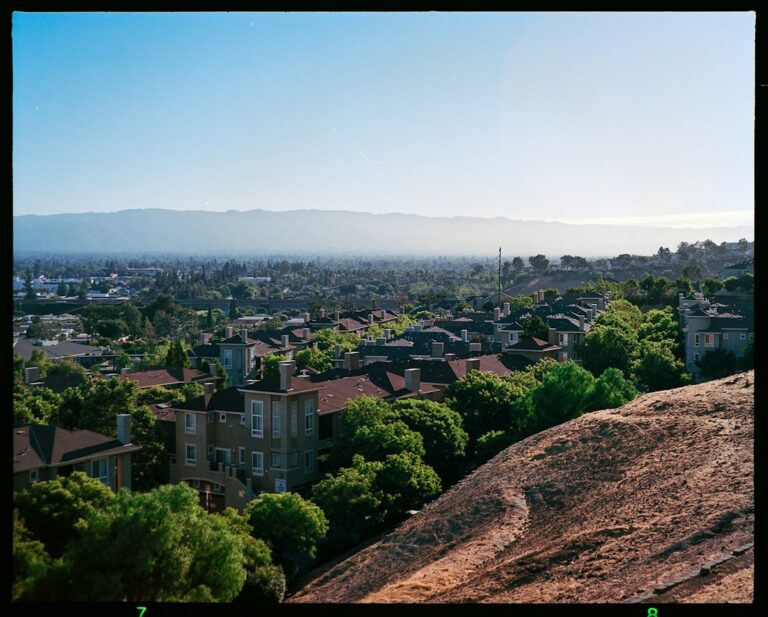
Santa Clara County’s Tax-Defaulted Property Auction: How to Claim the Excess Proceeds
When a Santa Clara County home isn't redeemed within the state's deadline, the county can sell it at public auction — and…
Read the guide → -
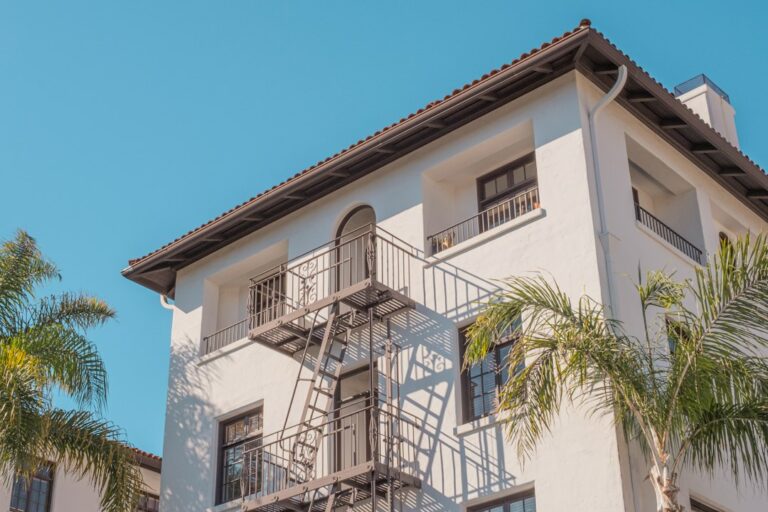
Pomona’s Rent Stabilization Ordinance Just Became Permanent: What Landlords Must Do Before Selling
Pomona's Ordinance No. 4359 became permanent on January 1, 2026, replacing the city's prior urgency ordinances and capping most rent increases at…
Read the guide → -
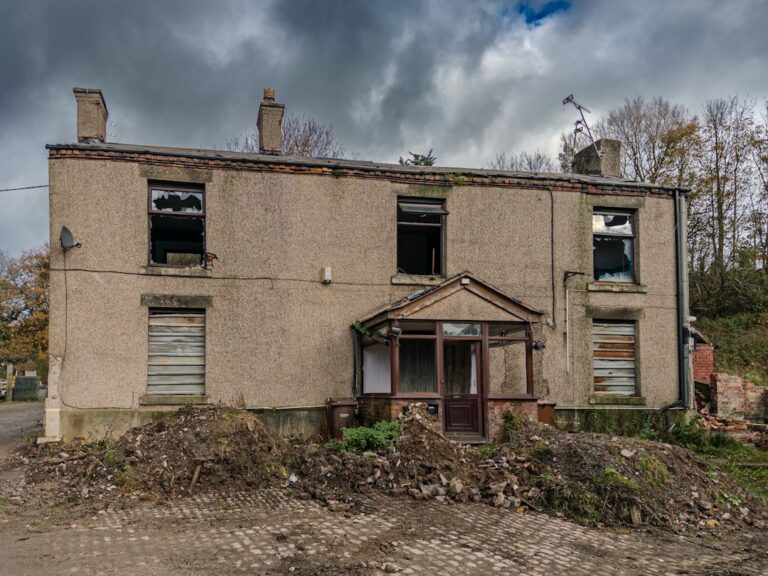
Compton’s Substandard Building Ordinance, Explained
Compton can order a dangerous or substandard house secured, repaired, or demolished under Municipal Code Chapter 14, and if the owner misses…
Read the guide → -
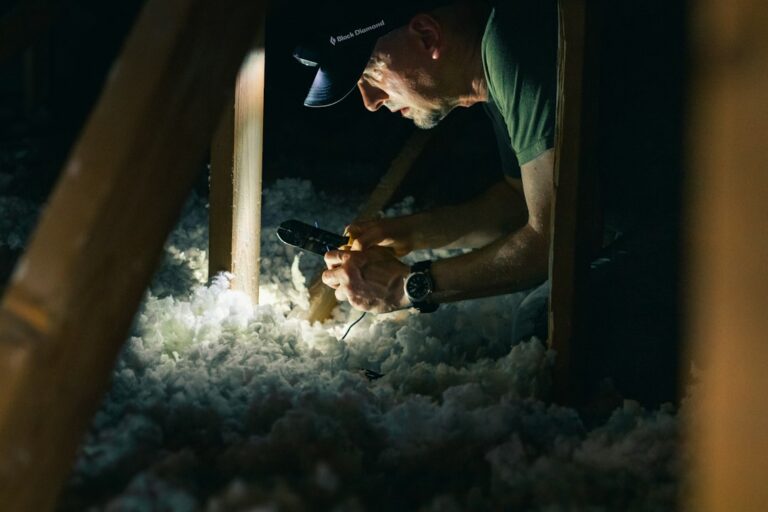
Chico’s RECO Inspection: What Sellers of Older Homes Must Fix Before Closing
Chico requires sellers of homes built before July 1, 1991 to pass a RECO energy and water retrofit inspection — or transfer…
Read the guide → -

Emeryville’s Just Cause Eviction Ordinance: Relocation Pay Under Municipal Code 5-40
Emeryville had its own just-cause eviction and relocation-assistance ordinance years before California’s statewide AB 1482 existed, and the local rule is still…
Read the guide → -

Malibu’s Six-Year Rebuild Deadline After the Palisades Fire: Municipal Code 17.60.020(C)
Malibu homeowners rebuilding after the January 2025 Palisades Fire have a hard deadline most residents outside the city have never heard of:…
Read the guide → -
California’s Security Deposit Cap: How AB 12 Limits What Landlords Can Collect
AB 12 caps most California security deposits at one month's rent, with a narrow exception for small landlords — plus new 2025…
Read the guide → -
California Civil Code §4525: The 11 HOA Documents You Must Hand a Buyer Before Closing
California Civil Code §4525 requires sellers inside an HOA to hand buyers 11 specific documents before closing — a list that just…
Read the guide →