
Siskiyou County Recorder and Deed Transfer Guide for Sellers
- Deed, title or paperwork problems — we buy it
- Zero fees, zero commissions, zero closing costs
- No obligation — turn the offer down and owe us nothing
Selling a Siskiyou County House? Get a Cash Offer
We handle the closing paperwork with escrow. Send us the address and we will make a written cash offer.
Last updated November 13, 2026. Reviewed by the Cash Home Buyers CA team. Fees come from the Siskiyou County Assessor-Recorder’s 2026 recording fee schedule, listed under Sources.
In Siskiyou County, the Recorder charges $14 to record the first page of a document and $3 for each additional page, and the documentary transfer tax is $0.55 for every $500 or part thereof. The Building Homes and Jobs Act fee is $75 per title with a $225 maximum per transfer, and a $6 Real Estate Fraud Prosecution Trust Fund fee may apply. Escrow normally handles all of this at closing.
Siskiyou County recording fees at a glance
| Recording, first page | $14 (8½ x 11 inch maximum); $3 for each additional page |
| Documentary transfer tax | $0.55 for every $500 or part thereof (Revenue and Taxation Code 11911) |
| Building Homes and Jobs Act fee | $75 per title, $225 maximum per transfer (Government Code 27388.1) |
| Real Estate Fraud Prosecution Trust Fund fee | $6 per title (Government Code 27388); may apply |
| Combined documents | $14 for each additional title, plus $3 per added page |
| Page not 8½ x 11 or needing special handling | $3 added to every page of the document |
| Release of government liens (tax and child support) | $20 |
| Additional indexing | $1 per added reference number; $1 per added group of 10 names |
| Copies | $1 per page; $1 more to certify; no fee to conform one customer-supplied copy |
| Death record | $26 per name search |
| Office | 311 Fourth Street, Room 108, Yreka, CA 96097; Recorder (530) 842-8065 |
What the Siskiyou County Recorder does in a home sale
The Assessor-Recorder’s office in Yreka records deeds, reconveyances and liens and keeps the index of who owns what. Your grant deed transfers title and counts against the world only once recorded, which escrow normally arranges on the day the sale funds. The loan you are paying off is released through a reconveyance that is recorded too.
The office does not price a house or judge whether a deed is legally sound. If a deed has an error, the cure is a corrected or new deed. Siskiyou combines the assessor and recorder under one elected official, so the same office that records your deed also receives the ownership-change report that drives reassessment.
How the documentary transfer tax works in Siskiyou County
Siskiyou’s schedule lists the tax at $0.55 for every $500 or part thereof. On a $400,000 sale that is 800 units of $500, or $440. The seller usually pays it, although the contract can say otherwise. Cities can add their own tax, so ask escrow whether your property is inside a city that does.
Some transfers are exempt, such as many transfers between spouses or into a trust for no payment, but the exemption has to be stated on the deed. Ask escrow or an attorney first.
The ownership-change report
When ownership changes, the buyer files a Preliminary Change of Ownership Report with the deed so the assessor can update the assessed value. Siskiyou’s recording fee schedule does not list a penalty for a missing report, so ask the office what applies. For how a transfer affects the bill that follows, see our Siskiyou County property tax guide.
Getting copies of recorded documents
Copies cost $1 per page, with an extra $1 per document to certify. The office will conform one copy that you supply, with a self-addressed stamped envelope, at no fee. A death record costs $26 per name search, and the schedule says one certified copy is included if the record is found.
How to sell a house in Siskiyou County when the deed or title is messy
Old names on a deed, an unrecorded deed, a paid loan with no reconveyance, or an owner who has died are all common. None has to stop a sale, but each changes who can sign and what escrow needs.
- Pull the recorded documents. Ask the Recorder or your title company for the vesting deed and any liens.
- Match the names. The people on the deed must be the people who sign.
- Clear old liens. A paid loan with no recorded reconveyance can be cleaned up through the lender.
- Budget for the fees. Recording, the transfer tax and the $75 Building Homes and Jobs fee come out of one side of escrow depending on the contract.
- Choose your route. A cash buyer can often close with these issues in place. A listing may bring a higher price but will not close until title is ready.
We buy houses in Siskiyou County in any condition. See our Siskiyou County page.
Want to see the numbers on your house? Call (424) 435-2326 or request a cash offer. There is no cost and no obligation.
Siskiyou County recorder FAQ
How much does it cost to record a deed in Siskiyou County?
$14 for the first page and $3 for each additional page, plus the $75 Building Homes and Jobs Act fee per title (up to $225 per transfer) and possibly a $6 fraud prosecution fee.
What is the transfer tax in Siskiyou County?
$0.55 for every $500 or part thereof. Cities may charge more.
What is the Building Homes and Jobs Act fee?
A $75 state fee collected per title at recording, capped at $225 per transfer, unless the document is exempt.
How much is a copy of a recorded document in Siskiyou County?
$1 per page, plus $1 per document to certify.
Can I sell a Siskiyou County house with a title problem?
Often yes. Escrow and the title company need to see what is wrong, and a cash buyer can sometimes close with the problem in place.
Sources
This guide is general information, not tax or legal advice. Fees and rates can change; confirm with the Siskiyou County Recorder.
From the Blog
Latest guides for California home sellers
-

California’s Judicial Foreclosure Redemption Right: The One-Year Window Most Owners Never Hear About
California's rarer judicial foreclosure process comes with a statutory right to redeem the property for up to a year after the sale…
Read the guide → -
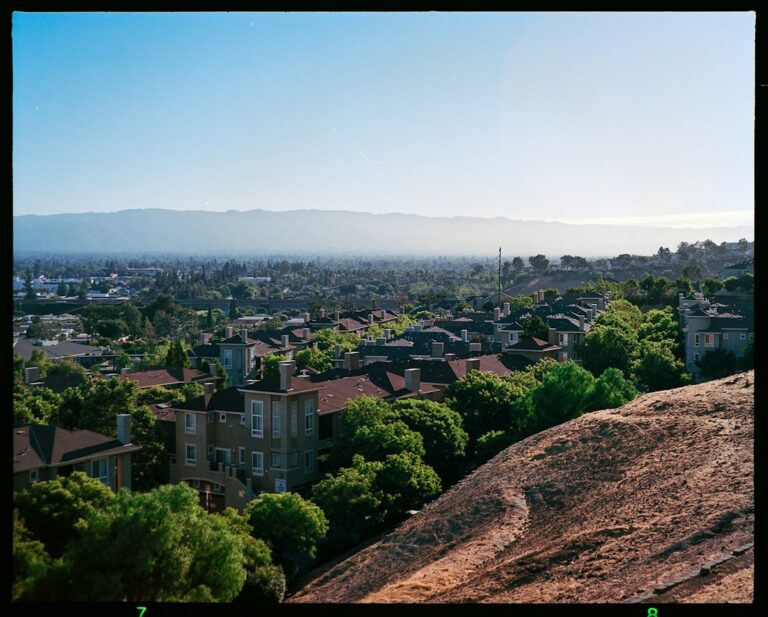
Santa Clara County’s Tax-Defaulted Property Auction: How to Claim the Excess Proceeds
When a Santa Clara County home isn't redeemed within the state's deadline, the county can sell it at public auction — and…
Read the guide → -

Pomona’s Rent Stabilization Ordinance Just Became Permanent: What Landlords Must Do Before Selling
Pomona's Ordinance No. 4359 became permanent on January 1, 2026, replacing the city's prior urgency ordinances and capping most rent increases at…
Read the guide → -

Compton’s Substandard Building Ordinance, Explained
Compton can order a dangerous or substandard house secured, repaired, or demolished under Municipal Code Chapter 14, and if the owner misses…
Read the guide → -
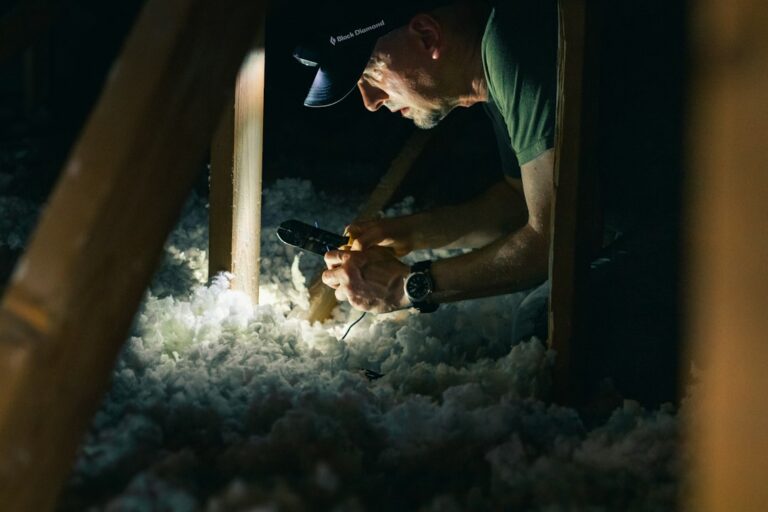
Chico’s RECO Inspection: What Sellers of Older Homes Must Fix Before Closing
Chico requires sellers of homes built before July 1, 1991 to pass a RECO energy and water retrofit inspection — or transfer…
Read the guide → -

Emeryville’s Just Cause Eviction Ordinance: Relocation Pay Under Municipal Code 5-40
Emeryville had its own just-cause eviction and relocation-assistance ordinance years before California’s statewide AB 1482 existed, and the local rule is still…
Read the guide → -

Malibu’s Six-Year Rebuild Deadline After the Palisades Fire: Municipal Code 17.60.020(C)
Malibu homeowners rebuilding after the January 2025 Palisades Fire have a hard deadline most residents outside the city have never heard of:…
Read the guide → -

California’s Security Deposit Cap: How AB 12 Limits What Landlords Can Collect
AB 12 caps most California security deposits at one month's rent, with a narrow exception for small landlords — plus new 2025…
Read the guide → -

California Civil Code §4525: The 11 HOA Documents You Must Hand a Buyer Before Closing
California Civil Code §4525 requires sellers inside an HOA to hand buyers 11 specific documents before closing — a list that just…
Read the guide →