
Santa Ana Building Permits Guide for Homeowners and Sellers
- Unpermitted work, open permits, repairs needed: we buy it as-is
- Zero fees, zero commissions, zero closing costs
- No obligation: turn the offer down and owe us nothing
Permit Problems on Your Santa Ana House? Sell As-Is for Cash
Open permits and unpermitted work do not have to stop a sale. Tell us about the house and get a written cash offer.
Last updated November 13, 2026. Reviewed by the Cash Home Buyers CA team. Information comes from the City of Santa Ana; sources are listed at the end.
Santa Ana’s Building Safety Division issues building, plumbing, heating and cooling, and electrical permits, and the city’s online portal lets you check plan check status and search a property’s permit history. Pulling that history before you list shows whether past work was permitted.
Santa Ana building permits at a glance
| Who handles it | City of Santa Ana Building Safety Division |
| Permits issued | Building, plumbing, heating and cooling, and electrical |
| Permit history | Property Information search on the city site |
| Plan check status | Checked online through the same property tools |
| Online portal | Accela Citizen Access: permit records, fee payment and inspection scheduling |
How do I look up permits on a Santa Ana property?
Use the city’s Property Information search to review permit history by address, then the Accela portal for records, fees and inspections. If an addition, converted garage or remodel does not appear, treat it as unpermitted work and ask the Building Safety Division before you list. The city has moved pages to santa-ana.gov, so use the main city site rather than old bookmarks.
How permits affect selling a house in Santa Ana
In California, sellers generally have to disclose known problems, including work you know was done without a permit. On a traditional sale, buyers often ask for a closed-out permit, repairs or a price cut. A cash buyer can purchase the house with the permit problem unresolved and price the risk into the offer. Unpermitted work can also lead to a city case; see our Santa Ana code enforcement guide.
How to sell a house in Santa Ana with unpermitted work or open permits
- Check the city record. Search the address in Property Information and the Accela portal.
- List what you know. Who did the work, when, and whether you have receipts or plans.
- Compare your options. Finish the permit, sell with a price credit, or sell as-is to a cash buyer.
- Disclose honestly. A cash offer does not change what you must disclose, but it removes repair and inspection steps that cause delays.
We buy Santa Ana houses as they are. Read how selling a house as-is in Santa Ana works, or see our Santa Ana cash-offer process. For backyard units see our Santa Ana zoning and ADU guide.
Not sure what your permit history means for a sale? Call (424) 435-2326 or request a cash offer. There is no cost and no obligation.
Four permit types, four places a gap can hide
Santa Ana’s Building Safety Division issues four kinds of permits, and a house can have a clean record in one category and a gap in another. When you pull the record, check each one against what is actually in the house.
- Building: additions, structural changes, garage conversions, enclosed patios, new or relocated walls and roofing work beyond simple repairs.
- Plumbing: added bathrooms or kitchens, repiping, gas line changes and, in many cases, water heater replacements.
- Heating and cooling: furnace and air conditioner replacements, new ductwork and mini-split installations.
- Electrical: panel upgrades, rewiring, subpanels in garages and new circuits for added rooms.
A common pattern is a remodel with a building permit that was finaled, but with plumbing or electrical work inside it that was never separately permitted. Look for that mismatch in the record.
What a clean permit paper trail looks like
For each job, you want to be able to show a permit number, the scope of work, the contractor’s name and license number if a contractor did it, and a final approval date. Keep the plans, receipts and inspection cards together.
A buyer or agent who sees a complete trail has fewer reasons to ask for credits. A missing piece, such as a permit with no final, is what turns a routine sale into a negotiation.
Checking who did the work
In California, contractors must be licensed for most jobs, and the Contractors State License Board has a public license lookup. If a previous owner used an unlicensed handyman, that does not erase your disclosure duty, and it can raise questions about quality.
Owners can build on their own property under the owner-builder exemption in Business and Professions Code section 7044, but improvements sold within one year of completion can be presumed to have been built for sale, so timing matters if you did the work yourself.
Timing a permit clean-up against a sale
- Before listing: You control the timeline, but you carry the costs and the risk that the inspector asks for more work.
- During escrow: It can work for small items, but a stalled permit can delay or cancel closing.
- After closing: The buyer takes it on, which is why they will usually ask for a price reduction or a credit.
If the work needed is open-ended, such as opening walls or redrawing plans for an old addition, sellers often decide that the cost and uncertainty are the real reasons to compare a cash sale.
Questions a buyer’s agent will ask about permits
- Were any rooms added, converted or finished without permits?
- Are there open permits, and what is their status?
- Who did the work, and are they licensed?
- Can you provide plans, final inspection records or receipts?
More Santa Ana permit questions
Does replacing a water heater need a permit?
In many California cities it does, because plumbing codes cover water heater installation. Confirm with the Building Safety Division whether your replacement needed one and whether a final inspection was done.
Can I get a permit for work a previous owner did?
Often you can apply for a permit for existing work. The city decides what it needs to see, which can include plans, inspections and opening finished areas so the work can be checked.
Do you check permit history before making a cash offer?
Yes. We review the permit record and the house itself, and the offer reflects what we find, including unpermitted or open-permit work.
Santa Ana building permits FAQ
How do I check permit history in Santa Ana?
Use the city’s Property Information tool to search permit history and plan check status, and the Accela portal for permit records and fees.
Who issues building permits in Santa Ana?
The Building Safety Division issues building, plumbing, heating and cooling, and electrical permits.
Can I sell a house in Santa Ana with an open permit?
Yes. An open permit does not legally stop a sale, but it can slow a traditional one. A cash buyer can purchase the house with the permit still open.
How do I sell a house in Santa Ana with unpermitted additions?
Disclose the work, then choose between permitting it, discounting the price, or selling as-is to a cash buyer who accounts for the risk in the offer.
Sources
- City of Santa Ana: Building Safety Division and Property Information
- California Business and Professions Code section 7044 (owner-builder exemption)
- California Civil Code section 1102.6 (Real Estate Transfer Disclosure Statement)
This guide is general information, not legal advice. Permit rules change; confirm requirements with the City of Santa Ana.
From the Blog
Latest guides for California home sellers
-

California’s Judicial Foreclosure Redemption Right: The One-Year Window Most Owners Never Hear About
California's rarer judicial foreclosure process comes with a statutory right to redeem the property for up to a year after the sale…
Read the guide → -
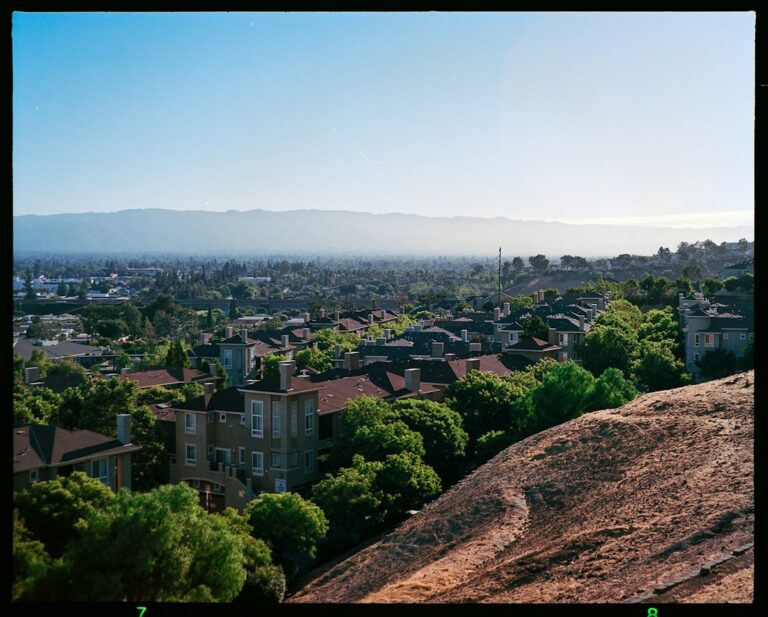
Santa Clara County’s Tax-Defaulted Property Auction: How to Claim the Excess Proceeds
When a Santa Clara County home isn't redeemed within the state's deadline, the county can sell it at public auction — and…
Read the guide → -

Pomona’s Rent Stabilization Ordinance Just Became Permanent: What Landlords Must Do Before Selling
Pomona's Ordinance No. 4359 became permanent on January 1, 2026, replacing the city's prior urgency ordinances and capping most rent increases at…
Read the guide → -

Compton’s Substandard Building Ordinance, Explained
Compton can order a dangerous or substandard house secured, repaired, or demolished under Municipal Code Chapter 14, and if the owner misses…
Read the guide → -
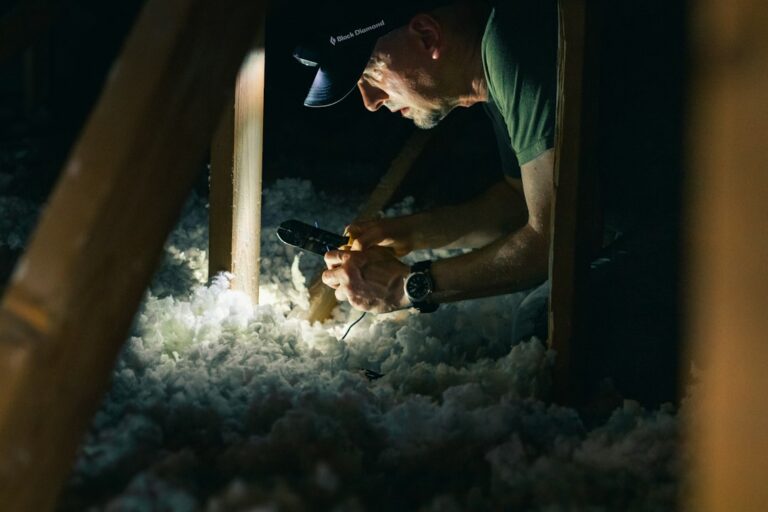
Chico’s RECO Inspection: What Sellers of Older Homes Must Fix Before Closing
Chico requires sellers of homes built before July 1, 1991 to pass a RECO energy and water retrofit inspection — or transfer…
Read the guide → -

Emeryville’s Just Cause Eviction Ordinance: Relocation Pay Under Municipal Code 5-40
Emeryville had its own just-cause eviction and relocation-assistance ordinance years before California’s statewide AB 1482 existed, and the local rule is still…
Read the guide → -

Malibu’s Six-Year Rebuild Deadline After the Palisades Fire: Municipal Code 17.60.020(C)
Malibu homeowners rebuilding after the January 2025 Palisades Fire have a hard deadline most residents outside the city have never heard of:…
Read the guide → -

California’s Security Deposit Cap: How AB 12 Limits What Landlords Can Collect
AB 12 caps most California security deposits at one month's rent, with a narrow exception for small landlords — plus new 2025…
Read the guide → -

California Civil Code §4525: The 11 HOA Documents You Must Hand a Buyer Before Closing
California Civil Code §4525 requires sellers inside an HOA to hand buyers 11 specific documents before closing — a list that just…
Read the guide →