
California Quitclaim Deed Guide: Risks, Recording and Selling a House
- Know what a quitclaim deed does and does not do
- Zero fees, zero commissions, zero closing costs
- No obligation — turn the offer down and owe us nothing
Need to Sell a House Without Title Surprises?
Tell us about the property and get a written cash offer.
Last updated November 13, 2026. Reviewed by the Cash Home Buyers CA team. Statutes and agency publications are listed in the sources at the end.
A quitclaim deed transfers only whatever interest the person signing it has at that moment, and it promises nothing more. The California Department of Real Estate and the Board of Equalization both describe it this way: no implied warranties, no guarantee the grantor owns anything, and no after-acquired title.
That makes it a quick tool for moving a name on title, and a poor tool for selling a house to a stranger.
This guide explains how the deed works, what recording and the Preliminary Change of Ownership Report involve, and when a different deed or a direct cash sale is the safer path.
Quitclaim deed vs. grant deed in California
| Quitclaim deed | Conveys only the interest the grantor holds when signing. No implied warranties; guarantees nothing, and does not convey title the grantor acquires later (Board of Equalization; Department of Real Estate) |
| Grant deed | Using the word “grant” in a fee conveyance implies covenants, including that the grantor has not already conveyed the same estate and that it is free of the grantor’s own encumbrances (Civil Code 1113) |
| Writing and signature | Real property is transferred by a written instrument; the grant form is in Civil Code 1092 |
| Recording | An unrecorded conveyance can be void against a later good faith purchaser or lender whose deed is recorded first (Civil Code 1214) |
| Change of ownership report | Preliminary Change of Ownership Report (BOE-502-A) filed with the recorder (Revenue and Taxation Code 480.3) |
How does a quitclaim deed work?
The grantor signs a deed saying they release whatever interest they have to the grantee. If the grantor owns the house outright, the grantee ends up with it. If the grantor owns half, or nothing, the grantee gets exactly that. The deed itself does not tell you which.
Because a quitclaim carries none of the covenants a grant deed does, the buyer’s only protection is the title record, which is why title companies usually want to see a clean chain of ownership first.
The deed only does its job once it is signed, acknowledged before a notary, and recorded with the county recorder where the property sits. Recording matters because an earlier unrecorded deed can lose to a later buyer or lender who records first, under Civil Code 1214.
When a quitclaim deed makes sense
- Adding or removing a family member. A spouse or relative signs over their share, and everyone understands the history.
- Moving a house into your own living trust. You are the same person on both sides of the paper.
- Clearing a possible claim. A person who may have an old interest releases it, as one step in cleaning up title.
In each case the people involved already know the property. That is the setting the deed was designed for.
Risks of using a quitclaim deed to sell
- No warranty. The buyer cannot rely on the deed to promise the seller owns the property, and a title insurer will look hard at the record.
- Liens stay with the house. A deed does not erase a mortgage, tax lien or judgment. Those remain attached to the property.
- Missing co-owners. If a spouse, sibling or heir also holds title, your deed passes only your share.
- Property tax reassessment. A transfer can be a change in ownership. Reporting it correctly matters, and some family transfers may qualify for an exclusion.
- Loan consequences. Moving a house that still has a mortgage can raise questions with the lender; ask the servicer before you sign.
- Lost leverage. If you deed the house away before you are paid, you have given up ownership on a promise.
Recording a quitclaim deed: PCOR and transfer tax
Preliminary Change of Ownership Report. Under Revenue and Taxation Code 480.3, the buyer or recipient completes the BOE-502-A and may file it with the recorder when the deed is recorded. The form is signed by the transferee, not by an agent.
If a deed is presented without it, the statute lets the recorder charge an extra $20 recording fee. County recorders set their own base recording fees, so check your county’s schedule.
Documentary transfer tax. The county rate is $0.55 for each $500 of value, or fraction of $500, and a city that imposes its own tax adds half that amount (Revenue and Taxation Code 11911). The value excludes any lien or encumbrance that remains on the property at the time of sale.
Under Revenue and Taxation Code 11930, the tax does not apply to a transfer made by inter vivos gift or because of a person’s death. A transfer for money is different; for a $600,000 sale with no remaining lien the county tax would be $660.
Use our seller closing costs guide to estimate it, and see the California transfer tax report for how rates work.
Reassessment and the parent-child exclusion. A deed between family members can trigger a property tax review. Since February 16, 2021, Proposition 19 lets parents transfer a family home to children without reassessment if at least one child lives in it as their primary residence, as the Board of Equalization explains.
The claim form is BOE-19-P, filed with the county assessor within three years of the transfer and before the property goes to a third party. Rules are detailed, so read the BOE fact sheet before you deed anything.
Quitclaim deeds in common selling situations
Divorce
Spouses often use a quitclaim to give one person the house. It moves title, but it does not change who owes the mortgage. Read our divorce home sale guide first.
Inheritance
A quitclaim from one heir to another passes only that heir’s share. If the estate is in probate, deeding before the court authorizes it can cloud the sale. See the probate home sale guide and the stepped-up basis guide. If the owner signed a transfer on death deed or trust, title may already pass without a new deed.
Tenant-occupied homes
Changing the owner does not end a tenancy. See the tenant-occupied sale guide.
How to sell a house in California when title is complicated
- Order a title report. Find out who is on title and what liens are recorded before you sign any deed.
- Get every owner on board. Each co-owner must sign the sale documents.
- Get a payoff statement. Ask each lender for the figure due at closing.
- Do not deed away before payment. Transfer ownership at closing through escrow, when you are paid.
- Compare net, not price. A direct cash sale can close without commissions, repairs or buyer financing delays.
See where we buy houses across California.
Not sure how to handle the deed? Call (424) 435-2326 or request a cash offer. There is no cost and no obligation.
Quitclaim deed FAQ
What does a quitclaim deed do in California?
It transfers only the interest the grantor has when signing, with no implied warranties, according to the Board of Equalization and the Department of Real Estate.
Can I sell my house with a quitclaim deed?
A quitclaim can pass title, but buyers and title insurers get no warranty from it, so most arm’s-length sales use a grant deed through escrow.
Does a quitclaim deed need to be recorded?
Recording is how you protect the transfer. An unrecorded conveyance can be void against a later good faith purchaser or lender who records first, under Civil Code 1214.
What is the PCOR?
The Preliminary Change of Ownership Report, form BOE-502-A, is completed by the transferee and filed with the recorder. The recorder may charge an extra $20 fee if it is missing, under Revenue and Taxation Code 480.3.
Is there transfer tax on a quitclaim deed?
The tax is $0.55 per $500 of value, excluding remaining liens, with a possible city add-on under Revenue and Taxation Code 11911. Gift and death transfers are covered by an exemption in Revenue and Taxation Code 11930.
Does a quitclaim deed remove me from the mortgage?
No. A deed moves ownership, not the debt. The loan stays with the borrower unless the lender releases them.
Sources
- California Legislature: Civil Code 1113
- California Legislature: Civil Code 1092
- California Legislature: Civil Code 1214
- California Legislature: Revenue and Taxation Code 480.3
- California Legislature: Revenue and Taxation Code 11911
- California Legislature: Revenue and Taxation Code 11930
- Board of Equalization: Property Ownership and Deed Recording
- Department of Real Estate Reference Book: Principal Instruments of Transfer
- Board of Equalization: Proposition 19 Fact Sheet
This guide is general information, not legal or tax advice. Talk to a California attorney or your title company before you sign a deed.
From the Blog
Latest guides for California home sellers
-

California’s Judicial Foreclosure Redemption Right: The One-Year Window Most Owners Never Hear About
California's rarer judicial foreclosure process comes with a statutory right to redeem the property for up to a year after the sale…
Read the guide → -

Santa Clara County’s Tax-Defaulted Property Auction: How to Claim the Excess Proceeds
When a Santa Clara County home isn't redeemed within the state's deadline, the county can sell it at public auction — and…
Read the guide → -

Pomona’s Rent Stabilization Ordinance Just Became Permanent: What Landlords Must Do Before Selling
Pomona's Ordinance No. 4359 became permanent on January 1, 2026, replacing the city's prior urgency ordinances and capping most rent increases at…
Read the guide → -
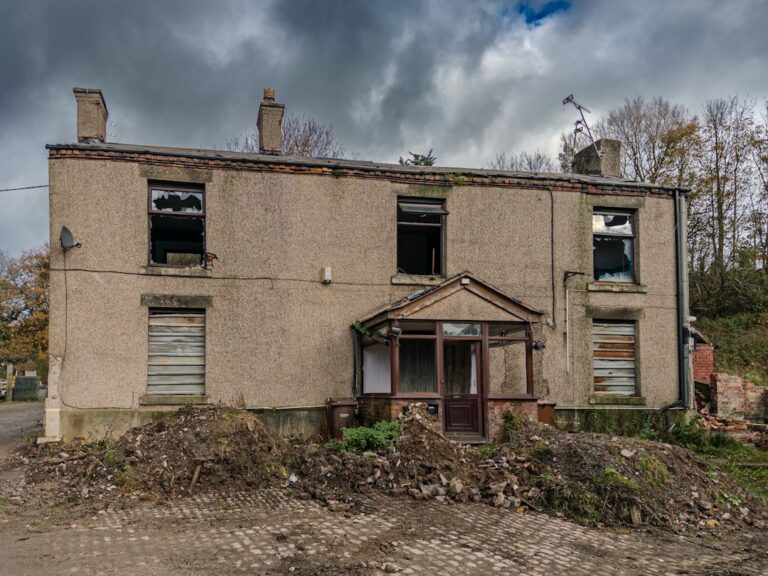
Compton’s Substandard Building Ordinance, Explained
Compton can order a dangerous or substandard house secured, repaired, or demolished under Municipal Code Chapter 14, and if the owner misses…
Read the guide → -

Chico’s RECO Inspection: What Sellers of Older Homes Must Fix Before Closing
Chico requires sellers of homes built before July 1, 1991 to pass a RECO energy and water retrofit inspection — or transfer…
Read the guide → -

Emeryville’s Just Cause Eviction Ordinance: Relocation Pay Under Municipal Code 5-40
Emeryville had its own just-cause eviction and relocation-assistance ordinance years before California’s statewide AB 1482 existed, and the local rule is still…
Read the guide → -

Malibu’s Six-Year Rebuild Deadline After the Palisades Fire: Municipal Code 17.60.020(C)
Malibu homeowners rebuilding after the January 2025 Palisades Fire have a hard deadline most residents outside the city have never heard of:…
Read the guide → -

California’s Security Deposit Cap: How AB 12 Limits What Landlords Can Collect
AB 12 caps most California security deposits at one month's rent, with a narrow exception for small landlords — plus new 2025…
Read the guide → -
California Civil Code §4525: The 11 HOA Documents You Must Hand a Buyer Before Closing
California Civil Code §4525 requires sellers inside an HOA to hand buyers 11 specific documents before closing — a list that just…
Read the guide →